












In a world dominated by cutting-edge digital technologies, it’s easy to assume that traditional mechanical systems, such as gears, might have become obsolete. After all, we live in an era where software can simulate complex systems, robotics can perform precise tasks, and digital technologies seem to provide every imaginable solution. Yet, despite the rise of advanced computing, automation, and artificial intelligence, gears remain an integral part of mechanical systems. Their presence in everything from high-end machinery to everyday household devices speaks volumes about their continued relevance.
In this article, we will explore why gears continue to dominate mechanical systems in the digital age. We’ll delve into the fascinating world of gear mechanics, uncover the advantages that have kept them in use, and examine how they adapt to modern challenges. The seemingly simple but highly effective design of gears allows them to transcend the boundaries of time and technology, ensuring their continued use in complex systems.
The Timeless Elegance of Gears
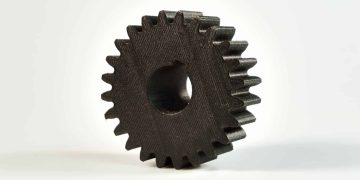
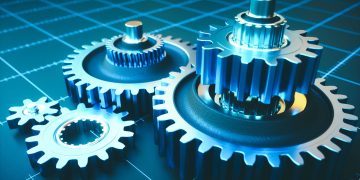
Before diving into their applications, it’s important to understand what makes gears such enduring components. At their core, gears are mechanical elements that mesh together to transmit motion and torque between machine parts. They come in various shapes and sizes, but the most common type is the spur gear—a toothed wheel that rotates and transfers rotational force. From windmills to wristwatches, gears have been at the heart of mechanical technology for centuries.
Gears are part of a broader category of mechanical elements known as transmission systems. These systems play a crucial role in ensuring that energy flows efficiently and predictably. The beauty of gears lies in their simple yet effective design—by meshing teeth together, gears can transfer power, change the direction of motion, or alter the speed and torque ratio in a system. Whether it’s to increase speed, decrease speed, or maintain constant motion, gears perform these tasks with remarkable efficiency.
The Advantages of Gears in the Digital Age
Even though we now have access to advanced computing and digital controls, gears still maintain an essential role in mechanical systems. Let’s take a closer look at why this is the case.
1. Reliability and Precision
Gears offer unparalleled reliability in their operation. Once properly designed and manufactured, they operate with high precision over long periods, requiring minimal maintenance. Unlike digital systems, which can sometimes fail due to bugs, hardware malfunctions, or software issues, gears simply “do their job” with consistency.
The mechanical action of gears is straightforward and predictable. Digital systems, on the other hand, rely on complex algorithms that can sometimes fail or produce inaccurate results. This is especially important in fields like aerospace, automotive, and manufacturing, where failure is not an option. In situations where reliability is paramount, gears remain the preferred choice.
2. Simplicity and Durability
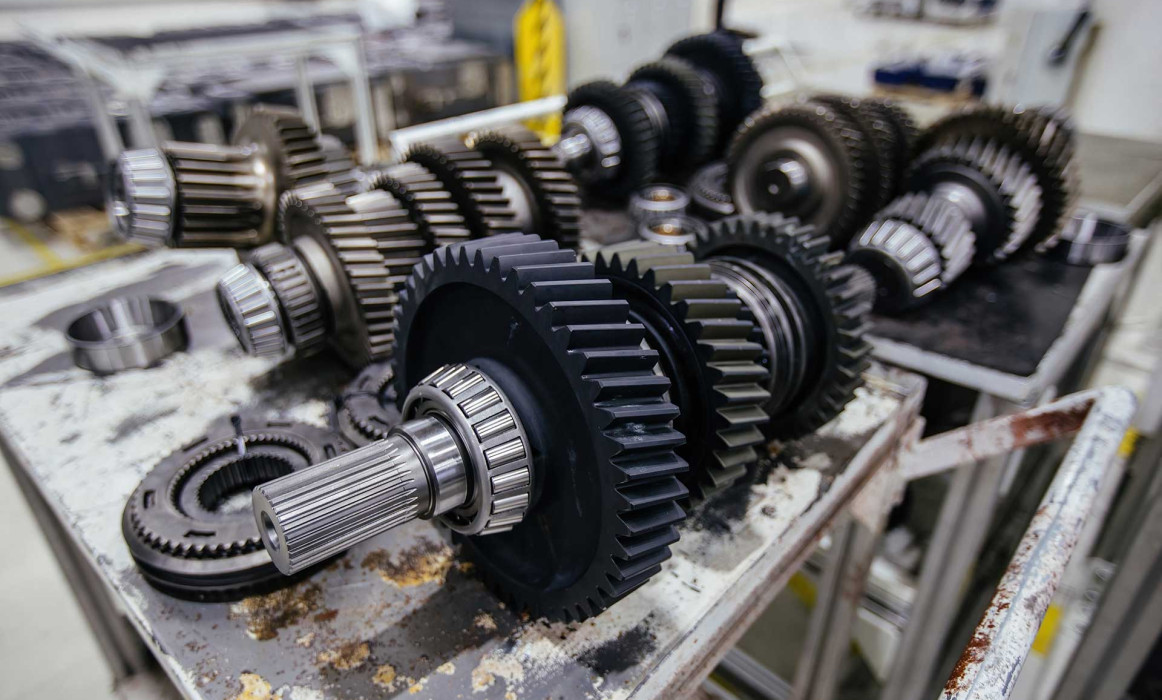
One of the reasons gears have stood the test of time is their simplicity. While digital systems can provide sophisticated control, they require complex components such as sensors, microprocessors, and software. These elements are susceptible to wear and tear, and in extreme environments, they may malfunction. Gears, in contrast, are simple machines that require relatively little maintenance. A well-designed gear system can last for decades, as long as it is not subjected to extreme forces that exceed its capacity.
In addition, gears can operate in environments where digital systems might struggle. High temperatures, extreme pressures, or exposure to chemicals won’t affect gears in the same way they impact digital sensors or processors. This makes gears indispensable in industries like oil and gas, where equipment often operates under harsh conditions.
3. Energy Efficiency
Gears are highly efficient at transmitting power. Their ability to deliver force without significant loss in energy makes them crucial in applications where energy efficiency is a priority. Unlike digital systems that rely on electrical energy, gears are mechanical devices that convert input power directly into output power, with minimal loss. This efficiency is particularly important in industries such as automotive and aerospace, where reducing energy consumption can lead to substantial savings.
In fact, a properly designed gear system can transmit power with upwards of 98% efficiency, a feat that is difficult to match with digital systems that depend on electrical energy conversions and may suffer from energy losses in various forms, including heat dissipation.
4. Cost-Effectiveness
The cost of implementing a mechanical gear system is often lower than that of complex digital or electronic systems. While the development of digital technology may involve expensive components, software development, and maintenance, gears are relatively inexpensive to manufacture, especially when compared to the complexity of digital systems. Furthermore, gears can be mass-produced with high precision, driving down costs.
For industries that operate on tight budgets, the simplicity and cost-effectiveness of gears make them an attractive choice. A well-made gear system can function reliably for years, requiring only basic maintenance, which translates to lower long-term operational costs.
5. Versatility in Applications
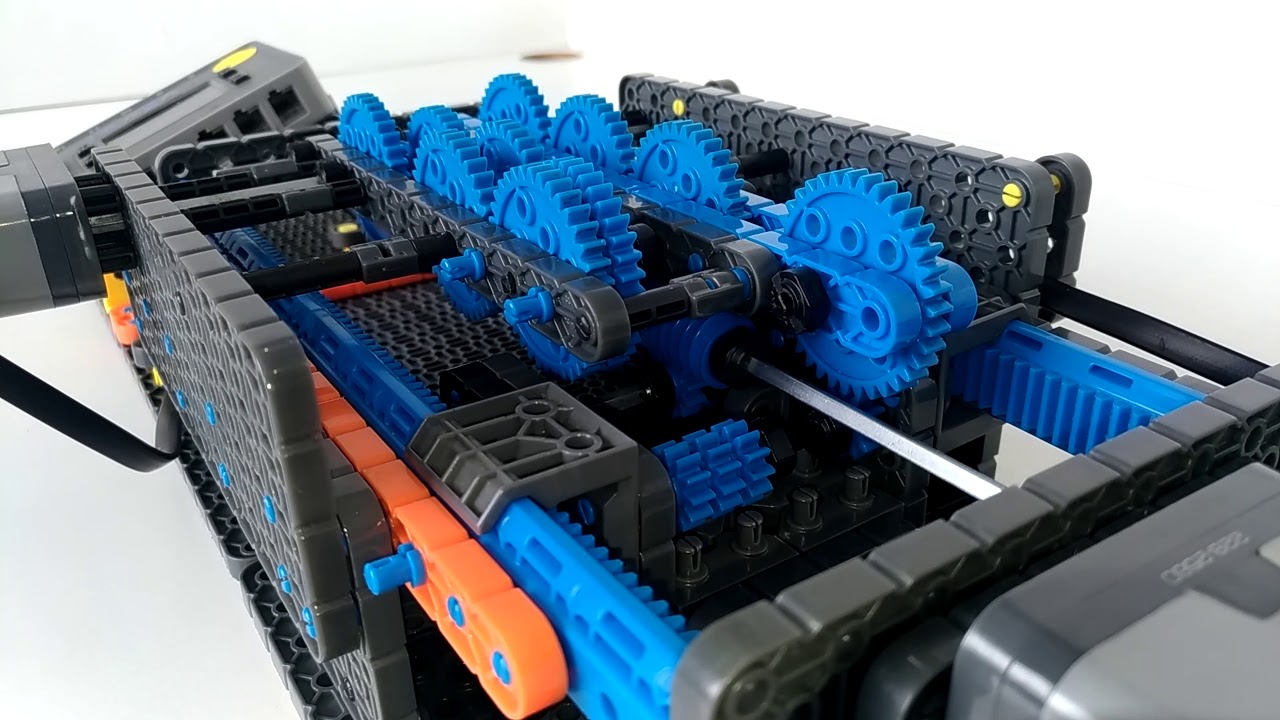
Gears can be used to transfer power in virtually any direction, and they can adapt to various configurations. Whether you need to change rotational speed, reverse motion, or synchronize multiple machines, gears are versatile enough to handle it. This versatility has made gears indispensable across many industries, including robotics, automotive, manufacturing, and even consumer electronics.
For instance, in automotive transmissions, gears are used to change the torque and speed of the engine, allowing the vehicle to move efficiently at different speeds. Similarly, in robotics, gears provide the fine control needed to manipulate limbs with precision. The adaptability of gears means that no matter what the digital age brings, gears will always have a place in mechanical design.
Gears in the Digital Age: Innovations and Integration
Although gears are traditional mechanical components, they are far from outdated. In fact, the digital age has spurred innovations that allow gears to work in concert with modern technologies. Here’s how:
1. Smart Gears: The Integration of Sensors
In today’s world, the line between digital and mechanical systems is often blurred. One of the most exciting innovations is the development of “smart” gears—gears that incorporate sensors and actuators. These gears can now relay real-time data to digital systems, allowing for enhanced monitoring and performance analysis.
For example, in the automotive industry, smart gears in transmissions can communicate with the vehicle’s onboard computer to optimize performance. Similarly, in manufacturing, sensors embedded in gears can monitor wear and tear, sending alerts when maintenance is required. This integration allows gears to function within the context of sophisticated digital systems, enhancing their utility and longevity.
2. Robotics and Automation
As robots and automated systems become more advanced, the role of gears has evolved. Rather than being replaced by digital components, gears have found new applications in robotic actuation and movement. For instance, servo motors in robotics often use gears to control the precise movements of robotic arms.
Moreover, digital control systems are now used to control gear-driven mechanisms with greater accuracy and efficiency. This hybrid approach, where mechanical systems work alongside digital controls, allows for a combination of robustness and flexibility. Robots are able to take advantage of the precision of gears while benefiting from the adaptability of digital systems.
3. Advanced Materials and Manufacturing Techniques
Modern advances in materials science and manufacturing techniques have made it possible to create gears that are stronger, lighter, and more efficient than ever before. With innovations like 3D printing, gears can now be designed with intricate internal geometries that were once impossible to create using traditional manufacturing methods.
Additionally, modern materials, such as carbon fiber and advanced alloys, allow gears to operate in conditions that would have been unimaginable a few decades ago. These materials are often lighter and stronger than steel, providing the same mechanical advantage with less weight. Such advancements ensure that gears remain effective and relevant, even as technology evolves.
The Future of Gears in the Digital World
As digital technologies continue to evolve, one might wonder what the future holds for gears. While it’s clear that the digital revolution has introduced new ways to solve problems, gears are unlikely to be replaced entirely. Instead, we will likely see more seamless integration between mechanical and digital systems.
In the future, gears may become even more intelligent, with integrated sensors that provide continuous feedback on their performance. As more industries adopt IoT (Internet of Things) technologies, gear systems may be connected to cloud-based networks, enabling predictive maintenance and real-time optimization. Additionally, we may see further innovations in gear design, leading to lighter, more efficient systems that combine the best of both worlds.
Conclusion: A Mechanical Legacy for the Digital Age
The question of why gears continue to dominate mechanical systems in the digital age is not a matter of resistance to progress, but rather a recognition of their timeless and irreplaceable qualities. Gears are reliable, efficient, durable, and versatile, making them indispensable in a wide range of industries. While digital technologies offer new ways to enhance and control systems, gears remain a fundamental part of the mechanical world.
In a sense, gears represent the marriage of simplicity and innovation. They have withstood the test of time because they are brilliantly effective in solving mechanical problems. As technology advances, gears will continue to adapt and thrive, ensuring their place in the ever-evolving landscape of mechanical systems.