










Fashion is a mirror reflecting the times, the culture, and the society in which it exists. As trends continuously evolve, one thing remains constant—the emotional connection fashion evokes. In recent years, there has been a resurgence of vintage and retro-inspired styles, leading to the question: Do vintage visual styles hold more emotional power in fashion? In exploring this, it becomes clear that vintage fashion does not merely represent a nostalgic throwback but serves as a powerful vehicle for personal and collective expression, a bridge between history and contemporary life, and an emotional landscape where memory, identity, and culture converge.
The Emotional Weight of Fashion: More Than Just Clothes
Fashion is more than just about aesthetics; it’s a language of identity, emotions, and cultural context. Clothing doesn’t exist in a vacuum but instead carries with it the weight of history, social movements, and cultural shifts. The emotional power of vintage visual styles stems from their ability to convey layers of meaning that resonate deeply with individuals. A piece of clothing can be linked to a specific era, an iconic figure, or a moment in time that evokes certain feelings—whether nostalgia, rebellion, joy, or sorrow.
While contemporary fashion often focuses on trend cycles and the constant creation of newness, vintage styles possess a timeless quality. Their very nature invites people to reflect on the past, making them inherently powerful in terms of emotional resonance. By wearing vintage, individuals connect not only with past generations but also with their personal histories and experiences.
The Psychological Appeal of Nostalgia
At the core of vintage fashion’s emotional power lies nostalgia. The longing for the past—whether one’s own or a period one has never experienced—forms a significant part of the appeal. Nostalgia is an emotional state that arises from a desire to reconnect with simpler, more familiar times. This phenomenon has been explored in various psychological studies, which suggest that nostalgia often brings feelings of comfort, happiness, and continuity, offering a sense of identity and grounding.
Vintage fashion allows people to relive or imagine eras they feel connected to, whether it’s the glamorous 1920s flapper dresses, the rebellious 1970s punk look, or the bohemian 1960s aesthetic. These styles represent more than just the garments themselves—they are vessels for memories, personal or collective. When people wear vintage, they are not just donning old clothing; they are embracing an emotional narrative that resonates with who they are or aspire to be.
The Power of Storytelling in Vintage Fashion

Every vintage item tells a story. Whether it’s a hand-embroidered dress from the 1930s or a leather jacket from the 1980s, each piece has a history that is woven into its fabric. This storytelling aspect gives vintage fashion an emotional depth that modern pieces often lack. A vintage dress might carry the scent of an old perfume, the marks of a timeworn stitching, or the memory of a previous owner. These subtle details are imbued with emotions, making the garment not only an aesthetic object but also a tangible link to the past.
Fashion is a mode of personal storytelling. When an individual chooses to wear vintage, they are actively participating in that narrative. The emotional connection is not simply about nostalgia but about the power of owning a piece of history. In a world where fast fashion dominates, and everything is mass-produced, vintage items hold value because of their uniqueness and the stories they carry.
The Influence of Vintage Icons and Subcultures
Fashion and identity are often shaped by iconic figures and subcultures. Vintage visual styles allow people to engage with these cultural touchstones, whether it’s channeling the sophisticated glamour of Audrey Hepburn, the rebellious spirit of James Dean, or the countercultural ethos of the 1960s hippie movement. Icons from the past are often associated with specific emotional qualities—grace, strength, rebellion, or freedom. Vintage fashion allows modern individuals to tap into these emotions by wearing styles that evoke the figures and eras they admire.
Take, for example, the influence of 1950s Americana, with its clean lines and optimistic spirit. The clothing of that era, such as tailored suits, poodle skirts, and polka-dot dresses, often invokes a sense of innocence and post-war prosperity. For someone living in a more tumultuous time, this visual style can evoke a sense of longing for a period of perceived stability and hope. On the other hand, vintage punk fashion from the 1970s brings forth feelings of defiance and individuality. The aggressive attitude embedded in leather jackets, ripped jeans, and band tees speaks to a collective memory of rebellion and the desire for change.
Vintage styles allow individuals to connect with these cultural movements and tap into the emotional energy that they represent. This connection can provide a sense of empowerment or comfort, depending on the era one chooses to embrace.
The Intersection of Fashion, Memory, and Identity
Fashion is intrinsically tied to personal identity. The clothes we wear are often a reflection of how we see ourselves or how we want others to perceive us. Vintage fashion, in particular, is a powerful tool in this regard. It provides an avenue for individuals to express parts of their identity that might be rooted in history, cultural heritage, or emotional experience. Wearing vintage is not just about adopting a look; it’s about embodying the values and sentiments associated with that style.
For example, someone who grew up in the 1980s might wear a vintage band t-shirt not just for its aesthetic value but because it recalls memories of their youth—of the music, the political climate, and the cultural movements of that time. Similarly, someone with a strong appreciation for fashion history might wear a vintage Dior dress because it reflects their interest in craftsmanship, artistry, and design principles that transcend contemporary trends.
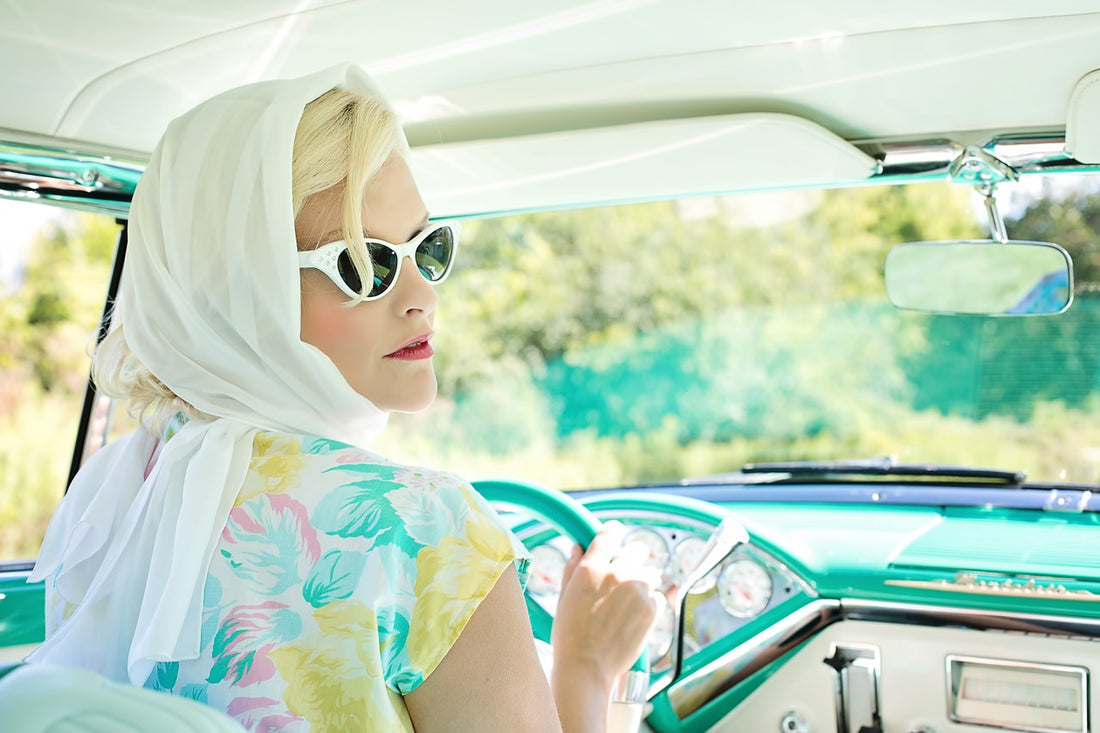
Vintage styles allow for a deeper, more personal connection to fashion because they often represent a meaningful point of reference in one’s life or cultural memory. Fashion becomes a form of emotional expression, where the clothing acts as a vehicle for self-exploration and identity formation.
Sustainability and Emotional Power
In an era marked by heightened awareness of environmental issues, vintage fashion also holds an emotional appeal through its sustainability. The desire to reduce waste, preserve resources, and make more conscious fashion choices has led many consumers to embrace second-hand and vintage clothing. However, this shift is not merely about being environmentally responsible—it also speaks to a deeper emotional connection with the past.
Sustainability in fashion is often tied to the idea of longevity, quality, and craftsmanship. Vintage items, particularly those made by hand or with higher standards of production, are often seen as more valuable because they have stood the test of time. By choosing vintage, individuals are not only making a conscious decision to protect the environment but also embracing the emotional satisfaction that comes from investing in pieces that have history and enduring value.
In addition, the act of curating a personal vintage collection brings with it a sense of treasure hunting and discovery. The emotional thrill of finding a rare piece, uncovering a forgotten gem, or restoring an item to its former glory connects individuals to a sense of ownership and pride. It also allows them to participate in the preservation of history, rather than simply consuming fashion trends.
The Power of Vintage in a Modern World
As the global fashion industry continues to grow and evolve, vintage fashion remains a powerful force. It provides an emotional alternative to the fast-paced, disposable nature of contemporary fashion, offering something more meaningful, timeless, and culturally significant. Wearing vintage allows individuals to transcend the present moment, connecting to the emotional weight of the past while navigating the complexities of the present.
In a world where everything is becoming more instant and ephemeral, vintage fashion offers an anchor—a connection to a time and place that was once lived. Whether it’s the glamour of the 1920s, the rebellion of the 1970s, or the avant-garde sensibility of the 1980s, vintage styles give us the emotional freedom to explore our own identities and imaginations, through the lens of the past.
Conclusion
The emotional power of vintage visual styles in fashion lies not just in the aesthetics of past decades but in their ability to evoke deep, resonant feelings—nostalgia, identity, memory, and cultural significance. Vintage fashion acts as both a personal and collective statement, linking wearers to the emotional and historical dimensions of the past while offering a creative and expressive outlet in the present. It’s a celebration of what came before and an invitation to emotionally engage with the stories, icons, and cultural movements that have shaped fashion as we know it today.
Whether it’s the power of nostalgia, the desire to embody the spirit of a particular era, or the connection to a larger cultural history, vintage visual styles undeniably hold a unique and enduring emotional power that modern trends struggle to replicate.