









Volcanic islands are among the most captivating landscapes on Earth. From their explosive origins to the lush ecosystems that thrive in their soils, these islands carry a unique kind of raw beauty. But what truly happens when one dares to wander into the heart of such an island? The journey is not just about marveling at molten lava or towering cliffs. It’s a deep dive into nature’s chaotic yet mesmerizing forces, where life and death exist in a delicate balance. So, buckle up for an adventure through the geological wonders, extreme environments, and surprising resilience of life at the heart of a volcanic island.
The Formation of Volcanic Islands: A Prelude to Adventure
Before we step into the heart of a volcanic island, it’s essential to understand how these islands are born. Most volcanic islands are the result of tectonic plate movements beneath the Earth’s surface. When one plate subducts beneath another, the intense pressure and heat cause magma to rise, creating volcanic eruptions. Over millions of years, these eruptions build up layers of lava and ash, eventually forming islands that emerge from the ocean.
These islands are far from stable; they’re dynamic, constantly shaped by tectonic activity, volcanic eruptions, and erosion. A perfect example is the Hawaiian Islands, born from a hot spot in the Earth’s mantle, where the crust continually melts and creates volcanic islands in its wake.
Entering the Heart: A World of Extreme Terrain
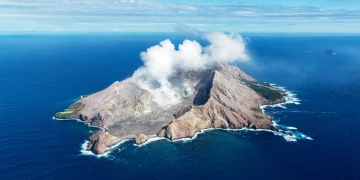
The heart of a volcanic island can feel like stepping into another world. Often, this refers to the interior of the island—an area that may be remote, difficult to reach, and sometimes outright dangerous. The terrain is rugged, with jagged ridgelines, steep cliffs, and, at times, active craters spewing steam and gases into the air. Unlike coastal areas that might be covered in dense tropical vegetation, the interior is often barren or sparsely populated by hardy plants adapted to the harsh conditions.
For hikers or adventurers, this means traversing lava fields, hiking up volcanic cones, or carefully maneuvering through areas where lava once flowed like rivers of molten rock. The volcanic soil can be rich and fertile in some areas, creating an environment where unique flora and fauna thrive, while other parts of the island remain barren or scarred by past eruptions.
One of the first things to notice when entering the heart of a volcanic island is the overwhelming sense of instability. The ground beneath your feet could be warm to the touch, especially near active vents or fumaroles, where volcanic gases seep from the earth. The air smells of sulfur, and the landscape around you is a surreal combination of volcanic rock formations, ash deposits, and occasionally, the sight of boiling hot springs.
The Gaseous Symphony: Breath of a Sleeping Giant
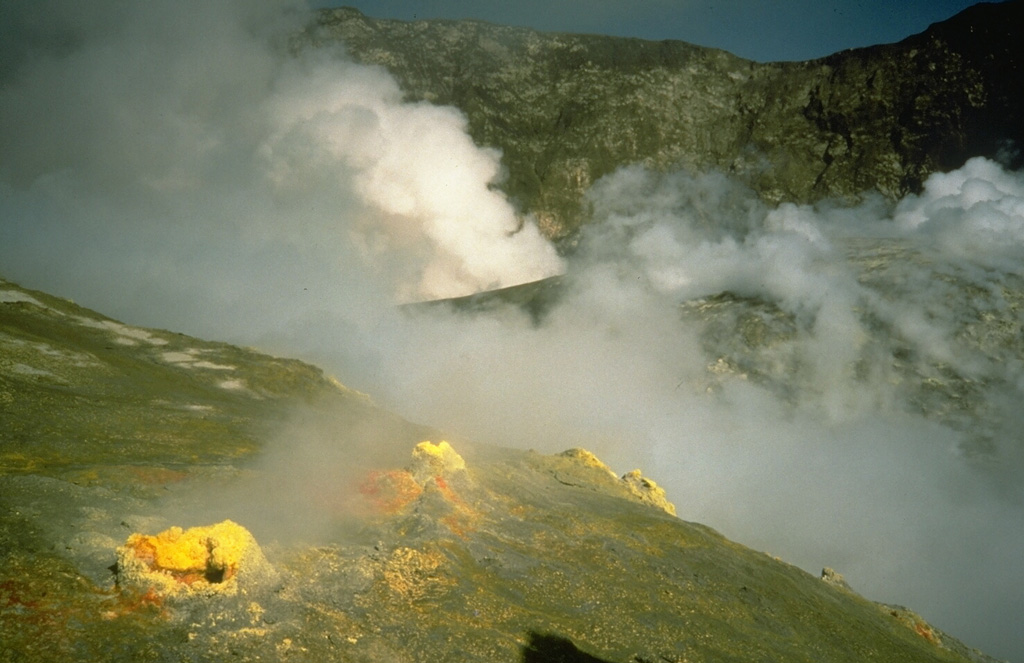
As you move deeper into the island’s core, you may encounter the signature feature of many volcanic areas: fumaroles. These are cracks in the Earth’s crust through which volcanic gases, including sulfur dioxide, carbon dioxide, and steam, escape. It’s easy to imagine the island as a sleeping giant, breathing through these vents, releasing its pent-up pressure into the air.
Fumaroles emit gases that create a distinctive smell, often likened to rotten eggs due to the sulfur content. In certain areas, you may also see steam rising from the earth, creating an eerie mist that wraps around the volcanic landscape. These phenomena are not just fascinating; they are key indicators of the volcanic activity brewing beneath the surface. The gases escaping from fumaroles can be dangerous, carrying high concentrations of toxic substances. For adventurers, this means a delicate balance between awe and caution.
Even more spectacular are the volcanic craters and calderas, some of which house lakes of molten lava or hot, acidic water. These regions are extremely unstable, and the atmosphere is thick with the raw energy of the planet. Sometimes, you can even feel the ground tremble beneath your feet, a constant reminder that the volcano is never truly “asleep.”
The Volcano’s Eruption: Nature’s Raw Power
At any moment, the volcano could wake up. Volcanic eruptions are the most dramatic expressions of the island’s inner forces. While the eruption itself may be rare, the threat is ever-present. Lava fountains can shoot hundreds of feet into the air, while ash clouds rise up and darken the skies for miles. Pyroclastic flows—fast-moving currents of hot gas, ash, and debris—race down the slopes, destroying everything in their path.
For those who venture into the heart of an active volcanic island, there’s a constant awareness that an eruption could occur at any time. Volcanoes are unpredictable, and though scientists use sophisticated methods to monitor seismic activity and gas emissions, it’s impossible to know exactly when an eruption will happen.
That said, the experience of witnessing an eruption—either from a safe distance or, if fortunate, from the safety of a volcanic viewing platform—is an unforgettable one. The sight of molten lava creeping down the mountain side is like watching a liquid fire snake its way through the land, consuming everything in its path. It’s a stark reminder of the immense power nature holds, and the very real danger of venturing too close to the fiery heart of the island.

Life on the Edge: Resilience Amidst Chaos
Despite the constant volatility, life manages to find a way in the heart of the volcanic island. The rich volcanic soil, created by centuries of eruptions, often supports thriving ecosystems. Early on, colonization begins with small, hardy species of plants that can withstand the extreme conditions. Over time, these pioneer species are joined by others—ferns, mosses, and eventually larger plants like trees.
In some cases, you may find a surprising amount of biodiversity. For example, on islands such as the Galápagos, which were once volcanic hotspots, the volcanic environment has shaped the evolution of species, many of which are found nowhere else in the world. Birds, reptiles, and insects have adapted to life in this tough terrain. Some have developed unique characteristics to cope with the lack of freshwater, intense heat, or the scarcity of food.
Even in volcanic zones that seem inhospitable, life persists. The black, porous lava rock, though unforgiving at first glance, hosts a variety of organisms such as moss, lichen, and insects. The geothermal activity within the island helps to create microhabitats where life thrives, from bacteria that survive in the boiling waters to plants that sprout from cracks in the rock.
Water: A Precious Commodity
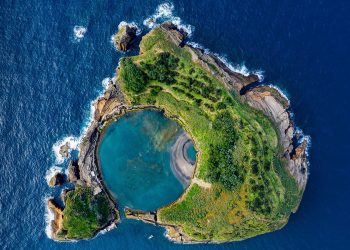
Water, or the lack thereof, is another defining characteristic of volcanic islands. The interior of volcanic islands may lack freshwater lakes or streams, especially if the island is young and still forming. The lack of surface water makes life even more challenging for both plant and animal life. However, many volcanic islands have natural springs or aquifers, often fed by rainfall or runoff from volcanic craters. Some islands even have unique water formations, such as crater lakes, which offer freshwater to both locals and wildlife.
On the other hand, some volcanic islands are surrounded by salty sea water, making the need for fresh water even more urgent. Without a reliable freshwater source, human populations have had to adapt by developing techniques for harvesting rainwater or using desalination technology.
The Isolation Factor: A Double-Edged Sword
Isolation plays a huge role in the ecosystem and human life on volcanic islands. For creatures that have evolved in these remote environments, isolation has often meant a lack of natural predators, allowing certain species to evolve in unusual ways. For example, volcanic islands like the Galápagos are known for the uniqueness of their flora and fauna, which have been shaped by their isolation and the harsh volcanic landscape.
Humans living on volcanic islands often find themselves in similarly isolated conditions. Communities on islands like those in Indonesia or the Canary Islands have developed unique cultures and lifestyles, partly influenced by the volcanoes around them. These cultures have to be resilient, flexible, and deeply connected to the land they inhabit.
However, isolation can be a double-edged sword. On one hand, it can foster a deep connection to the land, but on the other, it can be dangerous in the event of an eruption. The constant threat of disaster means that the locals must always be prepared, often living with the knowledge that they’re at the mercy of the volcano’s whims.
The Final Step: The Imminent Risk
Wandering into the heart of a volcanic island is an experience that should never be undertaken lightly. The extreme terrain, the volatile weather, the ever-present threat of eruptions, and the unique ecosystem all contribute to an environment that’s as beautiful as it is dangerous. Those who venture into such places must do so with respect for the forces at play, and an understanding that the volcano, though awe-inspiring, is a force of nature not to be underestimated.
But for those willing to take the risk, there is a reward—a unique encounter with one of the most powerful and mysterious natural wonders on Earth. The heart of a volcanic island is an untamed realm, a place where life and death coexist in a delicate balance, where chaos and beauty merge in ways that few other environments on Earth can match.