












Urban spaces are often designed with the purpose of accommodating functionality—roads for vehicles, walkways for pedestrians, and public spaces for social interactions. Yet, one feature often overlooked in urban design is the humble trail. At first glance, trails might seem like simple pedestrian routes, designed to connect one place to another or offer a recreational escape. But are these trails in urban spaces more powerful than we think? The answer is a resounding yes. In fact, trails play a crucial role in shaping the way people experience, engage with, and navigate the urban environment.
The story of trails in cities goes beyond their physical construction. Trails are not merely connectors between two points; they serve as vital arteries that influence mental well-being, social connectivity, environmental sustainability, and even economic development. Whether they are cobblestone paths through historical neighborhoods, winding park trails, or modern elevated walkways, these urban trails weave together multiple dimensions of urban life. They reflect our collective human need for movement, nature, connection, and reflection, all within the confines of the bustling cityscape.
The Role of Trails in Mental and Physical Health
One of the most significant contributions of urban trails is their impact on physical and mental health. Walking, cycling, or simply spending time on a trail can promote physical exercise, which is linked to numerous health benefits, from improved cardiovascular health to better weight management. But the benefits go beyond just physical well-being.
Studies have shown that access to trails can significantly reduce stress and improve mental health. Urban environments are often stressful, filled with noise, traffic, and crowds. Trails, particularly those that traverse green spaces or offer views of nature, can provide a therapeutic escape from the chaos. The experience of walking along a tree-lined path or through a park with calming water features can reduce anxiety, enhance mood, and even foster creativity.
In cities like New York, the High Line—a former railway track turned elevated park—offers visitors a peaceful environment away from the city’s frenetic pace. It has become a symbol of how urban trails can serve as a sanctuary for those seeking solace and a chance to reconnect with nature. The health benefits are clear: trails not only encourage physical movement but also serve as psychological refuges for city dwellers.
Social Connectivity and Community Engagement
Trails also play a crucial role in fostering social connections and community engagement. In cities, where people often live in close quarters but don’t always interact, trails offer a unique space for public encounters. Whether people are walking their dogs, running, or cycling, trails often become spaces of social interaction where individuals from various walks of life converge. This creates an opportunity for shared experiences, spontaneous conversations, and a sense of community in otherwise anonymous urban spaces.
In many urban parks, trails serve as gathering points for cultural events, community festivals, or informal activities such as picnics and outdoor yoga. These spaces help build social capital, strengthening the bonds within neighborhoods and enhancing a city’s social fabric. By connecting different parts of the city—residential areas, business districts, and cultural hubs—trails encourage movement across urban space and, in turn, foster a sense of belonging and inclusivity.

Furthermore, trails can be powerful tools for reducing social isolation, particularly in large cities where people might feel disconnected from their surroundings. Trails provide a neutral ground for people to come together, regardless of their background or social status. A well-designed urban trail has the potential to bridge divides, bringing together people who might otherwise never cross paths.
Environmental Sustainability and Urban Ecology
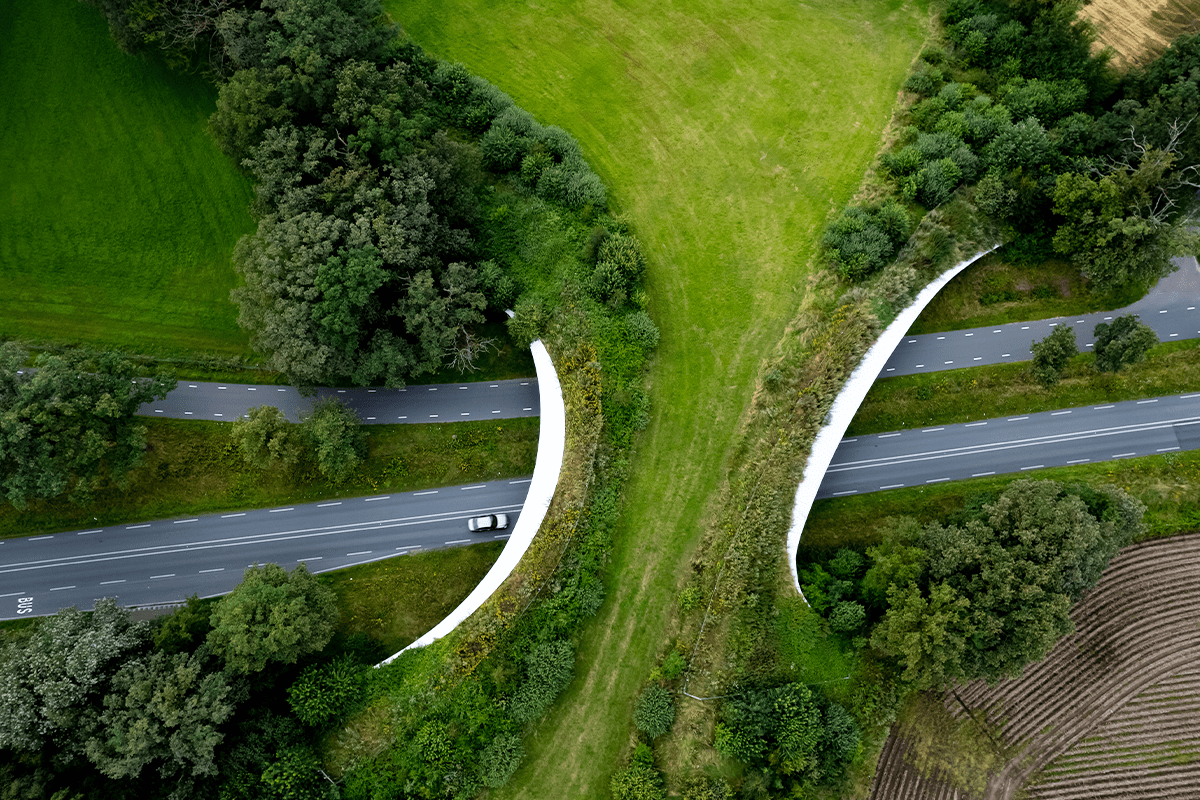
Trails in urban environments also offer a vital contribution to environmental sustainability and urban ecology. Green trails—those that run through parks, alongside rivers, or in green corridors—are essential for preserving urban biodiversity. They provide habitats for local flora and fauna, allowing for the movement of species through the city. In this sense, trails act as ecological connectors, linking fragmented ecosystems and promoting biodiversity in the urban landscape.
Moreover, trails encourage people to interact with their environment in a way that fosters environmental awareness. For example, trails that run along rivers or through forests might prompt walkers or cyclists to appreciate the natural beauty of their surroundings and become more invested in conservation efforts. These green spaces become classrooms for environmental education, teaching urbanites about the importance of ecological balance and sustainability.
Trails can also serve as a solution to the urban heat island effect. By integrating green infrastructure such as trees and vegetation along trails, cities can combat rising temperatures caused by concrete and asphalt. The trees along a trail not only provide shade for walkers but also help to cool the surrounding air, improving air quality and making the city more livable.
In some cities, such as Seoul with its Cheonggyecheon Stream revitalization, old industrial spaces and neglected urban infrastructure have been transformed into green corridors, offering both ecological benefits and improving the overall quality of urban life.
Economic Development and Urban Revitalization
Urban trails also have significant economic potential. While their primary role may not seem related to commerce, trails can serve as catalysts for urban revitalization and economic development. When trails are integrated into city planning, they can increase property values, attract tourists, and generate local business opportunities.
For instance, the completion of the Katy Trail in Dallas transformed a once neglected rail corridor into one of the city’s most popular attractions. As a result, the areas surrounding the trail saw a rise in property values, new businesses emerged, and the local economy received a boost. Similarly, in cities with waterfront trails, such as Portland, Oregon, or San Francisco, trails along the water attract visitors, encourage outdoor activities, and stimulate businesses that cater to tourism, from cafes to bike rental shops.
Moreover, trails are increasingly being seen as vital infrastructure that supports not only recreation but also transportation. In many cities, trails are being integrated into bike-share programs, providing both tourists and residents with a sustainable alternative to driving. This model is being adopted in cities like Copenhagen and Amsterdam, where cycling is a primary mode of transport, and trails are central to the city’s transportation network.
By providing safe, convenient routes for walking and cycling, trails help reduce traffic congestion, improve air quality, and contribute to the overall economic vibrancy of a city. Trails thus represent not just an investment in health and social connection but also an investment in a city’s economic and environmental future.
Trails as a Vehicle for Urban Creativity and Identity
Beyond their functional aspects, trails can also serve as powerful vehicles for urban creativity and cultural expression. The design of trails offers opportunities for artists, architects, and urban planners to engage with the city’s history, culture, and identity. The trail itself becomes a canvas for creativity, from public art installations to landscape design that celebrates local heritage.
In cities such as Berlin, the Berlin Wall Trail provides a historical journey, guiding visitors through the remnants of the Berlin Wall while telling the story of the city’s division and eventual reunification. Similarly, the Embarcadero Trail in San Francisco integrates both contemporary and historical elements of the city’s waterfront, offering visitors a chance to explore urban identity through physical space.
Urban trails can also serve as platforms for creativity in the form of public art installations, murals, and sculptures. These pieces of art can transform an ordinary trail into an extraordinary journey, enhancing the aesthetic experience and connecting visitors to the unique character of the city.
The Challenges of Trail Design in Urban Spaces
Despite their numerous benefits, designing and maintaining urban trails presents challenges. Urban spaces are often constrained by limited space, competing priorities, and existing infrastructure. Creating trails that are accessible, safe, and appealing requires careful planning and collaboration between city planners, designers, and the community.
One of the major challenges is ensuring that trails are inclusive and accessible to people of all ages, backgrounds, and abilities. This means considering factors like wheelchair accessibility, safety, lighting, and connectivity to other parts of the city. In some areas, trail routes may need to be elevated or pass through underdeveloped areas that require additional investment in infrastructure.
Another challenge is ensuring that urban trails are safe from crime and environmental hazards. In some cities, poorly lit or poorly maintained trails can become areas of concern for pedestrians, cyclists, and runners. Addressing these issues through community involvement, design, and security measures is essential to the success of urban trails.
Conclusion
In conclusion, urban trails are far more than simple pedestrian pathways. They are powerful tools that can significantly impact the social, environmental, economic, and cultural fabric of a city. They provide essential health benefits, foster social interaction, promote environmental sustainability, and serve as a catalyst for economic growth. As cities continue to grow and evolve, the integration of well-designed trails will be crucial to creating livable, sustainable, and connected urban spaces. The humble trail is not just a path through the city; it is a space that has the potential to shape how we experience and interact with our environment, offering much more power than we might initially realize.