










A single story has the power to shape perceptions, alter histories, and even redefine the trajectory of a culture. But can one narrative really change the fate of an entire culture? This is a question that invites deep reflection on the significance of storytelling, historical narratives, and the profound impact they have on collective identity.
The Role of Storytelling in Shaping Culture
Storytelling is as old as humanity itself. From ancient cave paintings to the epic poems of Homer, from oral traditions passed down through generations to the novels and films of the modern era, stories have always been central to human existence. They provide meaning, offer insight, and shape the values and beliefs of the societies that tell them.
At its core, storytelling is a tool for preserving culture. Every culture has its own set of myths, legends, and historical accounts that define who they are. These stories establish norms, communicate morals, and provide a sense of continuity across generations. They are not mere entertainment; they are the blueprint of a culture’s identity.
But what happens when one story stands out above the rest? What happens when a single narrative captures the collective imagination and changes the way a society sees itself or others? This is where the true power of a story lies: it has the ability to influence not just individuals, but entire civilizations.
The Power of a Single Story
To explore the idea that a single story can change the fate of a culture, let’s consider some historical examples where a singular narrative has had profound cultural consequences.
1. The Epic of Gilgamesh: A Civilization’s Reflection on Mortality
The Epic of Gilgamesh, one of the oldest known works of literature, offers a fascinating example of how a single story can affect the development of a culture. Gilgamesh, the semi-divine king of Uruk, embarks on a journey to find immortality after the death of his friend Enkidu. The epic touches on universal themes of friendship, death, and the search for meaning beyond the material world.
In ancient Mesopotamia, this narrative helped define the culture’s understanding of life and death. The story was not only a reflection on mortality but also a template for the relationship between kings and their people. It conveyed the idea that immortality could not be attained by earthly power alone, urging rulers to focus on the legacy they leave behind through deeds rather than conquest. This story helped to cement the Mesopotamians’ belief in the importance of wisdom, humility, and the acceptance of the human condition.
The Epic of Gilgamesh had a lasting impact on how Mesopotamian culture perceived its place in the world. It emphasized that stories—whether they are of gods or kings—serve as a lens through which the culture makes sense of existence itself. This single story shaped not only the religious beliefs of the time but also the ethical framework within which society functioned.
2. The Bible: A Foundational Narrative for Western Culture
One of the most influential single stories in human history is, without a doubt, the Bible. The Bible is more than a religious text; it is a foundational narrative that has shaped Western culture for over two millennia. The impact of the Bible on law, politics, literature, and philosophy cannot be overstated.
In the Christian tradition, the story of creation, the fall of man, and the redemption through Christ offers a comprehensive view of the human condition. These narratives shaped how Western cultures approached concepts like morality, justice, and governance. The story of Christ’s crucifixion and resurrection, in particular, had a revolutionary effect on the concept of sacrifice, love, and forgiveness.
The Bible also provided the template for Western ideas of social order, ethics, and individual responsibility. It was not just a religious document—it was the lens through which entire cultures understood the world. It defined what it meant to be human, what it meant to be good, and what it meant to have hope. In doing so, it had the power to change the very fabric of Western culture.
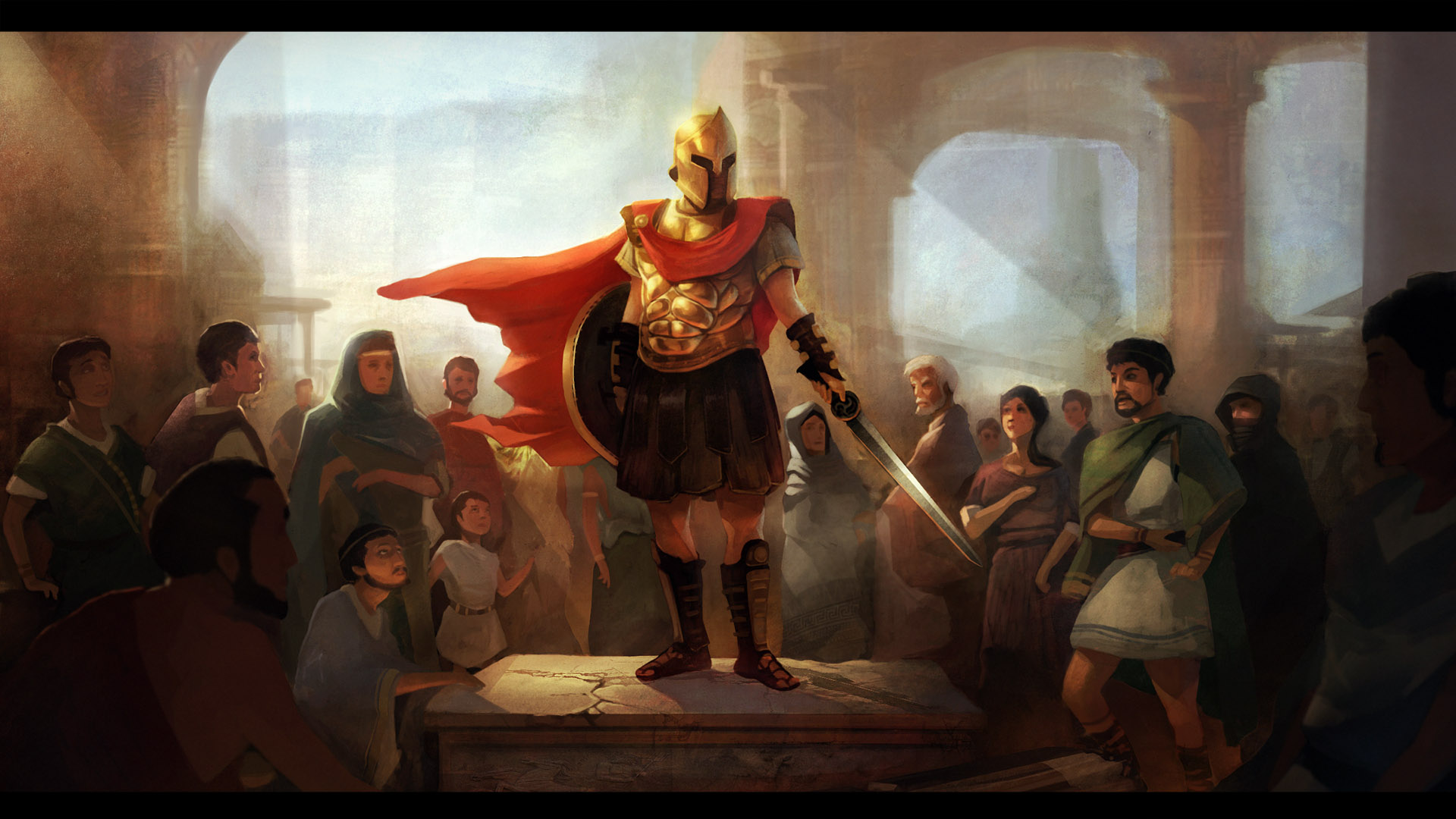
3. The Tale of the Trojan War: Myth, Legend, and National Identity
Another compelling example of how a single story can impact a culture is the myth of the Trojan War. This epic tale, primarily recounted in Homer’s Iliad and Odyssey, has influenced Greek identity and Western notions of heroism and tragedy.
The story of Achilles, Hector, and the fall of Troy speaks to the ideals of bravery, honor, and the destructive consequences of pride. It shaped the Greek conception of what it meant to be a hero—values that permeated Greek philosophy, art, and politics. But more than that, the myth helped forge a sense of shared identity among the Greek city-states. The fall of Troy was a symbolic unification of disparate peoples under a single narrative.
Moreover, the Trojan War has influenced how cultures throughout history perceive war, leadership, and the complexities of human ambition. From the perspective of Greek culture, the myth helped define their heroic tradition and gave shape to their worldview. It set the stage for later philosophical discussions on fate, free will, and the ethics of war—issues that resonate even in modern times.
The Modern Impact: How One Story Can Shift a Culture’s Path
While these historical examples demonstrate the long-term power of single stories, the impact of a singular narrative in modern times is no less significant. The 20th and 21st centuries have seen the rise of mass media, which has allowed a single story to reach global audiences and change entire societies.
1. Harriet Beecher Stowe’s Uncle Tom’s Cabin: A Story that Sparked a Revolution
One of the most famous examples of a single story changing the course of history is Harriet Beecher Stowe’s Uncle Tom’s Cabin. Published in 1852, this novel exposed the horrors of slavery to a wide audience in the United States and Europe. While slavery was not a new issue, Stowe’s story humanized the enslaved and made their suffering palpable to readers who may have otherwise been indifferent or unaware.

The novel had a profound impact on public opinion in the United States, fueling the abolitionist movement and contributing to the Civil War. The story of Uncle Tom, his suffering, and his faith struck a chord with readers, challenging the moral conscience of a nation. It turned slavery from a political issue into a deeply emotional one, a cultural issue that could no longer be ignored.
In this case, a single story changed the fate of a culture by sparking social upheaval and redefining what was acceptable in society. Stowe’s book helped to catalyze a movement that ultimately led to the end of slavery in the United States and had far-reaching consequences for the global struggle for human rights.
2. The Story of Anne Frank: A Global Symbol of Human Resilience
The diary of Anne Frank, published posthumously as The Diary of a Young Girl, has become one of the most powerful narratives of the Holocaust. Frank’s story is a poignant reminder of the horrors of war, the impact of prejudice, and the strength of the human spirit in the face of unimaginable suffering.
Anne Frank’s diary not only captured the personal struggles of a Jewish girl hiding from the Nazis but also became a symbol of the resilience of the human spirit. The story of her life and death has transcended cultural boundaries and has become an essential part of Holocaust education worldwide. It serves as a warning about the dangers of intolerance and the importance of preserving human dignity, even in the darkest of times.
In this case, a single story has shaped the collective memory of a culture and beyond. The legacy of Anne Frank has influenced how generations across the globe approach issues of discrimination, human rights, and the importance of remembrance. Her story has played a crucial role in shaping modern conceptions of justice and equality.
The Influence of a Story on Cultural Identity
What these examples illustrate is that a single story can significantly alter the fate of a culture by shifting its collective identity. Whether it’s the myth of Gilgamesh, the narrative of the Trojan War, the teachings of the Bible, or the social justice impulse sparked by Uncle Tom’s Cabin, these stories have helped define the values, beliefs, and actions of entire societies.
In a sense, stories are the DNA of culture. They encode the collective wisdom, fears, hopes, and dreams of a society, and they provide a template for how to navigate the world. The stories a culture tells, and the stories it values, shape its future.
This phenomenon is not limited to history or literature. In today’s world, a single story—whether told through social media, film, or literature—can spread across the globe and inspire massive social change. For example, the #MeToo movement, which began with the simple story of one woman’s struggle against sexual harassment, has evolved into a global conversation about power, consent, and gender equality. A single story, in this case, led to a profound cultural shift that is still reverberating around the world.
Conclusion: The Power of One
The power of a single story to change the fate of a culture is undeniable. From ancient myths and religious texts to modern narratives of social justice, stories have the potential to influence and reshape the course of history. They provide a window into the collective soul of a culture, offering insights into its values, fears, and hopes.
A single story can serve as a catalyst for transformation, challenging norms, reimagining possibilities, and inspiring action. Whether it’s through literature, film, or social media, stories continue to shape our world in profound ways. In the end, we are not just the sum of our experiences but also the stories we tell—and these stories, more than anything, have the power to change the fate of a culture.