











Introduction
In many parts of the world, Indigenous cultures regard specific trails, paths, and routes as sacred. These trails hold deep cultural, spiritual, and historical significance that transcends their mere function as physical pathways. The reverence and respect surrounding these trails speak to a deeper connection between people and the land, where the landscape is not only seen as a backdrop to human activity but also as an integral part of identity, tradition, and spiritual practice.
In this article, we will explore why some trails are considered sacred by Indigenous peoples, examining the cultural, spiritual, ecological, and historical factors that contribute to this belief. We will also consider how these sacred trails are preserved, protected, and respected, both by Indigenous communities and outsiders.
1. Sacred Geography and the Power of Place
In many Indigenous cultures, the land is seen as alive, imbued with spiritual significance. Trails are not just physical paths to travel from one place to another; they are often seen as living, breathing extensions of the cosmos, carrying with them the essence of ancestors, spirits, and historical events. Sacred geography, a concept rooted in many Indigenous worldviews, holds that particular places in nature—be it mountains, rivers, or trails—are charged with spiritual meaning. These places are often considered as portals to the divine or as locations where powerful ancestral spirits reside.
For example, in many Native American cultures, the land itself is considered to be a map of spiritual and ancestral connections. The physical act of walking a trail can be seen as a way to reconnect with these ancient forces, aligning the physical journey with spiritual and ritual significance.
2. Trails as Ancestral Pathways
Indigenous cultures often view trails as pathways of their ancestors, providing direct links to the past. Many trails are said to have been traveled by ancestors in ancient times, and these paths are woven into the stories, myths, and oral traditions of a people. These trails are more than just routes—they are seen as sacred because they represent the footprints of ancestors, the continuation of tradition, and the unbroken connection between past and present.
For instance, the Pacific Crest Trail in the United States, while used by modern hikers, follows ancient migration routes of Indigenous peoples. To many Native groups, these trails are not only routes for physical travel but also for spiritual and cultural continuity. Walking these same paths is a way of honoring the ancestors who once walked them, keeping alive the wisdom, stories, and practices of those who have passed.
3. Spiritual Significance and Rituals
Many Indigenous cultures use specific trails as sites for spiritual rituals, ceremonies, and pilgrimages. These trails often lead to sacred sites, such as mountains, caves, or lakes, that are believed to be imbued with spiritual power. The journey along these trails is often accompanied by prayer, fasting, or other forms of ritualistic preparation.
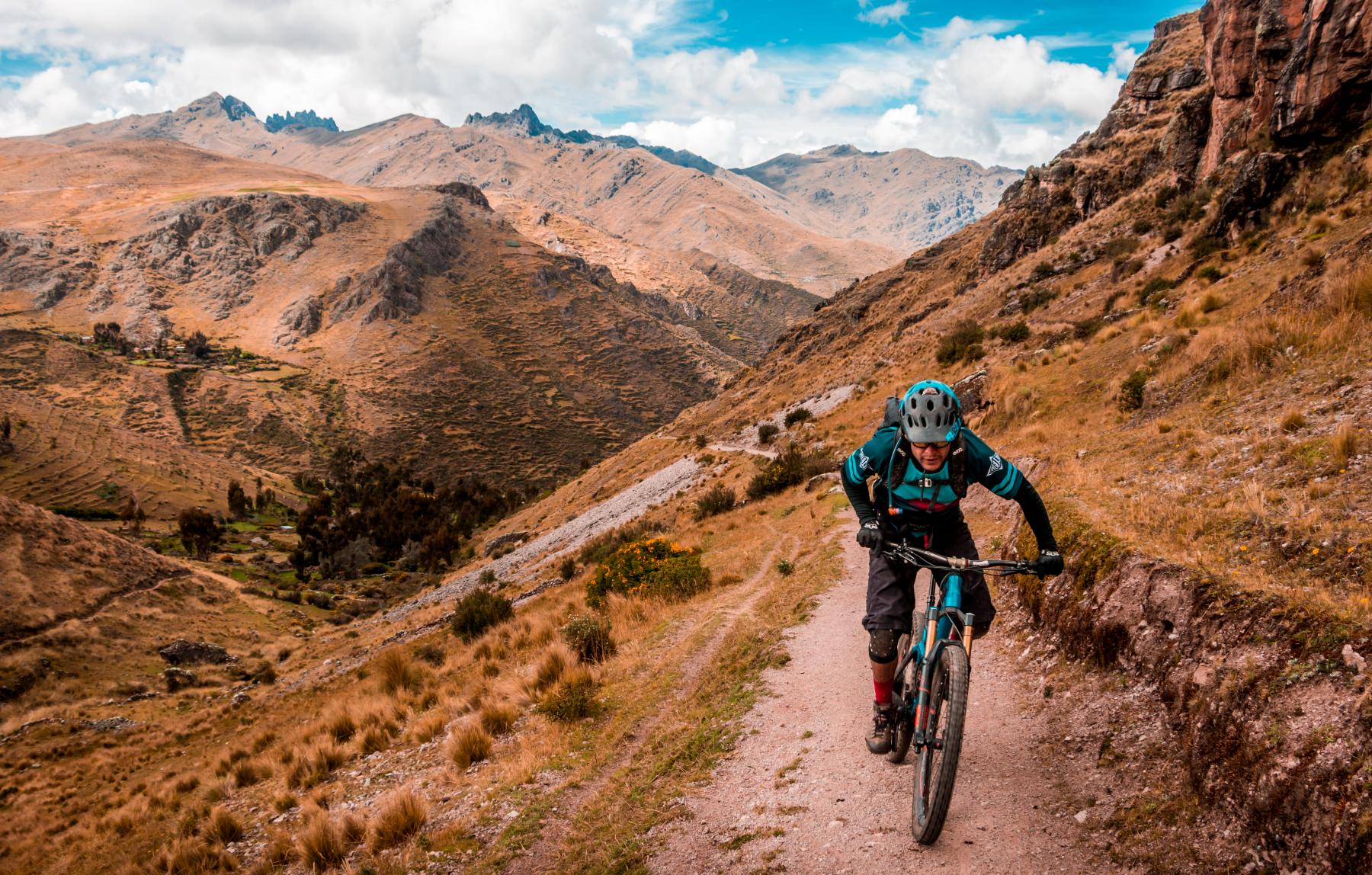
For example, in the Andes, the Qhapaq Ñan, or “Inca Road System,” consists of trails that were used for religious pilgrimages, especially to sacred sites like Machu Picchu. The trails were not only used for trade and transportation but also to connect the people to the spiritual world. The act of walking these trails was believed to offer spiritual renewal, healing, and a deeper understanding of one’s place in the world.
In other regions, such as Australia, Indigenous groups like the Anangu have sacred trails that connect sacred sites across vast expanses of land. These routes are considered both literal and metaphorical pathways of creation, linking the physical world to the Dreamtime, the spiritual realm in which ancestors and the creation of the world reside.
4. Ecological Knowledge and Conservation
Indigenous people often possess profound ecological knowledge that is tied to the land, and this knowledge is passed down through generations, often in the form of oral traditions. Sacred trails are frequently linked to sustainable practices of resource management, and these routes often lead to areas that are important for conservation, such as hunting grounds, fishing areas, or medicinal plant sites.
In some cultures, the care and maintenance of sacred trails go hand-in-hand with the protection of the surrounding ecosystem. Trails are seen not just as paths to travel but as vital components of the larger environmental system. The careful, respectful movement along these trails ensures that sacred sites and resources remain protected for future generations.
For example, the Māori people in New Zealand have long viewed the Tongariro Alpine Crossing as a sacred site. The land surrounding this trail is rich with flora and fauna, and its spiritual significance is intertwined with its ecological value. The Māori have long used the trail for ceremonial purposes, but they also maintain a deep knowledge of the local ecosystem, ensuring that their activities align with sustainable practices.
5. Connection Between Humans and Nature
A central tenet of many Indigenous worldviews is the belief in the interconnectedness of all living beings. In this context, trails are more than just routes for human movement; they represent pathways through which humans can engage with the natural world. Indigenous peoples see themselves not as separate from nature, but as part of an intricate web of life.
Sacred trails, in particular, embody this relationship. Walking these trails allows people to reconnect with the land, affirming their place in the world and acknowledging the life force of nature. This connection is often cultivated through direct interaction with the land, such as walking barefoot, observing the rhythms of the environment, and engaging in activities that reinforce the spiritual and ecological significance of the trail.
For instance, the Nuu-chah-nulth peoples of the Pacific Northwest maintain trails that connect the coastal environment with the interior forests and mountains. These routes are not only traversed for physical reasons but to foster a relationship with the land. The trail serves as a reminder that the natural world is sacred, and every step taken along it is an act of respect and reverence.
6. Preserving Sacred Trails in the Modern World
In the modern age, sacred trails often face threats from development, tourism, and environmental degradation. This creates tension between the desire to preserve these sacred spaces for future generations and the pressures of modernization. Many Indigenous communities are working to protect these trails through legal frameworks, land rights advocacy, and environmental stewardship.
One notable example is the Glen Canyon area in the southwestern United States, home to several sacred trails for Native American tribes such as the Navajo and Hopi. The creation of the Glen Canyon Dam in the mid-20th century submerged many of these sacred sites under water, sparking a decades-long battle for the recognition of the importance of these lands.

Through legal action, cultural advocacy, and the use of technology to map and document sacred spaces, Indigenous groups are fighting to safeguard these trails. This includes working with government agencies and conservation organizations to ensure that these trails remain protected and respected by all who visit them.
7. The Role of Tourism and Cultural Appropriation
While some sacred trails have become popular tourist destinations, the commercialization of these routes can create tensions between Indigenous communities and outsiders. Tourism often brings financial benefits but also brings the risk of cultural appropriation, disruption of spiritual practices, and environmental degradation.
For example, in Hawaii, the sacred trail to Pu‘u o Mahuka Heiau is a site of great spiritual significance to Native Hawaiians. However, increased tourism and commercialization of the area have led to concerns about the disrespectful behavior of some visitors who do not understand the sacredness of the site.
Many Indigenous groups are now working to educate tourists about the significance of sacred sites, urging respect and mindfulness while traveling along these paths. In some cases, Indigenous communities have sought to limit access to certain sacred trails, ensuring that only those with proper knowledge, understanding, and respect are allowed to enter.
8. Conclusion: Walking the Sacred Path
Sacred trails are not just paths that connect different points on a map. They represent the living, breathing relationship between Indigenous peoples and their environment, embodying the interconnectedness of the spiritual, cultural, and natural worlds. These trails are reminders of the importance of honoring the land, respecting ancestors, and maintaining sustainable relationships with the earth.
By understanding the sacredness of these trails and the deeper meanings they hold, we can foster greater respect for Indigenous cultures, traditions, and spiritual practices. The next time we walk a trail, we can consider the layers of history, ecology, and spirituality that may lie beneath our feet, reminding us that we, too, are part of the long and sacred journey of the land.