











Introduction
Minimalism has become one of the most dominant design philosophies of the 21st century. From product design to websites, architecture, and graphic art, the concept of “less is more” has resonated deeply with both creators and consumers. It speaks to the modern desire for clarity, simplicity, and functionality. Yet, as the world evolves and tastes shift, one must ask: Is minimalism in design losing its charm? Is the once-celebrated trend now showing signs of fatigue, or is it simply evolving into something new?
In this article, we will explore the trajectory of minimalist design, its current status, and the broader cultural and technological forces shaping its future. We’ll look at the rise and fall of minimalism, its relevance today, and whether it is still the go-to aesthetic or if it’s being replaced by new design sensibilities.
The Rise of Minimalism: A Quick History
To understand where minimalism stands today, we first need to appreciate its origins. Minimalism, as a movement, can be traced back to the mid-20th century, particularly in the art and architecture world. Pioneers like Donald Judd, Frank Stella, and Ludwig Mies van der Rohe rejected the excessive ornamentation of previous styles, advocating for purity, simplicity, and functionality.
In design, the minimalist movement gained serious traction in the 2000s with the rise of digital technology. The clean interfaces of early Apple products, the widespread adoption of flat design in web and mobile interfaces, and the advent of user-centered design all played a role in embedding minimalism into everyday life. The goal was clear: create designs that were aesthetically pleasing but not distracting, functional but not overloaded, clean but full of purpose.
Apple’s iPhone, with its sleek interface, single button, and user-friendly experience, became the poster child for minimalist design. Websites followed suit, adopting simple layouts, ample white space, and a focus on usability. This approach to design wasn’t just about aesthetics—it was about creating a seamless user experience.
Minimalism Today: Overexposed, or Still Thriving?
While minimalism continues to dominate many design fields, there’s a growing sentiment that it may be losing its charm. It’s no longer a revolutionary or cutting-edge style. In fact, for some, it feels a little too familiar, a little too ubiquitous. What was once an avant-garde design choice has now become a default.
1. Over-saturation and Homogenization
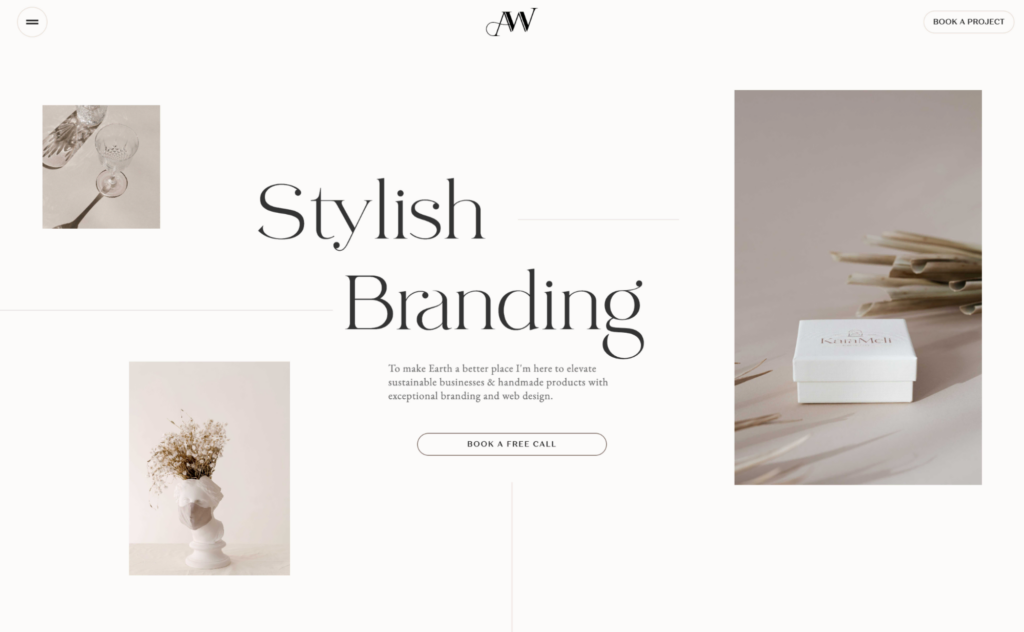
One of the major criticisms of minimalism today is its saturation. Take a stroll through any tech website or mobile app and you’ll find the same sterile, white-space-heavy designs. Sleek sans-serif fonts, monochromatic color schemes, and uniform layouts dominate. The trend has spread so far and wide that it’s hard to distinguish one brand’s design from another.
What once felt fresh has now become ubiquitous. As more brands and websites adopt the same minimalist principles, the result is an overwhelming sense of sameness. When everything looks minimalist, nothing stands out.
2. The Desire for Personalization
Today’s consumers are increasingly looking for personalization. With so many mass-produced products and experiences, people want something that feels uniquely tailored to them. Minimalism, in its purest form, can feel too standardized or impersonal. As we move further into an era of hyper-connectivity and mass customization, people crave designs that reflect individuality.
In product design, for example, we’re seeing a shift towards bold colors, patterns, and unique textures. A recent trend in web design, for instance, is the rise of “maximalism,” which plays with complexity, layering, and rich visual details. The clean lines and stark simplicity of minimalism are being traded for more engaging, tactile experiences.
3. Complexity and Layered User Experiences
The digital world is also evolving in ways that are less suited to minimalism. The applications and websites we interact with today are more complex than ever before, offering users highly detailed interactions and functionality. For example, social media platforms have moved far beyond simple profiles and news feeds—they now include multiple features, micro-interactions, and layers of data.
Minimalism, with its emphasis on “clean” design and simple interfaces, sometimes struggles to accommodate the rich, layered experiences that modern users have come to expect. As user expectations evolve, the simple layouts of yesteryear may feel outdated in comparison to the more immersive, engaging experiences users now desire.
Minimalism’s Evolution: Is It Dead or Just Changing?
Despite these critiques, minimalism is far from dead. Instead, it is undergoing a transformation. Just as any design movement evolves, so too does minimalism.
1. The Emergence of “Neo-Minimalism”
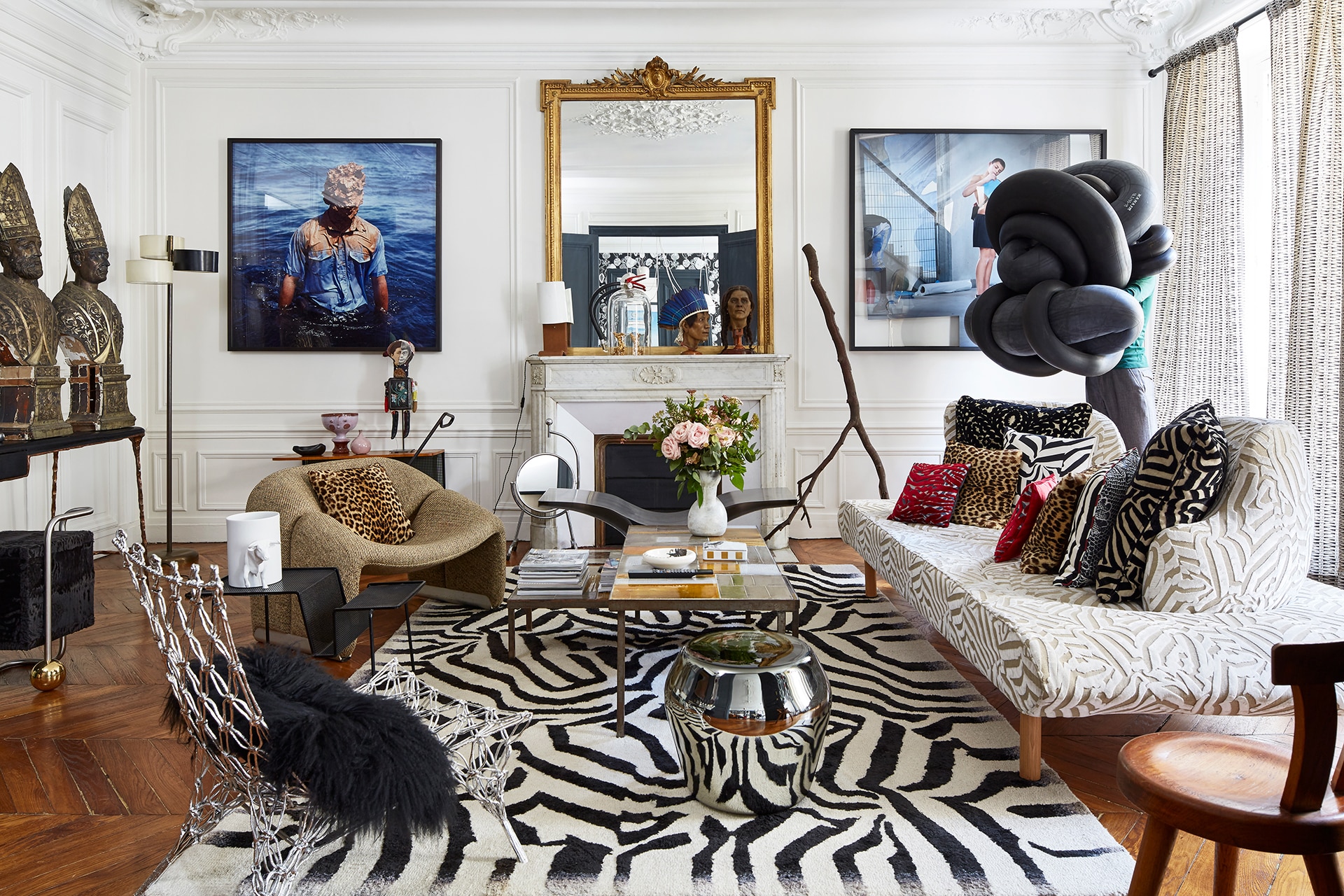
Some designers are pushing minimalism into a new realm by combining it with other design elements. “Neo-minimalism” is the blending of minimalist principles with a touch of maximalism or unexpected design elements. For instance, designers may add bold color accents or play with unusual textures, all while maintaining a clean and functional layout. This hybrid approach provides the best of both worlds—clarity and simplicity, paired with a sense of individuality and uniqueness.
2. The Role of Technology in Evolving Minimalism
Technological advancements also play a significant role in the evolution of minimalist design. The rise of artificial intelligence, augmented reality (AR), and virtual reality (VR) offers new ways to design with minimalism in mind. For instance, in VR and AR interfaces, a minimalist approach might be necessary to avoid overwhelming users with too much information or too many visual elements. However, these new environments also provide opportunities for richer, more interactive experiences, and it’s in this intersection that minimalism will likely thrive.
3. Sustainability and Eco-Conscious Design
Another area where minimalism is finding new life is in the realm of sustainability. As the world becomes more eco-conscious, there’s a growing interest in designing products and experiences that are not only simple but also sustainable. Minimalist design aligns well with the principles of sustainability—focusing on what is essential, reducing waste, and encouraging longevity.
Brands that emphasize minimal packaging, efficient manufacturing processes, and timeless design are becoming more desirable. This intersection of minimalism and sustainability is a space where the philosophy of “less is more” still holds great appeal.
The Future of Minimalism: A Design Philosophy in Flux
So, is minimalism losing its charm? Not necessarily. However, like all trends, it’s subject to change and adaptation. While some aspects of minimalism may feel overdone or stale, its core principles—simplicity, functionality, and clarity—remain relevant. The future of minimalism might not be a strict adherence to its original form, but rather a more nuanced, flexible interpretation that allows for greater expression and individuality.
Designers are already experimenting with ways to keep minimalism fresh, blending it with other styles, embracing new technologies, and aligning it with current cultural and environmental concerns. As long as there are new challenges and new ways of interacting with the world, there will always be a place for minimalist design—whether in its traditional form or as a dynamic, ever-evolving philosophy.
Conclusion
In conclusion, while it may seem that minimalism has lost some of its initial charm, the truth is that it is simply evolving. What once began as a radical departure from ornate design has now integrated into mainstream culture, showing up everywhere from tech interfaces to home decor. However, its future lies not in stagnation, but in its adaptation to new technologies, changing consumer preferences, and global challenges.
Rather than disappearing, minimalism in design is becoming more nuanced. It is shedding its rigid formality and embracing flexibility. So, no—minimalism isn’t dead, but it is undergoing an exciting transformation. Whether it will continue to dominate the design world or be replaced by new trends is yet to be seen, but one thing is certain: the beauty of simplicity will always have a place in design.