











The concept of a villain is deeply ingrained in storytelling. Whether we’re reading an ancient myth, watching a film, or playing a video game, villains occupy a central role that is often as intricate, compelling, and engaging as the heroes themselves. The reason for this lies in the psychology of character development, the thrill of conflict, and the complexities of moral ambiguity. In a world where clear lines between good and evil are increasingly blurred, villains have become essential vehicles for exploring deeper themes of power, identity, and choice. But what is it about a villain’s story that draws us in so forcefully? Why do we sometimes root for the antagonist, or at least become fascinated with their journey?
1. The Complexity of Villainy: More than Just Evil
A well-crafted villain isn’t merely a personification of evil. They are often multi-dimensional characters who are as complex as they are destructive. Their stories can invoke empathy, force us to question our perceptions, and even challenge our understanding of right and wrong. At their core, compelling villains are often the result of something deeply human: a combination of fear, anger, past trauma, and unmet desires.
One reason villains are so captivating is that they often reflect the darker aspects of human nature, ones we rarely confront directly in our own lives. Whether driven by revenge, greed, or a desire for power, villains show us what happens when ambition, pain, or a warped sense of justice takes over. Their motivations are often rooted in experiences and emotions that echo with our own, even if their actions remain extreme.
Take, for example, Darth Vader from Star Wars. His transformation from Anakin Skywalker, a heroic Jedi Knight, into a ruthless Sith Lord, is a study in tragedy. His fall from grace is not simply due to an overwhelming desire for power, but because of fear — fear of losing those he loves, fear of being powerless to prevent death. Vader’s villainy becomes compelling because it’s not the result of malice alone but an internal struggle that anyone can relate to.
2. The Villain as a Mirror to the Hero
In many cases, the villain’s story is a mirror to the hero’s. Villains are not just antagonists but foils — characters whose actions, decisions, and ideologies parallel or contrast with the hero’s. This mirroring effect makes the conflict more layered and nuanced, enhancing the stakes of the narrative. Through their rivalry, the hero is often forced to confront their own values, flaws, and limits.
Consider the dynamic between Batman and the Joker in The Dark Knight. While Batman’s sense of justice is driven by a desire to restore order, the Joker’s aim is to expose the chaos inherent in human nature. The Joker is not simply a force of destruction but a reflection of Batman’s own darker impulses — a reminder of what he could become if he loses his sense of purpose or abandons his moral code. Their battle isn’t just physical; it’s ideological, and that makes the Joker far more than a mere villain — he’s a mirror that forces Batman, and the audience, to question the very nature of justice.

3. The Tragic Hero Syndrome: Villains as Fallen Heroes
One of the most compelling aspects of a villain’s story is their origin. Many great villains were once heroes — or at least, individuals with noble intentions. This tragic descent into villainy makes their journey all the more poignant. These characters are not born evil; instead, their stories are often about a fall from grace, a corruption of ideals, or a betrayal of self.
This archetype is particularly powerful because it humanizes the villain. It shows how someone who once fought for good can be corrupted, not by an inherent desire for destruction, but by their own flaws, vulnerabilities, and misguided choices. We are often left wondering: Could we, under similar circumstances, have taken the same path?
Consider Breaking Bad’s Walter White. He begins as a mild-mannered chemistry teacher who turns to manufacturing methamphetamine after being diagnosed with cancer, hoping to provide for his family. His story is one of gradual moral erosion, where his initial justifications — to secure his family’s financial future — are slowly overtaken by his hunger for power and control. Walter’s journey is a tragic one, and by the end, his villainous persona feels less like a leap into evil and more like a slow, inevitable descent into darkness.
4. The Allure of Power and Control
Another reason villainous stories captivate us is because they offer a glimpse into the allure of power and control. Villains often seek to dominate, manipulate, or reshape the world around them according to their own vision. Their pursuit of power becomes a central part of their identity, and in many ways, this makes them more fascinating than the typical hero, who is often constrained by moral or ethical codes.
Villains like Game of Thrones’s Cersei Lannister, or The Hunger Games’s President Snow, provide insight into the intoxicating nature of power. For these characters, the quest for control is not merely about domination for its own sake — it’s about securing their place in a world they perceive as chaotic or unjust. Power, for them, becomes both a means of survival and a tool for reshaping society on their terms.
The villain’s relationship with power often raises important philosophical questions: How far would you go to secure your safety or ensure the survival of your loved ones? Is the pursuit of control ever justifiable, or is it inherently corrupting? These are questions that make a villain’s story all the more compelling, as they tap into universal themes of ambition, fear, and the human desire for dominance.
5. The Temptation of Evil: The Seduction of Darkness
Another important aspect of the villain’s story is the temptation of evil. Many villains are drawn to darkness not because they are inherently bad, but because evil offers an easier, more immediate path to achieving their goals. This seductive nature of evil often poses the greatest challenge to the hero, who must resist these temptations while trying to preserve their moral integrity.
This theme is vividly explored in stories like The Lord of the Rings, where characters like Gollum and Saruman are tempted by the power of the One Ring. The ring represents an easy way to achieve dominance, but it comes at the cost of their humanity. This theme is also central to The Devil’s Advocate, where Keanu Reeves’ character is seduced by power and success, only to realize that these things come with devastating consequences.
In this sense, the villain’s story is often a cautionary tale about the dangers of unchecked ambition, the seductive power of darkness, and the personal cost of making deals with forces that seek to corrupt.
6. The Villain’s Story as a Catalyst for Heroism
Finally, a villain’s story is compelling because it often serves as a catalyst for the hero’s development. Without villains, there would be no heroes. The conflict that arises from the clash between good and evil pushes the hero to evolve, to test their beliefs, and to grow. A villain’s actions often force the hero to confront challenges, make difficult choices, and ultimately prove their worth.
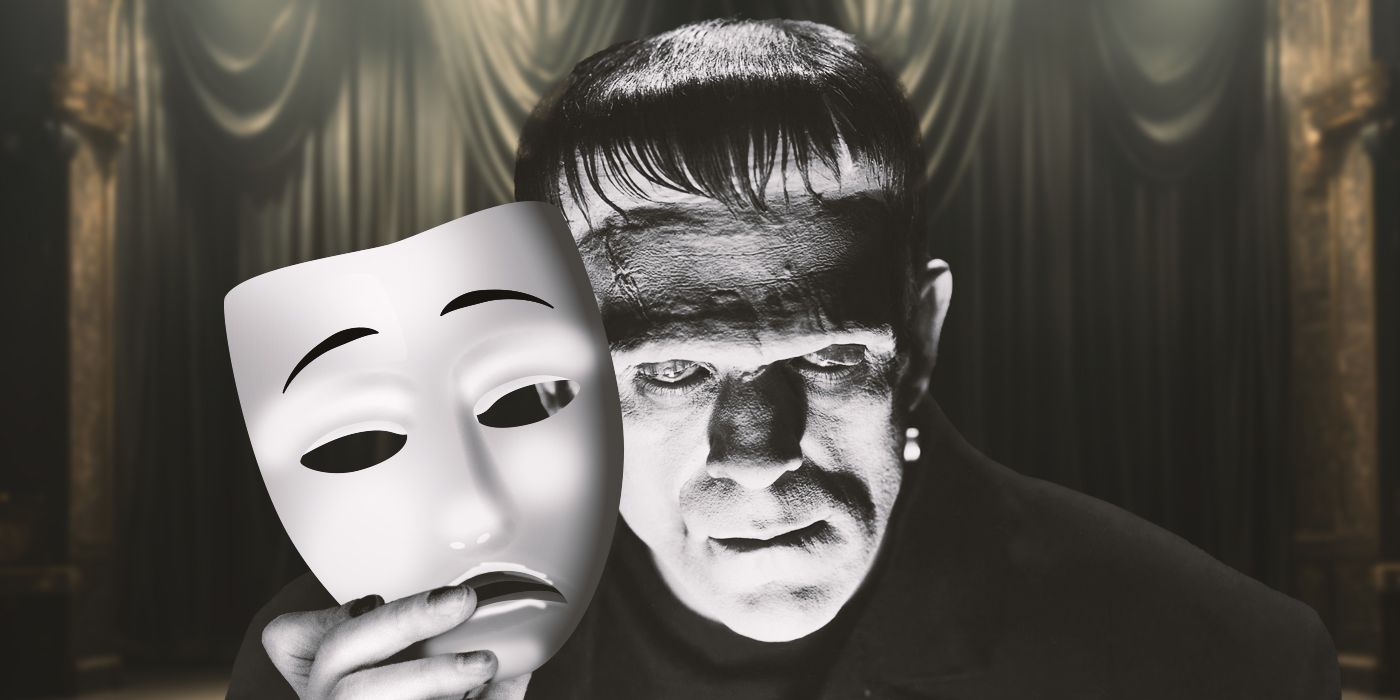
The villain’s story adds tension and complexity to the hero’s journey, making it more than just a series of battles or challenges. The villain serves as a mirror that reflects the hero’s growth and transformation. For example, in The Lion King, Scar’s usurpation of the throne and Simba’s eventual return are two sides of the same coin. Simba’s journey to reclaim his rightful place as king is driven by the very evil Scar represents.
7. Villains as Philosophical Archetypes: The Nature of Evil
What makes a villain truly compelling is their philosophical nature. Villains often embody ideologies or beliefs that challenge the status quo. This isn’t always about outright malevolence; rather, it’s about presenting a different worldview — one that may be just as valid or flawed as the hero’s. In this way, the villain’s story becomes a philosophical exploration of morality, justice, and the nature of good versus evil.
Think of The Matrix’s Agent Smith. While he is undoubtedly a villain, his philosophy of “freedom through destruction” represents an interesting challenge to the notion of individual autonomy. He believes that human beings are a virus upon the Earth, and in his mind, the destruction of humanity is an act of liberation.
In this way, villains challenge our perceptions of what is right, making their stories intellectually stimulating as well as emotionally engaging.
Conclusion: Why Villains Matter
In the grand tapestry of storytelling, villains are more than just obstacles for the hero to overcome. They are crucial figures who provide depth to the narrative, mirror the hero’s journey, and allow for the exploration of complex themes about power, morality, and identity. Their stories are often tragic, offering a glimpse into the darker side of human nature, and they compel us to question our own values and assumptions. Whether we love them, fear them, or despise them, villains are essential to the stories we tell, and their compelling journeys make them unforgettable parts of any narrative.