












When we step outside, whether into the wilderness or a park, we often encounter routes that lead us through the landscape. These routes are typically referred to as “trails” or “paths,” but have you ever stopped to consider the difference between the two? At first glance, they might seem similar, and in many cases, the terms may even be used interchangeably. However, they each possess subtle but significant distinctions that not only define their physical features but also their intended purposes and the experiences they offer.
In this article, we will delve into the meanings, uses, and characteristics of both trails and paths, exploring their unique qualities in detail. By the end, you’ll be able to distinguish between the two with ease, and perhaps even find a deeper appreciation for these essential components of our natural and urban environments.
1. Definitions: What Are Trails and Paths?
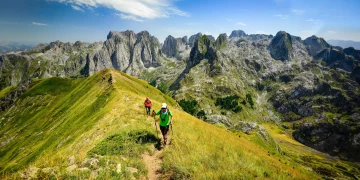
At its core, a trail is a route or track, usually unpaved, that has been intentionally created or worn into the ground by the passage of people, animals, or vehicles. Trails are often found in natural, rugged environments such as forests, mountains, or along rivers. They are generally longer and more difficult to traverse than paths, frequently leading to remote or less-developed areas.
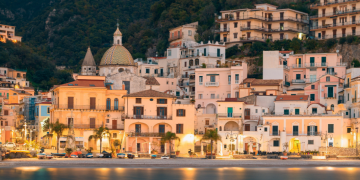
In contrast, a path is a smaller, narrower route, often paved or well-maintained, that connects two points, typically within a town, park, or garden. Paths tend to be shorter and more accessible, offering a more straightforward way of travel.
Despite these basic definitions, the boundaries between trails and paths can be fluid. However, several factors—terrain, usage, and location—help distinguish them more clearly.
2. Physical Characteristics
The most notable difference between a trail and a path is their physical nature.
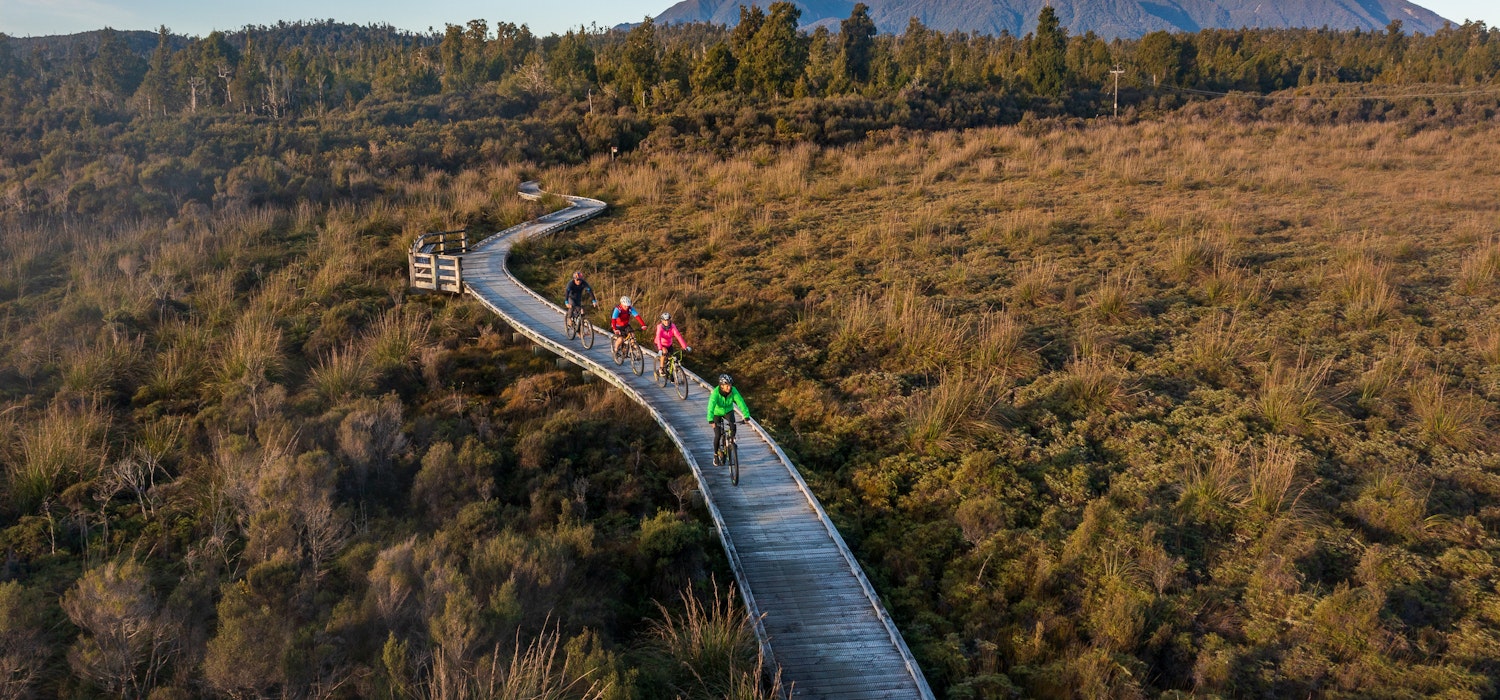
- Trails are generally narrower and rougher. They often wind through forests, mountains, or fields, where the terrain can be uneven and difficult to navigate. A trail can be a simple dirt track or a more advanced, carefully managed route like the Appalachian Trail, which requires significant effort and physical stamina to complete.
- Paths, on the other hand, are typically smoother, shorter, and more regular. They may be paved with materials such as asphalt, concrete, or bricks. Urban parks, residential neighborhoods, and city streets often have well-maintained paths to provide pedestrians with convenient access to different locations.
The surface of a trail may consist of dirt, rocks, gravel, or even snow, making it more challenging and more rewarding for outdoor enthusiasts, hikers, and bikers. Meanwhile, paths are commonly designed for convenience and accessibility, making them ideal for leisurely strolls, running, or even biking on smooth terrain.
3. Location and Environment
The environment in which trails and paths are found can vary significantly.
- Trails are often located in natural settings—forests, mountains, and wilderness areas. These trails typically offer access to remote or protected locations like national parks, reserves, or scenic vistas. For instance, the Pacific Crest Trail in the U.S. stretches over 2,600 miles through mountainous terrain, providing access to some of the country’s most rugged landscapes.
- Paths, by contrast, are more commonly found in urban and suburban settings. They’re often seen in parks, gardens, or along city streets. A good example of a path might be the ones found in botanical gardens, where visitors can leisurely stroll from one section to another, taking in the beauty of the plants and flowers.
Essentially, the environment determines whether you will be walking on a trail or a path. If you find yourself heading deep into the wild or embarking on a longer hiking journey, you’re most likely on a trail. If you’re taking a leisurely walk through a park or along a waterfront promenade, you’re probably walking on a path.
4. Level of Maintenance
Maintenance is another key factor that differentiates trails from paths.
- Trails can range from barely marked or maintained routes to well-managed systems of hiking or biking paths. For example, long-distance trails like the Camino de Santiago may be maintained by dedicated organizations, but others, particularly those in remote areas, may be neglected or intentionally left wild. The more rugged the trail, the less maintenance it may require, as the environment itself may reshape or erode the route.
- Paths are typically built and maintained with a higher level of care and regularity. Local governments or private organizations often ensure that paths are smooth, safe, and clear of obstacles. In urban environments, this is especially important, as paths cater to a wide variety of pedestrians, cyclists, and wheelchair users.
In summary, if you’re walking on a smooth, regularly maintained path through a city park, you’re likely to encounter fewer obstacles, while a trail in the wilderness might present challenges, requiring more caution and preparation.
5. Purpose and Usage
The purpose of a trail or path is perhaps the most significant way they differ.
- Trails are typically used for outdoor recreational activities such as hiking, biking, or horseback riding. They may serve as routes for exploring nature, offering adventurers a way to reach scenic overlooks, remote areas, or backcountry campsites. For example, the Inca Trail in Peru is not only a physical route but also a cultural journey, offering trekkers a window into the ancient Incan civilization while crossing dramatic landscapes.
- Paths, on the other hand, are often used for more utilitarian purposes. In urban or suburban areas, paths may serve as shortcuts to get from one place to another, whether it’s to a park, to work, or around a residential area. In rural areas, paths may connect farms, homes, or other small communities.
While both trails and paths are designed to facilitate movement, trails are generally meant for exploration and adventure, while paths tend to focus on providing access to day-to-day locations.
6. Challenges and Experience
Both trails and paths provide a unique experience for those who use them, though these experiences are very different.
- Hiking or biking a trail often comes with challenges. The terrain can be rocky, muddy, or steep, and the weather conditions can vary from sunny to stormy, even within the same day. Trails often provide a more immersive experience in nature, pushing the limits of physical endurance and offering a chance to disconnect from the modern world.
- Walking on a path typically offers a more leisurely and accessible experience. Because paths are often located in populated areas and are well-maintained, they provide easy access to public spaces without the challenges found on trails. Urban paths may even have benches, lighting, and signage to make the experience more enjoyable and convenient.
For some, trails may represent an escape into the wilderness, an opportunity to disconnect from the digital world, and embrace nature’s unpredictable beauty. In contrast, paths offer a structured, often predictable route where the focus can be on relaxation, reflection, or the enjoyment of the surroundings without the strain of a physical challenge.
7. Navigational Features
- Trail signs and markers are crucial for guiding those who venture into the wilderness. Markers such as blazes, trail posts, and maps often indicate the correct path, help hikers stay on course, and alert them to any potential hazards ahead. Trails may also be more difficult to navigate without proper guidance, especially in remote or unfamiliar areas.
- Pathways, especially in urban areas, are often clearly defined by physical barriers, such as fences, walls, or curbs. While it may be less likely to lose your way on a path, many urban paths may still have directional signs to provide guidance on how to proceed, especially in larger parks or cityscapes.
8. Legal and Environmental Considerations

While trails and paths both serve their purposes in facilitating movement, they also come with legal and environmental considerations that can affect their usage.
- Trails, particularly those in wilderness or protected areas, may be subject to environmental regulations and land management rules. Some trails are only accessible during certain seasons to protect the wildlife or vegetation, and access can sometimes be restricted or require permits.
- Paths, especially in urban settings, are often subject to city or municipal laws regarding accessibility, maintenance, and public safety. Local governments are generally responsible for ensuring that paths remain clear and accessible to all members of the public, including those with disabilities.
Understanding these regulations is important for both environmental protection and legal compliance. Whether you are enjoying a remote wilderness trail or a well-maintained path in the city, always make sure you know the rules governing these spaces.
9. The Psychological Impact of Trails and Paths
The choice between a trail and a path can also have psychological effects on those who use them.
- Trails often evoke a sense of adventure, challenge, and even discovery. When people venture into the wilderness on a trail, they are often seeking solitude, physical challenge, and a deep connection to nature. The longer and more difficult the trail, the more it represents a personal journey and an opportunity for self-reflection.
- Paths, by contrast, can provide a sense of security and order. They are familiar and predictable, which can be comforting for those looking for a brief escape or a way to connect with the community without venturing too far from civilization.
In either case, both trails and paths offer a psychological release from daily stresses, but the intensity and nature of that release vary greatly.
10. Conclusion
While trails and paths may appear similar, they serve different purposes and offer distinct experiences. Trails are typically rugged, longer, and more challenging, often found in wilderness settings, while paths are smooth, accessible routes typically found in urban or park environments. Understanding these differences not only helps you choose the right route for your journey but also enhances your appreciation for the spaces that connect us to the natural and built world.
Next time you embark on an adventure, whether it’s a challenging hike on a trail or a peaceful stroll along a path, you’ll have a deeper understanding of what each route offers—and why it’s worth exploring.