










Patagonia, a sprawling region shared by Argentina and Chile, is often described as one of the most breathtaking and unspoiled corners of the Earth. For nature lovers, adventurers, and eco-conscious travelers, Patagonia holds a unique allure that beckons like no other destination. But what is it about this vast, wild region that captivates the imagination of so many? In this article, we will explore the key reasons why Patagonia is so irresistible to nature enthusiasts, from its dramatic landscapes to its eco-friendly ethos.
A Glimpse into Patagonia’s Natural Beauty
Patagonia’s natural landscape is unlike anything else on the planet. It’s an untamed land, sculpted by glaciers, windswept plains, and towering peaks. The region spans over 1 million square kilometers, offering diverse ecosystems that include temperate rainforests, arid steppe, glacial lakes, and jagged mountain ranges. The sheer scale and beauty of Patagonia’s scenery have made it a bucket-list destination for many outdoor enthusiasts.
Majestic Mountains and Glaciers
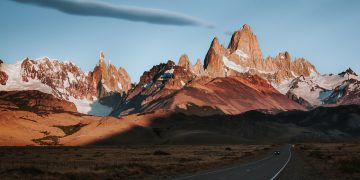
One of the defining features of Patagonia is its mountain ranges, particularly the towering Andes. The peaks of Fitz Roy and Cerro Torre, located in Argentina’s Los Glaciares National Park, are world-famous for their dramatic beauty. These mountains are so steep and jagged that they seem to pierce the sky, drawing rock climbers, trekkers, and photographers from all over the world.
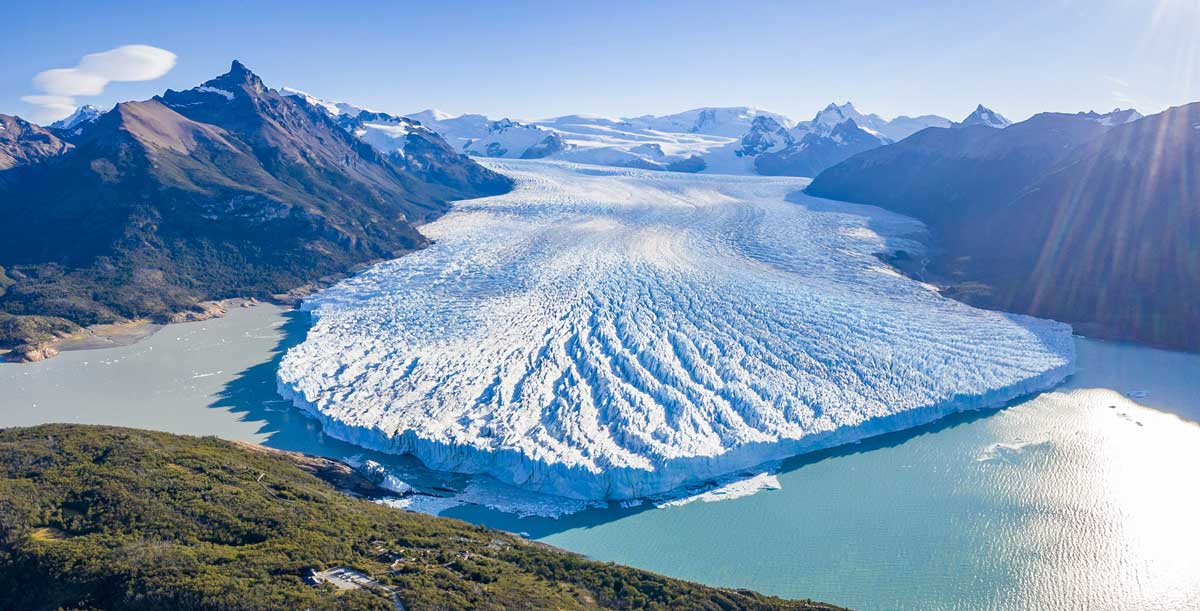
Glaciers, too, are a signature feature of Patagonia. The Perito Moreno Glacier, one of the few glaciers in the world that is still advancing, offers visitors a jaw-dropping spectacle. As massive blocks of ice break off and crash into the waters below, it creates an almost hypnotic display of nature’s raw power.
Pristine Lakes and Rivers
In addition to its rugged mountains and glaciers, Patagonia is home to some of the world’s most stunning lakes and rivers. The crystal-clear waters of Lake Argentino, Lake Viedma, and Lake Nahuel Huapi are a dream for photographers and nature lovers alike. These lakes offer a variety of activities, including kayaking, fishing, and boat tours, allowing visitors to immerse themselves in the serene beauty of the region.
Rivers like the Futaleufú, famous for its turquoise water and world-class whitewater rapids, attract adventurers and thrill-seekers. Whether you’re looking for a peaceful paddle or an adrenaline-pumping adventure, Patagonia’s lakes and rivers offer endless opportunities.
An Eco-Conscious Haven
For nature lovers, Patagonia’s commitment to environmental conservation is perhaps its most appealing feature. The region has been a pioneer in sustainable tourism, prioritizing the preservation of its natural resources while allowing visitors to experience its wonders.
The Birth of Ecotourism
Patagonia has been at the forefront of ecotourism for decades, long before it became a buzzword in the travel industry. In the 1970s, renowned conservationist and adventurer Doug Tompkins, along with his wife Kris, worked to establish the region as a protected zone. Together, they purchased vast tracts of land in Argentina and Chile with the goal of preserving the ecosystem and creating national parks.
Today, the Tompkins Conservation Foundation continues to play a crucial role in preserving Patagonia’s landscapes. The foundation’s work has resulted in the creation of several national parks, such as Chile’s Pumalín Park, which spans over 1,000 square kilometers of temperate rainforest. This eco-conscious approach to tourism has set a high standard for other regions around the world.
Sustainable Travel and Outdoor Gear
Patagonia, the company, has also embraced a philosophy of environmental stewardship. Founded by Yvon Chouinard in 1973, Patagonia is not only a leader in outdoor apparel but also a trailblazer in sustainable business practices. The brand’s commitment to ethical manufacturing, recycling, and reducing carbon footprints has garnered it a loyal following among environmentally-minded consumers. For nature lovers, the connection between the region and the company’s values is a natural fit.
Adventure Opportunities
Patagonia is a paradise for adventurers seeking both the thrill of the wild and the peace of solitude. From mountain treks to wildlife watching, there’s no shortage of ways to explore this pristine region.
Trekking in the Wilderness
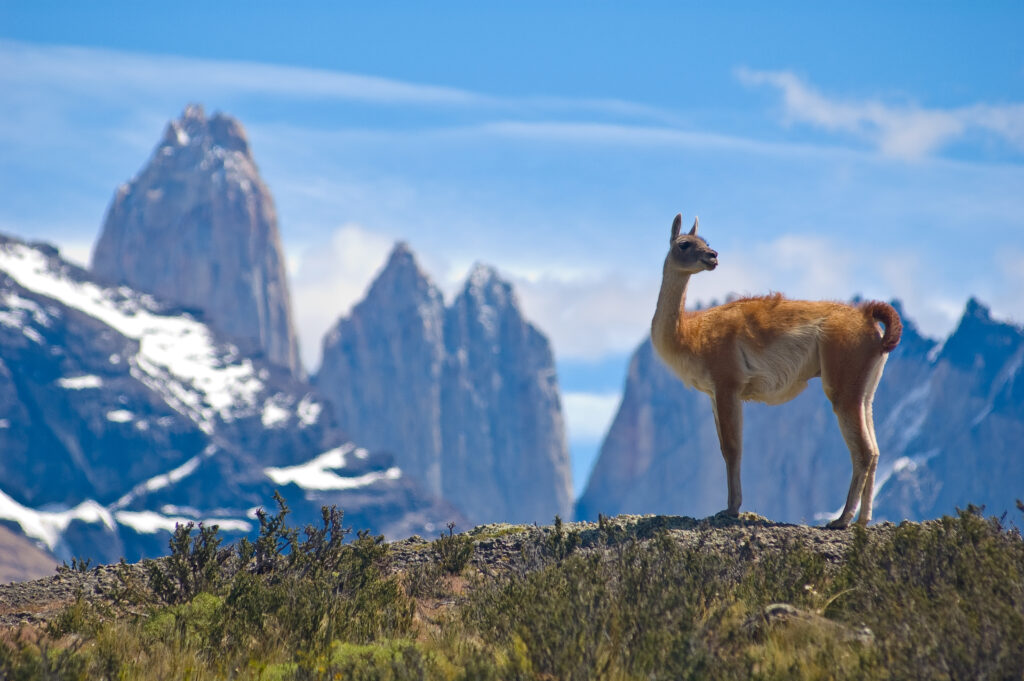
For many nature lovers, Patagonia’s trekking routes are the ultimate draw. The Torres del Paine Circuit in Chile is one of the most famous hikes in the world, offering a challenging 5-9 day trek through glaciers, forests, and meadows, all with the awe-inspiring backdrop of the Torres del Paine mountain range. Similarly, Argentina’s Los Glaciares National Park offers some of the most stunning day hikes in the world, including the Laguna de los Tres hike, which brings trekkers up close to the majestic Fitz Roy mountain.
These treks provide a once-in-a-lifetime opportunity to experience nature in its most raw form—isolated, rugged, and beautiful. For seasoned hikers and those looking for a new challenge, Patagonia offers some of the most incredible trails on the planet.
Wildlife Watching
Patagonia is also a haven for wildlife lovers. Its diverse ecosystems provide a sanctuary for a wide variety of species, some of which can’t be found anywhere else. The region is home to the endangered huemul deer, the elusive puma, and an array of bird species, including the Andean condor and the Magellanic woodpecker.
Marine life thrives along the coast as well. Visitors can take boat tours through the waters surrounding the Valdes Peninsula in Argentina, where they might see southern right whales, elephant seals, sea lions, and penguins. In fact, the Valdes Peninsula is a UNESCO World Heritage site due to its rich biodiversity.
Kayaking and Fly Fishing
For those who prefer water-based adventures, Patagonia offers excellent kayaking and fly fishing opportunities. The pristine rivers and lakes are ideal for paddling, with some of the clearest waters in the world. Fly fishing enthusiasts flock to Patagonia to cast their lines in the region’s crystal-clear streams, hoping to catch the prized Patagonian trout.
A Journey Through Time
Beyond its natural beauty and adventurous opportunities, Patagonia is a place steeped in history and culture. The indigenous peoples who have inhabited this region for thousands of years have left a profound mark on its landscape and heritage.
The Indigenous Mapuche and Tehuelche Peoples
The Mapuche and Tehuelche are two of the most prominent indigenous groups in Patagonia. For centuries, these groups have lived in harmony with the land, shaping the region’s culture and traditions. The Tehuelche people, for instance, are known for their impressive horsemanship, while the Mapuche are renowned for their deep spiritual connection to nature.
Visitors to Patagonia can gain insight into this rich cultural heritage by visiting local museums and cultural centers, which offer a window into the lives and history of the indigenous peoples who have called this region home for millennia.
Early European Exploration
Patagonia also has a fascinating history of European exploration. In the 16th century, Spanish explorer Ferdinand Magellan became one of the first Europeans to set foot in the region. His expedition gave rise to a myth that the indigenous people of Patagonia were giants, a story that fueled European imaginations for centuries.
Why Nature Lovers Are Drawn to Patagonia
In summary, Patagonia is irresistible to nature lovers for a number of compelling reasons:
- Stunning, Unspoiled Landscapes: The rugged beauty of Patagonia’s mountains, glaciers, lakes, and rivers is unmatched in the world.
- Commitment to Conservation: Patagonia’s commitment to preserving its natural resources through eco-tourism and sustainability is a major draw for environmentally-conscious travelers.
- Adventure and Solitude: Whether you’re an avid trekker, climber, kayaker, or wildlife enthusiast, Patagonia offers boundless opportunities to connect with nature in its purest form.
- Rich Cultural History: The region’s indigenous heritage and European exploration history add depth and complexity to its allure.
For those seeking a deep, transformative connection with nature, Patagonia offers a rare opportunity to experience the world in its most untouched and wild state.