









Eastern Europe, often overshadowed by its more popular Western counterparts, is home to some of the most unique, culturally rich, and historically significant destinations on the continent. From bustling cities to serene villages, rugged mountains to pristine coastlines, Eastern Europe offers a wealth of experiences for travelers who dare to venture beyond the beaten path. While destinations like Paris, Rome, and London often dominate tourist itineraries, Eastern Europe remains a treasure trove of untold stories, diverse cultures, and breathtaking landscapes waiting to be discovered.
In this article, we will explore the reasons why Eastern Europe is still often overlooked, the distinct charm of its lesser-known destinations, and why these “hidden gems” deserve a spot on your travel radar.
The Underrated Charms of Eastern Europe
Eastern Europe, which spans a vast region encompassing countries like Poland, Romania, Bulgaria, Hungary, the Czech Republic, Ukraine, and the Baltics, has long been the subject of misconceptions. The region’s complex political history, marked by periods of communist rule and Soviet influence, has often overshadowed its cultural and natural beauty. However, as travel patterns shift and the region opens up to more international tourism, these countries are beginning to show the world just how much they have to offer.
The Impact of History
The rich and tumultuous history of Eastern Europe plays a major role in why it is sometimes overlooked by travelers. For much of the 20th century, countries like Poland, Hungary, and Bulgaria were part of the Eastern Bloc under Soviet influence. This political history, marked by strict regimes and heavy censorship, created barriers that left many regions isolated from the global tourism industry. In addition, the aftermath of World War II and the Cold War left deep scars, with many cities and regions still working to rebuild and develop their tourism infrastructure.
However, as Eastern Europe has shaken off the shadows of its past, the region is embracing its newfound freedom and modernity while maintaining its rich cultural heritage. Cities like Prague, Budapest, and Krakow are now international hotspots, but they are not the only destinations worth exploring.
Rising Above Misconceptions
Over the years, there has been a growing shift in how Eastern Europe is perceived. Although some still associate the region with economic hardship, outdated infrastructure, and political instability, the reality is quite different. Many Eastern European countries are modernizing rapidly, investing in tourism, infrastructure, and hospitality. Countries like Poland, the Czech Republic, and Estonia have embraced technology, urban development, and cultural preservation, offering an intriguing blend of the old and the new.

With this transformation comes a wealth of hidden gems waiting to be explored—places that have not yet been overrun by mass tourism, yet offer incredible experiences. Whether you’re looking for historical sites, natural beauty, or vibrant culture, Eastern Europe has something to surprise even the most seasoned travelers.
The Hidden Gems of Eastern Europe: Top Underrated Destinations
Let’s explore some of the lesser-known destinations in Eastern Europe that deserve more attention. These places are rich in history, culture, and natural beauty—without the overwhelming crowds of more famous tourist spots.
1. Lviv, Ukraine: A City Frozen in Time
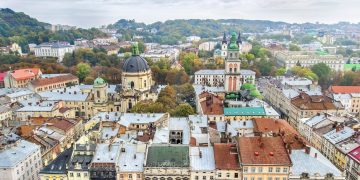
Lviv, located in western Ukraine, is one of the most charming and underrated cities in Eastern Europe. Often overshadowed by the capital Kiev or the more popular Odessa, Lviv boasts an atmosphere of old-world charm with cobblestone streets, stunning architecture, and a thriving arts scene. The city is a cultural melting pot, with influences from Ukrainian, Polish, Austrian, and Jewish heritage.
Lviv’s historic center, a UNESCO World Heritage site, is dotted with beautiful churches, palaces, and charming cafes. The city is also known for its coffee culture, which dates back to the 18th century, and its lively festivals celebrating music, theater, and literature. Lviv offers a fascinating glimpse into Ukraine’s past while embracing its vibrant contemporary culture.
2. Transylvania, Romania: Beyond Dracula
When people think of Romania, they often think of Dracula and his eerie castle in Transylvania. However, this region is far more than just a vampire legend—it is a land of breathtaking landscapes, medieval towns, and rich folklore.
The medieval city of Sibiu, with its charming old town and cobbled streets, is a prime example of Transylvania’s allure. The fortified churches of the Saxon villages, the Carpathian Mountains, and the picturesque villages like Viscri (a UNESCO World Heritage site) offer incredible hiking opportunities and a chance to connect with local traditions. Transylvania is a treasure trove of medieval history, natural beauty, and cultural diversity.
3. The Peloponnese, Greece: A Quiet Escape
While Greece’s islands and cities like Athens attract millions of tourists each year, the Peloponnese peninsula remains an underappreciated gem. Known for its ancient ruins, beautiful beaches, and rustic villages, the Peloponnese offers a more authentic Greek experience away from the crowds.
The ancient city of Mycenae, the theater of Epidaurus, and the medieval town of Monemvasia are just a few of the region’s attractions. The Peloponnese is also home to stunning coastal towns like Nafplio, known for its charming Venetian architecture, and the picturesque fishing villages of Mani, where time seems to stand still.
4. Plitvice Lakes National Park, Croatia: A Natural Wonder
Though Croatia’s coastline along the Adriatic Sea has become increasingly popular in recent years, the interior of the country remains less explored. Plitvice Lakes National Park, a UNESCO World Heritage site, is one of Europe’s most stunning natural wonders, with crystal-clear lakes, cascading waterfalls, and lush green forests.
The park is a paradise for nature lovers and photographers, with more than 16 interconnected lakes and an array of diverse wildlife. A visit to Plitvice offers an opportunity to experience Croatia’s wild beauty away from the bustling tourist centers like Dubrovnik or Split.
5. The Belarusian Countryside: Untouched by Time
Belarus, often overlooked by travelers, offers an idyllic countryside filled with vast forests, tranquil lakes, and charming villages. The capital, Minsk, may be an emerging destination, but it is the rural areas that truly showcase Belarus’ untouched natural beauty.
The Belovezhskaya Pushcha National Park, one of Europe’s last primeval forests, is a UNESCO World Heritage site and home to the European bison. Visitors can also explore the country’s rich folk traditions, craft heritage, and Soviet-era landmarks in cities like Brest and Vitebsk.
6. Sofia, Bulgaria: A City of Layers

Sofia, the capital of Bulgaria, is often overlooked in favor of more famous European cities, yet it offers a fascinating blend of history, culture, and modernity. The city is one of the oldest in Europe, with roots dating back to Roman times, and boasts an array of archaeological sites, including the Ancient Serdica complex and the impressive Alexander Nevsky Cathedral.
Sofia is also surrounded by stunning natural beauty, with Mount Vitosha offering panoramic views of the city and opportunities for hiking, skiing, and relaxation. The city’s vibrant arts scene, lively cafes, and eclectic architecture make it a compelling destination for those willing to look beyond the surface.
7. Vilnius, Lithuania: A Capital of Surprises
Vilnius, the capital of Lithuania, is a city that often flies under the radar in favor of more famous European capitals like Prague or Warsaw. Yet, Vilnius is a gem in its own right, with a UNESCO-listed Old Town, beautiful baroque architecture, and a thriving creative scene.
The city’s historical sites, like the Vilnius Cathedral and the Gediminas Tower, are impressive, but it’s the city’s atmosphere—cosmopolitan yet laid-back—that makes it special. With a vibrant nightlife, unique street art, and quirky cafes, Vilnius is a place where tradition and modernity seamlessly intertwine.
Why You Should Consider Visiting Eastern Europe
Eastern Europe offers something that Western Europe often lacks—authenticity. While the western part of the continent has been molded by centuries of mass tourism, Eastern Europe retains much of its old-world charm and local traditions. Many of the places mentioned above have not yet been commercialized to the extent that you might find in cities like Paris or Rome. This means fewer crowds, more personal experiences, and a deeper connection to the place and its people.
Moreover, Eastern Europe is also far more affordable than many Western European destinations. Traveling here can allow for a more luxurious experience on a budget, whether it’s staying in historic hotels, enjoying gourmet food, or embarking on guided tours of hidden historical landmarks.
Eastern Europe’s mix of natural beauty, rich history, diverse cultures, and emerging modernity makes it one of the most exciting regions to explore today. It’s a region where travelers can still uncover hidden gems, forge authentic connections with locals, and enjoy experiences that feel more personal and unique.
Final Thoughts
As Eastern Europe continues to develop and open up to tourism, it’s important for travelers to look beyond the usual tourist hotspots and explore the hidden gems of the region. Cities like Lviv, Vilnius, and Sofia, as well as natural wonders like Plitvice Lakes and the Belarusian countryside, offer experiences that are as enriching as they are diverse.
If you’re looking for a place to discover unspoiled landscapes, experience a rich cultural history, and escape the crowds, Eastern Europe should be at the top of your list. The region is brimming with possibilities and ready to reward those who venture beyond the well-trodden tourist paths.