








Nepal is a country that has long captured the imagination of travelers, adventurers, and nature enthusiasts. Its towering peaks, especially Mount Everest—the tallest mountain on Earth—have given it a reputation as a trekking haven. Yet, is Nepal defined only by its mountainous landscapes, adrenaline-filled treks, and the allure of summiting the roof of the world? Or is there much more to this vibrant country than what meets the eye?
In this article, we will explore the lesser-known aspects of Nepal—its rich culture, fascinating history, spiritual heritage, diverse ecosystems, and unique local traditions. While trekking and Mount Everest are undoubtedly key components of Nepal’s global identity, they are by no means the full picture.
Let’s take a closer look at what makes Nepal a multifaceted destination for those seeking both adventure and deeper understanding.
Nepal’s Cultural Heritage: A Melting Pot of Traditions
A Glimpse Into Nepal’s Ancient History
Nepal is a country with a deep and complex history that goes back thousands of years. It sits at the crossroads of South Asia and Central Asia, which has led to an incredible fusion of cultural influences. The historical heart of Nepal is the Kathmandu Valley, where ancient temples, palaces, and monuments tell the stories of kingdoms and dynasties that ruled for centuries.
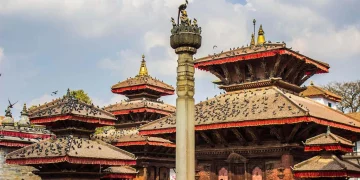
The Kathmandu Valley is home to seven UNESCO World Heritage Sites, each telling a different chapter in Nepal’s cultural evolution. The Durbar Squares, with their intricate wood carvings and golden roofs, serve as testimony to the craftsmanship and architectural brilliance of the Malla period. The famous Swayambhunath (Monkey Temple) stands as a symbol of Nepal’s deep spiritual roots. These sites showcase the country’s long-standing connections with Hinduism, Buddhism, and indigenous beliefs.
Religion and Spirituality in Nepal
Spirituality is woven into the very fabric of Nepalese society. The country is a birthplace of both Buddha and many Hindu deities, making it a hub for both Hinduism and Buddhism. The peaceful coexistence of these religions, alongside the traditional animistic practices of indigenous tribes, creates a unique spiritual blend.
Lumbini, located in the Rupandehi District of Nepal, is the birthplace of Siddhartha Gautama, who went on to become the Buddha. It is a pilgrimage site for Buddhists from around the world. Pilgrims come to meditate, walk through the sacred gardens, and visit the Maya Devi Temple, believed to mark the exact spot of Buddha’s birth.
Kathmandu itself is a center for spiritual exploration. Boudhanath Stupa, one of the largest in the world, is an iconic Tibetan Buddhist monument. Its massive mandala and fluttering prayer flags make it a peaceful and powerful place for reflection.
Hinduism is equally influential, with temples dedicated to gods like Shiva, Vishnu, and Durga scattered throughout the country. The Pashupatinath Temple, a sacred site for Hindus, sits on the banks of the Bagmati River and is known for its cremation ghats and vibrant religious ceremonies.
Nepal’s Diverse Ecosystems: More Than Just the Himalayas
While the Himalayas are undoubtedly Nepal’s most famous natural feature, the country is home to a rich variety of ecosystems that go beyond snow-capped peaks. From lush subtropical forests to high-altitude alpine meadows, Nepal’s biodiversity is astonishing.
National Parks and Wildlife
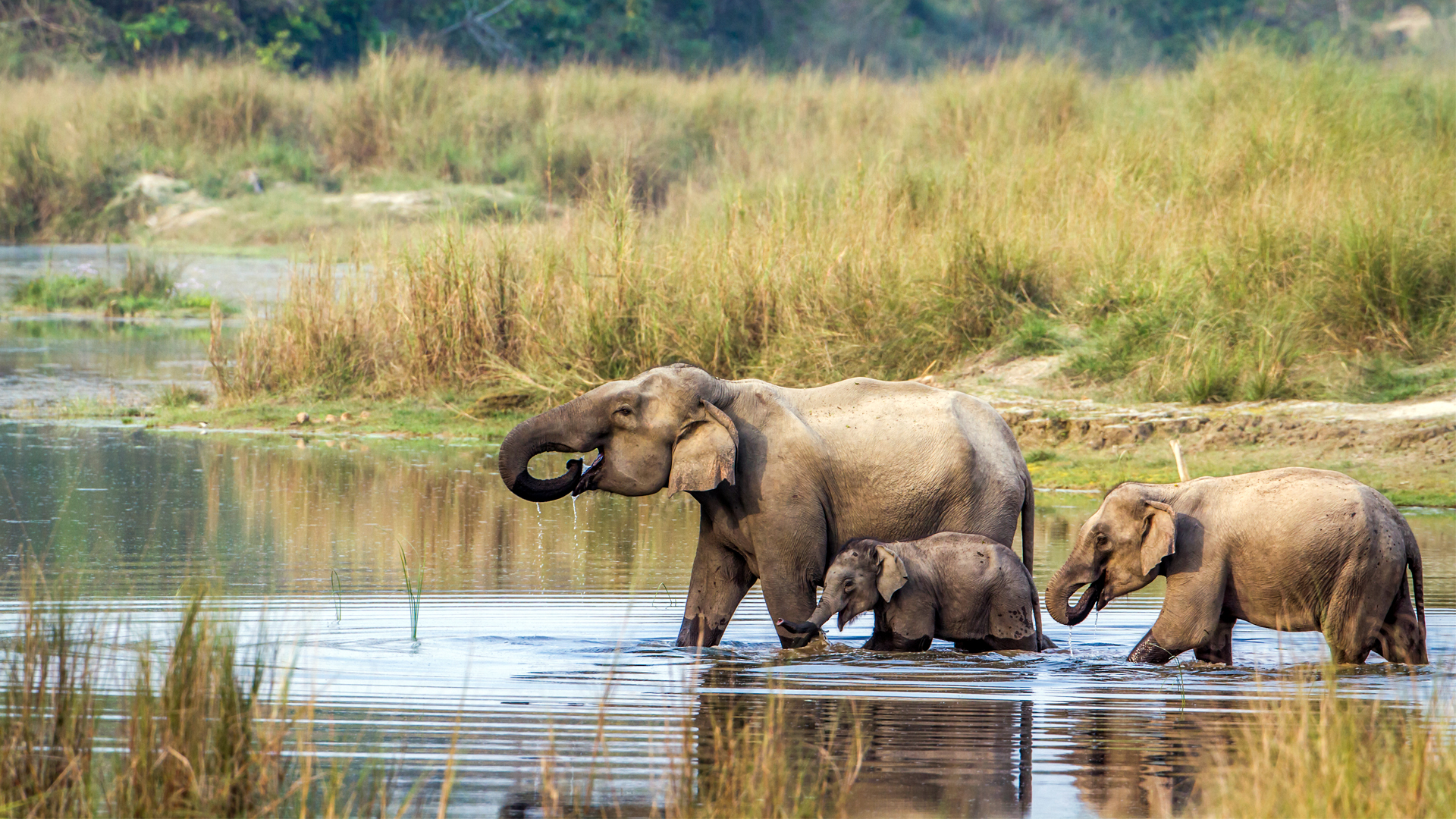
Nepal boasts ten national parks and three wildlife reserves that protect the country’s diverse flora and fauna. These parks are not just for trekkers and adventurers; they also serve as crucial sanctuaries for wildlife conservation. Among the most famous are Chitwan National Park and Bardia National Park.
Chitwan, a UNESCO World Heritage Site, is known for its thriving populations of one-horned rhinoceroses, Bengal tigers, and various species of deer. Visitors can embark on jungle safaris and boat rides along the Rapti River to spot these majestic creatures in their natural habitat.
Bardia National Park, less crowded than Chitwan, offers a more remote wildlife experience. Home to tigers, leopards, and gharial crocodiles, Bardia offers some of the best opportunities for wildlife photography in Nepal.
Beyond the Mountains: Nepal’s Rivers, Valleys, and Plains
The Terai region, the lowland plains of southern Nepal, offers a stark contrast to the rugged terrain of the Himalayas. Known for its tropical climate, the Terai is an important agricultural zone and home to vibrant communities. It is here that Nepal’s largest cities, such as Biratnagar and Janakpur, are located.
Rivers like the Koshi, Gandaki, and Karnali cut through the landscape, offering serene views and exciting opportunities for river rafting, kayaking, and fishing. The rivers of Nepal also hold deep spiritual significance, with many Hindus believing that bathing in them purifies the soul.
The Art and Craft of Nepal: A Legacy of Handmade Beauty
Nepal’s craftsmanship is another remarkable aspect of its culture. Traditional arts, especially the creation of religious statues, thangka paintings, and intricate woodwork, are an expression of the nation’s spiritual and artistic heritage.
Thangka paintings, which depict Buddhist deities and spiritual symbols, are meticulously created by skilled artists using natural dyes on cloth. These sacred works are more than just pieces of art; they are used in meditation and religious rituals.
Likewise, wood carving in Nepal is an art form that dates back centuries. Temples and palaces are adorned with intricately carved wooden doors, windows, and beams that are both beautiful and symbolic. This craftsmanship is not confined to religious buildings but extends to the everyday items used by locals, from furniture to decorative pieces.
The Cuisine of Nepal: A Flavorful Fusion
Nepalese cuisine reflects the diversity of the country’s ethnic groups, geography, and influences from neighboring countries. It is a flavorful fusion of Indian, Tibetan, and local Himalayan influences.
Dal Bhat is the staple food of Nepal. It consists of lentil soup (dal), rice (bhat), and various side dishes such as vegetables, pickles, and meat. It is served in almost every household and restaurant across the country. This meal is simple but nutritious, providing the energy needed to sustain the rigorous lifestyle of rural Nepalis.
Momo, a type of dumpling, is another popular dish. It originated in Tibet but has become a beloved snack throughout Nepal. Momo can be steamed or fried and filled with meat, vegetables, or cheese.
The influence of Tibet is also seen in Nepal’s soups and noodle dishes, with varieties like thukpa and chow mein being widely enjoyed. In the hills, barley, millet, and potatoes are commonly used, reflecting the hardiness required to thrive in the high-altitude regions.

Festivities and Celebrations
Festivals are an integral part of Nepalese culture, with each ethnic group and region celebrating its own traditions. The most significant festival is Dashain, a Hindu festival that celebrates the victory of good over evil. It is a time for families to come together, worship, and exchange blessings.
For Buddhists, Lhosar, the Nepalese New Year, is a time of celebration marked by prayers, feasts, and dancing. It is a festival that brings together people of all ethnicities, transcending regional divides.
Tihar, also known as the festival of lights, is another colorful event, where houses are decorated with oil lamps, and animals like cows and dogs are honored for their symbolic significance in Hinduism.
Adventure Beyond the Himalayas: Rafting, Paragliding, and More
While trekking remains the top activity for most visitors, Nepal offers a host of other adventurous pursuits. White-water rafting is a popular activity for thrill-seekers. The country’s many rivers provide the perfect rapids for both beginners and experts, with the Trisuli River being one of the most famous for rafting.
For those looking for a more aerial adventure, paragliding over Pokhara is an unforgettable experience. The stunning views of the Himalayas, combined with the serene beauty of Phewa Lake, make this an iconic experience for adventure enthusiasts.
The Challenges of Nepal’s Development
Despite its many attractions, Nepal faces significant challenges related to poverty, infrastructure, and political instability. The country is still recovering from the 2015 earthquake, which caused widespread destruction and loss of life. The road to development remains slow, with many rural areas still lacking basic services like clean drinking water, education, and healthcare.
However, in recent years, Nepal has made progress in addressing these issues, and the tourism industry has played a significant role in providing economic opportunities for local communities.
Conclusion: Nepal Is Much More Than Its Mountains
Nepal is undeniably a country shaped by its towering peaks and epic trekking routes, but it is also a land rich in history, culture, spirituality, and biodiversity. Beyond Mount Everest and the Annapurna Circuit, there are vibrant cities, tranquil landscapes, diverse wildlife, and a deeply ingrained cultural heritage waiting to be discovered.
Whether you’re exploring the temples of Kathmandu, trekking through the hills of the Annapurna region, or participating in a local festival, Nepal offers a diverse range of experiences that will leave a lasting impression on all who visit. It’s a country that invites travelers to go beyond the summit and explore its soul.