












In today’s fast-paced consumer world, cheap gear is everywhere—on sale, in discount stores, and even online, available with just a click. Whether it’s the latest tech gadget, outdoor equipment, or even everyday items like shoes or kitchen appliances, the allure of low prices is undeniable. However, beneath the surface of budget-friendly items often lurk hidden risks that may not be immediately obvious. While cheap gear may seem like a great deal, it often comes at a cost, and the consequences of cutting corners can sometimes be much more expensive than expected.
This article explores the hidden risks of cheap gear, examining the safety hazards, performance issues, environmental impact, and long-term financial consequences that consumers often overlook. With a focus on practical examples, we’ll look at how these risks manifest in various categories of products—from electronics to outdoor equipment—and offer tips on how to make smarter purchasing decisions that balance cost with quality.
1. Safety Hazards: A False Sense of Security
The most concerning hidden risk of cheap gear is the potential safety hazards it poses. From faulty electrical wiring in cheap electronics to inadequate padding in budget outdoor gear, safety is often compromised to keep production costs low.
Electronics and Gadgets
Cheap electronic devices, such as smartphones, chargers, and laptops, might appear to offer a steal, but they can have serious safety implications. For example, low-cost phone chargers may lack proper insulation or contain subpar components that can overheat, spark, or even catch fire. In 2018, several reports linked third-party, inexpensive phone chargers to incidents of electric shock and fires, leading to a wave of recalls in the industry.
Similarly, cheap headphones or wireless earbuds often use inferior materials that can cause discomfort or damage to your hearing over time. The sound quality may be subpar, but worse, low-quality earbuds may also leak sound, allowing harmful decibels to reach your ears at unsafe levels.
Outdoor and Sports Gear
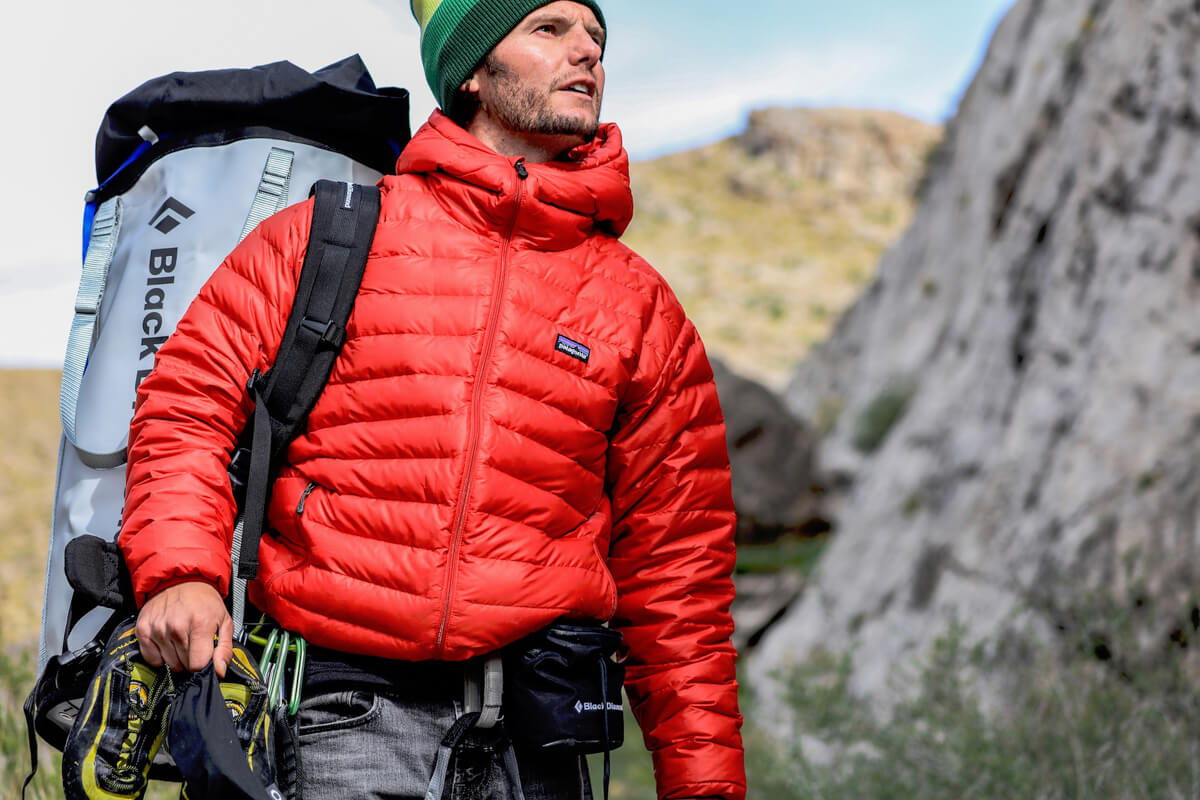
Budget-conscious buyers might opt for inexpensive outdoor gear like tents, sleeping bags, or hiking boots, hoping to save money on their adventures. However, these products can be dangerously unreliable. A cheap tent might lack proper waterproofing, leaving you exposed to the elements in heavy rain, while low-grade sleeping bags might not provide adequate insulation, leading to hypothermia in cold conditions. The same goes for hiking boots or climbing gear—poor stitching or weak materials can cause blisters, injuries, or worse, catastrophic failure while on a hike or climb.
Toys and Childcare Products
Perhaps one of the most alarming examples of cheap gear causing harm is in the realm of toys and childcare products. Inexpensive toys are often made from toxic plastics, lack safety certifications, or are poorly constructed, posing choking hazards or even exposure to harmful chemicals like lead and phthalates. The tragic stories of recalled baby products, such as rattles, high chairs, or crib mattresses, highlight the real dangers of cheap alternatives.
2. Subpar Performance: Short-Lived Satisfaction
While cheap gear can provide short-term satisfaction, it often fails to live up to the performance standards of higher-quality alternatives. Whether in terms of durability, efficiency, or functionality, cheap gear tends to disappoint in the long run.
Durability
Cheap products often use lower-quality materials, which directly impact their lifespan. Take, for example, the case of low-cost kitchen appliances. Blenders, for instance, may work fine initially, but their cheap plastic parts, flimsy motors, and inferior seals make them prone to breaking down after a few uses. Similarly, low-cost watches may look stylish, but their movements are often inaccurate, and the battery may burn out quickly.
Efficiency
In the world of electronics, inexpensive gadgets tend to have poor battery life, slower processors, or outdated technology. For example, a cheap laptop might be slow to boot up or unable to handle multiple applications at once, frustrating users who need reliable performance for work or entertainment. Similarly, cheap headphones might have weak sound quality or fail to connect reliably to Bluetooth devices.
Unreliable Functionality
When it comes to cheap gear, the risks of underperformance are often masked by flashy advertising and overpromises. Low-cost fitness trackers, for example, often lack accurate sensors, resulting in incorrect health data that misguides users who are trying to track their fitness progress. Similarly, cheaper camera gear might have all the specs on paper but fails to capture high-quality images in practice, leading to missed moments and user disappointment.
3. Environmental Impact: Hidden Costs of Cheap Manufacturing
Another often-overlooked risk of buying cheap gear is its environmental impact. Low-cost items are typically made from cheap, unsustainable materials and produced in factories with minimal concern for environmental damage.
Waste and Disposable Culture
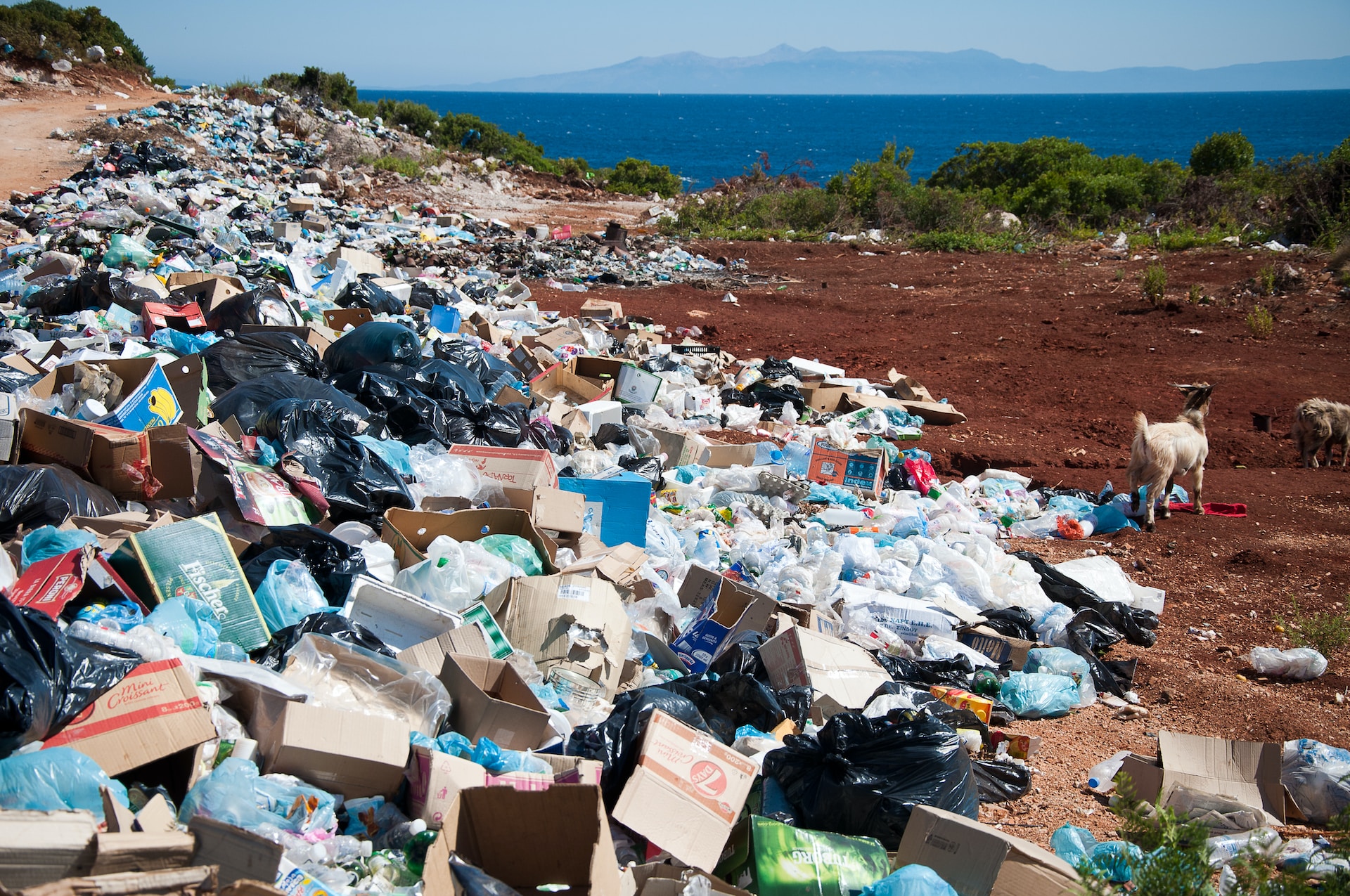
The allure of inexpensive gear encourages a “use and throw away” mentality. Because the products are so cheap, many consumers may treat them as disposable items, discarding them when they break or fail to perform. This leads to increased landfill waste and a strain on the environment. According to the Ellen MacArthur Foundation, the fashion industry alone produces more than 92 million tons of waste each year, with a significant portion coming from low-cost, fast-fashion clothing and accessories.
Manufacturing Practices
Many cheap products are produced in countries with lax environmental regulations, where labor is cheap, and manufacturers often cut corners to reduce costs. This can lead to water pollution, toxic chemical runoff, and high carbon emissions. The global electronics waste (e-waste) crisis, exacerbated by the growing demand for inexpensive gadgets, is a perfect example. Cheap phones and computers are frequently discarded in developing countries, contributing to massive environmental damage from improper disposal.
Use of Hazardous Materials
Cheap gear often contains hazardous substances like lead, cadmium, and mercury. In the worst cases, these materials leach into the environment, contaminating soil and water. Even if the gear is disposed of responsibly, the long-lasting effects of these toxins on ecosystems can be devastating.
4. The Long-Term Financial Costs: More Than Meets the Eye
At first glance, purchasing cheap gear seems like a way to save money. However, in the long term, it can end up costing consumers much more due to repairs, replacements, or higher utility bills.
Repairs and Replacements
The most obvious financial cost of cheap gear is the frequent need for repairs or replacements. A low-cost blender that breaks after a year of use may seem like a small loss initially, but it can add up over time if you repeatedly replace products that break down. In some cases, repair costs may even exceed the price of a higher-quality item that would have lasted for years.
Higher Energy Bills
In the case of low-cost electronics or home appliances, cheap products may be less energy-efficient, leading to higher utility bills over time. For instance, an inexpensive refrigerator may consume more energy due to poor insulation or a less-efficient compressor, driving up electricity costs each month.
Lost Time and Opportunity
Sometimes, the cost of cheap gear isn’t financial but time-related. Whether it’s a malfunctioning gadget, a broken piece of equipment, or a delayed service due to subpar performance, cheap gear often leads to frustration, lost time, and missed opportunities. In the long run, these lost moments can be far more costly than paying for a higher-quality, more reliable product upfront.
5. The Illusion of Value: Marketing Tricks
One of the most deceptive aspects of cheap gear is how it’s marketed. Companies spend vast amounts of money on packaging, advertising, and strategic pricing to create the illusion of value, even if the actual product is far from impressive. Glossy ads and influencer endorsements can make subpar items appear revolutionary, luring in unsuspecting consumers who don’t realize they’ve been misled until it’s too late.
The Discount Trap
Retailers often use “limited-time” sales or price slashing to create urgency, encouraging consumers to buy products that seem like a great deal. However, these discounts are often artificially inflated, and the “real” price of the product is still significantly higher than its value. In the end, the consumer ends up paying for an item that doesn’t deliver, all for the sake of a perceived bargain.
Overhyping Features
Cheap gear is often overhyped to make it seem like a high-end product at a fraction of the cost. Take, for example, inexpensive fitness trackers. These devices often advertise features like heart rate monitoring or GPS tracking, but in reality, their accuracy is dubious at best. Meanwhile, higher-quality trackers that perform these functions reliably are often passed over in favor of the more affordable options.
6. How to Avoid the Hidden Risks of Cheap Gear
While the risks of cheap gear are real, there are ways to make smarter purchasing decisions without compromising on quality.
Research and Reviews
Before buying any product, it’s crucial to do thorough research. Check consumer reviews, expert opinions, and product comparisons to get a clearer idea of whether the item is worth the cost. Online forums, tech blogs, and social media groups can be great resources for honest feedback from real users.
Consider Quality Over Quantity
In many cases, it’s better to buy one high-quality item than multiple cheap alternatives. Whether it’s a good pair of shoes, a reliable phone, or durable outdoor gear, investing in quality will save you money in the long run.
Look for Certifications
Many products, especially electronics and children’s gear, come with certifications that ensure they meet safety and quality standards. Look for labels like CE (for European standards), UL (Underwriters Laboratories), or ISO certifications, which indicate a higher level of quality and safety.
Buy from Trusted Brands
While well-known brands can be more expensive, they often offer more reliable and durable products. It’s worth paying a little more upfront for a brand that stands behind its products with warranties, good customer service, and a track record of quality.
Conclusion
While the temptation of cheap gear is undeniable, it’s essential to recognize the hidden risks that come with purchasing low-cost items. Safety concerns, poor performance, environmental impact, and long-term financial costs all point to the fact that the true price of cheap gear is often much higher than what is visible at the checkout. By making informed purchasing decisions, researching products carefully, and investing in quality over quantity, consumers can avoid the pitfalls of cheap gear and enjoy better, safer, and more sustainable products.