











In the world of outdoor adventures, be it hiking, camping, skiing, or mountaineering, the quality and durability of your gear can make or break your experience. The question often asked by seasoned adventurers, outdoor enthusiasts, and even those who enjoy a weekend getaway in nature is: Can your gear withstand a full season of use?
The truth is, the answer isn’t as straightforward as a simple “yes” or “no.” While some outdoor gear is designed to endure harsh conditions and rough handling, others might not even survive one season. Understanding how to evaluate the durability of your gear and what factors contribute to its longevity is essential in ensuring that your equipment is reliable for many outdoor seasons to come.
In this article, we will explore the key elements that determine the durability of outdoor gear, how to care for it, and provide tips to help you make informed decisions about gear that will withstand repeated use over the course of an entire season.
1. The Materials Make the Difference
The first and most obvious factor affecting the longevity of any piece of gear is the material from which it is made. High-quality materials offer better protection against the elements and are more resistant to wear and tear. Let’s break down some common materials and their performance:
A. Nylon and Polyester: The Workhorses
Nylon and polyester fabrics are ubiquitous in outdoor gear due to their strength, water resistance, and lightweight properties. For instance, tents, backpacks, and jackets made from ripstop nylon or high-denier polyester can withstand frequent abrasion and exposure to rain without compromising on comfort.
- Durability Tip: When choosing nylon or polyester products, look for a high-denier count (e.g., 1000D). Higher denier counts indicate thicker fibers, leading to greater strength and abrasion resistance.
B. Gore-Tex: The King of Waterproofing
For footwear and outerwear, Gore-Tex is often the gold standard in waterproof and breathable fabrics. This high-tech material has proven itself over the years, providing an excellent balance of water resistance while allowing sweat and moisture to escape, preventing uncomfortable dampness.
- Durability Tip: Over time, waterproof membranes like Gore-Tex can degrade due to repeated exposure to dirt, oils, and harsh weather conditions. Regularly cleaning and reproofing these garments with a specialized waterproofing treatment can extend their lifespan.
C. Leather: Timeless but Demanding
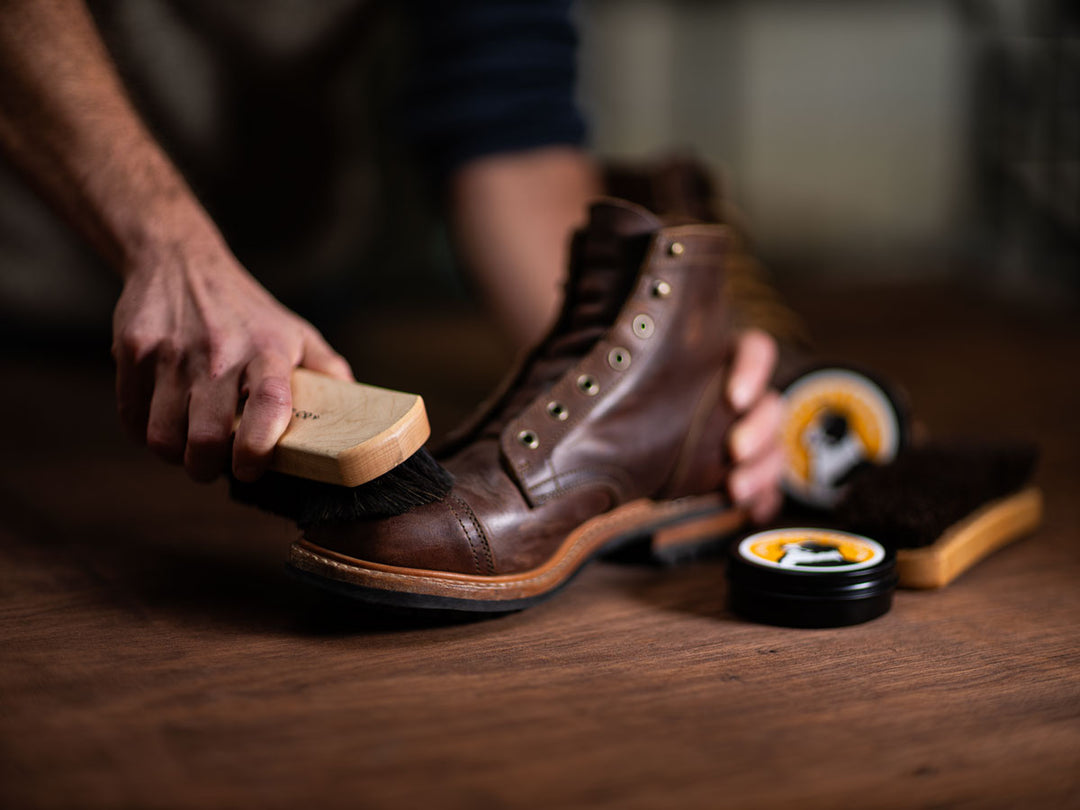
Leather is an iconic material in many outdoor boots, gloves, and belts. When properly treated and cared for, leather gear can last for decades. It’s not only stylish but also provides a rugged, durable feel that can handle a variety of environments. However, leather requires more maintenance than synthetics to prevent cracking or water damage.
- Durability Tip: Regularly condition leather gear to keep it flexible and protected from harsh elements like saltwater or extended rain exposure. If your leather gear becomes wet, dry it slowly in a cool, dry space, not by direct heat, which can lead to cracking.
:max_bytes(150000):strip_icc()/tal-product-outdoor-research-womens-aspire-ii-gore-tex-jacket-jthompson-0539-de1d5735ea98427690eeaacc12b9e761.jpeg)
2. The Structure of Your Gear: Design Matters
A piece of outdoor gear might be made from the most durable materials, but if it’s poorly designed, it will fail when put to the test. The structure of gear like backpacks, tents, and sleeping bags plays a huge role in how it withstands continuous use.
A. Stitching and Seams: The Weakest Points
Seams are typically the weakest points on any gear, especially on tents and backpacks. A poorly sewn seam can easily unravel under the pressure of a season of use. Double-stitched seams, reinforced with strong thread, are a clear sign of high-quality construction.
- Durability Tip: If possible, choose gear that has heat-sealed or taped seams, particularly for waterproof products like tents and rain jackets. These seams tend to last longer than sewn seams and offer better resistance to water infiltration.
B. Zippers and Fasteners: Beware of Failure
Zippers and other fasteners are crucial components that often get overlooked. Cheap zippers can fail quickly when exposed to dirt, sand, or excessive strain. High-end outdoor gear typically uses YKK zippers, which are renowned for their strength and smooth functionality.
- Durability Tip: Avoid forcing zippers when they get stuck, as this can cause them to break. Lubricate zippers with a specialized zipper lubricant to keep them running smoothly throughout the season.
C. Frame and Support Systems: Built for the Long Haul
For backpacks and tents, the internal frame or support system is the backbone of the design. A poor frame or lack of proper support can lead to sagging, discomfort, and eventual failure. Look for gear that has an adjustable or strong frame, especially if it’s meant to carry heavy loads.
- Durability Tip: Regularly inspect the frame of your backpack for any signs of wear or stress, particularly at stress points like the straps or load lifters. If you’re using a tent with poles, make sure the poles are made from durable materials like aluminum or carbon fiber.
3. Exposure to the Elements: How Weather Affects Your Gear
Outdoor gear is constantly subjected to environmental stressors—rain, snow, dirt, UV rays, and saltwater—all of which can take a toll on its durability. Here’s how to make sure your gear can handle the worst that nature throws its way.
A. UV Damage: The Silent Destroyer
UV rays can degrade materials, especially fabrics and plastics. Over the course of a full season, prolonged sun exposure can cause colors to fade, fabrics to weaken, and certain materials to lose their structural integrity. This is particularly true for tents, backpacks, and gear stored outside.
- Durability Tip: When not in use, store your gear out of direct sunlight. If storing gear for extended periods, use UV-protective covers or bags to shield it from harmful rays.
B. Moisture and Salt: The Corrosive Forces
Saltwater and moisture are notorious for accelerating the breakdown of fabrics, metals, and adhesives. For example, tent poles and backpack buckles can corrode, and leather boots can become waterlogged and lose their shape if not properly cared for.
- Durability Tip: After exposure to saltwater, rinse gear thoroughly with fresh water and let it dry in a cool, shaded area. For items like boots, consider applying a water-repellent treatment to prevent damage from repeated exposure to moisture.
4. Maintenance and Care: Extend the Life of Your Gear
Even the best gear will eventually show signs of wear, but proper maintenance can help extend its lifespan significantly. Here are some tips to ensure your gear stays in top shape:
A. Regular Cleaning and Inspection
Many outdoor enthusiasts overlook the importance of cleaning their gear after each adventure. Dirt, sand, and debris can accumulate on the surface of your gear, causing unnecessary wear. Cleaning your gear properly after each trip can make a significant difference.
- Durability Tip: Always follow the manufacturer’s instructions for cleaning. For example, many tents require a gentle wash by hand, while backpacks and clothing might be machine washable. Always make sure the gear is fully dry before storing it.
B. Storage: Keep It Safe and Dry
Proper storage is just as crucial as cleaning. Gear left in damp, humid environments can develop mold, mildew, or rust, particularly for items like sleeping bags, tents, and cooking gear. Gear that’s exposed to high temperatures can also degrade faster.
- Durability Tip: Store your gear in a cool, dry place, away from direct sunlight. For sleeping bags and tents, consider storing them in a large, breathable bag or on a shelf rather than compressing them in tight spaces for long periods.
C. Repair Kits: Be Prepared for the Worst
No matter how durable your gear is, accidents can happen. Having a repair kit on hand for on-the-go fixes can save the day. Whether it’s a busted tent pole, a torn jacket, or a damaged backpack strap, a simple repair kit can prolong the life of your gear.
- Durability Tip: Carry a small repair kit for your most-used gear, especially for long trips. Include things like duct tape, a patch for tents, and multi-tool scissors to handle emergency fixes.
5. Choosing Gear That Lasts
Now that we’ve covered the basics of durability and care, how do you choose gear that can withstand a full season (or more) of use? Here are a few tips for selecting the right equipment:
A. Research and Reviews
Before purchasing any outdoor gear, be sure to read expert reviews and user feedback. Real-world experiences from fellow adventurers can give you valuable insights into how gear holds up after repeated use.
B. Consider the Brand
While not always foolproof, certain brands have built reputations for producing high-quality, long-lasting outdoor gear. Companies that stand behind their products with warranties or repair services are often a good bet when looking for durability.
C. Think About the Type of Activity
Consider how often and how intensely you plan to use your gear. If you’re a weekend camper, you may not need the same level of durability as someone who spends several months a year in the backcountry. Tailor your gear choices to your specific needs.
Conclusion: Gear That Lasts a Lifetime
Your gear is more than just a collection of tools; it’s an investment in your outdoor experiences. The right gear, built from durable materials and constructed with care, can easily withstand a full season of use, and with proper maintenance, it can last for many seasons to come. Whether you’re trekking across a snow-capped mountain or camping under a starlit sky, ensuring your gear is up to the challenge will allow you to enjoy your adventures without worrying about your equipment failing.