











In today’s fast-paced world, where technology is rapidly evolving, it’s easy to get lost in the noise of constant new releases, buzzwords, and flashy marketing tactics. Whether you’re a seasoned professional or an enthusiastic hobbyist, one question lingers: Are you getting the best value for your gear investment?
From cameras and drones to musical instruments and fitness equipment, your gear is an essential part of your craft. But how can you be sure you’re not overspending on the latest models when your current gear might be just fine—or worse, underutilized?
This article aims to help you identify key strategies to maximize your gear’s value and ensure you’re getting the most out of every dollar spent. We’ll dive into factors such as understanding your needs, evaluating new vs. used gear, and knowing when to upgrade.
1. Understanding Your Needs: Is It Really Necessary?
Before you even think about upgrading your gear, it’s crucial to ask yourself: Do you really need it? We live in a world where every new product seems better, faster, and sleeker than its predecessor. It’s tempting to rush out and grab the latest model, but sometimes your current setup can still serve you just fine.
Ask yourself:
- What’s your primary goal? Are you just starting, or are you a seasoned pro looking for specialized upgrades?
- Does your current gear limit you in any way? Is your camera too slow, your computer too old, or your guitar too quiet?
- Can you achieve your desired results with your current setup? Sometimes, it’s not the gear but the technique that needs improvement.
Taking a step back to honestly evaluate your current equipment will give you a clearer picture of what is really necessary. Sometimes, minor tweaks like software updates or accessories can be the answer, saving you the cost and hassle of a full upgrade.
2. The Cost of Gear Ownership: Hidden Expenses You Should Know About
When evaluating your gear, it’s easy to focus solely on the upfront cost. However, owning equipment comes with its own set of ongoing expenses. These “hidden costs” can add up quickly and may influence your decision to upgrade.
Consider the following:
- Maintenance and repairs: Whether it’s a drone that needs recalibration or a camera that requires cleaning, equipment maintenance can add up over time.
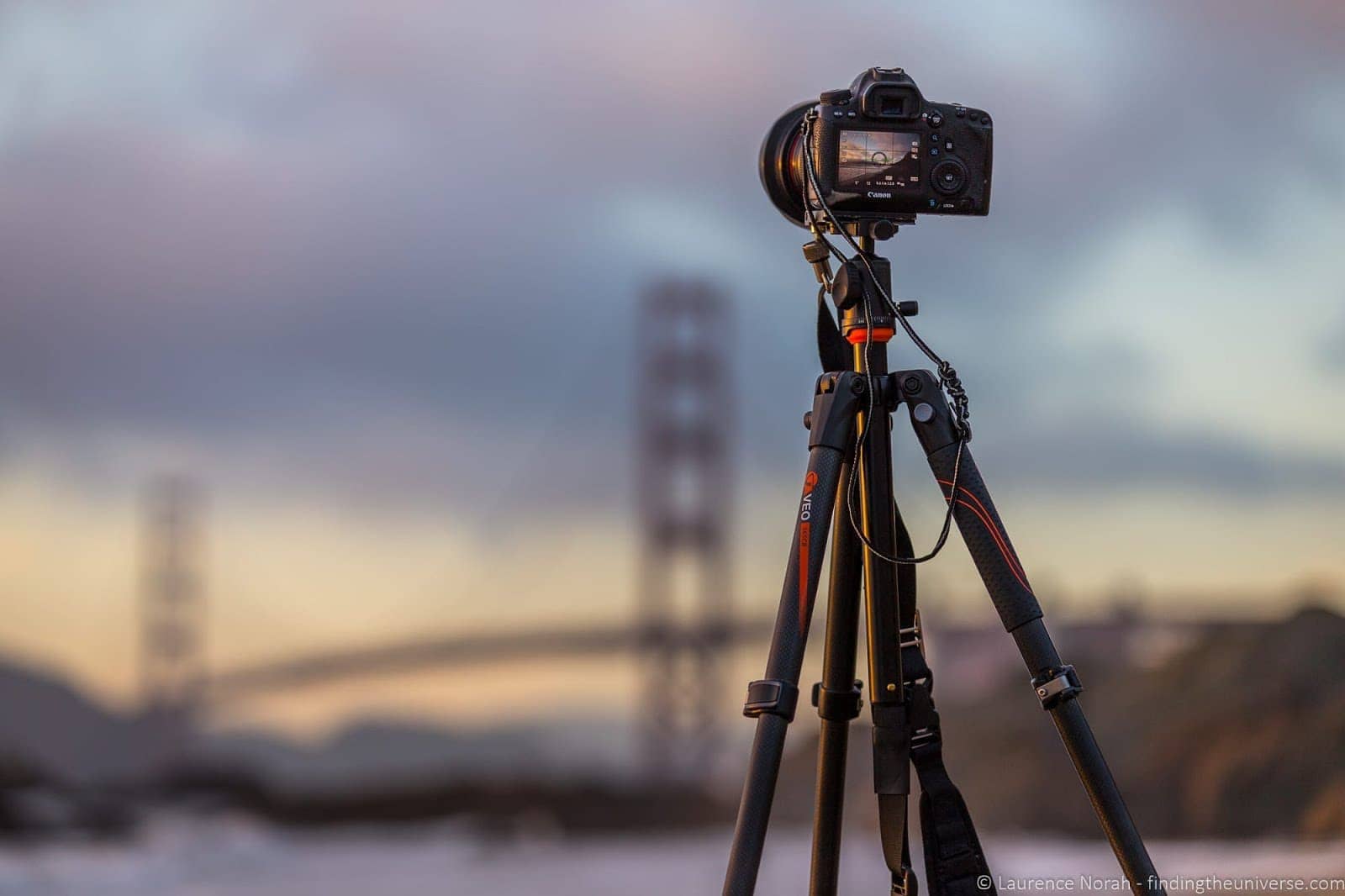
- Accessories: From lenses and tripods to batteries and cables, the accessories you need can be just as expensive as the gear itself.
- Software: Many tools and devices come with bundled software, but in some cases, you might need to pay for additional programs or licenses to get the most out of your gear.
By factoring in these hidden costs, you may realize that a more expensive initial investment in a higher-quality product could save you money in the long run, as it might require fewer repairs and replacements.
3. New vs. Used Gear: Should You Buy New or Go for a Pre-owned Option?
When buying gear, one of the most common dilemmas is whether to buy new or opt for pre-owned equipment. There are pros and cons to both, and your decision should be based on your level of expertise, the item in question, and your budget.
Buying New Gear:
- Advantages:
- Warranty: New gear comes with a manufacturer’s warranty, giving you peace of mind in case something goes wrong.
- Latest Technology: You’ll get access to the newest features and upgrades.
- Condition: New equipment will generally perform better and last longer, especially with frequent use.
- Disadvantages:
- Higher Price Tag: New gear almost always costs more, which may not be justified if the upgrade isn’t significant enough.
- Rapid Depreciation: As soon as you take the gear out of the box, its resale value plummets.
Buying Used Gear:
- Advantages:
- Significant Savings: Buying used gear can save you a substantial amount of money, especially when purchasing high-end items.
- Proven Track Record: If the item has been in use for some time, you may have access to reviews and feedback from previous owners.
- Disadvantages:
- Limited Warranty: Many used items come without a warranty, which means you might have to pay for repairs yourself.
- Potential for Wear and Tear: The previous owner’s usage can affect the equipment’s condition and performance, so careful inspection is a must.
- Older Technology: Depending on the age of the gear, you may miss out on the latest features or advancements.
When buying used gear, platforms like eBay, Craigslist, and local Facebook groups can be goldmines. However, always prioritize sellers with good reputations and be sure to check the gear’s condition thoroughly.
4. When Should You Upgrade Your Gear?
Knowing when to upgrade your gear is one of the most crucial aspects of maximizing your investment. A lot of people assume that they need to upgrade as soon as something newer hits the market, but often, that’s not the case.
Signs It Might Be Time to Upgrade:
- You’ve outgrown the capabilities: If your gear no longer supports your creative vision or is limiting your output, it might be time for an upgrade.
- It’s broken or failing: Constant repairs or failure to perform can indicate that your equipment has reached its limit.
- The price-to-performance ratio: If newer gear offers a significant improvement in performance relative to the price, it might make sense to upgrade.
- Incompatibility with modern standards: If your equipment can’t keep up with industry standards (e.g., software updates or compatibility issues), it’s time to consider new options.
However, before making an upgrade, it’s crucial to weigh the benefits against the cost. Will the new gear actually improve your work? Or is it simply a matter of wanting the latest shiny object?
5. Maximizing the Value of Your Current Gear
If upgrading isn’t on the table just yet, there are several ways to maximize the performance of your current gear without breaking the bank.
Optimize Your Workflow:
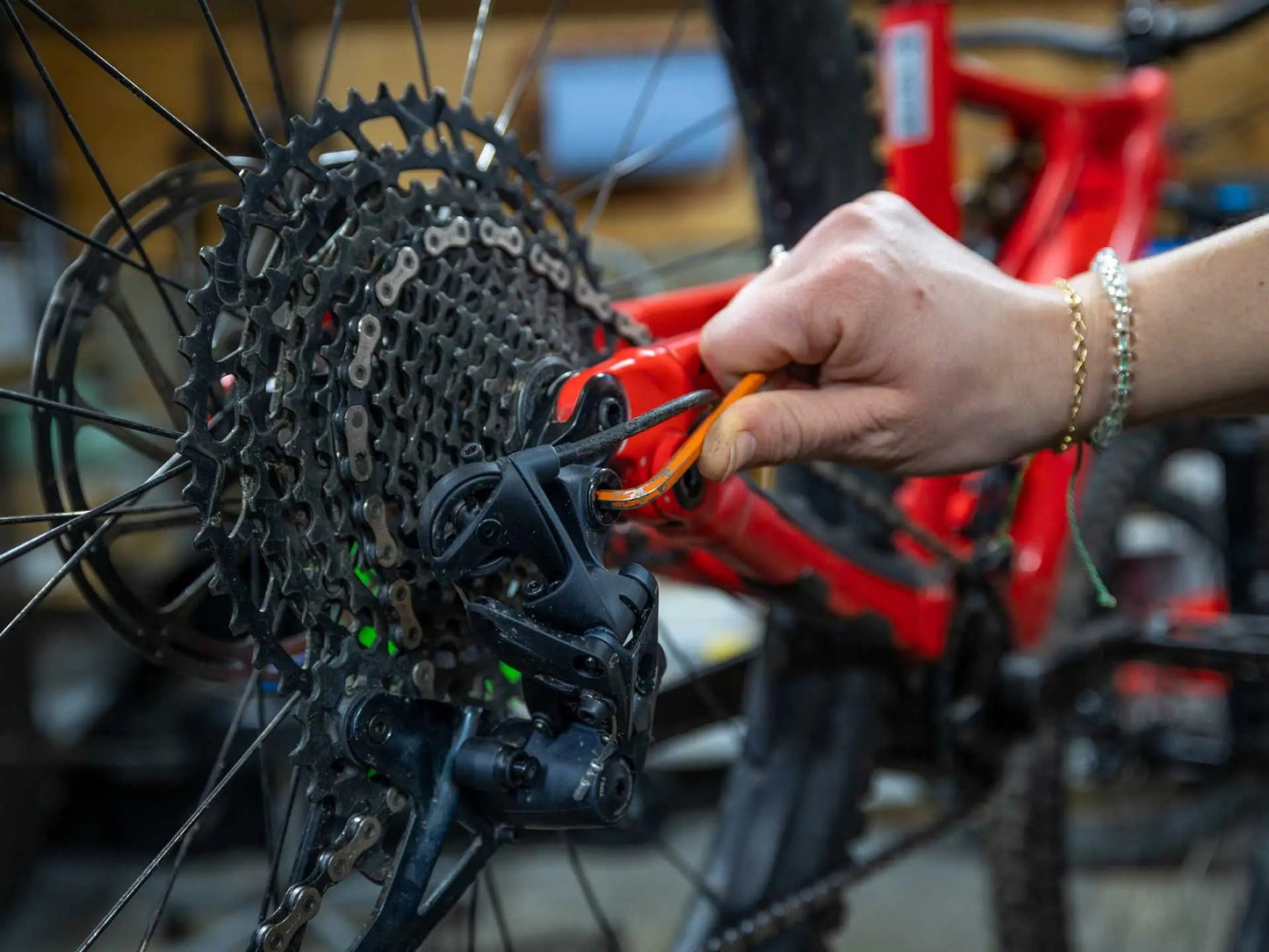
- Regular maintenance: Ensure your gear is clean and well-maintained. Regularly servicing your equipment can extend its lifespan and keep it running smoothly.
- Software Optimization: Make sure you’re using the best software for your gear. Often, software updates and tools can unlock new features or improve functionality.
- Skill Development: Sometimes, improving your own skills can have a more significant impact on your work than upgrading your gear. Invest time in learning how to better use what you have.
By making small improvements to your existing setup, you can often stretch its utility for much longer, getting more value out of your investment before deciding whether it’s time to upgrade.
6. Resale Value: Know How to Sell Your Gear When the Time Comes
Eventually, even the best gear reaches its end of life. But that doesn’t mean you can’t recoup some of your investment. Understanding how to sell your gear for a good price can help offset the cost of your next purchase.
Tips for Selling Your Gear:
- Condition is key: Clean your gear thoroughly and take high-quality photos that show it in the best light.
- Research market prices: Check online platforms to see what similar items are going for, and price accordingly.
- Provide full disclosure: Be honest about the condition of the equipment. Buyers appreciate transparency, and it will help avoid any issues post-sale.
Selling your gear effectively can not only help you recoup some of your initial investment but also provide funds for your next upgrade.
7. Conclusion: Maximizing Gear Value
Maximizing the value of your gear investment is about more than just finding the cheapest option or buying the latest model. It’s about understanding your needs, managing hidden costs, and knowing when to upgrade. Whether you’re considering new or used gear, careful evaluation and smart decisions can ensure you’re getting the most for your money.
Remember, your gear is a tool—and how well you use it, rather than how much you spend on it, will ultimately determine your success. By following the tips in this article, you can make informed choices that help you achieve the best value from every gear purchase.