











Outdoor enthusiasts often find themselves pondering an important question: does the gear you own truly reflect your outdoor skills? The answer isn’t as simple as it may seem, and it depends on a range of factors. From seasoned survivalists to weekend warriors, the outdoor community is filled with a wide variety of personalities, each with their unique approach to adventure. Whether you’re into hiking, backpacking, camping, climbing, or any number of outdoor pursuits, your gear can say a lot about your abilities—or, sometimes, your lack thereof.
In this article, we’ll explore the intricate relationship between outdoor skills and the gear you choose to carry into the wild. We’ll dissect the impact of technology, examine the psychology behind gear choices, and break down how different skill levels influence your packing list. By the end, you’ll have a clearer understanding of how your equipment relates to your outdoor expertise—and how to make smarter choices when assembling your kit.
The Essential Role of Gear in Outdoor Skills
Before diving into the specifics of how your gear may reflect your skill level, it’s crucial to acknowledge that outdoor gear plays a pivotal role in any outdoor adventure. Equipment can make or break an experience. Whether you’re hiking through the woods, climbing mountains, or traversing a desert landscape, the right tools allow you to stay safe, efficient, and comfortable.
Good gear can provide:
- Safety: From a sturdy tent that protects you from the elements to a first-aid kit that can save your life, gear is crucial for staying safe.
- Efficiency: Well-designed gear can make tasks easier and faster, allowing you to conserve energy for the more difficult aspects of your adventure.
- Comfort: A high-quality sleeping bag, for instance, can mean the difference between a restful night’s sleep and one spent shivering in the cold.
But here’s where it gets interesting: while some may see high-end gear as an indicator of advanced outdoor skills, the reality is often far more nuanced. Let’s take a closer look.
The Gear-Skills Paradox: Is Expensive Gear Always Better?
There’s a common misconception that the more expensive your gear, the more skilled you must be. After all, high-tech equipment is often associated with professional athletes, seasoned adventurers, and those with specialized knowledge. But is this always the case? Not necessarily.
1. Gear Doesn’t Equal Experience
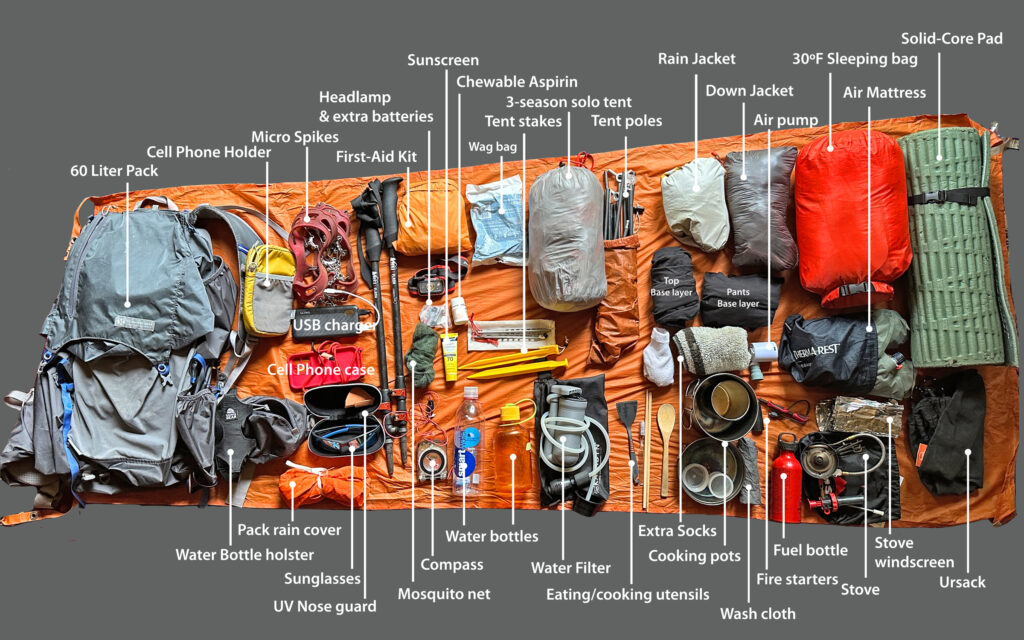
Many beginner adventurers may invest heavily in high-end gear without truly understanding how to use it effectively. For instance, a beginner hiker may purchase a state-of-the-art GPS device and an ultra-lightweight tent, thinking they are ready for a multi-day trek in the backcountry. However, without experience navigating in the wilderness, these items might not provide the benefits they expect.
Example: A novice climber may buy a high-end pair of climbing shoes, but if they lack the proper technique, the shoes will offer limited benefits. True skill comes from practice, not just the best equipment.
2. Gear Can Become a Crutch
Sometimes, relying too heavily on gear can actually limit one’s skills. If you are always relying on the latest tech to guide you, or you pack the lightest, most advanced gear, you might not develop critical survival skills such as map reading, shelter-building, or fire-starting. This is especially true for tech-heavy items like GPS systems, satellite messengers, and weather apps.
Example: Someone who’s new to wilderness backpacking might opt for a satellite phone instead of learning how to use basic navigation techniques. They might be more reliant on technology to solve problems rather than developing true problem-solving skills in the field.
3. The Know-How Behind Gear
Having high-quality equipment doesn’t automatically mean you’ll know how to use it. There’s a steep learning curve when it comes to using certain outdoor gear. Take, for instance, snowshoes or an avalanche beacon. These tools are extremely valuable in the right conditions, but without proper training, they can be rendered nearly useless.
Example: If a hiker carries a sophisticated first-aid kit but has no idea how to administer first aid, that kit is just a collection of supplies. It’s the knowledge of how to use the gear that separates a novice from an expert.
Understanding Your Skill Level: A Reflection in Your Gear
Now that we’ve examined the gear-skills paradox, let’s look at how your skill level actually shapes the gear you choose. There are three general categories to consider: the beginner, the intermediate adventurer, and the expert.
1. The Beginner: Over-Packing and Over-Reliance
When you’re new to outdoor activities, it’s natural to feel a bit overwhelmed by the sheer variety of gear available. Many beginners tend to overpack or rely too heavily on what’s trendy or highly rated. This can result in carrying gear that’s unnecessary or that you don’t yet know how to use.
Typical Gear Choices:
- Heavy, bulky tents: Not yet comfortable with ultralight options, beginners may go for something overly spacious and heavy.
- Expensive tech gadgets: GPS devices, apps, and satellite phones, which may feel essential but are often unnecessary for simple trails.
- Excessive clothing: Over-packing, with extra layers of clothing for every possible scenario, even if they don’t understand when to use them.

The beginner may not yet know how to lighten their pack or identify what truly matters in the field. Gear, in this case, often reflects a lack of experience—overwhelming, heavy, and impractical for the conditions.
2. The Intermediate Adventurer: Streamlining and Learning Efficiency
As you gain more experience, you start to hone your gear choices. You begin to understand what’s truly necessary, and you learn how to streamline your kit to make your trips more enjoyable and efficient. Intermediate adventurers might still rely on some higher-end gear, but they typically focus more on functionality rather than brand names or the latest trends.
Typical Gear Choices:
- Lightweight tents: Still aiming for comfort but understanding the importance of minimizing weight.
- Compact, multi-purpose tools: Instead of carrying multiple separate tools, you opt for versatile items like a multi-tool.
- Basic tech gadgets: You’ve likely learned how to use a GPS, compass, and maps without needing the most expensive devices.
The intermediate adventurer starts to tailor their gear to their specific needs and experiences, choosing quality over quantity.
3. The Expert: Minimalist and Highly Specialized
At this stage, gear becomes more about precision than luxury. Experts tend to favor minimalism and functionality, carefully selecting only what’s absolutely necessary. They’re highly specialized in their chosen outdoor pursuits, and their gear reflects this level of knowledge.
Typical Gear Choices:
- Custom gear: Experts may have gear custom-made or modified to their exact specifications. Think specialized climbing harnesses or hand-knitted wool socks.
- Ultralight gear: Every ounce counts, so their gear will be as lightweight as possible without sacrificing functionality.
- Knowledge-driven gear: The expert will carry exactly what’s needed for the specific environment, such as ultralight tarps for desert treks or cold-weather sleeping bags for high-altitude climbs.
The expert’s kit is well thought-out, functional, and stripped of anything unnecessary. They understand the value of experience over gear and make smart, informed choices based on the conditions they expect to face.
Key Takeaways: Does Your Gear Reflect Your Skills?
In conclusion, your outdoor gear can offer some insight into your skills, but it’s not the be-all and end-all of outdoor expertise. The key is not to get caught up in purchasing the latest and greatest gear but to focus on what truly suits your skill level and needs. Remember:
- Gear can be a crutch if you rely on it too much without developing practical skills.
- Experience trumps gear. The best outdoor adventures are often the result of good preparation, knowledge, and practice.
- Your gear should evolve as your skills do. As you gain more experience, you’ll find that you require less—simplifying your kit while ensuring it’s the most efficient and effective for your needs.
Ultimately, gear is just one piece of the puzzle. Your outdoor abilities are shaped by your experiences, your training, and your willingness to learn, adapt, and push your limits. If you want to become a true outdoor expert, focus on the journey—your gear will evolve with you.