









In recent years, virtual reality (VR) has emerged as one of the most revolutionary technologies, transforming not only the way we interact with digital worlds but also how we experience art. From fully immersive virtual galleries to interactive, 3D artworks, VR is reshaping the boundaries of creativity and challenging traditional notions of what art can be. But how is virtual reality truly changing the way we engage with art? What are the benefits and potential drawbacks of this new medium? And, most importantly, how does it alter the role of the viewer in the art experience?
The Evolution of Art and Technology
Art has always been deeply intertwined with technological advancements. From the early cave paintings, which were shaped by the primitive tools and materials of the time, to the birth of photography in the 19th century, technology has continuously expanded the ways in which we express and experience creativity. The advent of VR continues this legacy, pushing the limits of artistic expression into new realms.
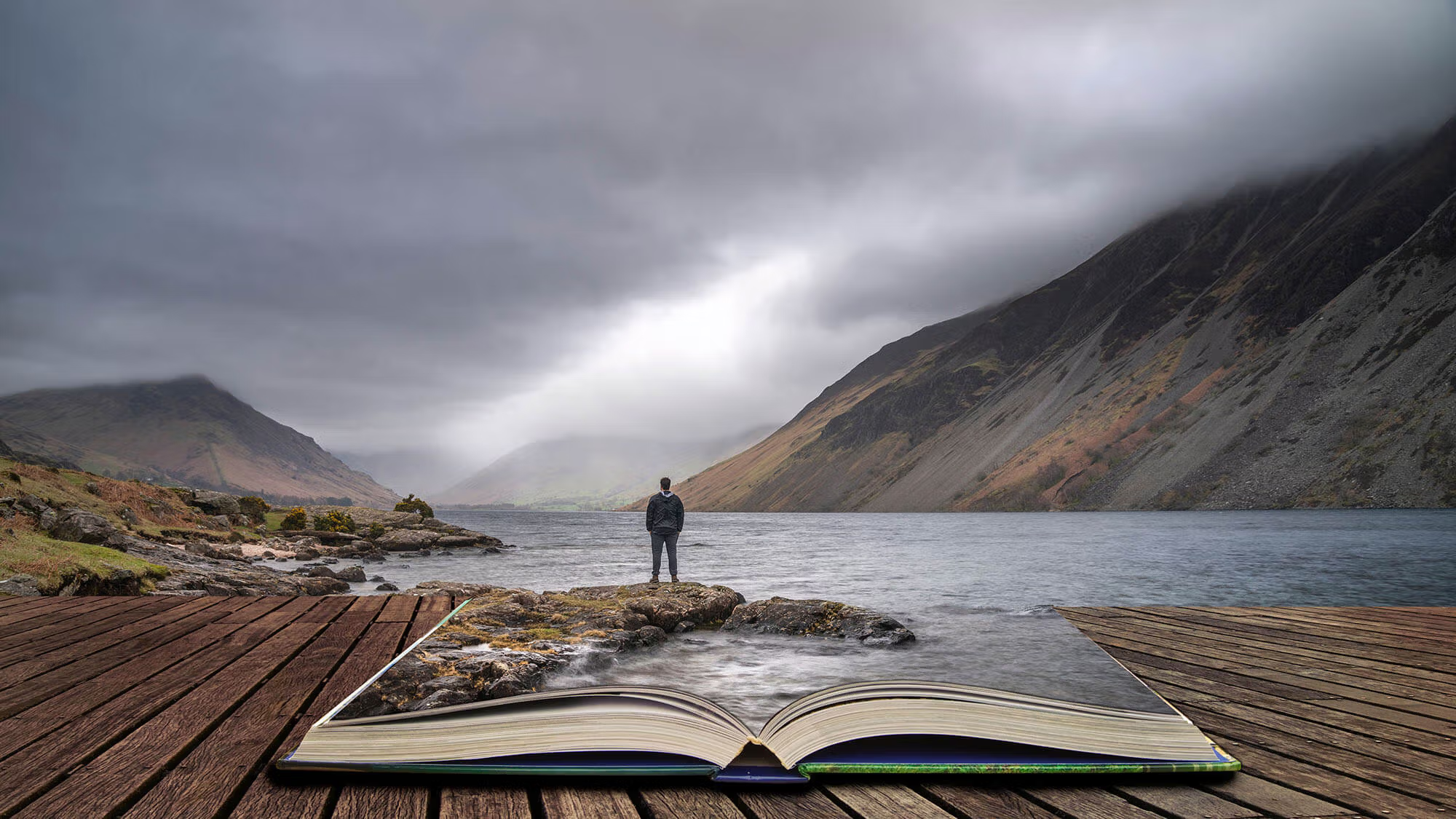
Virtual reality offers a unique platform for artists to engage with their audience on a multi-sensory level. Unlike traditional forms of art, where the viewer is a passive observer, VR art invites the audience to step inside the artwork, explore it, and even interact with it. This shift challenges conventional ideas of what art can be, transforming it from a static object into a dynamic, living experience.
Immersive Art: Beyond the Canvas
At its core, virtual reality art is about immersion. VR offers a sense of presence—allowing users to feel as if they are physically within the world of the artwork. Unlike flat paintings or sculptures, which require the viewer to remain outside of the work, VR art invites the viewer to become part of the experience. They can walk around a digital sculpture, touch it, or even alter it, creating a highly personalized interaction.
This interactivity is a crucial aspect of VR art’s appeal. Artists can now design works that respond to the movements, choices, and actions of the viewer, making the experience unique every time. Imagine stepping into a painting by Van Gogh or wandering through a surreal world created by a contemporary artist, where the elements of the environment shift and evolve as you move through it. This level of engagement is simply impossible with traditional forms of art.
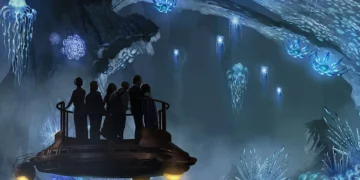
Moreover, VR allows for the creation of environments that cannot exist in the physical world. Digital landscapes, alien worlds, or mind-bending dreamscapes—these are now within the realm of possibility. Artists can explore the space between the real and the imagined, creating experiences that are at once grounded in reality and fully fantastical.
Art Galleries in the Virtual World
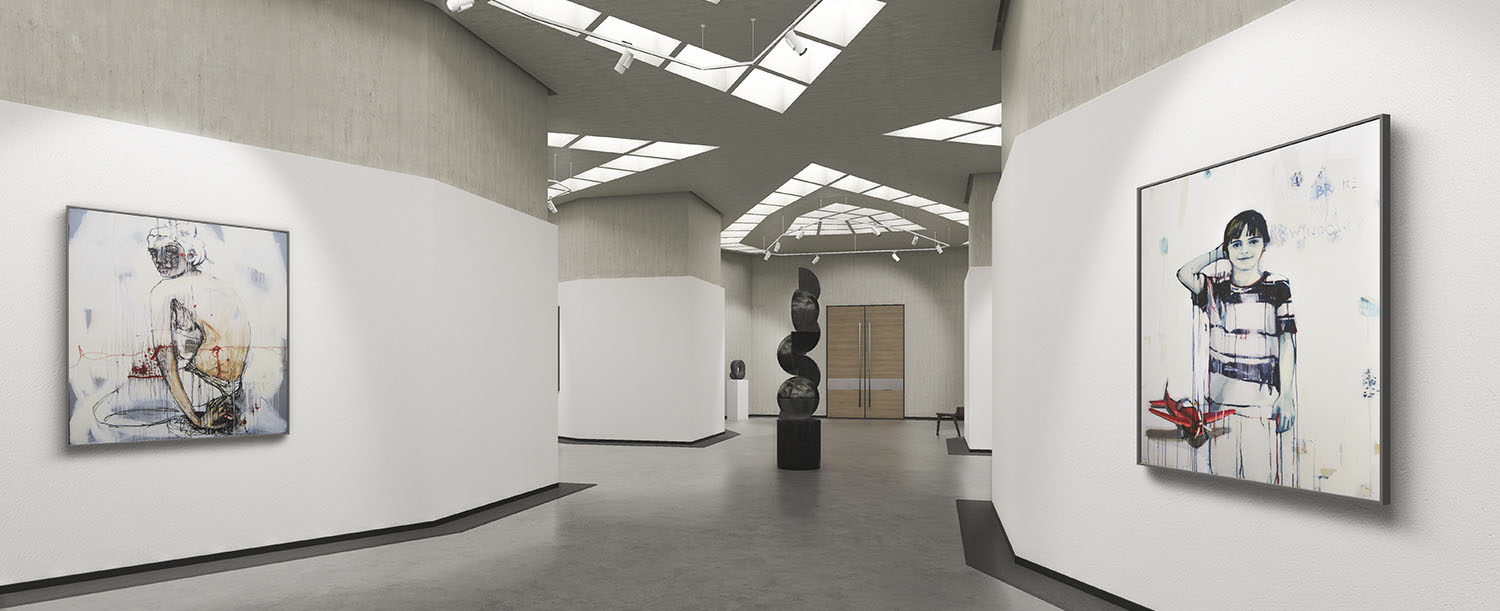
One of the most significant ways in which virtual reality is changing the art world is through its potential to revolutionize how we access and experience galleries and museums. The COVID-19 pandemic accelerated the digital shift in many industries, and the art world was no exception. With physical museums closed or limited in capacity, virtual galleries became an essential way for art institutions to connect with their audiences.
Virtual galleries offer a level of accessibility that traditional museums cannot match. People from all over the world can explore exhibitions from their own homes, regardless of geographical limitations. In some cases, VR can even replicate the feeling of walking through a physical space. Art lovers can wander from room to room, viewing high-resolution images of paintings, sculptures, and installations, all from the comfort of their couches.
Moreover, VR allows for novel curatorial approaches. In a virtual space, the layout of an exhibition can be entirely reimagined. Artwork can be displayed in ways that break free from the constraints of physical walls. For example, objects can be displayed in 360-degree environments or positioned in non-linear ways that challenge the viewer’s expectations. This opens up new possibilities for storytelling, interpretation, and interaction within the gallery setting.
The Democratization of Art
Another compelling aspect of VR is its potential for democratizing access to art. Traditional art forms are often confined to galleries, museums, and other spaces that require either a significant financial investment or proximity to major cultural hubs. For many people, access to the art world can be limited by factors like geography, cost, or exclusivity. Virtual reality, however, offers a more accessible alternative.
With VR, artists can create experiences that can be shared globally without the need for expensive physical exhibitions or travel. This makes it easier for emerging artists to showcase their work to a wider audience and for viewers to explore art from cultures, genres, and time periods they might not otherwise have encountered. It’s also worth noting that VR can offer accessibility features that traditional exhibitions cannot, such as audio descriptions or captioning, making it possible for individuals with disabilities to engage with art in new ways.
This democratization extends beyond access to viewing art; it also allows for new modes of art creation. VR platforms like Tilt Brush and Oculus Medium have become tools for artists to create directly within a 3D space, eliminating the need for traditional studio setups and materials. These tools enable artists to “paint” in mid-air, sculpt in virtual space, and animate their creations in ways that would be difficult or impossible in the physical world.
The Role of the Viewer: From Passive to Active
One of the most profound changes brought about by VR art is the shifting role of the viewer. In traditional art forms, the viewer is often seen as a passive participant. The audience gazes upon the artwork, interpreting it based on personal experience and cultural context. However, virtual reality changes this dynamic by inviting the viewer to become an active participant in the creation of the experience.
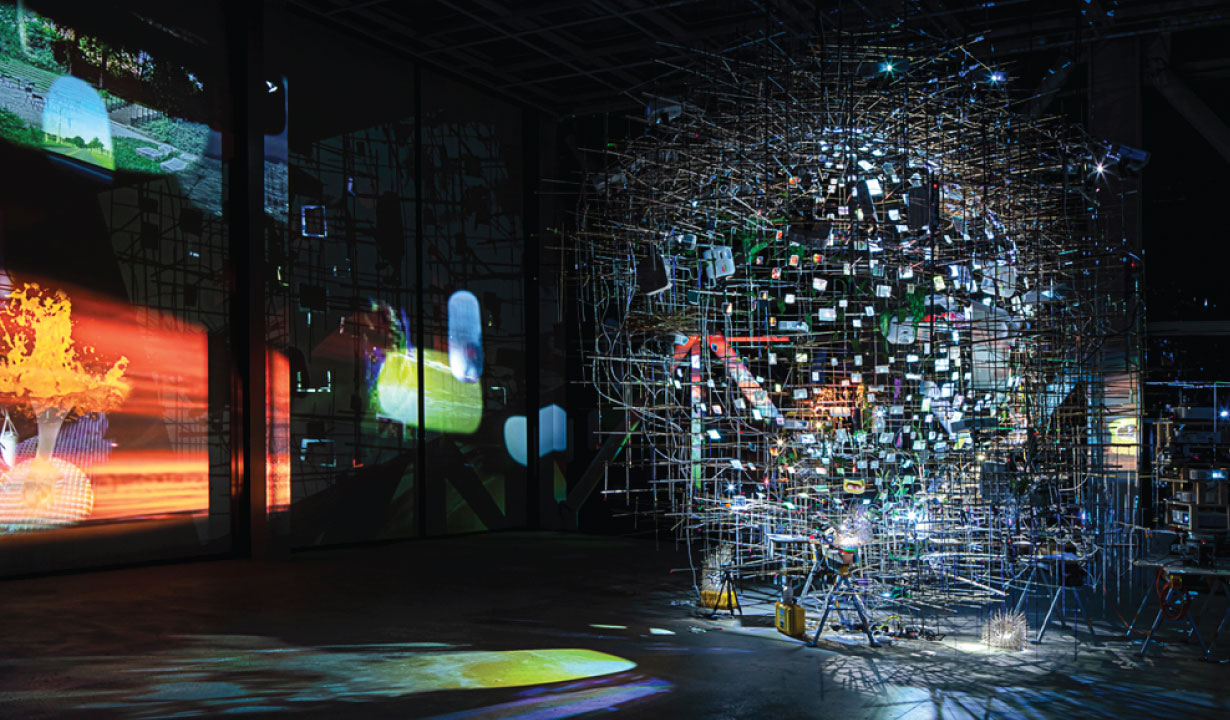
This active engagement goes beyond simply moving around a virtual space; it involves interaction. In some VR art installations, the viewer’s choices can directly influence the outcome of the work. For example, in ReBlink—a virtual reimagining of a historical painting—viewers can alter the composition of the artwork by touching different elements. In other installations, the viewer may have the ability to manipulate the environment, alter the lighting, or even create new shapes and forms within the virtual world.
This level of interaction encourages a deeper emotional connection with the artwork, as the viewer becomes co-creator, shaping the experience according to their own decisions. It’s a radical departure from the passive consumption of traditional art, where meaning is often dictated by the artist and the viewer simply absorbs it.
Challenges and Limitations of VR Art
While virtual reality offers many exciting possibilities, it is not without its challenges and limitations. One of the primary concerns with VR art is the potential for exclusion. Although VR can democratize access to art, it is still reliant on technology that may be inaccessible or unaffordable for some individuals. High-quality VR experiences often require expensive hardware, such as VR headsets, powerful computers, and controllers, which can create a barrier for many people.
Furthermore, VR experiences can sometimes be isolating. Unlike traditional art, which is often shared in social spaces with others, VR art typically requires individuals to engage with the artwork in solitude. While some VR installations are designed for group experiences, the majority of VR art is consumed individually, which may limit the sense of community and shared experience that is common in physical galleries.
There are also concerns about the sensory impact of VR. Prolonged exposure to VR can cause discomfort, such as eye strain or motion sickness, particularly for those who are new to the technology. This can be a barrier to broader adoption, especially if VR becomes a primary medium for experiencing art in the future.
The Future of VR Art
Despite these challenges, the future of VR art looks promising. As technology continues to improve, VR headsets are becoming more affordable, lighter, and user-friendly. We can expect to see more artists experimenting with virtual reality as a medium, pushing the boundaries of what’s possible and redefining the role of the viewer. In the coming years, we may see VR galleries become as commonplace as physical museums, offering a hybrid experience that blends the best of both worlds.
Moreover, as the technology behind VR continues to evolve, we may see more sophisticated ways for viewers to interact with art. Imagine an art piece that changes based on your emotional response, or a virtual world that adapts to your physical movements. The possibilities are endless, and we are only beginning to scratch the surface.