












Outdoor adventures have always been synonymous with self-reliance, resilience, and a deep connection with nature. But in recent years, a fascinating shift has occurred in the realm of outdoor gear. No longer are outdoor enthusiasts limited to traditional equipment and basic tools; instead, modern technology is reshaping the way we explore the great outdoors. From smart tents to solar-powered backpacks, high-tech hiking boots to GPS-enabled jackets, technology has introduced a new era of efficiency, safety, and sustainability to outdoor gear.
This article delves into the transformative role that technology plays in modern outdoor gear, focusing on how innovation enhances performance, improves safety, and provides environmental solutions for adventurers of all types.
1. The Evolution of Outdoor Gear: From Simplicity to Smart
Historically, outdoor gear was designed with functionality in mind—tents, backpacks, boots, and other essentials were made from durable materials meant to withstand the elements. But as the world has grown more connected, the line between the physical and digital has blurred, resulting in gear that goes beyond basic protection and utility.
A. Smart Fabrics and Textiles
One of the most significant advances in outdoor gear technology is the development of smart fabrics. These fabrics can monitor your body’s vitals, regulate temperature, and provide adaptive responses to changing weather conditions. For example, some outdoor jackets now come with built-in heating elements that can be controlled via a smartphone app, offering personalized warmth on cold expeditions. Breathable fabrics have also evolved, allowing sweat to evaporate quickly while keeping you warm and dry during strenuous activities.
B. Advanced Material Technology
Outdoor gear manufacturers are constantly pushing the boundaries of materials science. Take, for example, GORE-TEX, a fabric that has revolutionized waterproof, breathable outerwear. Modern hiking boots are equipped with improved soles made from vibram rubber to enhance traction and durability, even on slick or rocky terrains. These materials not only extend the lifespan of gear but also contribute to a safer and more comfortable experience.
2. The Power of Connectivity: Wearables and Smart Devices
Modern technology has also made its way into wearable devices, providing outdoor enthusiasts with critical data in real-time. These innovations give adventurers the tools they need to make informed decisions, stay safe, and enhance their performance.
A. GPS and Navigation Tools
Traditional maps and compasses are still essential for some, but GPS technology has significantly increased the reliability and accuracy of navigation. Whether it’s a smartwatch with built-in GPS or a handheld device, these tools help adventurers keep track of their route, monitor distance, and even signal for help in emergencies. Devices like the Garmin InReach provide two-way satellite messaging, allowing trekkers to stay in touch with loved ones, send distress signals, and share their location, even when there’s no cell service.
B. Fitness Trackers and Activity Monitors
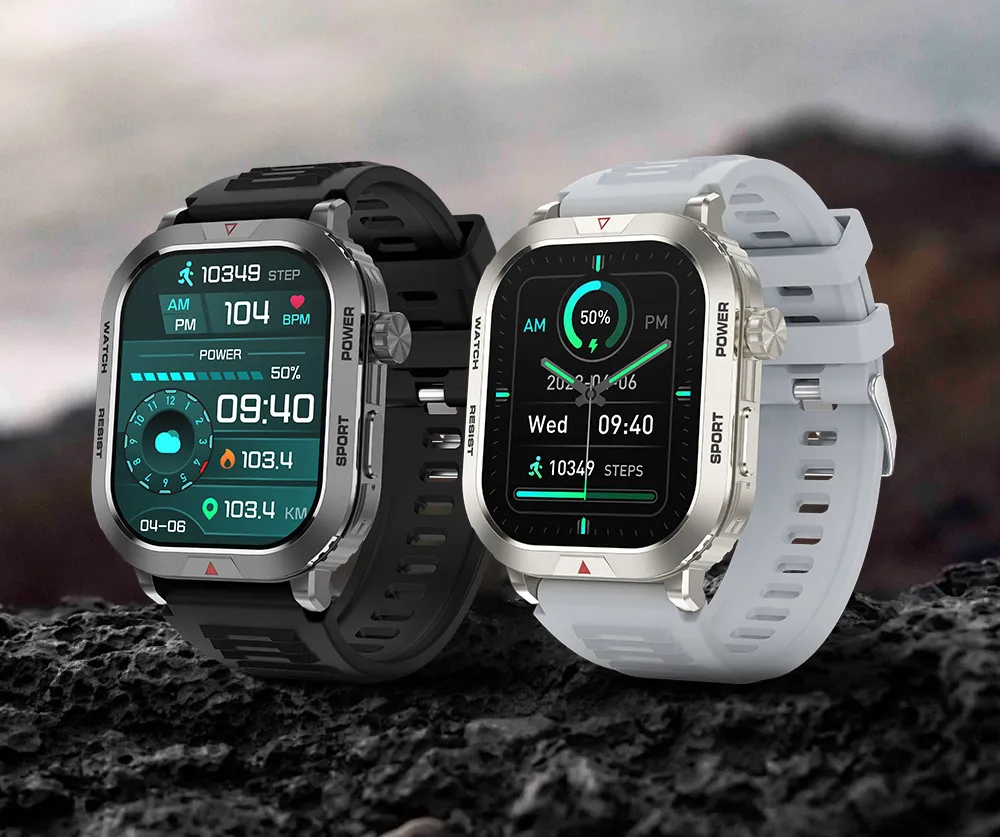
Fitness trackers like Fitbit and Suunto are now popular companions for outdoor enthusiasts, allowing hikers, climbers, and runners to monitor their activity levels, heart rate, and calories burned. These devices also track altitude, pace, and steps, providing a wealth of data that can be used to optimize performance and gauge physical endurance over time. For serious trekkers, some models even have built-in barometers and altimeters for more precise altitude readings.
C. Headlamps and Wearable Tech
For those who venture out at night, modern headlamps have become far more than just a light source. Today’s headlamps feature adjustable brightness levels, motion sensors to turn them on or off, and USB-rechargeable batteries that can last for hours. Some even have integrated Bluetooth speakers or small screens for GPS data display, combining convenience and functionality.
3. Sustainability and Eco-Friendly Innovations
As the outdoor industry continues to evolve, environmental sustainability has become a top priority for many companies. Technology has been pivotal in developing eco-friendly outdoor gear, designed to minimize environmental impact while maintaining high performance.
A. Solar-Powered Gear
One of the most exciting developments in outdoor technology is the rise of solar-powered gear. Solar panels integrated into backpacks, tents, and even clothing allow adventurers to charge devices, light up their campsites, or power essential tools using the sun’s energy. Solar-powered chargers are becoming essential for long-distance hikers, climbers, and campers who need a reliable power source in remote areas.
B. Recycled and Biodegradable Materials
Brands like Patagonia and The North Face are increasingly using recycled materials in their products, such as recycled polyester or nylon made from plastic waste. Some companies are even venturing into biodegradable materials to reduce the gear’s ecological footprint after its life cycle. These advancements in materials technology are crucial for reducing the environmental impact of outdoor gear.
C. Energy-Efficient Lighting and Heating
Another area where technology is playing a role in sustainability is in the development of energy-efficient lighting and heating systems. LED lights, for example, are now standard in most outdoor lamps and headlamps due to their low energy consumption and long battery life. Similarly, outdoor heating pads and portable heaters are now more energy-efficient, providing warmth without consuming excessive fuel.
4. Safety and Emergency Technology
When venturing into the wild, safety is a paramount concern. Technological innovations in outdoor gear have made it possible for adventurers to respond to emergencies faster and more effectively than ever before.
A. Satellite Communication Devices
While satellite phones have been around for years, newer models like the SPOT Gen3 and Zoleo are designed for backcountry adventurers who need reliable communication in remote areas. These devices offer the ability to send SOS distress signals, track your journey, and communicate with emergency responders, even in the most isolated locations where there’s no cellular service.
B. Avalanche Safety Gear
For backcountry skiers and snowboarders, avalanche safety technology has made great strides. Modern avalanche beacons are more accurate and faster in locating buried individuals, drastically improving rescue times. Newer airbag packs can also help prevent burial by deploying a large balloon that keeps the wearer near the surface during an avalanche. These technologies are credited with saving lives in dangerous, high-risk environments.
C. First Aid Tech
Portable, smart first aid kits have taken the place of traditional, bulky kits. These kits are equipped with sensors to monitor wounds and advise on treatment, often linked to an app that can help provide real-time medical guidance. In addition, new trail-side diagnostic tools can detect certain conditions, like dehydration or heat stroke, and recommend immediate action based on data.
5. Performance Enhancements in Clothing and Footwear
Technology isn’t limited to gadgets—it’s also a driving force behind the evolution of outdoor clothing and footwear, optimizing comfort, performance, and durability.
A. Footwear Innovation
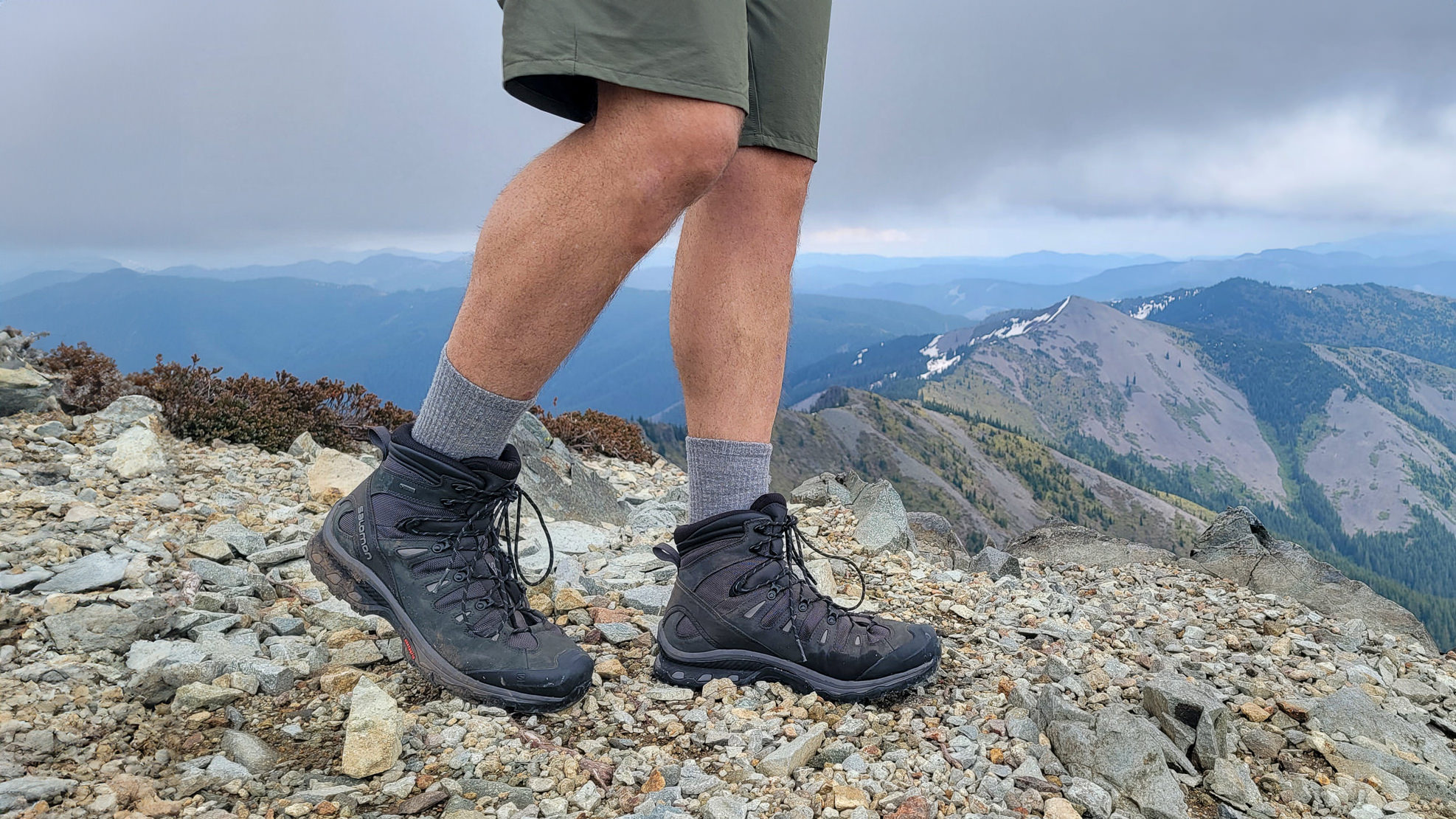
Outdoor boots have undergone a technological revolution, with modern designs incorporating vibration-reducing soles, shock-absorbing materials, and waterproof membranes. Brands like Columbia and Salomon use advanced cushioning systems that provide enhanced comfort during long hikes, while energy-return soles in running shoes help conserve energy over extended treks. Newer footwear technologies even include self-adjusting insoles for a personalized fit.
B. Dynamic Insulation
Modern insulating layers are no longer just about trapping heat. Phase-change materials (PCMs) are now incorporated into jackets, vests, and pants, allowing them to regulate temperature by absorbing and releasing heat. These materials can change their physical state based on the surrounding temperature, ensuring that adventurers stay comfortable across a wide range of conditions.
C. Smart Footwear
Some of the most innovative footwear designs today come with embedded sensors that track gait, foot pressure, and temperature, offering real-time feedback to optimize performance and prevent injury. These smart boots can sync with a mobile app to monitor wear patterns and offer recommendations for better posture or foot care.
6. Outdoor Gear Designed for Adventure Sports
Technology is not only improving traditional outdoor gear but also advancing the performance of equipment used in extreme adventure sports.
A. Smart Helmets for Climbing and Biking
Modern climbing helmets come equipped with impact sensors, communication systems, and LED lighting to ensure safety and visibility in dark or high-risk environments. Cycling helmets also feature built-in Bluetooth technology, allowing cyclists to communicate hands-free, track performance metrics, or listen to navigation cues while riding.
B. Drones for Aerial Surveillance
Drones have become a valuable tool for mountain bikers, climbers, and extreme sports athletes, offering an aerial perspective of trails, climbs, or terrain. Drones equipped with high-definition cameras are used to document expeditions, scout out potential dangers, and even aid in search-and-rescue missions.
C. GoPro and Action Cameras
No discussion about technology in outdoor sports would be complete without mentioning GoPro and other action cameras. These durable, waterproof devices have revolutionized how we document outdoor adventures, offering high-quality video footage that can withstand the roughest conditions. Coupled with smart mounts and stabilization technology, action cameras have become essential for thrill-seekers.
Conclusion
The integration of technology into outdoor gear has opened up new possibilities for adventure and exploration. Whether enhancing comfort, boosting performance, improving safety, or minimizing environmental impact, technology has revolutionized the way we interact with the natural world. As we continue to innovate and push boundaries, we can expect even more sophisticated, eco-friendly, and user-focused gear to accompany us on our next journey into the great outdoors.