












Introduction: The Rise of Trail Networks in Sustainable Travel
The concept of sustainable travel has been gaining significant traction in recent years. As environmental concerns intensify and the world seeks solutions to mitigate climate change, travelers are increasingly looking for ways to explore the world without leaving a detrimental impact. In this context, trail networks are emerging as a critical part of the solution. These carefully planned systems of interconnected pathways, whether for hiking, cycling, or even multi-modal transport, offer an eco-friendly alternative to traditional forms of tourism that often contribute to environmental degradation.
But are trail networks really the future of sustainable travel? Let’s explore this fascinating subject, examining how trail systems are shaping the future of travel, their environmental benefits, and the economic opportunities they bring.
What are Trail Networks?
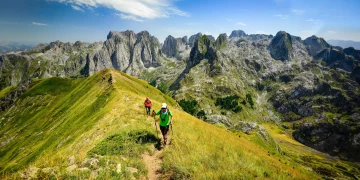
At its core, a trail network is a system of marked pathways, often linking together multiple routes over various types of terrain, from forests to mountains to coastal areas. These networks are designed to allow people to travel sustainably, encouraging outdoor activities like hiking, cycling, or even horse riding, in a way that minimizes environmental impact.
In recent years, many countries and regions have recognized the benefits of trail systems and have worked to create well-maintained, interconnected trails. These are often part of larger initiatives, such as national parks or nature reserves, aimed at protecting natural spaces while providing access for recreation and tourism.

The Environmental Benefits of Trail Networks
One of the main arguments in favor of trail networks is their positive impact on the environment. Traditional travel—especially by car, plane, or mass tourism—has long been a major contributor to environmental degradation. From carbon emissions to the destruction of natural landscapes, tourism can often leave a lasting negative impact. Trail networks, by contrast, present a more sustainable way to explore nature, offering numerous environmental benefits:
- Reducing Carbon Emissions: Walking and cycling, the primary modes of transport within trail networks, produce little to no carbon emissions compared to cars, buses, and airplanes. By shifting travelers away from motorized vehicles and encouraging eco-friendly modes of transportation, trail networks contribute to a significant reduction in the overall carbon footprint of tourism.
- Conserving Natural Habitats: Trail networks, especially those carefully planned within protected areas such as national parks, help to concentrate human activity in designated areas. This reduces the risk of environmental degradation caused by unregulated or uncontrolled foot traffic, as trails help guide visitors away from sensitive ecosystems.
- Promoting Biodiversity Conservation: Trails create an opportunity to educate travelers about local flora and fauna. Many trail systems are designed to pass through areas of high biodiversity, allowing tourists to experience these environments while fostering a sense of connection to nature. When people understand the importance of preserving these areas, they are more likely to support conservation efforts.
- Encouraging Responsible Tourism: Trail networks often come with educational signage, guided tours, and ethical guidelines that promote responsible travel. These tools help raise awareness about local environmental issues and teach travelers about sustainable practices, such as leaving no trace and respecting wildlife.
The Economic Impact of Trail Networks
While environmental benefits are at the heart of the trail network movement, there are also significant economic opportunities that these networks bring to local communities. Trail systems can boost local economies in a variety of ways:
- Tourism Revenue: Trail networks often become a magnet for tourists, especially those who seek outdoor adventures. Hikers, cyclists, and nature enthusiasts spend money on accommodation, food, equipment, and guided tours, all of which inject revenue into local businesses. Regions with well-developed trail systems can position themselves as eco-tourism hubs, attracting both domestic and international visitors.
- Job Creation: The creation and maintenance of trail networks also generate employment opportunities. From trail builders and park rangers to hospitality staff and tour guides, the infrastructure surrounding trail systems can support a wide range of jobs, contributing to the local economy.
- Long-Term Economic Growth: By investing in sustainable infrastructure, trail networks encourage long-term economic development. Unlike mass tourism that may lead to overcrowding and over-tourism in certain hotspots, trail networks promote a more balanced and sustainable flow of visitors, preventing local economies from becoming overly reliant on peak seasons.
- Diversification of Local Offerings: Many communities are discovering that trail networks can complement other forms of local tourism, such as cultural or culinary tourism. By combining outdoor experiences with visits to local museums, markets, or heritage sites, trail networks can help diversify the tourist experience, offering a broader range of activities that appeal to a variety of travelers.
Social and Health Benefits of Trail Networks
Beyond the environmental and economic advantages, trail networks also contribute to public health and social well-being:
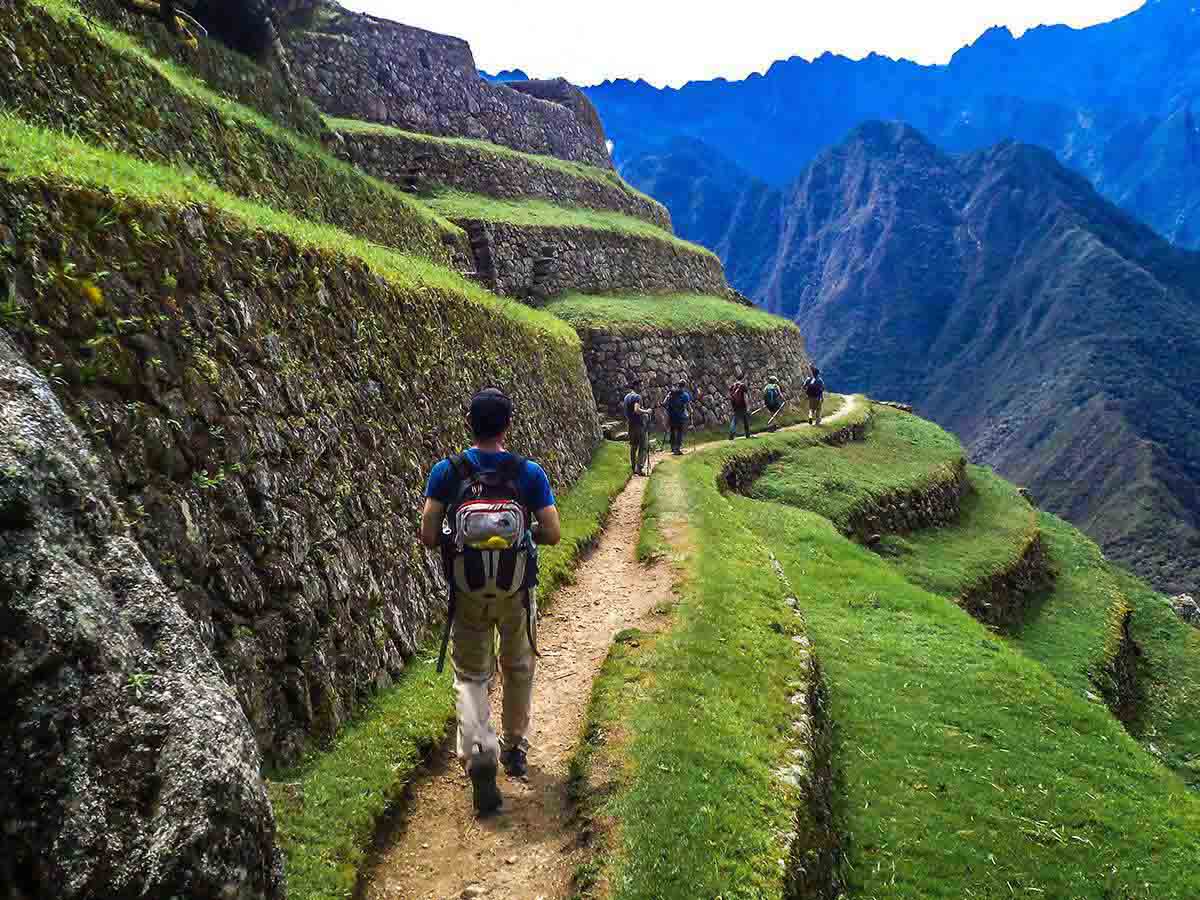
- Improved Mental and Physical Health: Engaging with nature has long been shown to have positive effects on mental and physical health. Hiking or cycling on trails can reduce stress, enhance mood, and promote cardiovascular health. This makes trail networks an excellent way to improve the well-being of not just travelers, but also local communities who use these trails for recreation.
- Community Engagement and Cohesion: Trail networks can also foster a sense of community pride and engagement. When locals become involved in the creation and maintenance of trails, they develop a deeper connection to their environment. Furthermore, these networks often serve as places for social gatherings, outdoor events, and group activities, helping to strengthen community ties.
- Encouraging Outdoor Education: Many trail networks include educational components, such as interpretive signs or guided nature walks, which teach visitors about the local environment, history, and culture. This helps to foster a sense of stewardship and responsibility toward nature among both residents and tourists.
Challenges and Obstacles to Trail Network Development
While the concept of trail networks is undoubtedly promising, there are several challenges that need to be addressed to ensure their success:
- Funding and Investment: Developing and maintaining trail networks can require significant investment, both from public and private sectors. Funding for infrastructure, trail maintenance, signage, and safety measures is essential for ensuring that these networks are safe, sustainable, and accessible.
- Conflict of Land Use: In some regions, trail networks can clash with existing land use priorities, such as agriculture, forestry, or conservation. Ensuring that trails are carefully planned and integrated with other land use activities is crucial to preventing conflicts and ensuring that the environment is protected.
- Overcrowding and Over-Tourism: Even though trail networks aim to promote sustainable tourism, there is still the risk of overcrowding in certain hotspots, especially if the trail network becomes too popular. Overcrowding can lead to degradation of the environment and a decrease in the quality of the visitor experience. Proper management and limits on the number of visitors can help mitigate this.
- Access and Equity Issues: Not all communities have equal access to trail networks. Some regions may struggle with the necessary infrastructure to support visitors, such as public transportation, accessibility for people with disabilities, or affordable accommodations. Ensuring equitable access for all is a critical factor in the success of trail networks.
Trail Networks and the Future of Travel
Trail networks represent a promising avenue for the future of travel, particularly as the world faces the growing challenges of climate change, over-tourism, and environmental degradation. By shifting travel away from carbon-intensive modes of transportation and towards more sustainable forms of exploration, trail networks offer a path to a greener, more responsible future for tourism.
In addition to environmental and economic benefits, these networks foster physical activity, mental health benefits, and community pride. As more regions develop interconnected trails and as demand for eco-friendly travel continues to grow, trail networks could become central to the travel industry, reshaping how we think about exploration.
Conclusion
As we look to the future, the growing role of trail networks in sustainable travel seems inevitable. They offer a way to balance the needs of the environment, the economy, and communities while providing travelers with authentic, memorable experiences. However, to fully realize the potential of trail networks, careful planning, investment, and management are essential. By prioritizing sustainability, equity, and responsible tourism, trail networks can become the cornerstone of a more eco-conscious travel industry, helping to create a more sustainable world for future generations.