












High-speed cycling, whether in professional races or recreational rides, demands precision, efficiency, and a seamless experience for the rider. The bicycle groupset, the combination of components that control the transmission of power from the rider to the wheels, plays a central role in delivering all of this. In recent years, the concept of noise-optimized gear design has emerged as a key selling point for many high-performance groupsets. But is it truly the game-changer manufacturers suggest it is? Or has the emphasis on quieter, smoother shifting become somewhat overrated in the context of high-speed cycling? This article dives into the question, evaluating the importance of noise optimization in gear design for top-tier cycling groupsets.
The Importance of Gear Design in High-Speed Cycling
Before we delve into whether noise-optimized designs are overrated, it’s important to understand why gear design matters in high-speed cycling. A groupset is not just a collection of components—it is the system that connects the rider to the bike’s performance. The efficiency of the groupset directly influences factors like energy transfer, comfort, and overall ride quality. For competitive cyclists, every second counts, and for weekend warriors, the experience of smooth and predictable shifting can make or break the ride.
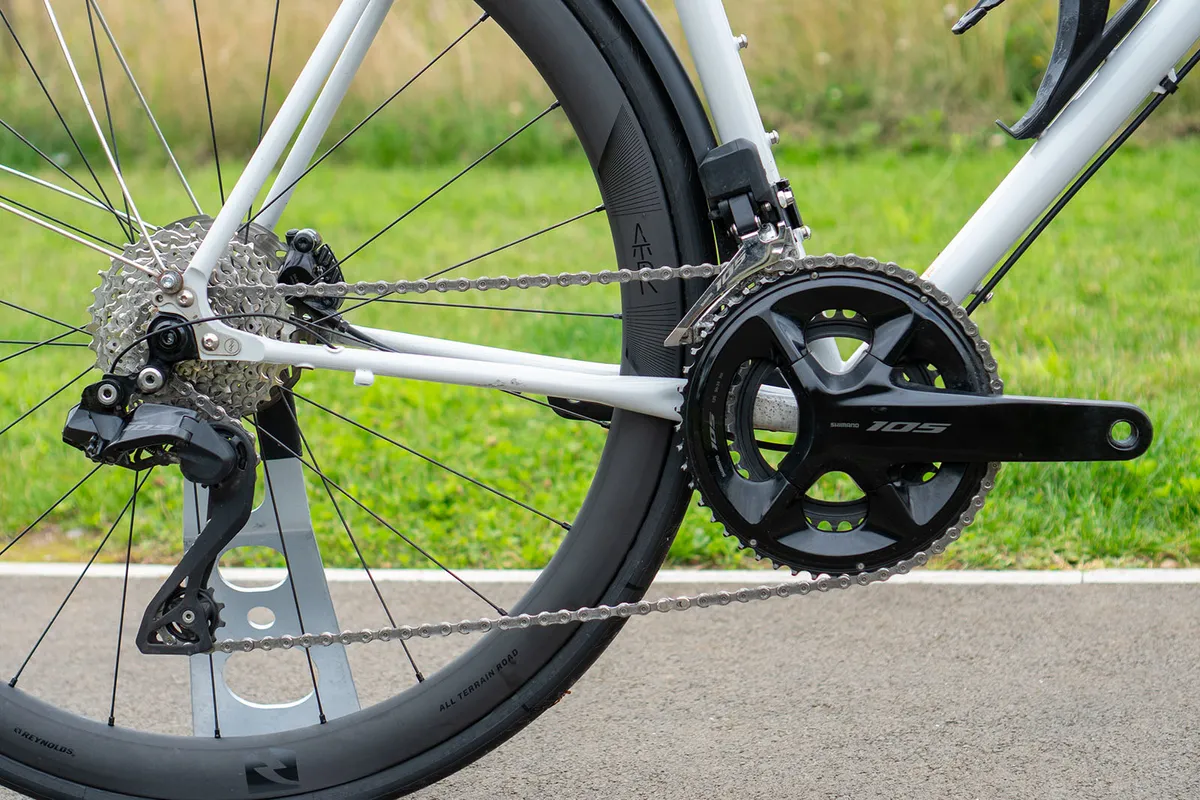
Cycling groupsets consist of several parts: front and rear derailleurs, shifters, cassettes, chainrings, and chain. Each component needs to work harmoniously, transferring the rider’s input to the wheels with minimal loss of power and effort. High-end groupsets often prioritize performance aspects like durability, speed of shifting, and weight reduction. But in recent years, there’s been a noticeable trend toward designing quieter systems.
Noise-Optimized Gear Design: The Selling Point
The idea behind noise-optimized gear design is straightforward—reduce the mechanical noise generated by the shifting process. Noise in this context typically comes from friction between the chain and cogs, the derailleur movement, or the engagement of the freewheel mechanism. It’s an inevitable side effect of the precision mechanics at work.
Many manufacturers, including Shimano, SRAM, and Campagnolo, have invested in reducing this noise through various innovations. These include:
- Specialized coatings and lubricants: Lubricating surfaces or applying coatings like ceramic treatments can reduce friction, which often leads to quieter operation.
- Advanced derailleur technology: By redesigning the shape and positioning of the derailleurs, manufacturers can reduce the amount of contact between moving parts, further minimizing noise.
- Optimized chain links and tooth profiles: Some groupsets have refined the shape of their chain links or cassette teeth to create smoother transitions, which in turn reduces mechanical noise.
- Buffer systems: Certain high-end groupsets use internal dampers or buffer systems to absorb vibrations that might otherwise translate into noise.
On the surface, this seems like a significant leap in engineering. Noise-free gear changes can offer a smoother, more refined ride experience. But how much of this is truly critical in the context of high-speed cycling?
Is Noise That Important in High-Speed Cycling?
Noise reduction is undoubtedly a technical feat, but the question remains: is it essential for performance? Let’s consider two key perspectives: the competitive cyclist and the recreational cyclist.
The Competitive Cyclist’s Perspective
In professional cycling, every millisecond counts. At the elite level, cyclists are engaging in intense sprints, climbing, and technical descents, where even the smallest gain in performance can make a difference. But noise? Noise from a derailleur or chain might be a nuisance, but it doesn’t directly affect the power transfer or speed of the bike. Most cyclists don’t even notice minor noise during a race, where their focus is on their pacing, tactics, and the course itself.
Professional riders also wear helmets and are often surrounded by a cacophony of crowd noise, wind, and their teammates. While quieter shifting may be more pleasant during a training session, in the heat of a race, it’s not a priority. More significant factors like gear ratio choice, weight, aerodynamics, and overall shifting speed matter far more.
Moreover, noise in a high-speed race setting is rarely a sign of malfunction. In fact, some noise in the system can even provide valuable auditory feedback to riders. A chain might make a distinctive sound when it is near the limit of its gear range, giving the rider a sense of timing for shifting or the condition of the drivetrain.
The Recreational Cyclist’s Perspective
For everyday riders, noise-optimized gear design may seem like a more attractive proposition. Quiet gear shifts can enhance the overall experience, making rides more enjoyable, particularly on longer journeys or in environments where the bike is used for commuting. Silence can also feel like an indicator of smooth operation, creating a sense of comfort and reassurance for the rider.
However, even among recreational cyclists, the actual impact of noise reduction is minimal. Most riders are not concerned with minor shifts in noise levels, and their main focus remains comfort and ease of use. After all, the time spent in gear transitions on a recreational ride is limited compared to the precision required for professional cycling. What’s more important to the average cyclist is having reliable shifting under a variety of conditions—whether that’s wet weather, muddy trails, or long road rides.

The Real Benefits of Noise-Optimized Gear Design
While it’s easy to dismiss noise-reducing innovations as marketing gimmicks, there are genuine benefits to noise-optimized gear design. In particular, the innovations that reduce friction and improve the overall efficiency of the system are worth noting. Even if noise reduction isn’t the driving factor, these improvements often lead to smoother, more consistent shifting, and longer component life.
- Reduced friction = increased efficiency: When a groupset operates more smoothly, less energy is lost in the form of friction. This translates into a more efficient transfer of power from the rider to the wheels.
- Less wear on components: When noise is reduced, it’s often because friction has been minimized. Less friction means less wear on the chain, cogs, and derailleurs, which extends the lifespan of these components.
- Improved comfort and control: While noise may not be the most critical factor in high-speed performance, it does contribute to a more pleasant and controlled riding experience. The less distraction a rider has from unwanted noise, the more mental energy they can focus on the ride itself.
Noise in Context: A Question of Priorities
So, is noise-optimized gear design overrated in high-speed cycling groupsets? It depends on what you consider to be the most important factors. For professionals, performance metrics like shifting speed, durability, weight, and aerodynamics will always outweigh the importance of noise. As cycling continues to push the boundaries of speed and technology, innovations like electronic shifting and improved derailleur mechanics will continue to evolve. These advancements focus on efficiency and precision—issues that directly affect performance.
For recreational cyclists, however, the shift toward quieter systems may be more relevant. Although noise reduction won’t directly make the bike faster or more responsive, it can significantly enhance the riding experience. When the goal is enjoyment, comfort, and longevity, quieter gears can make a noticeable difference. Additionally, quieter designs often come hand-in-hand with other refinements that improve performance, even if the noise itself isn’t the driving factor.
Conclusion: Noise vs. Performance—A Balance to Strike
In conclusion, noise-optimized gear design is not overrated, but it is often given more attention than it deserves when it comes to performance. The underlying technological advancements that contribute to noise reduction—such as improved lubrication, better chain design, and refined derailleur mechanics—do have a tangible impact on efficiency and component longevity. However, for high-speed cycling, noise itself is a secondary concern compared to aspects like shifting speed, weight, and durability.
As cycling technology continues to evolve, the focus will likely shift towards integrating both noise reduction and performance optimization into groupsets. The best designs will balance both, ensuring that riders of all types can enjoy the benefits of smoother, quieter shifts without sacrificing performance. In the end, whether you’re racing for gold or cruising on your weekend ride, the quietest ride may not always be the best ride—but a smooth, efficient one will always be a joy.