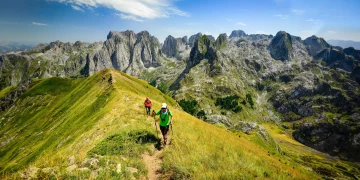













Hiking is more than just a physical activity; it’s an immersive experience that connects us to nature, offering both solitude and adventure. For avid trekkers and outdoor enthusiasts, finding “hidden trails” in popular hiking destinations can provide a sense of discovery and exclusivity. However, in an age where GPS apps and trail reviews dominate the outdoor landscape, is it still possible to uncover these elusive paths? Let’s explore the question in depth.
The Allure of Hidden Trails
Hidden trails are, by their very nature, alluring. They promise solitude, serenity, and the kind of experience that popular, well-trodden trails simply can’t offer. But what makes a trail hidden? Often, it’s one that isn’t part of the main route, not well-documented in guidebooks, or even one that locals know but tourists don’t. These trails are often overshadowed by the mainstream paths, which can be overcrowded and commercialized.
The charm of hidden trails lies in their seclusion. They allow hikers to immerse themselves in nature without the noise, both literal and metaphorical, that comes with more popular destinations. The sense of discovery also adds a layer of excitement. For seasoned hikers, it’s an invitation to explore beyond the obvious, to find untouched beauty that hasn’t yet been overwhelmed by the masses.
Why Hidden Trails Still Exist in Popular Destinations
You might think that in today’s digital age, every trail is accounted for, especially in high-traffic areas. Yet, hidden trails still exist in abundance for a number of reasons:
1. Overlooked Locations
Many hiking destinations are vast and have networks of smaller, lesser-known trails. These are often overshadowed by the larger, more famous routes. For instance, in national parks like Yosemite or the Great Smoky Mountains, you can find trails that are either less publicized or even abandoned over time. These paths, though not as well-maintained, can lead to beautiful, less crowded vistas.

2. Seasonal and Weather Conditions
Some trails are difficult to access during certain seasons, or may be less navigable due to weather conditions. As a result, they are often forgotten or ignored by mainstream hikers. These trails may reappear when conditions are favorable but are rarely as publicized as their more consistent counterparts.
3. Environmental Protection Measures
Certain trails are purposefully kept out of the public eye to protect the environment. Popular parks or protected areas often have “secret” trails that are only shared with a select few, such as park rangers, environmental researchers, or local guides. These trails allow nature to flourish without the disturbance of large groups of hikers.
4. Local Knowledge and Word of Mouth
Local guides or residents may know about these hidden trails but only reveal them to those who are “in the know.” They are often passed down by word of mouth and can sometimes be unlisted online. These hidden gems are usually less traveled, preserving their natural beauty and preventing overuse.
How to Find Hidden Trails in Popular Destinations
Finding hidden trails is not always an easy task, but it’s not impossible. Here are a few strategies that can help you uncover those elusive paths.
1. Research Beyond Mainstream Sources
Popular hiking websites, blogs, and apps often list the main trails, but they rarely highlight the less-known ones. To find hidden gems, you may need to look at smaller, more niche resources. Search for local hiking forums, park websites, or trail networks that may feature maps of the lesser-known paths. Additionally, guidebooks that focus on “off-the-beaten-path” trails are also an excellent source.
2. Ask Locals and Experienced Hikers
No one knows the land better than those who live in or around it. When you visit a popular hiking destination, strike up a conversation with locals—whether it’s at a café, a visitor center, or a trailhead. Often, they can provide insights on lesser-known paths that are not mentioned in guidebooks or on websites. Experienced hikers, especially those who’ve lived in the area for a while, might also offer valuable recommendations.
3. Venture Off the Beaten Path
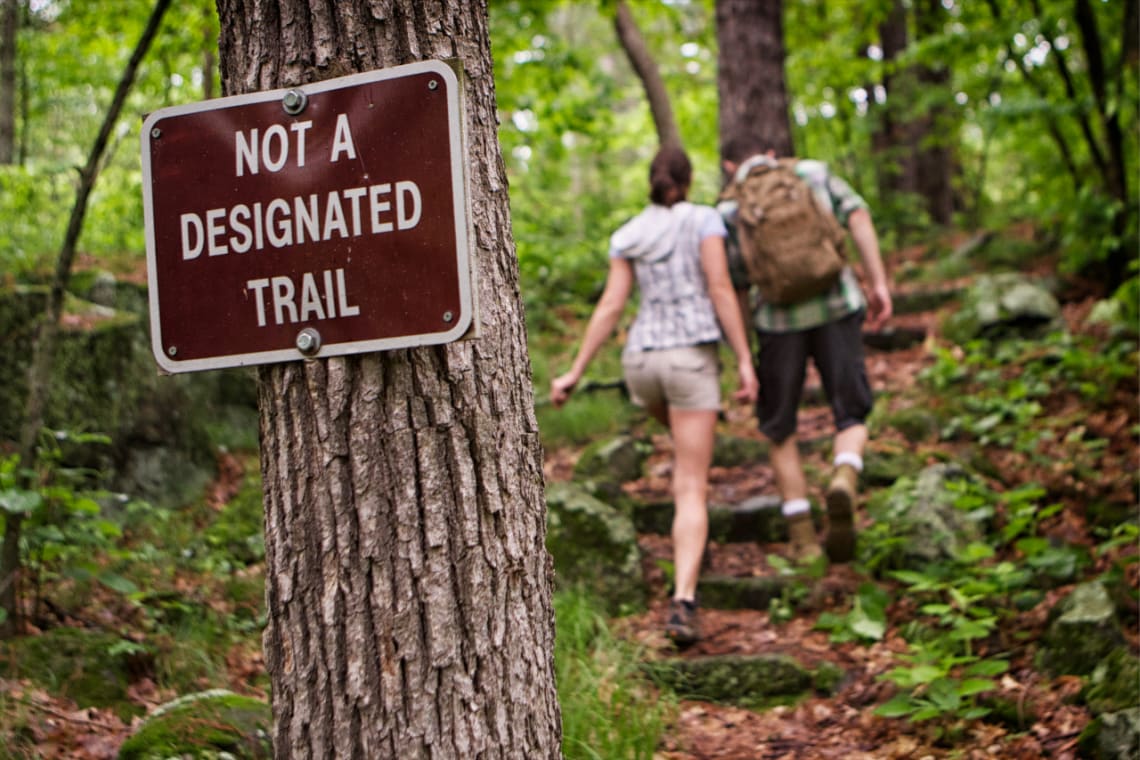
While hiking a well-known trail, keep your eyes peeled for unmarked paths or faint signs of previous foot traffic. Sometimes, hidden trails begin as small forks or little-used paths off the main trail. Though they may not always be as well-maintained or marked, following these lesser-travelled routes could lead you to a secluded part of the destination. This method requires some confidence, navigation skills, and a willingness to venture away from the familiar.
4. Use Old Maps or GPS Resources
Old maps or GPS resources might reveal trails that are no longer in regular use or have fallen out of the spotlight. You might find paths that were once popular but have since faded from mainstream attention. These trails may not be listed on modern apps, but historical maps, topographic charts, or even vintage trail brochures can provide a treasure trove of hidden paths.
5. Explore During Off-Peak Seasons
Certain trails may be difficult to find during peak tourist seasons, but in off-peak times, the situation changes. Spring and fall are particularly good times to explore more remote areas. With fewer hikers, you may be able to find hidden trails that are otherwise overshadowed during busy months. Additionally, lower foot traffic means the trails are more likely to remain in their natural, unspoiled state.
Challenges of Finding Hidden Trails
While the idea of discovering hidden trails is exciting, it’s not without its challenges. Hiking lesser-known trails can be more difficult for a variety of reasons.
1. Lack of Clear Markers
Many hidden trails don’t have clear markers or signs. This means you’ll need to rely heavily on your map, compass, or GPS. Some trails may be poorly maintained, making them harder to navigate. The path might be overgrown or dotted with fallen trees, so make sure to take extra precautions and prepare for the possibility of an adventure off the grid.
2. Safety Concerns
Hidden trails are often less frequented, which means help might be further away in case of an emergency. It’s essential to prepare properly: carry enough water, a first-aid kit, and a reliable means of communication. If you venture into unknown areas, consider hiking with a companion or letting someone know your plans. Being aware of your surroundings and taking a few extra safety measures can ensure a safe experience.
3. Legal and Environmental Issues
Not all hidden trails are meant to be explored, and some may be located in protected or restricted areas. Always check local regulations to ensure you’re not trespassing or violating any rules. In some cases, hidden trails may pass through areas that are fragile or ecologically sensitive, so it’s important to tread lightly to preserve the environment for future hikers.
Should You Seek Out Hidden Trails?
The appeal of hidden trails is undeniable, but they come with their own set of challenges. For hikers looking for a quieter, more isolated experience, the pursuit is well worth it. However, it’s essential to be prepared and responsible. Respecting nature, following guidelines, and knowing when and how to explore hidden paths can provide a rewarding, unforgettable adventure.
For others who prefer the safety and ease of popular trails, hidden paths may seem too daunting or unpredictable. There’s nothing wrong with enjoying the main trails and the beauty they offer—sometimes, the most popular routes are popular for a reason.
Conclusion
In the end, the question remains: is it possible to find hidden trails in popular hiking destinations? The answer is a resounding yes, though it requires effort, preparation, and an adventurous spirit. Hidden trails are not just about discovering new paths—they’re about experiencing the wilderness in a more intimate, personal way. So, the next time you find yourself at a crowded trailhead, remember that the adventure might lie just beyond the well-worn path.