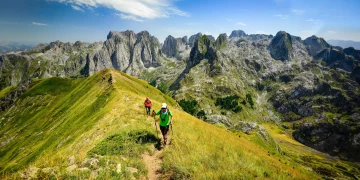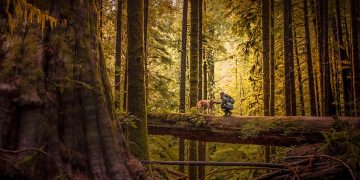


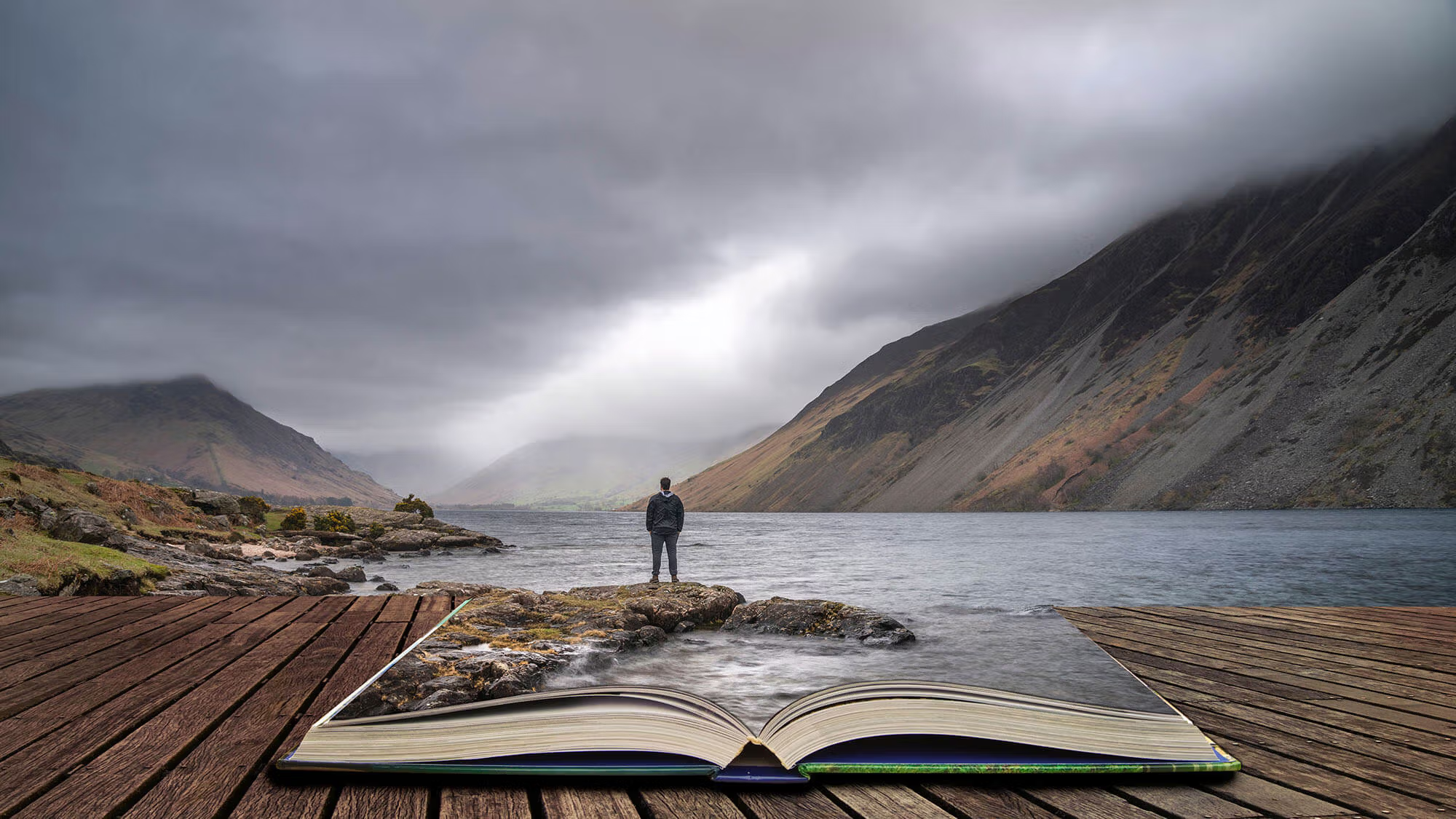










There’s a certain allure to wild trails. When we think of “wild” in the context of hiking or exploring, what we often envision is a path far removed from the well-trodden routes—places where the hum of civilization is a distant memory, and the only sounds are the rustling of leaves, the call of birds, and the whisper of wind through trees. But what exactly makes a trail “wild”? Is it just the absence of human interference, or is there something deeper, something intrinsic, that transforms an ordinary trail into a truly wild one?
The Spirit of Wilderness
A trail can be wild for many reasons, but at its core, a wild trail embodies the essence of nature in its most untouched form. This means encountering ecosystems in their natural state, where human influence is minimal and the landscape is in its original, unaltered condition. It’s a place where the cycle of life unfolds according to the natural rhythm, not the hand of human design.
In these spaces, there is a tangible sense of unpredictability—weather can change unexpectedly, animals can be spotted in their natural habitat, and the environment can feel at times both majestic and intimidating. Wildness is not just the absence of people, but the unfiltered experience of nature’s raw beauty.
Natural Diversity: A Living Landscape
One of the key components that makes a trail truly wild is its biodiversity. The more varied and rich the ecosystems along the trail, the wilder it feels. Wild trails are often marked by diverse habitats: dense forests, alpine meadows, rugged cliffs, and sprawling wetlands. These habitats host a wide array of flora and fauna, some of which may be endemic or rare, making every step along the trail a discovery.
For example, a trail that passes through ancient woodlands may offer the scent of damp earth, the chirping of crickets, and the sight of towering trees that have stood for centuries. A trail that meanders along a remote coastline may give hikers the chance to spot seals, nesting seabirds, and tidal pools teeming with life. It’s these moments of connection to the richness of life that imbue a trail with a sense of wildness.
Challenge and Adventure: Unpredictability of the Terrain
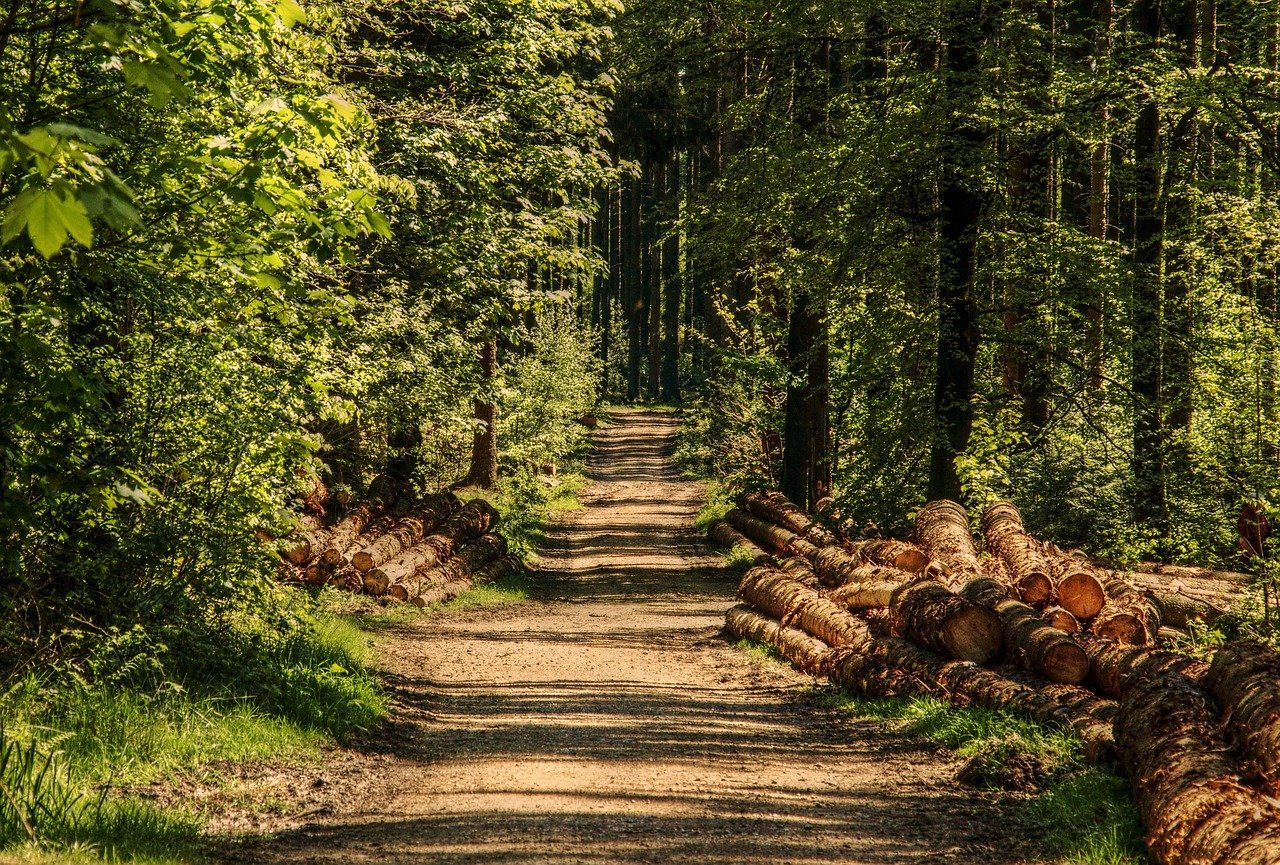
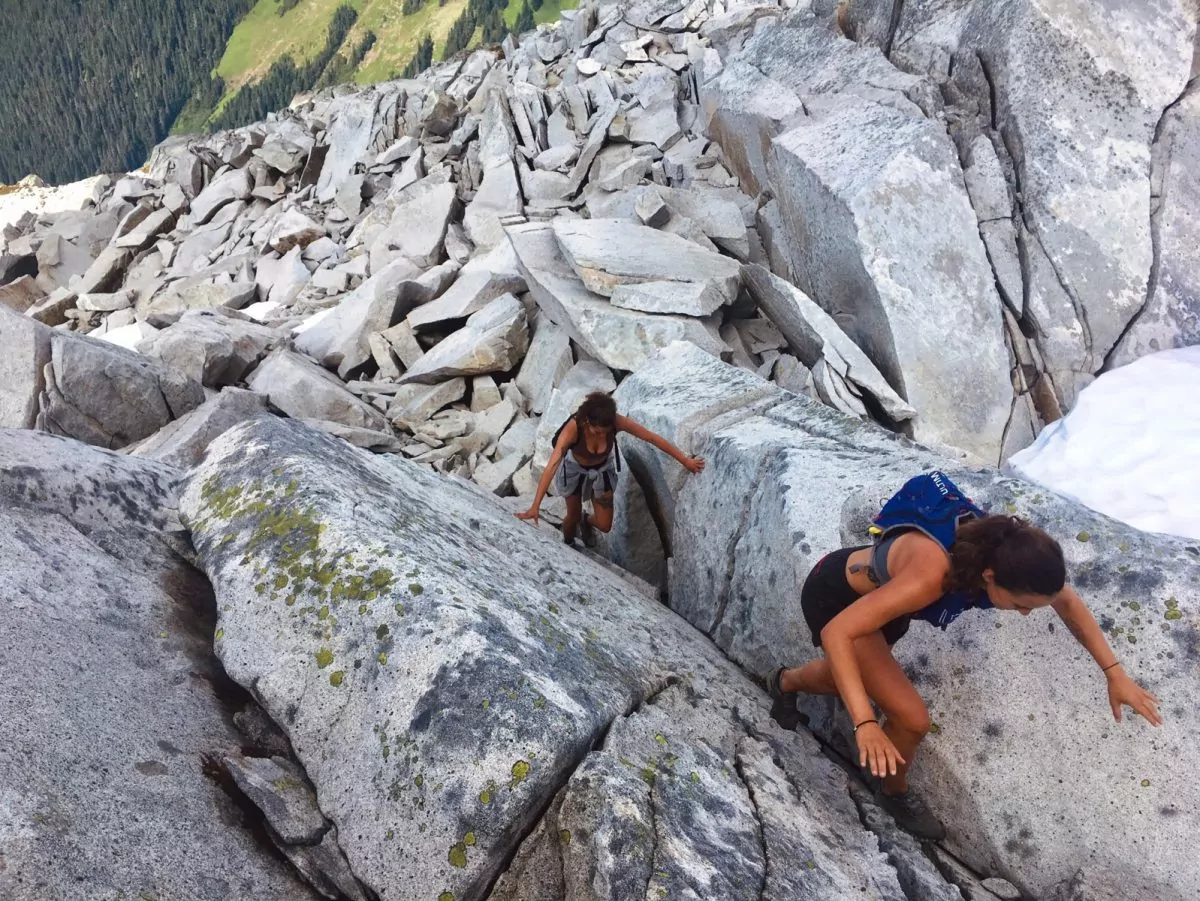
Another characteristic of a wild trail is its terrain. Wild trails are rarely predictable. They don’t offer the comfort of smooth, well-maintained pathways or clear markers. In fact, it’s often the ruggedness and unpredictability of the trail that adds to its appeal. Rocky outcrops, steep inclines, unpredictable weather, and natural obstacles are part of the adventure.
This physical challenge is a big part of why wild trails stand apart. A hike through a wild environment requires not only physical endurance but also mental resilience. You’re not just walking for the sake of getting from point A to point B—you’re engaging with nature in its rawest form. The sense of accomplishment when completing a wild trail is far more intense than walking along an easy, manicured path.
The Absence of Human Touch: A Return to Nature
The term “wild” inherently suggests a lack of human interference. In today’s world, this is becoming increasingly rare. A truly wild trail is one that remains largely untouched by human development. It may be a place that hasn’t seen roadwork, clear-cutting, or the encroachment of urban sprawl. The trail may be less marked or even unmarked entirely, with the path simply following natural features of the landscape—an old animal track, the contours of a mountain, or a streambed.
This absence of human touch brings with it a sense of freedom. It’s a reminder of what the earth looked like before it was shaped by human hands. In this environment, you’re not simply a visitor; you’re a participant in an ecosystem that’s been evolving for millennia. The lack of human-made infrastructure gives the landscape a raw, untamed feel—one that speaks to a deeper connection with the Earth.
Solitude and Silence: The Emotional Experience
When we talk about what makes a trail wild, it’s not just about the physical attributes—it’s also about the emotional experience. One of the most defining features of a wild trail is the solitude it offers. These are places where the human population is scarce, where the crowd fades into the background, and where silence reigns supreme.
Imagine walking through a thick forest, the air rich with the smell of pine, and the only sound being the occasional rustle of leaves. In these moments, the absence of human noise can create a profound sense of stillness. It’s in this silence that the wildness of a trail becomes most apparent. You’re not just walking through nature; you’re immersed in it, and the world around you feels alive in a way that’s deeply personal.
Remote Locations: The Allure of the Unknown
For many, part of the thrill of a wild trail is the sense of remoteness. These trails aren’t easily accessible or frequently visited, and the idea of venturing into the unknown can be both exhilarating and daunting. The appeal lies in the sense of adventure that comes from exploring a space where few others have trodden before. There’s a unique allure in setting foot in places where the path isn’t well-marked or where you might encounter animals and ecosystems that have been undisturbed by human presence.
Remote trails often require preparation, self-reliance, and resilience. Whether you’re trekking through the dense jungles of Costa Rica, hiking the rugged cliffs of the Scottish Highlands, or navigating the vast, barren deserts of the American Southwest, there’s something uniquely powerful about knowing you’re far from civilization, relying only on your skills and the land to guide you.
The Role of Conservation: Protecting the Wild
In many regions, wild trails are protected as national parks, nature reserves, or wilderness areas. Conservation efforts are key to preserving the wildness of these places. Over time, as human populations grow and development expands, the pressure on these natural areas increases. Protecting wild trails ensures that they remain intact for future generations, preserving their ecosystems, landscapes, and the wildlife that calls them home.
However, the notion of “wildness” can sometimes be complicated. Many conservation efforts balance access with protection, striving to create a sustainable model where visitors can experience the wild without damaging it. This balance is delicate, and maintaining the integrity of wild trails requires a commitment to preserving the natural character of these spaces.
The Wild Trail Experience: A Personal Journey
What makes a trail wild is deeply subjective. For some, it’s about rugged terrain and isolation; for others, it’s about the richness of the biodiversity or the emotional and spiritual connection they feel to the land. Regardless of the specific elements, a truly wild trail provides an experience that challenges and inspires.
There’s a reason why the wildest trails are often the most coveted. They offer something more than just a physical journey—they offer an opportunity for personal growth, reflection, and connection to something larger than ourselves. The wildness of a trail can remind us of the vastness and complexity of the natural world, and of our place within it.
Conclusion: A Return to the Untamed
In the end, a truly wild trail is more than just a physical path through nature; it’s an invitation to reconnect with the earth, to challenge ourselves, and to experience the world as it was meant to be—untamed and unspoiled. Whether it’s the diversity of life, the challenge of the terrain, or the solitude found in nature’s embrace, wild trails remind us of the beauty and power of the natural world.
So, the next time you lace up your hiking boots and set out on a trail, ask yourself: what makes this trail wild? Is it the untouched beauty? The rugged, challenging terrain? The isolation and silence? Whatever it is, it’s these elements that make the trail something far greater than just a path—it’s an adventure, a journey, and a return to the wild.