













Hiking trails, winding through lush forests, rugged mountains, and rolling meadows, offer nature lovers a chance to reconnect with the earth, breathe in the fresh air, and experience the serenity of outdoor spaces. But as more people venture into the wild, the question arises: are all hiking trails eco-friendly, or can they have a negative impact on the very landscapes they aim to celebrate?
In this article, we will explore how hiking trails can either nurture or harm the environment. We will examine the ways in which well-designed trails promote sustainability and conservation, while poorly constructed or overused trails can lead to significant ecological damage. The impact of human activity on natural habitats is complex, and the answer lies somewhere between responsible design and mindful hiking practices.
The Importance of Trail Design in Eco-Friendliness
1. Sustainable Trail Construction
The key to creating an eco-friendly trail lies in how it is constructed. Proper trail design minimizes environmental impact by considering the local ecosystem, water drainage, and soil stability. Well-designed trails are usually constructed with the principle of minimizing erosion, protecting fragile habitats, and promoting the health of local flora and fauna.
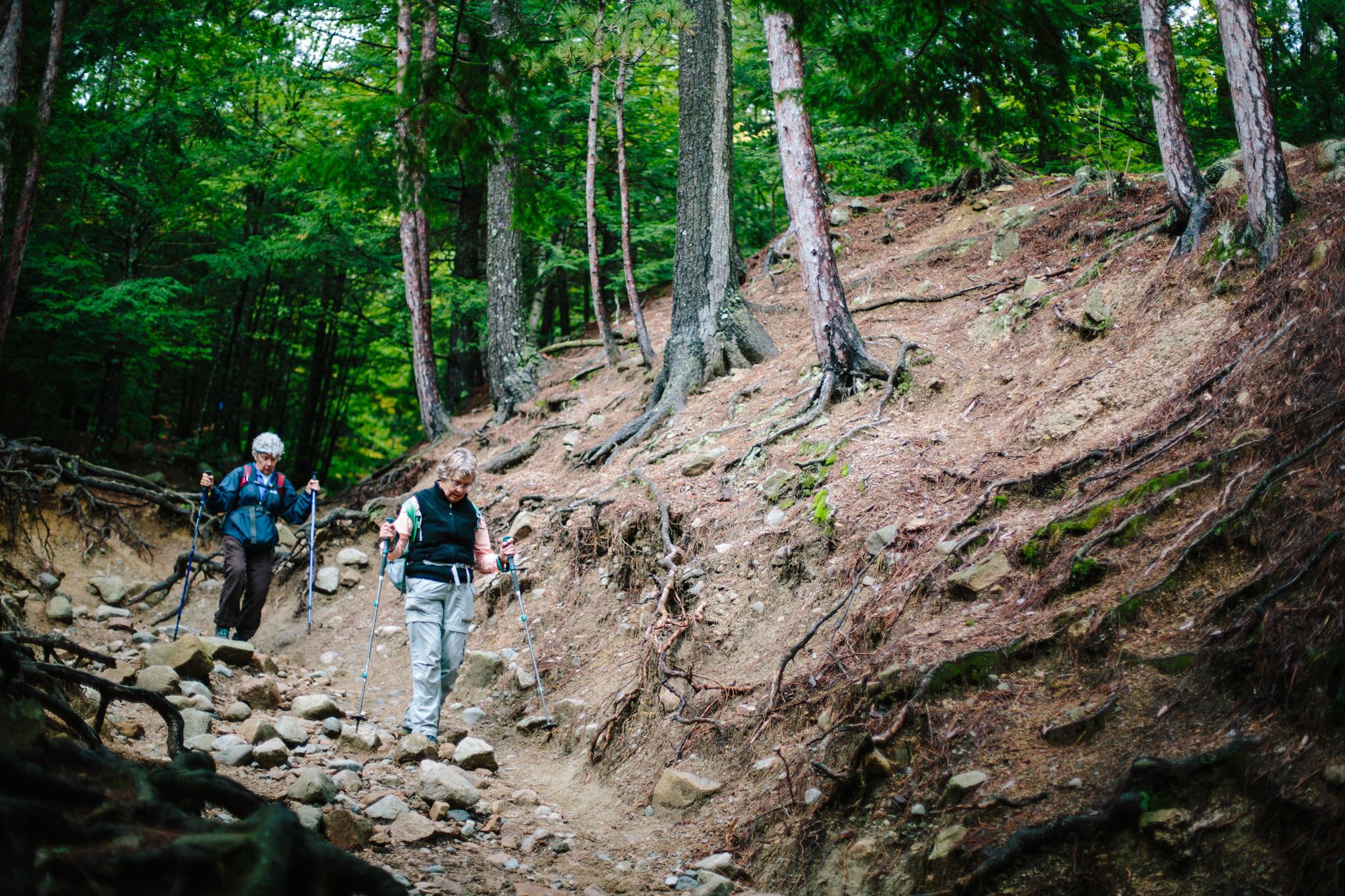
Erosion is one of the most damaging effects of poorly designed trails. When rainwater is funneled down unprotected slopes, it can wash away soil, destroy plant roots, and even cause landslides. A trail with proper drainage and an efficient slope design reduces the risk of these environmental impacts.
Another consideration in eco-friendly trail design is using sustainable materials. Trails that use natural materials like crushed stone or timber rather than concrete or asphalt are less disruptive to the environment. Natural surfaces absorb rainwater and allow for better root growth, while also providing a more authentic hiking experience.
2. Trail Width and Foot Traffic
The width of the trail is also a critical factor in its eco-friendliness. Trails that are too wide can encourage hikers to spread out, trampling vegetation and causing soil compaction, which inhibits plant growth. In contrast, narrow trails, while less invasive to the surrounding landscape, can become overcrowded and lead to overuse in high-traffic areas. Balancing the width of the trail to accommodate a steady flow of foot traffic without damaging the ecosystem is a delicate task.

The Environmental Impact of Overuse
While well-designed trails can support recreational use without causing significant damage, overuse of certain trails can still create lasting harm. Popular trails, particularly those in national parks or protected areas, are often susceptible to degradation due to heavy foot traffic.
1. Soil Erosion and Compaction
When thousands of hikers use the same path day after day, soil erosion becomes a major concern. The constant pressure of footsteps on the ground compacts the soil, making it harder for water to penetrate and for plants to take root. In areas with fragile soils, like mountain slopes or wetland ecosystems, this can be especially damaging. Erosion can strip the soil of its nutrients, harming plants and disrupting the habitats of animals that depend on them.
2. Damage to Vegetation and Wildlife Habitats
Overuse can also cause direct damage to vegetation. In areas with limited plant diversity or rare species, the constant trampling of plants by hikers can lead to their destruction. Furthermore, when hikers venture off designated trails, they risk disturbing delicate habitats, threatening the survival of local species.
Trail corridors that pass through ecologically sensitive areas, such as wetlands, alpine meadows, or rare forests, can be particularly vulnerable. Off-trail hiking, whether intentional or accidental, can lead to soil disturbance, disruption of plant and animal populations, and the spread of invasive species.
3. Pollution and Waste
Overused trails can also become littered with trash and waste. Despite the best efforts of conservation organizations and park authorities, some hikers still leave behind their waste, including plastic bottles, food wrappers, and even human waste. Over time, the accumulation of these pollutants can harm the environment, degrading the aesthetics of the area and affecting wildlife.
Eco-Friendly Hiking Practices
While trail design plays a crucial role in minimizing environmental damage, hikers themselves can make a significant difference by adopting eco-friendly practices during their outdoor adventures. By being conscious of their impact, hikers can contribute to preserving the natural beauty of trails and landscapes for future generations.
1. Stay on Designated Trails
One of the most important ways to protect the environment while hiking is to stay on designated trails. Straying off the path can result in “social trails,” or unofficial trails created by hikers wandering through the landscape. These social trails can spread erosion, damage vegetation, and disrupt wildlife habitats. By sticking to established trails, hikers help limit their ecological footprint and avoid causing harm to sensitive areas.
2. Leave No Trace Principles
The Leave No Trace (LNT) principles are a set of guidelines designed to help outdoor enthusiasts minimize their impact on the environment. These principles include practices such as packing out all trash, minimizing campfire use, and respecting wildlife. By following these simple rules, hikers can leave a trail with as little trace of their presence as possible.
For example, packing out trash might seem obvious, but it’s easy to overlook small items like snack wrappers or water bottle caps. LNT also encourages hikers to avoid picking plants, disturbing wildlife, or making excessive noise that could disturb animals. By respecting the natural world, hikers can help maintain the health of the ecosystems they visit.
3. Hiking in Off-Peak Times
To reduce the strain on popular trails, hikers can consider visiting during off-peak seasons or times of day. Hiking during weekdays, early mornings, or late afternoons can help avoid overcrowding, which not only reduces the wear and tear on trails but also allows for a more peaceful and intimate experience in nature.
The Role of Conservation Organizations
Numerous conservation organizations work to promote eco-friendly trail use and protect vulnerable ecosystems. These organizations help design and maintain trails, monitor the environmental impact of recreation, and educate the public on sustainable hiking practices.
One of the most notable organizations in this area is the Appalachian Trail Conservancy (ATC), which works to protect and maintain the Appalachian Trail, one of the longest continuous footpaths in the world. The ATC conducts trail assessments, restores damaged areas, and educates hikers about minimizing their environmental impact.
Similarly, the National Parks Conservation Association (NPCA) works to protect national parks across the United States. They advocate for sustainable park management, including trail maintenance and ecological preservation.
Balancing Recreation and Conservation
Ultimately, the question of whether all trails are eco-friendly depends on a variety of factors, including design, usage, and maintenance. Well-designed trails can provide a sustainable way for people to enjoy nature while protecting it from harm. However, overuse of certain trails, combined with unsustainable hiking practices, can have serious consequences for the environment.
Trail stewardship, including responsible hiking practices and support for conservation efforts, is critical for ensuring that trails remain eco-friendly in the long term. Through thoughtful design, proper maintenance, and awareness from hikers, we can continue to enjoy the great outdoors while minimizing our impact on the environment.