











When it comes to choosing outdoor gear—whether for hiking, climbing, camping, or traveling—two critical factors dominate the decision-making process: durability and weight. Gear manufacturers and outdoor enthusiasts alike constantly weigh these two aspects, and for good reason. Both durability and weight have a profound impact on your experience in the great outdoors, but prioritizing one over the other can depend on a variety of factors. To make the right choice, you need to consider your specific needs, the type of activity, and the environment in which you’ll be using your gear. So, should you prioritize durability or weight in your gear? Let’s explore.
The Balancing Act: Durability vs. Weight
Outdoor gear exists to make your adventures more comfortable, efficient, and safe. The gear must withstand the rigors of the environment, but it also needs to be light enough to carry with you. This balance between durability and weight is essential, and there is no one-size-fits-all answer. Every piece of equipment serves a specific purpose, and each activity demands its own set of priorities.
- Durability refers to how long gear will last under normal use, exposure to the elements, and the physical stresses placed on it.
- Weight, on the other hand, determines how heavy the gear is to carry, which directly affects your stamina, speed, and overall comfort.
Let’s dive deeper into how these two factors affect your gear choices.
Durability: A Key to Long-Term Investment
Durability is often the first consideration when buying gear. The last thing anyone wants is to buy a piece of gear that breaks after a single trip or loses its functionality after a few uses. Durable gear can withstand harsh conditions, protect your essentials, and continue to serve you for many years.
Advantages of Durable Gear
- Reliability: Durable gear often means it can handle rough treatment. Whether you’re climbing sharp rocks, hiking through thorny bushes, or camping in a rainy forest, durability ensures your gear won’t fail when you need it most.
- Cost Efficiency: Although durable gear can sometimes come with a higher upfront cost, its ability to last longer makes it a better long-term investment. If you buy gear that can withstand years of wear and tear, you’re saving money in the long run.
- Peace of Mind: Knowing that your gear won’t break under stress or adverse weather conditions brings a sense of security. When your life or safety could depend on your equipment, that peace of mind is invaluable.
Disadvantages of Durable Gear
- Increased Weight: Often, durable materials—such as thicker fabrics, stronger metals, and more robust stitching—come at the expense of weight. A sturdy jacket or tent might weigh several pounds more than its lighter counterparts.
- Bulkiness: Durability can also mean bulk. If you’re someone who prefers to travel light, gear designed for durability may take up more space in your pack and add extra pounds to your load.
Weight: The Freedom of Lightweight Gear
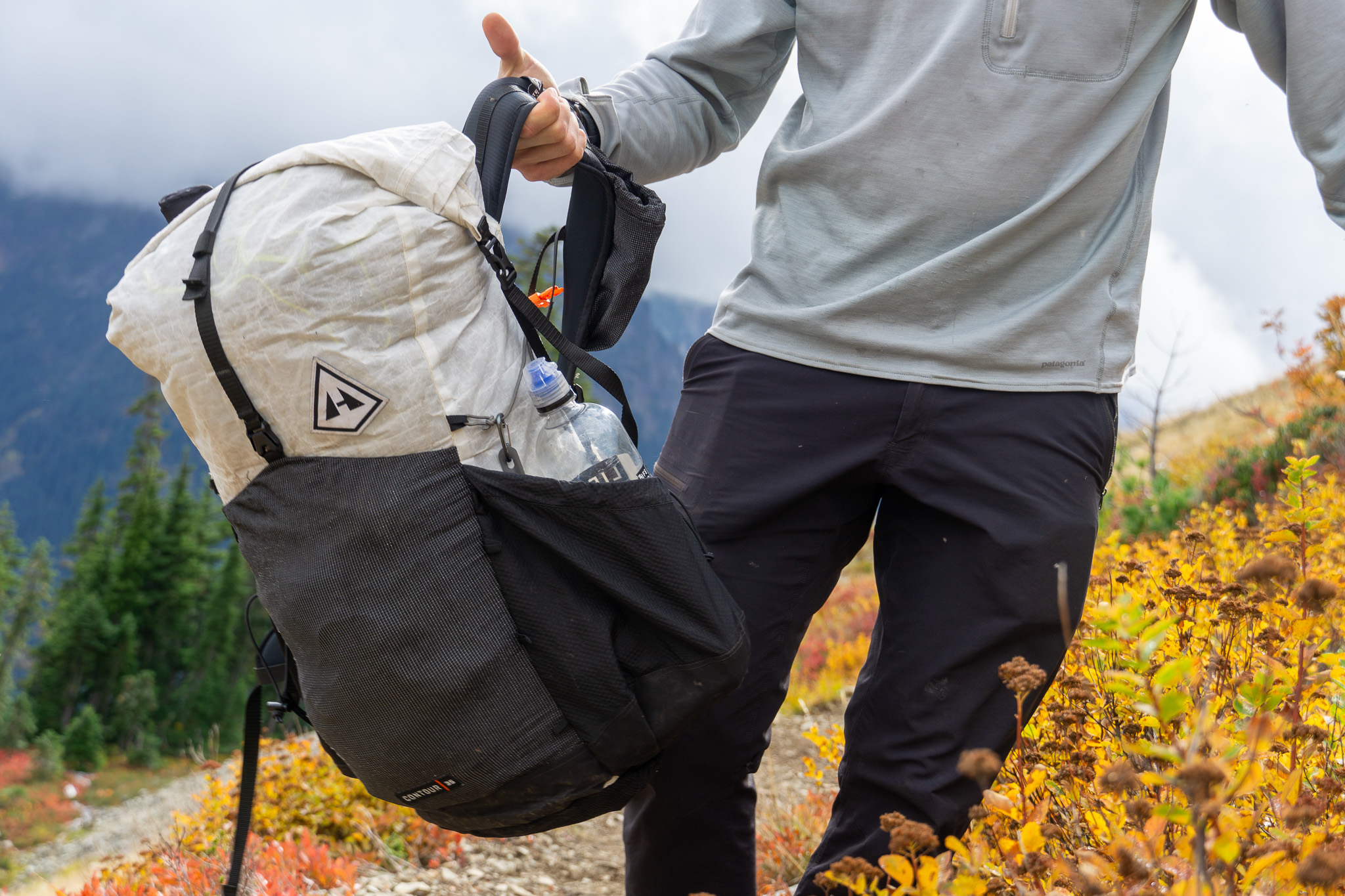
Weight is the ultimate factor in fast-paced, long-distance outdoor activities such as ultralight backpacking, trail running, or fastpacking. The idea is simple: the less weight you carry, the less strain on your body. Lightweight gear is designed with the minimalist approach in mind, providing just enough functionality while keeping weight to a minimum.
Advantages of Lightweight Gear
- Faster and Easier Travel: When you have less weight to carry, you can move faster and farther. This is especially important in endurance-based activities like trail running, where every ounce counts toward conserving energy.
- Reduced Fatigue: Over long distances, carrying less weight means you’re less likely to tire out quickly. This reduction in fatigue can also help you avoid injuries and maintain better form on steep climbs or extended hikes.
- Increased Versatility: Lighter gear often packs down smaller and is more compact. This makes it easier to carry more gear, or fit in additional items you might need on the trail, without burdening yourself with a heavy load.
Disadvantages of Lightweight Gear
- Reduced Durability: Lighter materials are often less robust. For example, ultralight tents or sleeping bags might be made from thinner fabrics or less durable components, which could wear out more quickly under harsh conditions.
- Compromised Functionality: Some lightweight gear might not perform as well in certain situations. A super-light tent might not withstand strong winds or heavy rain, and a lightweight stove might not have the same cooking power as a heavier one.
Deciding Based on Activity Type
The key to deciding between durability and weight is understanding your specific activity, environment, and how you plan to use your gear. Different activities and settings demand different priorities. Let’s break this down by activity type:
1. Backpacking
When you’re backpacking through the wilderness, the weight of your pack is a crucial factor. The lighter your gear, the easier the hike. However, long-term exposure to the elements means you’ll want to consider durability too. A lightweight tent might be convenient, but it may not be able to handle heavy rain or strong winds.
- Best Approach: For many backpackers, the sweet spot is finding ultralight gear that is still durable enough for the conditions they’ll face. Focus on high-performance, lightweight materials that still offer some level of protection. For example, a lightweight, durable rain jacket can be invaluable.
2. Climbing
Climbers often face a unique set of challenges: technical demands, altitude, and rapidly changing weather. Gear used for climbing must withstand significant stress, including impacts, abrasions, and extreme conditions. However, it can’t be so heavy that it hinders your movement or energy.
- Best Approach: Durability should often take precedence here. Climbing ropes, harnesses, and carabiners need to endure significant wear and tear, but it’s important to keep weight in mind as well, especially for long ascents. High-tech fabrics and materials designed for climbing gear are often both lightweight and durable.
3. Camping
Camping gear tends to blend both weight and durability concerns. On one hand, you’re not likely to be traveling very far, so weight isn’t as much of a concern as it would be in hiking or climbing. However, your gear must withstand outdoor conditions like rain, wind, and UV exposure.
- Best Approach: Durability is often the priority for camping gear. A tent with a thicker rainfly, for example, may add weight, but it will protect you from the elements. Look for gear that balances durability and weight, like a sturdy but lightweight tent.

4. Trail Running
For trail runners, weight is absolutely critical. Every ounce counts, as the focus is on speed and endurance. The gear needs to be as minimalistic as possible without sacrificing essential protection. Yet, you also need gear that can handle the trail conditions—whether that’s mud, rocks, or rain.
- Best Approach: Prioritize weight reduction over durability, but make sure the gear is functional. A lightweight jacket might not hold up in a storm, but it will keep you dry in light showers and help regulate body temperature.
5. Travel
For travelers, especially those who move between regions or countries, lightweight and durable gear is important for carrying through airports, cities, and unfamiliar terrain. Whether you’re on a hiking trip or exploring cities, you’ll want gear that’s versatile enough to handle multiple types of environments.
- Best Approach: Travel gear often benefits from durability, as luggage and backpacks need to withstand the bumps and scrapes of travel. Yet, lightweight travel clothing, backpacks, and accessories can make your journey much easier.
How to Strike the Right Balance
It’s possible to find gear that balances both durability and weight. Many outdoor brands offer gear that is both lightweight and durable, thanks to advances in materials technology. Here are a few tips for finding that perfect balance:
- Look for multi-use gear: Equipment that serves multiple purposes can cut down on the weight you need to carry. For example, a sleeping bag that also doubles as a lightweight jacket can save you weight and space.
- Opt for high-tech fabrics: Materials like ripstop nylon, Gore-Tex, and Dyneema offer durability without excessive weight. These fabrics are lightweight but tough enough to withstand heavy use.
- Test your gear: Always test your gear before embarking on a major trip. This ensures that you understand its limitations, both in terms of weight and durability.
- Prioritize your priorities: Your environment should dictate your choices. For example, if you’re heading into the desert, lightweight gear might be a higher priority, while in the mountains, durability might take precedence.
Conclusion: Weighing the Trade-Offs
When choosing outdoor gear, the decision between prioritizing durability or weight often boils down to personal preference, activity, and environmental conditions. Some activities demand the lightest possible gear for speed and efficiency, while others require long-lasting durability to withstand rugged terrain and harsh climates.
The ideal solution often lies somewhere in the middle. By choosing gear that balances these two factors and taking the time to evaluate your specific needs, you can ensure a safe and enjoyable adventure without compromising performance. Whether you’re hiking, camping, or climbing, the right gear can make all the difference.