










There’s something inherently unsettling about endings. Whether it’s the conclusion of a novel, the final season of a beloved TV show, or the closing moments of a life’s chapter, endings tend to invoke a deep emotional response. But why does the end of a story feel so fraught with fear and sadness? Why do we cling to narratives, characters, and worlds as though they are a part of our very selves? In this exploration, we’ll delve into the psychology behind our fear of endings, the emotional and cognitive impacts they have on us, and the ways they reflect broader aspects of human life and culture.
The Universal Nature of Storytelling
Before we analyze the fear of endings, it’s essential to recognize the fundamental human relationship with stories. From cave paintings to modern films, storytelling is ingrained in the very fabric of human existence. Humans have always sought to make sense of the world through narratives. These stories help us navigate the complexities of life, create bonds with others, and process our own experiences.
Endings, in particular, have a profound role to play in this narrative structure. Stories, by their very nature, often aim to resolve conflict, bring closure to unresolved tensions, and provide a sense of completion. However, the closure they offer can be bittersweet. Just as the end of a story represents the resolution of a journey, it also signifies the loss of that journey itself.
Fear of the Unknown
One of the primary reasons we fear the end of a story is the psychological discomfort associated with closure itself. Endings force us to confront what is known as “the unknown.” When a story ends, it halts the continuous flow of thoughts, emotions, and questions. We no longer have the freedom to explore the “what-ifs” of the narrative. This abruptness can feel unnerving because humans are naturally inclined to resist closure. The unknown, after all, can represent loss—loss of continuity, loss of possibility, and often, loss of identity.

In literary theory, the idea of the “open-ended story” is a genre that thrives on leaving questions unanswered, offering readers a sense of lingering ambiguity. This form of storytelling often pushes the reader into a state of disquiet, simply because it challenges the comfort we derive from closure. Endings that tie everything up neatly leave us with a sense of finality, which, while satisfying on one level, can feel stifling or jarring on another.
The Psychological Need for Continuity
The need for continuity is fundamental to human cognition. We naturally seek patterns, rhythms, and ongoing narratives in our daily lives. When something comes to an abrupt end, it disturbs our sense of order. This sense of closure can trigger feelings of emptiness or loss because it disrupts the narrative rhythm we have grown accustomed to.
From a psychological perspective, endings force us to reckon with the impermanence of all things. This is where the fear of endings becomes linked to existential anxiety—the fear of our own mortality, the fragility of relationships, and the transience of life itself. We often use stories as a way to navigate these fears, constructing worlds in which we can experience resolution and meaning. When the story ends, we are faced with a stark reminder that, in life, all things come to an end eventually.
Emotional Attachment to Characters and Worlds
Another reason we fear the end of a story is the emotional bond we develop with the characters and worlds within it. As readers or viewers, we often become deeply invested in the journeys of fictional characters. These characters, who were once nothing more than ink on a page or pixels on a screen, become part of our emotional landscape. Their joys, sorrows, and triumphs resonate with us on a personal level, as if we have shared in their experiences.
When a story concludes, it can feel as though we are losing a part of ourselves. We grieve for the characters who no longer grow or change, for the worlds that cease to exist in the way we once knew them. This attachment can be particularly strong in long-running franchises where we have followed the characters for years, sometimes even decades. The end of such a series can feel like the end of a chapter in our own lives, triggering an emotional response akin to the loss of a friend or a loved one.
Case Study: “Harry Potter” and the End of an Era
The end of J.K. Rowling’s Harry Potter series offers a poignant example of how readers fear the end of a beloved story. Millions of fans worldwide grew up with Harry, Hermione, and Ron, experiencing their triumphs and heartaches. When Harry Potter and the Deathly Hallows was released, readers faced the bittersweet reality of saying goodbye to characters they had watched grow and evolve for over a decade. The story’s conclusion was both necessary and satisfying, yet it left readers with an emotional void. This kind of attachment is common in narratives where characters become deeply intertwined with the reader’s sense of self and memory.
The Sense of Finality
The finality of an ending is another factor that contributes to the fear surrounding it. Once something ends, it cannot be undone. This irrevocability is both a source of relief and anxiety. While the end of a story may offer closure, it also brings with it a sense of permanence—there is no going back, no revisiting the narrative in the same way.
From a narrative perspective, endings often carry weight because they act as a capstone to the entire structure of the story. Every plot point, every character arc, every conflict is designed to lead toward this ultimate moment. The final scene, whether it’s a tragic death, a hard-earned victory, or a quiet reflection, carries with it the full weight of the story’s purpose. And in that finality, we may find a reflection of our own lives—finite, delicate, and irreplaceable.
Cultural Influence on Endings
Our cultural understanding of endings is deeply influenced by broader societal narratives. In many cultures, there is a tendency to view endings as either final and irreversible or as opportunities for new beginnings. For instance, in Western narratives, the “happy ending” is often framed as the ultimate reward after struggle and suffering, reinforcing the idea that things will be “right” once the story concludes.
In contrast, Eastern narratives may present endings as more cyclical, where the conclusion is not the end but the beginning of a new phase. This cultural variance suggests that how we perceive endings may be influenced by our broader cultural outlook on life and death, permanence and change.
The Fear of Missing Out (FOMO)
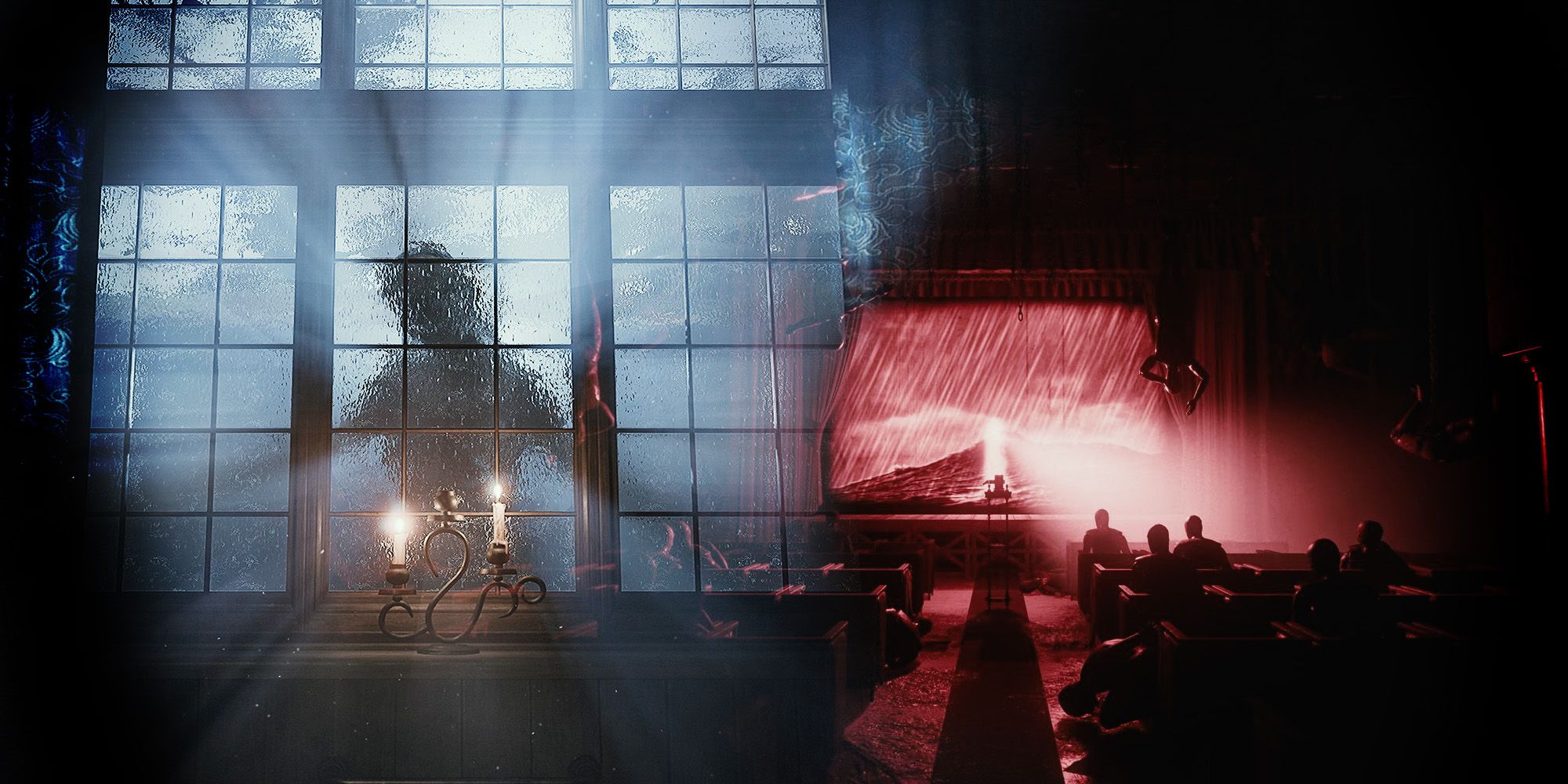
In today’s hyper-connected world, where streaming platforms, social media, and constant updates have conditioned us to be always “on,” the end of a story can feel like missing out on something important. This fear of missing out (FOMO) amplifies the emotional response to endings. In particular, the “Fear of the End” can be intertwined with the desire to continue living within a certain fictional universe, as though ending the story is akin to losing access to a secret or a treasure trove of experiences.
The idea that a story could “run out” or end without warning brings a sense of urgency to our need to consume content. For many people, the end of a story can feel like a scarcity, a finite resource that they may never encounter again. This fear of scarcity is heightened in the digital age, where content is often designed to be consumed quickly, without much room for reflection or savoring.
The Fear of Closure and Its Connection to Real Life
At a deeper level, the fear of endings may be a metaphor for our own struggle with the closure in real life. Endings in fiction often serve as reminders that our own stories are constantly unfolding, with no guarantee of when or how they might come to an end. This existential concern plays out in every decision, every relationship, and every goal we pursue. The fear of endings reflects our collective fear of facing our own mortality, the impermanence of our connections, and the uncertainty that lies ahead.
In the same way that a story can leave us with unresolved questions or unfulfilled desires, our real lives are full of unknowns. Endings in stories often mirror the challenges and ambiguities of our own existence. They push us to confront the idea that not everything is within our control and that some narratives must come to an end—whether we are ready for it or not.
The Catharsis of the End
Despite the fear, there is a unique catharsis that comes with the end of a story. In many ways, endings offer an emotional release. The conclusion of a narrative allows for reflection and resolution, giving us the space to process the journey we’ve experienced with the characters. This catharsis is often what makes endings so powerful. While they may cause temporary sadness or anxiety, they can also offer a sense of closure that is deeply satisfying.
The Role of Art in Dealing with Endings
Ultimately, art—and storytelling, in particular—helps us navigate our fear of endings by allowing us to process emotions, confront fears, and come to terms with the realities of life. Through stories, we explore both the beauty and the pain of closure, understanding that every ending is simultaneously a beginning. It is in these complex emotional landscapes that we find the richness of the human experience.