











Introduction
Hiking is often perceived as a rewarding activity that allows us to connect with nature, clear our minds, and explore the world from a fresh perspective. For many seasoned hikers, tackling new and diverse terrains becomes a way of life. But as challenging as the sport can be, there are trails that push even the most experienced adventurers to their limits. From punishing elevation gains to unpredictable weather and technical rock climbs, some hiking routes are not for the faint-hearted. These trails demand not only physical endurance but also mental strength, preparation, and a deep respect for nature’s unpredictability.
In this article, we’ll explore some of the world’s most challenging hikes, offering insight into why they are so formidable and what makes them truly unique. Whether you’re looking to test your limits or simply marvel at the audacity of these trails, read on to learn about the ultimate tests of hiking ability.
The Elements of a Challenging Trail
Before diving into specific trails, it’s essential to understand what makes a trail particularly difficult. Experienced hikers may tackle long distances and steep inclines without breaking a sweat, but certain features can still elevate a hike into the “extreme” category.
1. Elevation and Technical Terrain
High-altitude treks often come with thin air, which can cause altitude sickness. A demanding terrain might require rock scrambling, glacier crossings, or even the use of climbing tools like ropes and ice axes. These challenges are designed for those with specialized skills, and many of the hardest trails in the world blend hiking with mountaineering.
2. Remote and Rugged Landscapes
The most formidable hikes tend to be those that take adventurers far from civilization. These trails are remote, making rescue operations difficult and self-reliance a necessity. The isolation often means dealing with unpredictable weather conditions, such as sudden storms, intense heat, or sub-zero temperatures.
3. Length and Duration
Some of the most difficult trails are not merely long in distance but also long in duration. Treks that span multiple weeks or even months test the mental endurance of hikers. The endurance required to complete these trails is far beyond the typical day hike or weekend backpacking trip.
Famous Trails that Challenge the Most Experienced Hikers
1. The Appalachian Trail (USA)
Difficulty Level: Extreme
Distance: 2,190 miles (3,524 kilometers)
Time to Complete: 5-7 months
The Appalachian Trail (AT) is one of the longest continuous footpaths in the world, stretching from Georgia to Maine. This iconic trail is known for its relentless climbs, variable weather, and the sheer mental and physical endurance required to complete it. For those completing a thru-hike, the challenge is not just the terrain, but the duration. Hikers often deal with mud, dense forest, and rough, rocky terrain. The infamous “100-Mile Wilderness” section in Maine is particularly grueling, as it’s extremely remote, and resupply points are few and far between.
What Makes It Challenging:
- Constant elevation changes, with an elevation gain equivalent to climbing Everest twice.
- Isolation: Some sections are days away from help, requiring hikers to be self-sufficient.
- Variable weather: Ranging from scorching heat to sub-zero temperatures, with frequent storms and unpredictable conditions.
2. The Inca Trail (Peru)
Difficulty Level: Hard
Distance: 26 miles (43 kilometers)
Time to Complete: 4 days
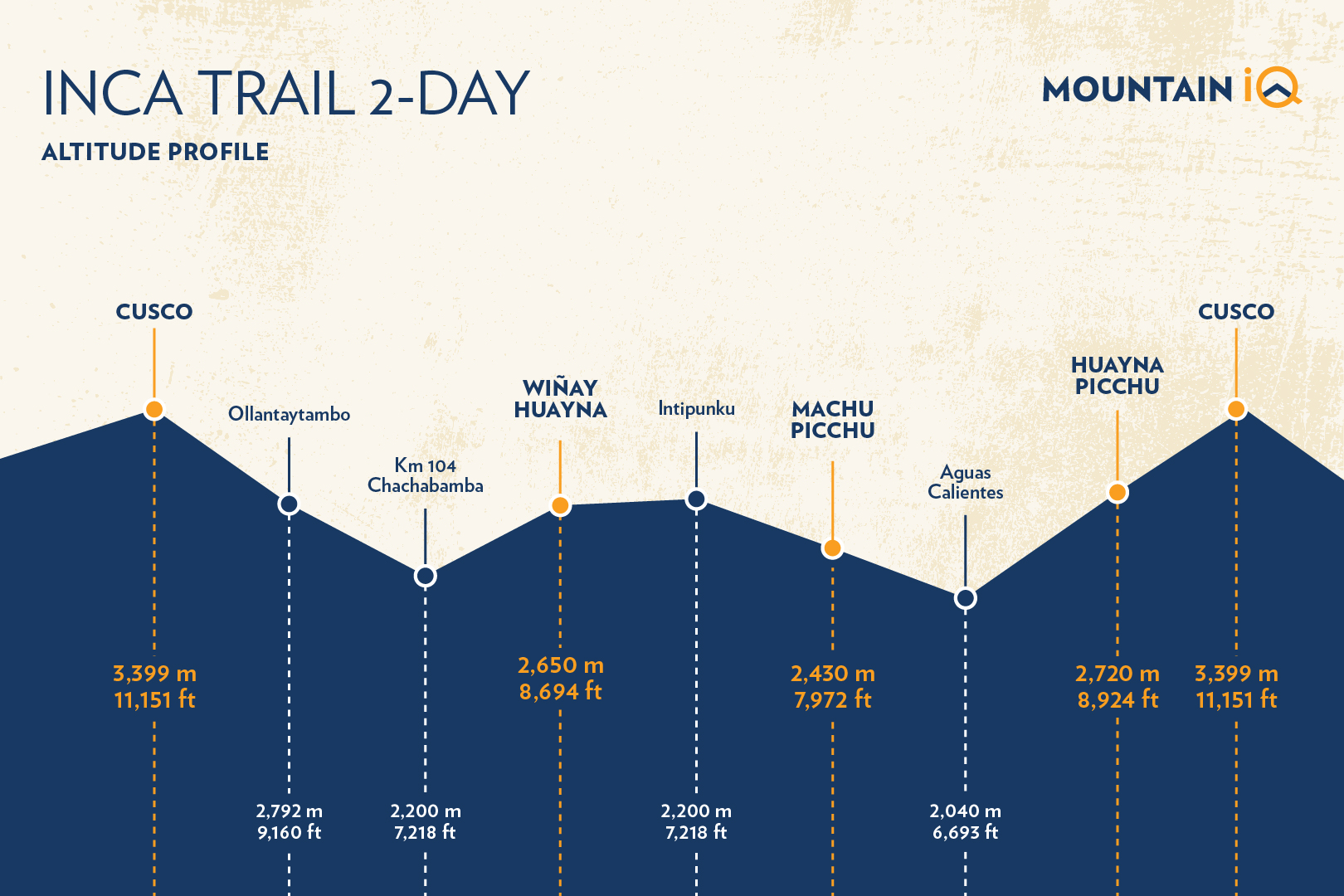
The Inca Trail offers more than just physical difficulty. It is a journey through history. This ancient trail leads hikers to Machu Picchu, the legendary Incan city high in the Andes. While it’s a shorter trek compared to others on this list, the high altitude (with some sections surpassing 13,000 feet) and steep, uneven paths create significant challenges.
What Makes It Challenging:
- Altitude: Rapid altitude gain can cause altitude sickness, especially for those unacclimatized to the high Andes.
- Technical sections: The steep, rocky steps and narrow pathways demand focus and careful foot placement.
- Cultural and historic significance: Hiking the Inca Trail is not only about the difficulty but also about respecting the history of the region and the importance of the landscape.
3. Mount Everest Base Camp Trek (Nepal)
Difficulty Level: Very Hard
Distance: 38 miles (61 kilometers)
Time to Complete: 12-14 days
Reaching Everest Base Camp is a monumental achievement for any hiker, but it is no easy feat. The trek involves crossing suspension bridges, trekking through dense forests, and ascending through rocky terrains. The major challenge here, however, is the altitude. Many hikers struggle to acclimatize to the thin air, and even seasoned mountaineers must pace themselves carefully.
What Makes It Challenging:
- Altitude: At over 17,000 feet, hikers must deal with the effects of high-altitude trekking, including fatigue and the risk of altitude sickness.
- Harsh weather: The temperature can plunge below freezing, and snowstorms are not uncommon.
- Length of the trek: A trek to Everest Base Camp is physically demanding, with significant daily ascents and descents.
4. The Tour du Mont Blanc (France/Switzerland/Italy)
Difficulty Level: Hard
Distance: 105 miles (170 kilometers)
Time to Complete: 7-10 days
Winding through three countries, the Tour du Mont Blanc is one of the most breathtaking and difficult long-distance treks in Europe. The route, which circles the majestic Mont Blanc, offers rugged alpine terrain, including steep ascents, technical scrambles, and exposure to extreme weather conditions. Hikers must also be prepared for long days, often exceeding 8 hours of trekking on challenging mountain trails.
What Makes It Challenging:
- Diverse terrain: It includes alpine meadows, high mountain passes, glaciers, and dense forests.
- Weather variability: Conditions can change rapidly, and trekkers must be prepared for sudden storms or freezing temperatures, especially at higher elevations.
- Steep ascents and descents: Some sections involve a lot of elevation gain, and the trail can be slippery and treacherous.
5. The Drakensberg Grand Traverse (South Africa)
Difficulty Level: Extremely Hard
Distance: 137 miles (220 kilometers)
Time to Complete: 10-14 days
The Drakensberg Grand Traverse in South Africa is not for the faint-hearted. The route crosses the Drakensberg Mountain range, with some sections requiring hikers to scale cliffs and traverse narrow, exposed ridgelines. The weather here can be harsh, with frequent thunderstorms, high winds, and freezing temperatures, even in summer.
What Makes It Challenging:
- Rugged mountain terrain: This route requires scrambling, and hikers need technical climbing skills for certain sections.
- Extreme weather: Sudden changes in weather can create dangerous conditions, particularly on high exposed ridges.
- Isolation: The route is remote, with few facilities and rescue options.
Tips for Conquering Challenging Trails
Tackling one of these extreme trails is a feat that requires preparation, both physically and mentally. Here are a few tips for hikers aiming to take on the world’s toughest routes:
- Physical Preparation: Build endurance with long hikes on varied terrain. Work on your cardiovascular fitness, as well as strength, especially for your legs and core.
- Altitude Acclimatization: For high-altitude hikes, spend time at intermediate elevations before tackling the trail. This helps your body adjust to thinner air.
- Navigation Skills: Ensure you have solid map-reading skills and a GPS device. Some of the most challenging trails are remote and can be tricky to navigate.
- Mental Toughness: The toughest hikes aren’t just physically demanding—they’re also mentally draining. Develop strategies for staying positive, focused, and calm in difficult situations.
Conclusion
For experienced hikers, these trails offer the ultimate challenge, testing both physical endurance and mental resilience. Whether you’re crossing high mountain passes, navigating treacherous terrain, or facing extreme weather conditions, these routes demand preparation, skill, and respect for nature’s power. Yet, the rewards are immense—breathtaking views, unparalleled satisfaction, and the opportunity to push your limits to new heights.