












Introduction
Trails. Often perceived as simple paths or tracks meandering through landscapes, they are much more than just functional routes. In fact, trails are living repositories of a region’s history, culture, and even its geography. Whether through ancient footpaths, military routes, or modern hiking paths, trails have served as silent witnesses to the ebb and flow of human activity. They carry within them stories of migration, exploration, conflict, and adaptation—tales etched in the landscape, preserved in the terrain, and reflected in the communities they traverse.
In this article, we will explore how trails act as time capsules, holding within them the secrets of a region’s past and offering a unique lens through which we can understand history. From the earliest trade routes to contemporary eco-tourism paths, we will examine how trails can indeed tell the story of a region’s history—shaping, reflecting, and preserving it.
The Role of Trails in History
Trails have always played a central role in shaping human societies, functioning as connectors between peoples, places, and cultures. Their significance goes far beyond mere transportation; they have been conduits of commerce, war, religious pilgrimages, and more. These pathways, whether carved through mountains or forged across plains, often provide insights into the broader context of historical events.
Ancient Trade Routes: The Cradles of Civilization
Some of the earliest trails we know of were trade routes, and these roads not only served as the arteries of ancient commerce but also as cultural exchange pathways. The Silk Road, for instance, was not a single, unified path but a network of trails that linked the East with the West. It facilitated not only the movement of silk, spices, and other goods but also the transfer of knowledge, art, and religion.
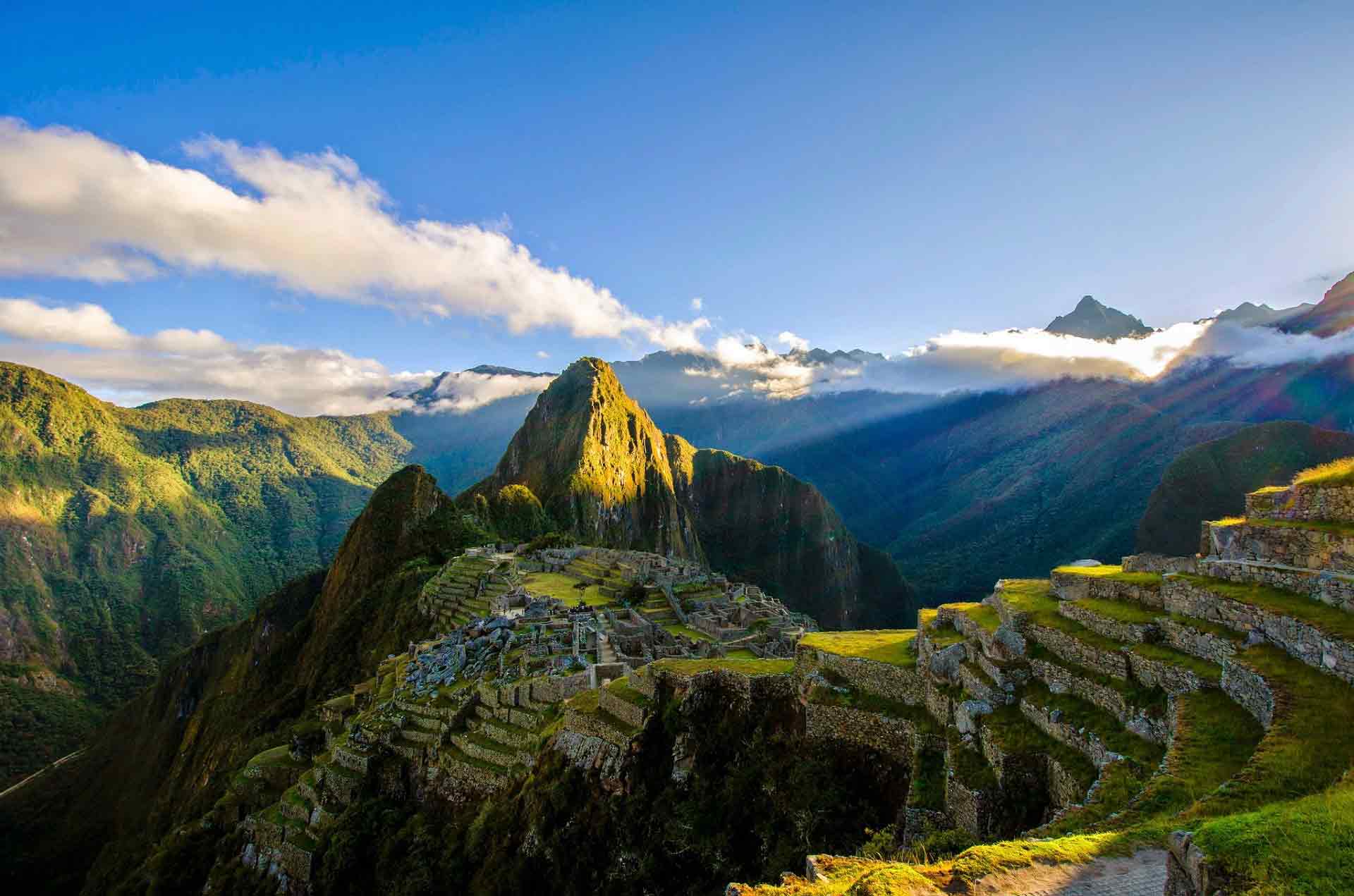
The Inca Trail in South America, which connected vast parts of the Incan Empire, also tells a tale of conquest, organization, and technological prowess. The network of stone-paved paths traversed steep mountains and deep valleys, showcasing the Incas’ advanced understanding of engineering, agriculture, and governance. The modern trail that follows this route continues to bring thousands of tourists, but its historical weight is much more significant. It represents the empire’s power, ingenuity, and the interconnection of an entire civilization.
Military Routes: From Battlefields to Memorials
Trails have often marked significant military events, with many ancient and modern battlefields lying along these routes. The famous Appalachian Trail, a scenic pathway in the United States, was not always just a recreational trail. During the American Revolutionary War, portions of the trail were used as military routes. This connection to past battles continues to resonate today as the trail’s significance is intertwined with the region’s fight for independence.
In Europe, Napoleon’s retreat from Moscow left behind a haunting trail, marking a catastrophic failure of military ambition. The roads, now heavily frequented by travelers, tell a grim story of strategic overreach, human suffering, and the passage of armies through harsh terrain. These trails are not just physical spaces—they are reminders of history’s scars, where the past can still be felt in the landscape itself.
Pilgrimage Paths: The Intersection of Faith and Geography
Pilgrimages have shaped many of the world’s most famous trails. For centuries, people have walked long distances for spiritual reasons, with the paths themselves becoming imbued with religious significance. The Camino de Santiago, a network of pilgrimage routes leading to the shrine of the apostle Saint James in northern Spain, is one such example. These routes are not just trails; they are living parts of religious tradition, with centuries of footfalls creating a deep, spiritual connection to the landscape.
The Hajj pilgrimage to Mecca, though not traditionally referred to as a trail, similarly follows a well-established route that pilgrims traverse, marking a profound intersection of faith, history, and geography. These routes are more than just physical paths; they are cultural and spiritual highways that encapsulate the values, beliefs, and practices of entire communities.
Trails as a Reflection of Culture and Society
While ancient trails often reflect external historical events, modern trails can tell a different kind of story—one that reflects contemporary society’s values, interests, and environmental consciousness. Today, many trails are created for recreational purposes, but they still carry significant cultural weight.
Nature Trails: A Shift Toward Environmental Consciousness
In the 20th and 21st centuries, there has been a global shift towards eco-tourism and environmental sustainability, leading to the creation of trails designed specifically for appreciating nature. These trails, such as the Great Ocean Walk in Australia or the John Muir Trail in the United States, highlight the relationship between humans and nature, focusing on conservation, education, and ecological awareness.
While these trails are modern creations, they often incorporate older, forgotten paths that trace historical usage of the land. The Pacific Crest Trail, for instance, traverses lands once used by Native American tribes. By hiking these paths, modern travelers are invited not just to experience nature but to reflect on the deep, centuries-long relationship between indigenous peoples and the environment.
Urban Trails: Industrialization Meets History
In urban environments, trails often blend modern infrastructure with historical landmarks, telling a story of a region’s industrial and social transformation. The High Line in New York City, for example, is a former railway track that has been converted into a green space and walking trail. This project reflects the city’s transition from a center of industrial might to a hub for urban renewal and creativity.
Similarly, the Berlin Wall Trail traces the route of the infamous wall that once divided East and West Berlin. Now a path for reflection and remembrance, it stands as a powerful symbol of the tumultuous political history of 20th-century Europe. These urban trails do not merely exist for recreation; they serve as living memorials to the struggles, innovations, and transformations of their cities.

Trails and Storytelling: The Narrative Power of Landscapes
What makes trails unique is their ability to tell stories through their very existence. The way a trail winds, the terrain it covers, the landmarks it passes—all these elements combine to create a powerful narrative. A trail is a journey, both physical and metaphorical, where the act of walking becomes a way of interacting with history. The rhythm of walking on ancient stone paths or through modern cities, passing remnants of past civilizations, creates a form of storytelling that is both intimate and expansive.
Reading the Landscape: How Trails Speak to Us
The study of landscapes—geography, topography, and geology—is a critical component in understanding the historical significance of trails. When we look at a trail, we are not merely seeing a pathway; we are seeing the landscape’s interaction with human activity over time. The steepness of a mountain pass might tell us of ancient migration routes, while the width of a river crossing might reflect the trade and transport methods of long-forgotten civilizations.
Historical markers along trails often help us piece together the past, but the natural landscape itself tells stories too. A sharp curve in a trail might indicate a battle was fought there, while a flat stretch might have been a trade route used by merchants for centuries.
The Personal Connection: Walking as a Method of Discovery
There is something deeply personal about walking a trail that connects you to the past. Unlike reading about history in books or seeing artifacts in museums, walking on the ground where historical events took place provides an experiential connection to the past. As you move along a trail, you not only observe the land but also internalize the passage of time and the lives of those who came before.
The Freedom Trail in Boston, for example, allows visitors to physically step through the heart of the American Revolution. Walking its 2.5-mile length brings history to life in a way that books or documentaries cannot replicate. Similarly, hiking the Hadrian’s Wall Path in England allows visitors to trace the Roman Empire’s northernmost frontier, physically engaging with the ancient stones that once formed part of a great defensive barrier.
Conclusion: Trails as Time Capsules of History
Trails, in their various forms, serve as a bridge between the present and the past. They carry stories—some told, some untold—of migration, conquest, exploration, and human struggle. They are a reflection of how societies have interacted with the land and how they’ve shaped and been shaped by it. Whether ancient trade routes, military roads, pilgrimage paths, or modern eco-trails, these pathways form a complex and interconnected narrative that spans across time, space, and culture.
By walking these trails, we are not simply traversing physical landscapes—we are walking through time, uncovering the hidden layers of history that have shaped our world. Trails are not just ways to get from point A to point B; they are vital links to our collective past. They are an invitation to explore, reflect, and understand the stories that have shaped the regions we live in.