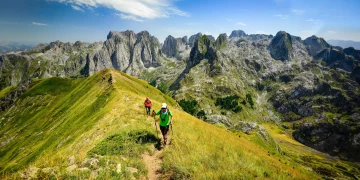













Trails—those well-worn paths in forests, mountains, deserts, and along waterways—are not just physical routes to explore nature but gateways to deeper experiences. They bridge the gap between human life and the wild world, offering us not only a means of movement but also a chance to reconnect with the natural environment. But how exactly do these trails shape our connection to nature? The answer lies in their ability to guide us, challenge us, and ultimately transform us. From the well-trodden paths of national parks to the hidden tracks through remote wildernesses, trails play an essential role in fostering a profound connection to the natural world.
The Role of Trails in Connecting Us to Nature
1. Providing Accessibility to Remote Spaces
Nature is vast, and much of it is difficult to access without some form of assistance. Trails function as the pathways into nature, making the wilderness accessible to those who might otherwise feel daunted by its rough terrain. Whether it’s the serene, meandering paths through a forest or the challenging ascents of mountain trails, these routes allow people from all walks of life to engage with nature in ways they wouldn’t have otherwise been able to.
For example, iconic trails like the Appalachian Trail in the U.S. or the Camino de Santiago in Spain open up immense wilderness areas to millions of people. They offer a way to experience nature without the need for expert survival skills. Trails act as a bridge between our modern world and the raw beauty of the natural landscape, allowing people to explore the outdoors safely and with a sense of purpose.
2. Deepening Our Understanding of the Ecosystem
When we walk along a trail, we are not merely moving from one point to another. We are immersing ourselves in the environment, observing plants, animals, and the intricate systems that support life. Trails often pass through diverse ecosystems, giving hikers and walkers a chance to see different types of habitats and wildlife in their natural state.
For instance, a trail through a tropical rainforest might introduce you to the delicate balance between flora and fauna, while a desert trail might highlight the resilience of plants and animals in extreme conditions. Along the way, interpretive signs, visitor guides, or even simply the experience of walking slowly and attentively can teach us about the delicate interplay of ecosystems. This knowledge fosters a greater appreciation for the complexity and fragility of nature.
3. Cultivating Mindfulness and Presence
The simple act of walking along a trail can shift our mindset from the constant noise and busyness of modern life to a more mindful, present state. Trails encourage us to slow down and focus on the sensory experiences of nature—the rustle of leaves underfoot, the scent of pine trees, the sight of a distant peak or a bubbling stream. This moment-by-moment awareness deepens our connection to the natural world.
In recent years, the concept of “forest bathing” or Shinrin-yoku, a practice rooted in Japanese tradition, has gained popularity. It involves spending time in a forest environment, fully immersing oneself in the sights, sounds, and smells of the forest to enhance mental well-being. Trails, especially those through dense woods or quiet meadows, are perfect for this type of mindfulness practice. Walking along a trail encourages a form of meditation that allows us to escape the chaos of everyday life and reestablish a personal connection to nature.
4. Promoting Physical and Mental Well-being
Trails, particularly those in natural settings, provide a pathway to both physical and mental well-being. Studies have shown that spending time outdoors, especially when walking on trails, can reduce stress, lower blood pressure, and enhance overall health. The combination of physical exercise, fresh air, and exposure to natural beauty creates a holistic experience that is both revitalizing and therapeutic.
Physical activity on trails also promotes a sense of accomplishment. Whether hiking to the summit of a mountain or simply completing a loop through a local park, the journey often leads to a sense of satisfaction and joy. Furthermore, trails often provide access to quiet spaces, which can be profoundly restorative for the mind. Being surrounded by nature, away from the distractions of urban environments, gives people the opportunity to reflect, relax, and experience a sense of calm and peace.
5. Trails as Pathways to Adventure and Discovery
For many, trails are not just about movement—they are about discovery and adventure. They offer opportunities for exploration and the unknown. Whether hiking through dense forests, scrambling across rocky terrain, or trekking across wide, open fields, trails often lead us to hidden wonders.
Along these paths, hikers may discover hidden waterfalls, breathtaking vistas, or wildlife in its natural habitat. The unpredictability of a trail, whether it’s through a foggy valley or a sudden thunderstorm, brings a sense of excitement and challenge. As we venture down these paths, we learn not only about the landscape but also about our own limits, resilience, and capacity for awe.
Additionally, some trails lead us to historical or cultural sites, offering a deeper connection to the land’s past. The Inca Trail to Machu Picchu is a perfect example of a trail that combines both physical adventure and historical significance, guiding walkers to one of the most iconic cultural landmarks in the world.
6. Fostering a Sense of Responsibility and Stewardship
The more we engage with nature, the more we feel a sense of responsibility for its preservation. Trails encourage us to care for the environment by promoting sustainable practices and responsible tourism. Many trails are maintained by conservation organizations or volunteers who work to ensure that these paths remain accessible while also protecting the natural ecosystems they pass through.
Moreover, when hikers witness the delicate beauty of nature firsthand, whether it’s a pristine mountain lake or an old-growth forest, it’s easier to understand the importance of environmental protection. Trails often bring visitors into direct contact with both the positive and negative impacts of human activity. Seeing the effects of erosion, litter, or habitat destruction along a trail can motivate people to take action—whether it’s picking up trash, reducing waste, or supporting environmental causes.
Types of Trails and Their Unique Contributions to Our Connection to Nature
1. Forest Trails: A Journey Through the Canopy

Forest trails often evoke a sense of mystery and serenity. Surrounded by towering trees and enveloped in the smells of earth and wood, these trails invite hikers to step into an environment that feels timeless. The air is often cooler, filled with the scent of pine or moss, and the sound of rustling leaves creates a calming atmosphere.
Forest trails offer more than just physical exercise—they provide an immersion in the sensory world of trees, plants, and animals. Whether you’re walking along a dense, shaded path or winding through an open meadow under the canopy, the forest trail offers a holistic experience of nature that appeals to all the senses.
2. Mountain Trails: Conquering Peaks, Embracing Challenges
Mountain trails, with their steeper ascents and rugged terrain, offer a more physically demanding experience. However, they also provide some of the most rewarding views and experiences in nature. As you climb higher, the landscape transforms, often with each new ridge offering a fresh perspective.
The sense of accomplishment that comes with reaching a mountain summit is unparalleled. From the top, you might be rewarded with panoramic views of valleys, forests, and distant peaks. Mountain trails challenge not just your physical stamina but your mental resilience, as the journey to the summit often requires patience, determination, and a willingness to push through discomfort.
3. Desert Trails: Navigating the Silent Vastness
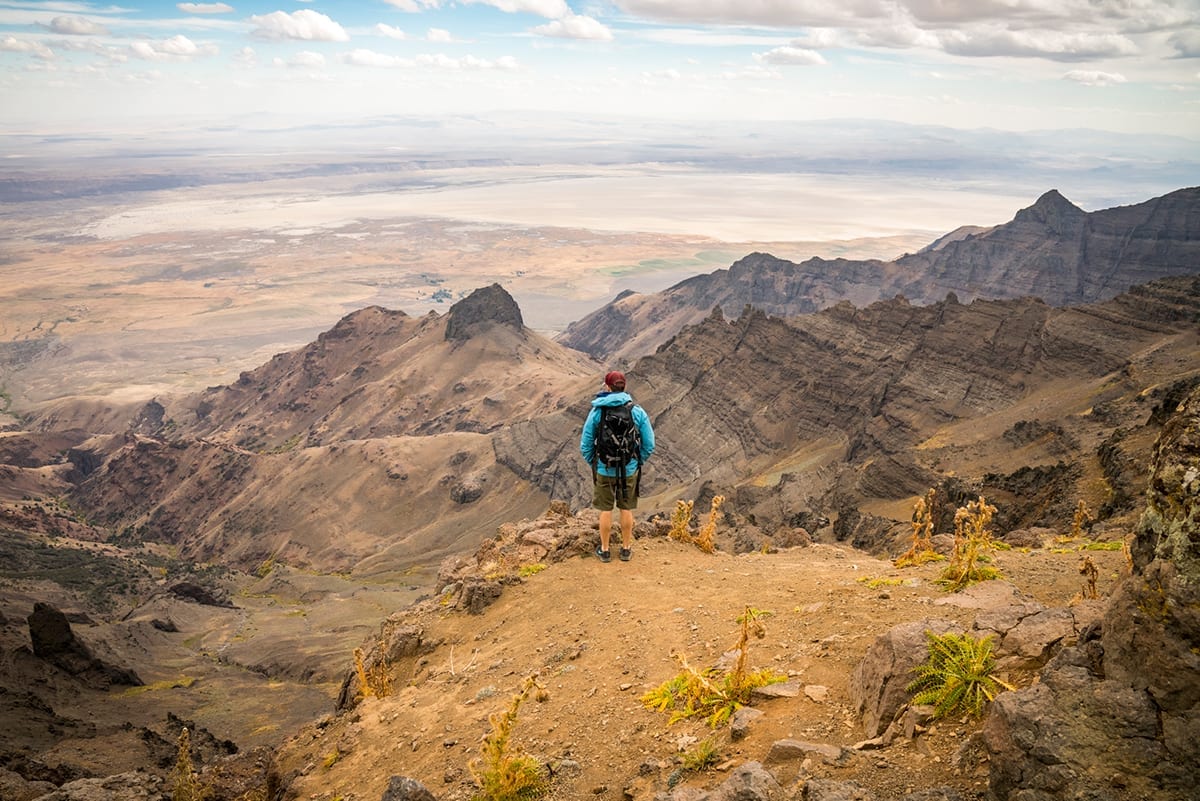
Desert trails, with their stark beauty and extreme conditions, offer a different kind of challenge. The arid landscape, often stretching endlessly into the horizon, can feel isolating. However, it also brings a sense of awe, as you realize the adaptability of life in such a harsh environment.
Desert trails often lead through barren landscapes, but even in the harshest conditions, life persists. Cacti, desert flowers, and animals uniquely adapted to dry conditions offer glimpses of resilience. Desert trails also offer an opportunity to reflect on our place in the world, and the silence that envelops the desert landscape invites a deep, meditative experience.
4. Coastal Trails: The Rhythm of the Sea
Coastal trails are among the most serene, offering a connection to both the land and the ocean. These trails often pass along cliffs, through dunes, or beside beaches, with the sound of waves crashing in the background. Walking along a coastal trail, you can feel the pulse of the Earth through the rhythmic ebb and flow of the tides.
The ocean offers a sense of vastness, reminding us of nature’s grandeur and our smallness within it. Coastal trails allow us to witness the interplay between land and water, highlighting the dynamic forces of nature that shape our planet.
Conclusion: Trails as Gateways to Nature’s Heart
In the end, trails shape our connection to nature by providing pathways into the heart of the wild. They offer accessibility, teach us about ecosystems, and foster mindfulness, physical well-being, and environmental stewardship. Trails are places where adventure and discovery meet, where challenges are overcome, and where a sense of responsibility for nature is born. As we walk these paths, we not only explore the natural world but also learn more about ourselves.
By nurturing our connection to nature, trails inspire us to protect and preserve the landscapes we love, ensuring that future generations will continue to walk these same paths. The trails we walk today are more than just routes—they are the lifelines that tie us to the planet we call home.