








In the world of branding, a logo is much more than just a design; it’s the visual identity of a brand, the first thing people see, and the lasting impression they remember. But what exactly makes a logo unforgettable? How do you transform a simple design into an iconic symbol that stays etched in people’s minds long after they’ve seen it?
In this article, we will explore the power of simplicity, color psychology, timelessness, and emotional connection—all key elements in designing a memorable logo. By the end of this piece, you’ll understand how to craft logos that aren’t just visually appealing but also meaningful and unforgettable.
The Power of Simplicity
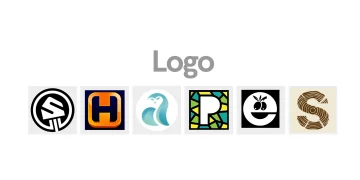
When it comes to logo design, less is often more. While it’s tempting to go all-out with intricate designs, many of the most iconic logos in the world are surprisingly simple. Think of brands like Apple, Nike, or McDonald’s—each has a logo that is clean, minimalistic, and easily recognizable.
A simple logo has several key advantages:
- Memorability: Simple shapes and clear lines are easier to remember. Think of a logo like the Twitter bird—it’s an easily identifiable shape that sticks in your mind.
- Versatility: A simple logo can be scaled up or down without losing its integrity. Whether it’s on a business card or a billboard, a minimalist logo remains clear and impactful.
- Timelessness: Complexity can often date a logo. Simple designs tend to stand the test of time, because they don’t rely on fleeting trends or stylistic choices that may become outdated.
Tip: When designing a logo, consider focusing on one strong visual element. Whether it’s a unique shape, a simple monogram, or a bold symbol, keeping it streamlined will help your design stand out in the long run.
Color: More Than Just a Pretty Palette
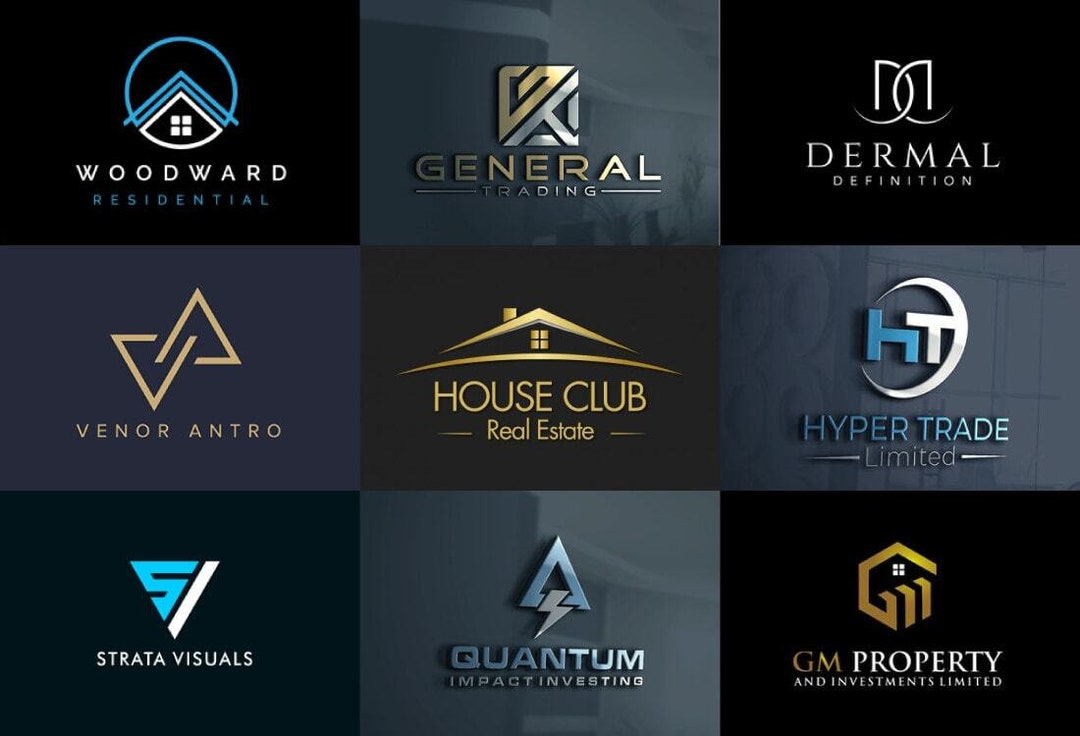
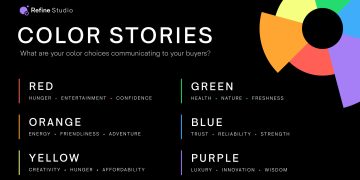
Color is one of the most powerful tools in logo design. It’s not just about aesthetics; different colors evoke different emotions and associations, making it critical to select the right palette for your logo.
The Psychology of Color:
- Red: Often associated with energy, passion, and action, red can stimulate excitement and urgency.
- Blue: Blue conveys trust, professionalism, and calm, making it a popular choice for technology and healthcare brands.
- Green: Symbolizing growth, health, and sustainability, green is perfect for environmental or organic brands.
- Yellow: Known for representing optimism and happiness, yellow is attention-grabbing and energetic.
- Black: Classic and sophisticated, black suggests luxury, elegance, and authority.
Tip: Consider the message you want your brand to communicate before choosing a color. For example, a law firm might opt for blue to suggest professionalism, while a fitness brand might use red to convey energy and dynamism.
Timelessness Over Trendiness
Trends come and go, but the best logos remain relevant for years, even decades. A logo should be designed with the future in mind, not just the current moment.
To create a timeless logo:
- Avoid Overuse of Trends: Trends like gradients, overly complex typography, or overly stylized icons may seem appealing now but will likely look dated in a few years.
- Focus on Versatility: A timeless logo works well in any medium—digital, print, or even on merchandise. It should look great in black and white, as well as in full color.
- Create Emotional Connections: When your logo resonates with people on an emotional level, it transcends trends. A timeless logo reflects the core values and mission of the brand, making it relevant for years to come.
Tip: Do your research on the history of design trends and aim for something that feels classic but still modern. Classic logos like Coca-Cola or Chanel have withstood the test of time because they were ahead of their time, yet never got caught up in fleeting design trends.
Shape and Symbolism: More Than Just a Picture
A logo is much more than just a pretty picture—it’s a symbol of your brand’s values and essence. Every line, curve, and angle should tell a story or convey meaning. The shapes used in a logo aren’t arbitrary—they can convey messages, evoke feelings, and even influence perceptions.
The Meaning of Shapes:
- Circles: Often associated with unity, infinity, and protection, circles can suggest a brand is trustworthy and inclusive.
- Squares/Rectangles: These shapes symbolize stability, balance, and professionalism. Think of brands like IBM or Microsoft.
- Triangles: Triangles represent energy, innovation, and direction. They can also imply strength and power.
Tip: Try to integrate meaning into your logo’s shape. For example, if you’re designing a logo for an eco-friendly brand, a circle could symbolize the Earth, sustainability, and unity with nature.
Emotional Connection: Logos as Storytellers
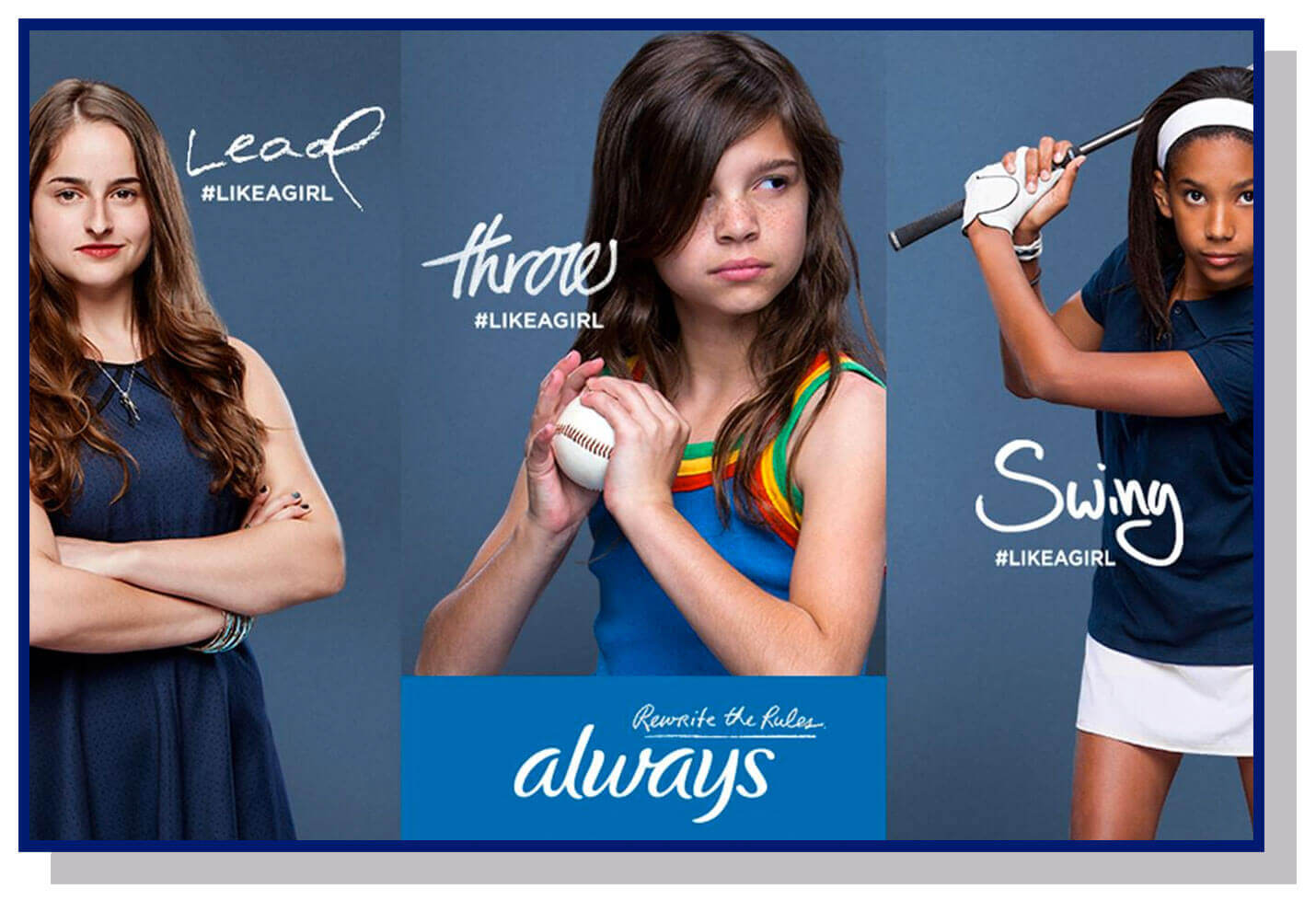
An unforgettable logo goes beyond aesthetics and functionality—it forms an emotional connection with the audience. Think about how the Nike swoosh makes you feel motivated or how the Apple logo evokes feelings of innovation and simplicity. A great logo taps into the psyche of its audience, resonating with them on a deeper level.
To create an emotional connection:
- Tell a Story: The best logos often have a backstory that gives them depth. For example, the meaning behind the Amazon logo (the arrow from A to Z) suggests the company offers everything from A to Z, symbolizing a vast and comprehensive selection.
- Incorporate Values: A logo should reflect the core values of the brand. If a company emphasizes sustainability, its logo might feature earthy tones or nature-inspired symbols.
- Consider Your Audience: Think about the emotions you want your logo to evoke in your target market. A children’s toy brand might use playful fonts and bright colors, while a financial institution would want to convey security and trustworthiness.
Tip: A logo with a compelling story or symbolic meaning can make it far more memorable. Don’t be afraid to integrate elements that reflect your company’s journey or mission.
Consistency Across All Platforms
Consistency is key when it comes to branding. A logo should be recognizable no matter where it’s displayed. Whether it’s on a website, social media profile, or a product, your logo should remain consistent in its color, shape, and usage.
Why Consistency Matters:
- Brand Recognition: When your logo is used consistently, it helps build brand recognition. Over time, consumers will associate that symbol with your brand’s identity, which is crucial for creating a lasting impression.
- Trust: Consistency builds trust. When a brand is visually coherent, customers feel that the business is reliable and professional.
- Clarity: A logo that’s clear and consistent is easier for people to understand and remember.
Tip: Create brand guidelines that include rules for logo placement, color codes, and spacing to ensure consistency across all mediums.
Test, Refine, and Evolve
The process of designing a memorable logo doesn’t stop once you’ve created the first draft. The best logos go through multiple iterations before they are finalized. Testing your logo with your target audience and refining it based on feedback can help ensure that it resonates with the people you want to reach.
- A/B Testing: Try testing different variations of your logo to see which one performs best with your audience.
- Get Feedback: Share your logo designs with people outside of your creative team to get a fresh perspective.
- Evolve Over Time: Even the most iconic logos sometimes undergo slight tweaks. Think of how Google’s logo has evolved over time to remain fresh yet recognizable.
Tip: Don’t be afraid to revisit your logo after a few years. A small tweak or update might make all the difference in keeping it relevant without losing the brand’s core identity.
Conclusion
Making a logo unforgettable isn’t about creating something overly complex or flashy. It’s about designing a logo that reflects the essence of your brand, connects emotionally with your audience, and stands the test of time. Through simplicity, thoughtful color choices, meaningful shapes, and consistency, your logo can become a symbol that leaves a lasting impression.
To create a truly unforgettable logo, it’s important to approach the design process with intention and purpose. Remember that the best logos are not just aesthetically pleasing—they evoke emotion, build trust, and tell a story that aligns with the values of the brand. When you combine these elements thoughtfully, you have the recipe for a logo that people will remember long after they’ve seen it.