







The Mediterranean Sea, an azure jewel nestled between three continents—Europe, Asia, and Africa—has long captured the imaginations of travelers, historians, and dreamers alike. From the sun-kissed beaches of the French Riviera to the ancient ruins of Athens, it is often depicted as a paradise of pristine coastlines, idyllic weather, and endless sunshine. However, the Mediterranean’s allure extends far beyond the sandy shores and tranquil waters. Beneath its surface and across its surrounding lands, the Mediterranean holds secrets of lost civilizations, culinary legacies, unexplored marine depths, and a dynamic cultural tapestry that has shaped human history for millennia.
In this article, we will dive deep into the rich history, hidden treasures, and unique experiences that the Mediterranean offers, venturing beyond the well-trodden beach resorts to explore its ancient ruins, uncharted depths, mysterious folklore, and vibrant traditions.
1. The Underwater World: Ancient Shipwrecks and Submerged Cities
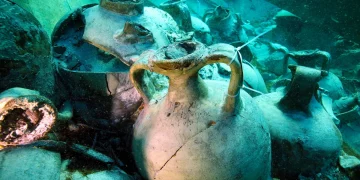
The Mediterranean has long been a crossroads of trade, exploration, and cultural exchange, making it a veritable treasure chest of maritime history. Beneath its crystal-clear waters, the remnants of shipwrecks and sunken cities tell the story of an era long past, preserving secrets of ancient civilizations and their maritime prowess.
The Shipwrecks of the Mediterranean
From the Phoenicians to the Romans, countless civilizations navigated these waters, leaving behind their fleets and cargo. One of the most famous underwater archeological sites is the wreck of the Antikythera Mechanism, discovered in 1900 near the Greek island of Antikythera. This ancient Greek device, often referred to as the world’s first computer, dates back to around 100 BCE and was used for astronomical calculations. The wreck, however, is not just famous for the mechanism itself but also for the treasure of bronze and marble statues, ceramics, and other artifacts that were recovered from the depths.
Another notable wreck is the Mazarrón 2, located off the Spanish coast near the town of Mazarrón. It dates back to the first century BCE and is a remarkable discovery due to the preservation of its cargo—metalwork, oil lamps, and glassware. The Mediterranean’s calm, warm waters have acted as a natural preservative, allowing these shipwrecks to remain intact for thousands of years.
Submerged Cities: The Forgotten Mediterranean
Not all secrets are confined to shipwrecks; beneath the waves lie entire cities that were once bustling hubs of civilization. Take, for instance, the city of Heracleion, located off the coast of Egypt near Alexandria. Once a major trading port, it was swallowed by the sea due to rising waters and earthquakes around the 8th century BCE. Rediscovered in 2000, the site has since yielded a treasure trove of statues, inscriptions, and artifacts, offering an unprecedented glimpse into ancient Egyptian maritime life.
Similarly, Pavlopetri, a submerged Bronze Age city off the coast of southern Greece, dates back to around 2000 BCE. Considered the oldest known submerged city, Pavlopetri boasts an organized layout with streets, buildings, and even cemeteries. The city was likely abandoned after an earthquake and slowly sank into the sea.

These submerged sites challenge the traditional understanding of ancient history, revealing that the Mediterranean’s coastline has been far more dynamic and volatile than previously believed, with cities rising and falling along with the tides of time.
2. The Mediterranean Diet: A Culinary Tradition Steeped in History
Beyond its historical and natural wonders, the Mediterranean is also renowned for its rich and diverse cuisine, which has been shaped by the ancient cultures that have settled along its shores. The Mediterranean diet, celebrated for its health benefits, is not just a dietary pattern but a reflection of centuries of tradition, agricultural knowledge, and cultural exchange.
Olive Oil: The Liquid Gold
Perhaps no food symbolises the Mediterranean more than olive oil, which has been a cornerstone of the region’s diet for over 6,000 years. Olive cultivation is thought to have originated in the eastern Mediterranean, with the olive tree being sacred to many ancient cultures. In ancient Greece, olive oil was used for everything from cooking to anointing athletes and royalty, while the Romans spread olive cultivation throughout the empire, creating vast olive groves across Spain, Italy, and North Africa.
The Mediterranean diet, rich in fruits, vegetables, legumes, fish, and whole grains, emphasizes the use of olive oil as a healthy fat. Its heart-healthy monounsaturated fats, along with its anti-inflammatory properties, have been linked to reduced risks of heart disease and improved longevity.
Wine: The Nectar of the Gods
Another iconic component of Mediterranean culture is wine. From the vineyards of France and Italy to the rolling hills of Spain, the Mediterranean has long been the birthplace of wine-making, dating back to ancient times. The Greeks and Romans were both avid wine drinkers, with wine playing an essential role in religious rituals, feasts, and daily life.
Modern-day Mediterranean wine culture is as diverse as the region itself, with each country offering its unique varieties. The robust reds of Italy, the crisp whites of Greece, and the bold wines of Spain each have their distinct characteristics, shaped by centuries of tradition and the region’s varied climates.
Seafood: Fresh from the Waters
Being surrounded by the Mediterranean Sea means seafood is an integral part of the diet. From grilled sardines in Portugal to calamari in Greece, the bounty of the sea is an essential feature of Mediterranean cuisine. The freshness of the ingredients, combined with simple yet flavorful cooking methods, creates dishes that are not only healthy but also deeply tied to the region’s maritime history.
3. Ancient Ruins and Archaeological Wonders
The Mediterranean region is a veritable treasure trove of archaeological wonders, with many ancient cities and structures still standing as silent witnesses to a bygone era.
The Pyramids of Egypt: More Than Just a Desert Wonder
While often associated with the Middle East, Egypt’s northern coast is part of the Mediterranean world, and its ancient wonders have long drawn attention. The Pyramids of Giza, located on the outskirts of Cairo, are among the most iconic monuments in the world, attracting millions of visitors every year. The pyramids, however, are just one piece of Egypt’s monumental history.
The ancient port city of Alexandria, founded by Alexander the Great, was a center of knowledge and culture. It was home to the famous Library of Alexandria, one of the largest and most significant libraries of the ancient world. The city’s ancient lighthouse, the Pharos, was considered one of the Seven Wonders of the Ancient World and guided sailors safely to shore for centuries.
The Acropolis of Athens: A Symbol of Western Civilization
The Acropolis in Athens, Greece, is another iconic symbol of the Mediterranean’s historical importance. This ancient citadel, perched on a rocky hill above the modern city, is home to the Parthenon, a temple dedicated to the goddess Athena. Built in the 5th century BCE, the Parthenon is one of the most enduring symbols of ancient Greece and its contributions to democracy, philosophy, and the arts.

Around the Mediterranean, similar ancient sites—such as Rome’s Colosseum, the Palace of Knossos in Crete, and Pompeii in Italy—offer glimpses into the ancient world and its complex societies.
4. Folklore, Myths, and Legends: The Mediterranean’s Mystical Side
The Mediterranean has long been a land of myths and legends, with gods, monsters, and heroes woven into its cultural fabric. Ancient Greek and Roman myths, in particular, have had a profound influence on the region’s collective imagination.
The Sirens and Odysseus: The Sea’s Dangerous Beauty
One of the most famous legends associated with the Mediterranean is the story of Odysseus and the Sirens. In Homer’s Odyssey, Odysseus encounters the Sirens—beautiful, enchanting creatures whose songs lure sailors to their doom. This myth, deeply rooted in the Mediterranean’s mysterious allure, symbolizes both the beauty and the danger of the sea.
The Minotaur and the Labyrinth: The Island of Crete
On the island of Crete, the myth of the Minotaur—a half-man, half-bull creature—continues to captivate imaginations. According to Greek mythology, the Minotaur dwelled within a labyrinth, a maze-like structure built by King Minos. The tale of Theseus’ journey to defeat the creature is not only a story of bravery but also an allegory of human ingenuity and the struggle against the unknown.
5. The Mediterranean’s Modern Role: Politics and Economy
The Mediterranean today is not just a historical or cultural entity but also a geopolitically significant region. With its strategic location at the crossroads of Europe, Africa, and Asia, the Mediterranean has been a center of global trade, diplomacy, and political tension for centuries.
The Suez Canal, connecting the Mediterranean to the Red Sea and the Indian Ocean, remains one of the world’s most vital shipping routes. This narrow waterway is a critical artery for global commerce, allowing goods to travel from Europe to Asia without having to navigate the longer route around the southern tip of Africa.
Politically, the Mediterranean region is often in the spotlight due to the ongoing challenges it faces, including migration, conflict, and environmental degradation. The Mediterranean has long been a place of cultural exchange, but in recent years, it has also become a focal point for refugees fleeing war and poverty in the Middle East and Africa. The economic disparities between the northern and southern shores of the Mediterranean, coupled with issues like climate change, make the region’s future uncertain.
Conclusion: The Mediterranean’s Timeless Allure
While the Mediterranean’s beaches are certainly its most famous feature, they are only the surface of what this extraordinary region holds. From ancient shipwrecks to submerged cities, from culinary traditions that have shaped the modern world to myths that continue to inspire us, the Mediterranean is a region of boundless mystery and richness. The secrets it holds beneath its waves and within its landscapes are not just relics of the past but living legacies that continue to shape the present and will surely influence the future.