











Hiking is one of the most accessible and rewarding outdoor activities, offering everything from leisurely walks through serene landscapes to rigorous mountain treks. While the allure of the great outdoors is universal, your hiking gear plays a crucial role in determining how well you perform on the trail. Whether you’re a seasoned mountaineer or a casual weekend adventurer, the right equipment can make or break your experience. But what exactly does hiking gear do to enhance (or hinder) your performance? In this article, we will explore the various types of hiking gear and how they impact your physical performance, comfort, and overall hiking experience.
1. The Importance of Footwear: Hiking Boots and Shoes
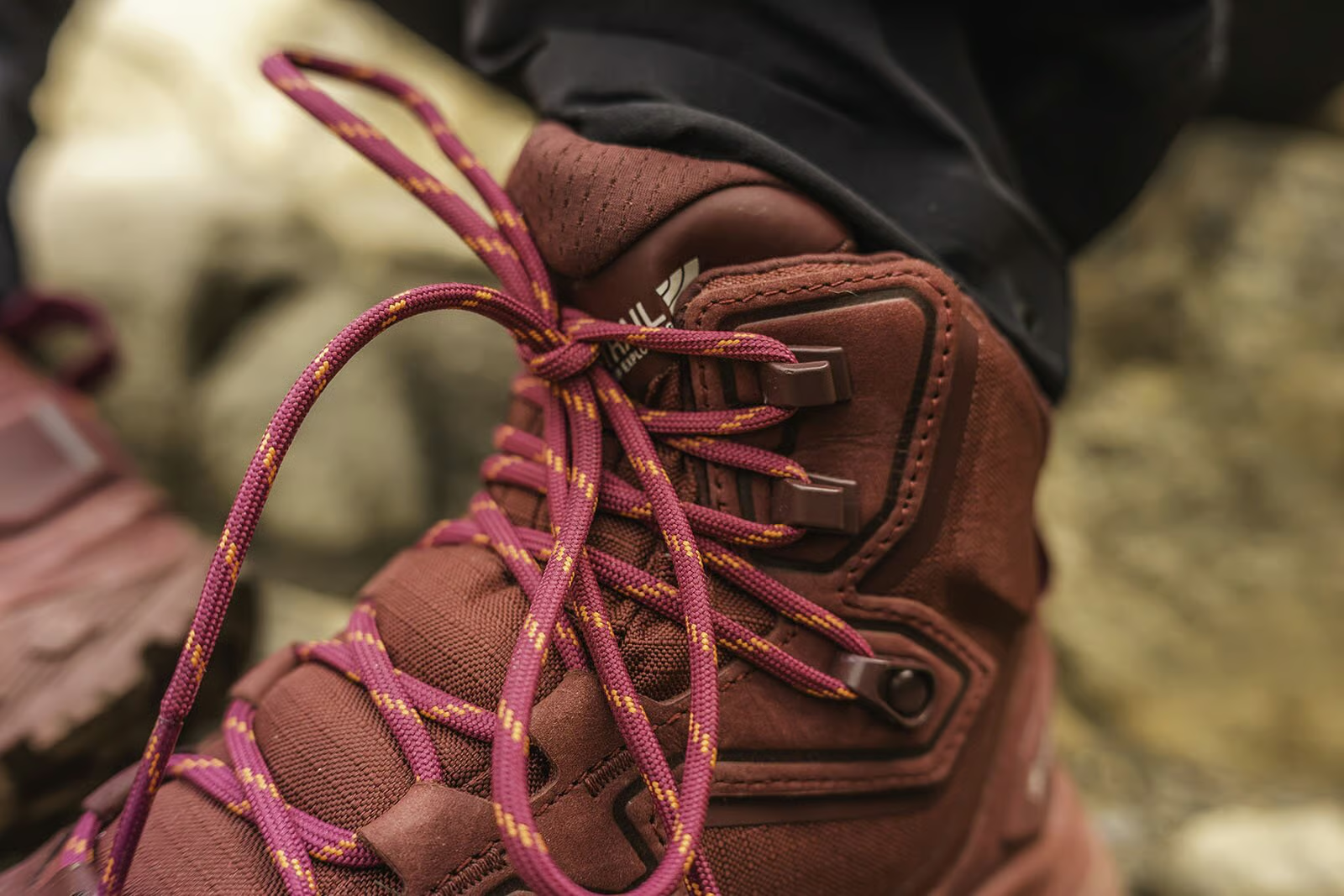
Arguably the most important piece of hiking gear is your footwear. Whether you’re tackling a short nature walk or an extended multi-day trek, your shoes or boots will directly affect your performance and comfort.
a. Support and Stability
Good hiking boots provide excellent ankle support, which is crucial for preventing injuries, especially when navigating uneven or rocky terrain. Shoes that are too light or lack proper support may increase your chances of twisting an ankle or losing your balance on a slippery trail. Hiking boots with stiff soles also offer better traction, reducing the risk of slipping.
b. Weight Considerations
The weight of your footwear is another factor to consider. Lighter shoes are often more comfortable for day hikes and speed-focused trails, allowing for quicker movement and less fatigue. However, heavier boots might provide more stability, protection, and insulation in colder climates or on rugged, technical trails.
c. Breathability and Waterproofing
Hiking boots with breathable materials allow moisture to escape, keeping your feet dry and reducing the likelihood of blisters. However, when hiking in wet or cold conditions, waterproof boots become essential. Waterproofing ensures that your feet stay dry in puddles or rain, although it can come at the cost of breathability.
d. Choosing the Right Footwear
When choosing hiking boots or shoes, consider the terrain you’ll be traversing, the weight you’ll be carrying, and the climate you’ll be hiking in. A high-quality, well-fitting pair of boots can dramatically improve both your comfort and performance on the trail.
2. Backpacks: Carrying Gear Efficiently
A well-fitted backpack not only provides the necessary space for gear but also influences your hiking efficiency and comfort. Poorly designed backpacks can lead to back pain, poor posture, and even fatigue, all of which hinder performance.
a. Fit and Comfort
A backpack that fits properly is key to preventing muscle strain and distributing weight evenly. Many backpacks come with adjustable straps that help you fine-tune the fit, ensuring that the weight is carried comfortably on your hips and shoulders rather than straining your back. Padded straps, hip belts, and back panels with ventilation can increase comfort and minimize sweat buildup.

b. Pack Size and Capacity
The size of your backpack should align with the length of your hike. For day hikes, a 20-30 liter pack is usually sufficient for carrying essentials like water, snacks, and a jacket. Multi-day hikers, however, will need larger packs ranging from 40 to 70 liters to accommodate tents, sleeping bags, and extra food. Overpacking can cause unnecessary strain, while underpacking may leave you without essential gear.
c. Weight Distribution and Load
A backpack with poor weight distribution can cause discomfort and fatigue, particularly when hiking long distances. It’s important to keep the heaviest items close to your back and around your waist, as this helps maintain a stable center of gravity and reduces strain on your shoulders.
3. Clothing: Layering for Performance and Comfort
When it comes to hiking, the saying “There’s no bad weather, only bad clothing” holds a lot of truth. The right clothing will keep you comfortable, regulate body temperature, and allow you to perform at your best, regardless of conditions.
a. Base Layer
The base layer is the first line of defense against cold, moisture, and sweat. Merino wool or moisture-wicking synthetics are great options because they keep you dry by pulling sweat away from your skin. A good base layer regulates body temperature and prevents you from getting too hot or too cold during your hike.
b. Mid Layer
The mid layer serves as insulation, trapping warmth close to your body. Fleece, down, or synthetic options like Primaloft work well for providing warmth without too much bulk. This layer can easily be adjusted (added or removed) as you move between varying temperatures or activity levels.
c. Outer Layer
The outer layer acts as a barrier against wind, rain, and snow. Waterproof and windproof jackets are essential for maintaining comfort and safety in unpredictable weather conditions. Many modern jackets are designed to be breathable, ensuring that you don’t overheat or trap moisture inside, which can lead to chilling.
d. Footwear and Gaiters
In addition to boots, gaiters can help keep debris, dirt, and water from entering your shoes. They are especially useful in wet, muddy, or snowy conditions and can improve overall comfort and foot hygiene.
e. Sun Protection
Hats, sunglasses, and sun-blocking clothing are essential when hiking in exposed or high-altitude areas where sun exposure can be intense. UV protection in fabrics can prevent sunburns and skin damage, allowing you to stay on the trail longer.
4. Trekking Poles: Enhancing Balance and Reducing Impact
Trekking poles are a divisive piece of gear—some hikers swear by them, while others prefer to hike without them. However, the benefits they offer are undeniable.
a. Improved Stability
Trekking poles help maintain balance, especially on uneven terrain. They provide three points of contact with the ground, which improves stability and reduces the risk of falls. This is particularly important for hikers carrying heavy packs or navigating steep inclines.
b. Joint Protection
By distributing some of your body’s weight onto the poles, trekking poles reduce the impact on your knees and hips, particularly when descending or hiking on hard surfaces. This can make a significant difference on long, steep hikes and reduce the risk of joint strain and injury.
c. Upper Body Workout
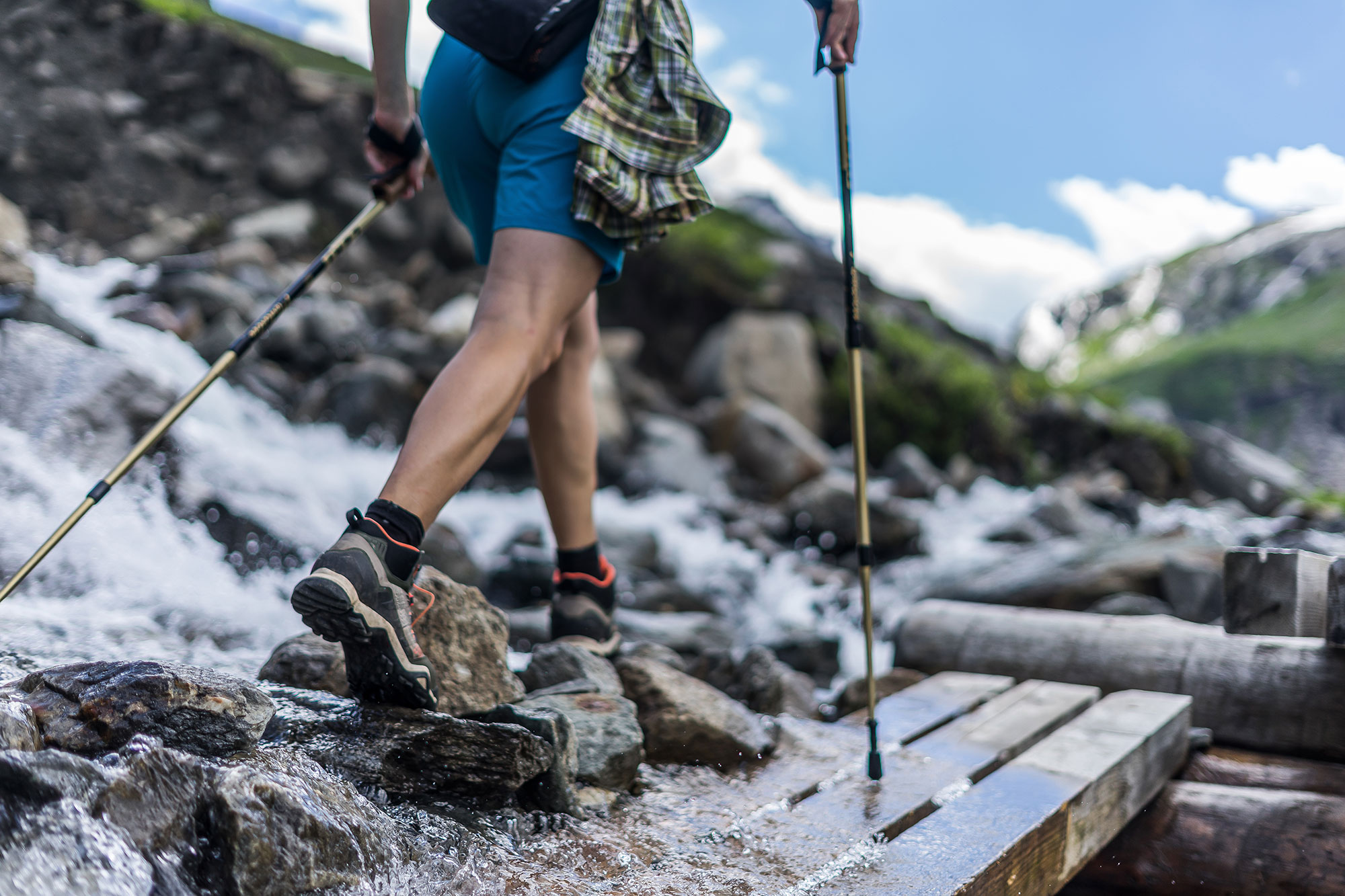
Using trekking poles also provides a mild upper body workout, engaging your arms, shoulders, and chest. This can help with overall endurance and reduce fatigue in your legs.
5. Hydration Systems: Staying Energized on the Trail
Maintaining proper hydration is key to optimal performance while hiking. Dehydration can cause fatigue, cramps, and even heat stroke, all of which can bring a hike to a premature end.
a. Water Bottles vs. Hydration Bladders
Water bottles are straightforward and easy to use, but they can be cumbersome to access while walking. Hydration bladders (or reservoirs) offer a more efficient solution, with a hose that allows you to drink hands-free while on the move. This convenience helps ensure that you stay hydrated without having to stop and take off your pack.
b. Capacity and Design
Hydration systems come in various sizes, typically ranging from 1.5 liters to 3 liters, which should be chosen based on the length and difficulty of your hike. It’s crucial to choose a water system that is comfortable and fits seamlessly within your pack.
c. Water Treatment
For longer hikes or remote trails, you may need to filter or purify water from natural sources. Water filters or purification tablets are compact and lightweight, offering a safe way to stay hydrated on the go.
6. Technology and Navigation Tools
In the modern world of hiking, technology plays an increasingly important role in ensuring safety, efficiency, and enjoyment.
a. GPS and Navigation Apps
While traditional maps and compasses are still widely used, GPS devices and navigation apps for smartphones offer a more precise and real-time way to track your progress. These tools help you stay on course, especially in unfamiliar or backcountry areas where trails are less obvious.
b. Headlamps and Flashlights
When hiking during early morning hours, at dusk, or in the dark, a reliable headlamp or flashlight is essential. Headlamps, in particular, allow for hands-free lighting, which is critical for navigating tricky terrain or reading maps.
c. Emergency Beacons
In remote areas, it’s wise to carry an emergency beacon or satellite messenger, especially if you’re hiking alone or in an area with limited cell service. These devices can transmit your location and send out distress signals in case of an emergency.
Conclusion: The Right Gear for Optimal Performance
The gear you choose for your hiking adventures directly impacts your performance, safety, and comfort. From footwear and backpacks to hydration systems and technology, each piece of equipment serves a unique purpose and can make your experience more enjoyable and efficient. By selecting the right gear based on your specific needs and the environment you’ll be hiking in, you can maximize your potential on the trail and minimize discomfort or risk.
Hiking is as much about the journey as it is about the destination, and with the proper gear, that journey can be safer, more comfortable, and ultimately more rewarding. So, take the time to invest in the right equipment, and get ready to experience the great outdoors in a whole new way.