












Climbing is a pursuit that blends physical endurance with mental toughness, a journey that takes climbers from the rugged trails to the towering cliffs. Whether you’re scaling a boulder problem, ascending a multi-pitch route, or tackling an ice waterfall, one thing is universally true: gear matters. But how much does the right equipment really affect your climbing experience? Can gear make or break your ascent, or is it just a minor factor in the grand scheme of things?
In this article, we’ll explore how climbing gear plays a pivotal role in your climbing experience, from safety to performance. We’ll dive into essential gear, explain its nuances, and shed light on how choosing the right equipment can either elevate your climb or derail it.
1. The Foundation: Footwear
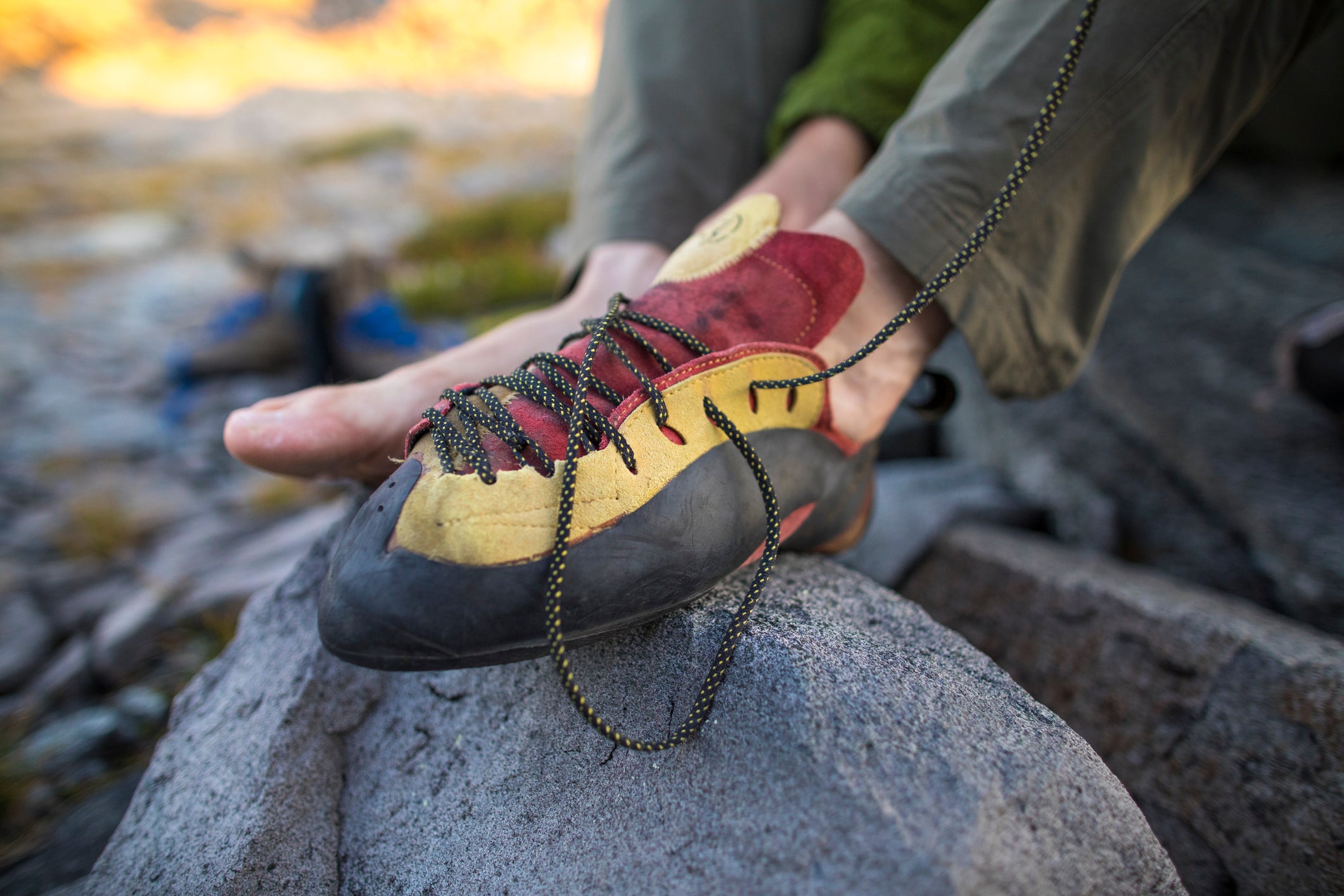
It’s no exaggeration to say that your climbing shoes are your connection to the rock. Proper footwear can drastically enhance your precision, comfort, and safety on the wall. Whether you’re rock climbing or bouldering, your shoes have one critical role: providing traction. But there’s more to it.
Fit and Comfort
Climbing shoes come in different fits, from snug, performance-oriented designs to more relaxed, comfort-focused options. If you’re looking for precision on small footholds, a tighter, more aggressive shoe with a downward camber will provide better power transfer. However, on longer routes or trad climbs, comfort is paramount. An ill-fitting shoe can lead to blisters, hotspots, and even long-term injuries.
Materials and Rubber
The type of rubber used in climbing shoes also plays a huge role in performance. Sticky rubber, like Vibram or Stealth, provides excellent traction on rock, making it easier to edge and smear. Softer rubber will give you better sensitivity, while harder rubber is more durable and better for edging on small features.
2. Rope: The Lifeline
When climbing, your rope is not just a piece of gear; it’s your lifeline. A rope failure can turn a fun climb into a life-threatening situation. But what makes a good climbing rope, and how does it impact your experience?
Dynamic vs. Static Ropes
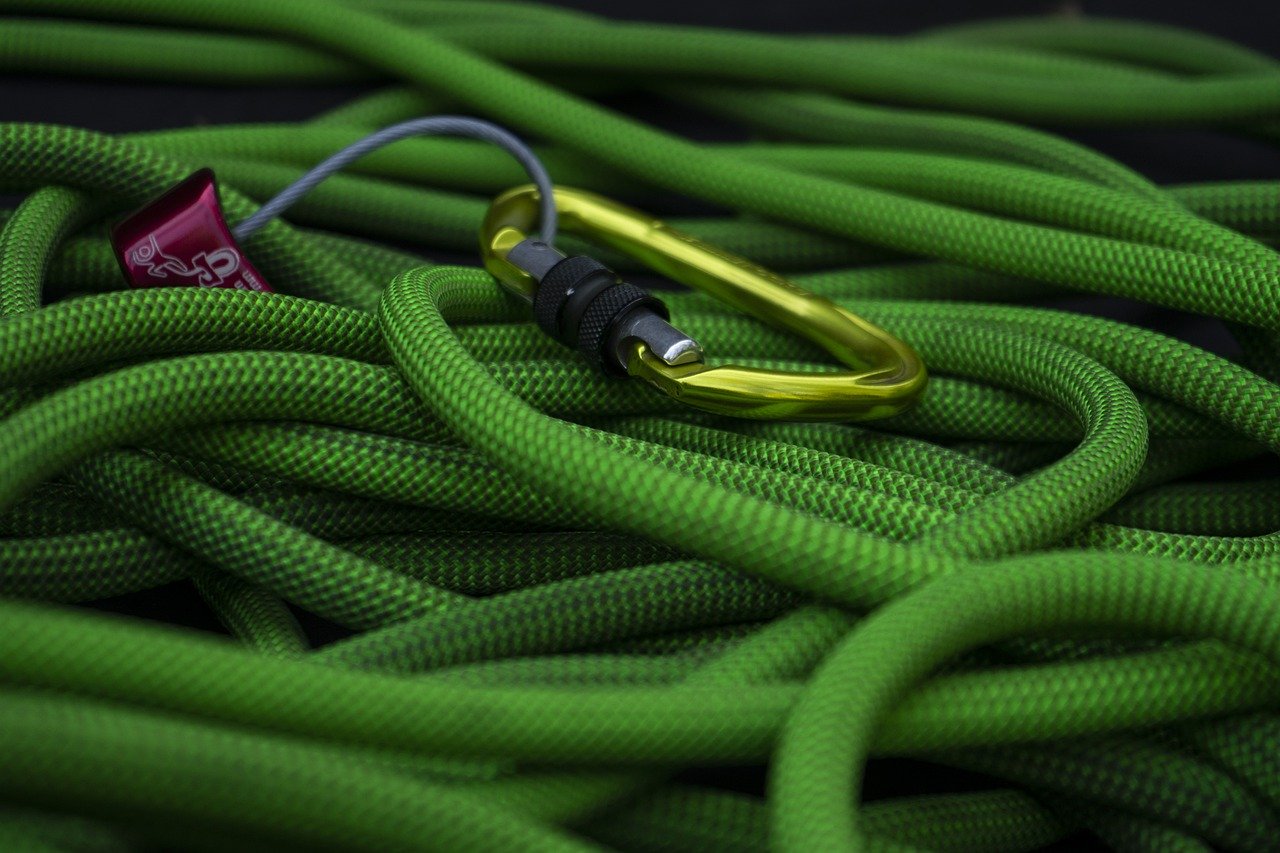
Climbing ropes come in two major types: dynamic and static. Dynamic ropes stretch, which is critical for absorbing the shock in the event of a fall. On the other hand, static ropes don’t stretch and are used primarily for rappelling, ascending, or hauling gear.
Choosing the right dynamic rope depends on your climbing discipline. For sport climbing, a thinner rope (8.5mm–9.4mm) might be ideal because of its light weight and flexibility. For trad climbing or alpine ascents, thicker ropes (10mm–11mm) are often preferred for their durability and higher impact force absorption.
Rope Length
The length of the rope matters, especially in multi-pitch routes. Longer ropes give climbers more flexibility in terms of belaying and rappelling. However, lighter ropes are easier to carry and manipulate on shorter routes or single-pitch climbs.
3. Harness: The Seat of Safety
Your harness is what keeps you secured to the rope, and it needs to balance safety, comfort, and functionality. In traditional climbing, your harness is the central point of attachment for the belay system, while in sport climbing, it’s what keeps you connected to the rope for falls and rappels.
Comfort and Fit
A well-fitted harness is critical for long climbs, as it must distribute weight evenly and prevent discomfort. Look for adjustable leg loops and waistbands for a customizable fit. Comfort is especially important for multi-pitch climbs, where you’re in the harness for hours at a time.
Gear Loops and Features
The number and design of gear loops can significantly impact your climbing experience. If you’re trad climbing, you’ll need a harness with multiple gear loops for quick access to cams, nuts, and slings. Features like a reinforced tie-in point and rear haul loop can add convenience and durability.
4. Belay Devices: The Unsung Heroes
Belay devices are often overlooked by beginners, yet they are essential for both safety and performance. A good belay device ensures a smooth belay experience, whether you’re leading or belaying from below.
Types of Belay Devices
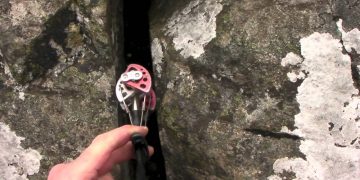
- Tube-style devices (like the Petzl ATC or Black Diamond ATC) are simple, lightweight, and reliable. They’re perfect for most climbing styles and work with a variety of rope diameters.
- Assisted-braking devices (like the Petzl GriGri or Mammut Smart) add an extra layer of safety by providing automatic braking in case the belayer loses control. These devices are especially helpful for beginners or in situations where you might have to belay with less attention.
Rope Diameter and Device Compatibility
Belay devices also vary depending on the rope diameter. Some devices are better suited for thicker ropes, while others excel at managing thinner ropes. It’s important to ensure your belay device is compatible with your rope’s size to maintain proper friction and control.
5. Protection Gear: Cams, Nuts, and Quickdraws
When trad climbing or alpine climbing, protection gear (pro) is vital for securing the rope to the rock. The right choice of protection gear can make a huge difference in terms of safety and efficiency.
Cams and Nuts
- Cams: These are mechanical devices that expand inside cracks to provide an anchor point. The right cam placement can provide solid protection and peace of mind on tricky sections of rock.
- Nuts: Smaller than cams, nuts are simple, wedge-shaped devices used to wedge into cracks. They require a bit more finesse to place effectively, but they are lightweight, durable, and extremely cost-effective.
Quickdraws
Quickdraws are simple but crucial tools that connect your rope to the protection gear. The length of your quickdraw is important because it affects rope drag. Shorter quickdraws are ideal for sport climbs, while longer ones are necessary for trad climbs where you need to manage rope movement.
6. Clothing: Dressing for Success
Climbing clothing is more than just a fashion statement. The right clothes ensure comfort and mobility, which are essential when you’re scaling a cliff face.
Layering for Temperature Regulation
Whether you’re climbing in the summer heat or on a cold alpine route, the right clothing layers make all the difference. Lightweight, moisture-wicking base layers help manage sweat, while breathable mid-layers keep warmth in without overheating. An insulated jacket or softshell can be crucial for alpine climbs, where temperatures can drop quickly.
Durability and Freedom of Movement
Climbing apparel should allow for a full range of motion. Look for pants and shirts with gussets or stretch fabrics that won’t restrict your movements. The fabric should also be durable, as climbing can be rough on your gear.
7. Other Gear Considerations: Chalk, Gloves, and Helmets
While shoes, ropes, and harnesses are the obvious essentials, there are a few other pieces of equipment that can make or break your climbing experience.
Chalk and Chalk Bags
Chalk helps reduce sweat and improve grip on holds. The right chalk bag—especially one that stays open and is easily accessible—makes re-chalking during your climb a quick and efficient process.
Gloves
For certain types of climbing, like trad or alpine, gloves are necessary for protecting your hands during rope handling or belaying. On multi-pitch climbs, gloves can also provide extra warmth and protection from the elements.
Helmets
Helmets protect against falling rocks or accidental falls. A lightweight, well-fitting helmet should be a non-negotiable part of your climbing kit, whether you’re sport climbing, trad climbing, or bouldering.
8. How Gear Can Break Your Climbing Experience
While gear can make a climb more enjoyable and safe, poorly chosen or ill-maintained equipment can do the opposite.
Safety Risks
Using the wrong gear for the type of climb or route you’re attempting can be hazardous. For example, using a static rope for a lead climb can create dangerous situations in case of a fall. Similarly, a harness that’s too loose or a rope that’s too old can compromise your safety.
Comfort and Fatigue
Uncomfortable gear can ruin your experience. A poorly fitting harness, shoes that pinch, or gloves that restrict movement will increase your fatigue and discomfort, reducing your ability to perform at your best.
Performance Limitations
Climbing gear that’s too heavy or cumbersome can slow you down. For example, a rope that’s too thick for the type of climb you’re doing can add unnecessary weight. Similarly, a harness that’s not adjustable or lacks the necessary features can hinder your efficiency.
9. Conclusion: Gear as the Ultimate Enabler
Ultimately, climbing gear can make or break your experience, depending on how well it suits your needs. The best gear enhances your safety, comfort, and performance, allowing you to fully enjoy your time on the rock. On the other hand, the wrong equipment—whether it’s poorly fitting shoes or a rope that’s too worn—can lead to frustration, discomfort, or even worse, danger.
To ensure that your climbing experiences are the best they can be, it’s essential to invest in the right gear, understand its features, and tailor your choices to the specific type of climbing you plan to do. Gear is not just an accessory to the adventure; it’s an integral part of it.