







Introduction
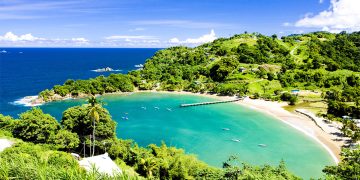
The Caribbean has long been a dream destination for travelers, with its crystal-clear waters, white sandy beaches, and vibrant culture. But with the rise of mass tourism, many of the region’s once-hidden islands have transformed into bustling resorts. However, the allure of the “undiscovered” island still captivates adventurers seeking peace, privacy, and authenticity. The question remains: Are there still hidden islands in the Caribbean that remain untouched by tourism?
This article explores the allure of these undiscovered islands, where unspoiled beauty and a slower pace of life offer a refreshing escape from the typical Caribbean experience. We’ll dive into the concept of ‘untouched’ islands, highlight a few lesser-known gems, and examine how tourism impacts these secluded paradises.
The Concept of “Untouched” Islands
Before diving into specific locations, it’s important to define what we mean by “untouched” in this context. While it’s impossible to claim that an island in the Caribbean is completely untouched by human influence, we can look at islands where tourism has not yet led to large-scale development. These islands tend to have smaller populations, limited infrastructure, and fewer commercial resorts. Their charm lies in their ability to offer a more authentic and pristine environment, often attracting eco-tourists, adventurers, and those simply in search of tranquility.
The challenge with finding such islands is that they are often small, isolated, and far from the typical tourist routes. While some may still be relatively unknown, others have already started to see a slow increase in visitation as travelers become more aware of their existence.
The Impact of Tourism on the Caribbean

The Caribbean’s appeal is no secret. According to the Caribbean Tourism Organization, the region sees millions of visitors every year. While tourism is the lifeblood of many Caribbean economies, it also brings significant challenges. As popular destinations like Jamaica, the Bahamas, and the Dominican Republic become overcrowded, the demand for new, exotic locales grows. This demand can lead to the destruction of delicate ecosystems, loss of local culture, and even the displacement of communities.
One of the most concerning issues is environmental degradation. Overdevelopment can result in habitat loss for native species, coral reef destruction, and pollution from waste generated by large tourist populations. Furthermore, mass tourism often leads to the commercialization of local culture, replacing authentic experiences with standardized offerings tailored to visitors’ desires.
In contrast, lesser-known islands—if managed sustainably—have the potential to maintain their natural beauty and cultural integrity, offering a more meaningful experience for travelers.
Lesser-Known Islands in the Caribbean: Hidden Gems
While there may be no truly untouched islands left, there are certainly places where tourism is minimal, and the crowds are sparse. Here are some hidden gems that still offer a taste of the Caribbean’s untapped beauty.
1. Isla de la Juventud, Cuba
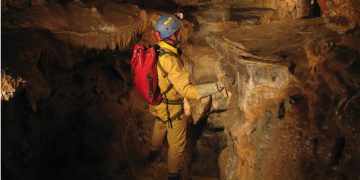
Located off the southern coast of Cuba, Isla de la Juventud (Isle of Youth) is one of the largest Cuban islands, but it remains largely untouched by the waves of mass tourism that have overtaken the mainland. Despite its proximity to Havana, Isla de la Juventud is a tranquil escape known for its pristine beaches, clear waters, and lush landscapes. Visitors can explore the island’s colonial architecture, hike through its hills, or discover its numerous caves.
The island’s remote location means it is often overlooked by tourists heading to Cuba’s more famous beaches. However, for those seeking a quieter, more authentic Cuban experience, Isla de la Juventud offers an inviting and serene atmosphere.
2. Saba Island, Netherlands Antilles
Saba Island, part of the Netherlands Antilles, is known as the “Unspoiled Queen” of the Caribbean. The island has no beaches, but its steep cliffs and rugged terrain create an awe-inspiring landscape. Saba is popular among nature enthusiasts and divers, who come for the chance to explore the island’s pristine coral reefs and abundant wildlife.
With a population of just under 2,000 people, Saba maintains a quaint, laid-back vibe that makes it feel worlds away from the bustling tourist hubs. The island’s commitment to sustainable tourism ensures that its natural beauty remains protected, and visitors can enjoy an authentic Caribbean experience.
3. The Tobago Cays, St. Vincent and the Grenadines
A series of small islands and cays off the coast of St. Vincent, the Tobago Cays are often described as one of the most beautiful and untouched places in the Caribbean. Accessible only by boat, the cays are part of a protected marine park that boasts turquoise waters, white sandy beaches, and vibrant coral reefs.
The lack of infrastructure on the islands means that tourism is limited, and most visitors come to enjoy the tranquility, snorkeling, or sailing. The Tobago Cays are a haven for sea turtles, making them a prime spot for wildlife lovers looking to explore the underwater world.
4. Anegada, British Virgin Islands
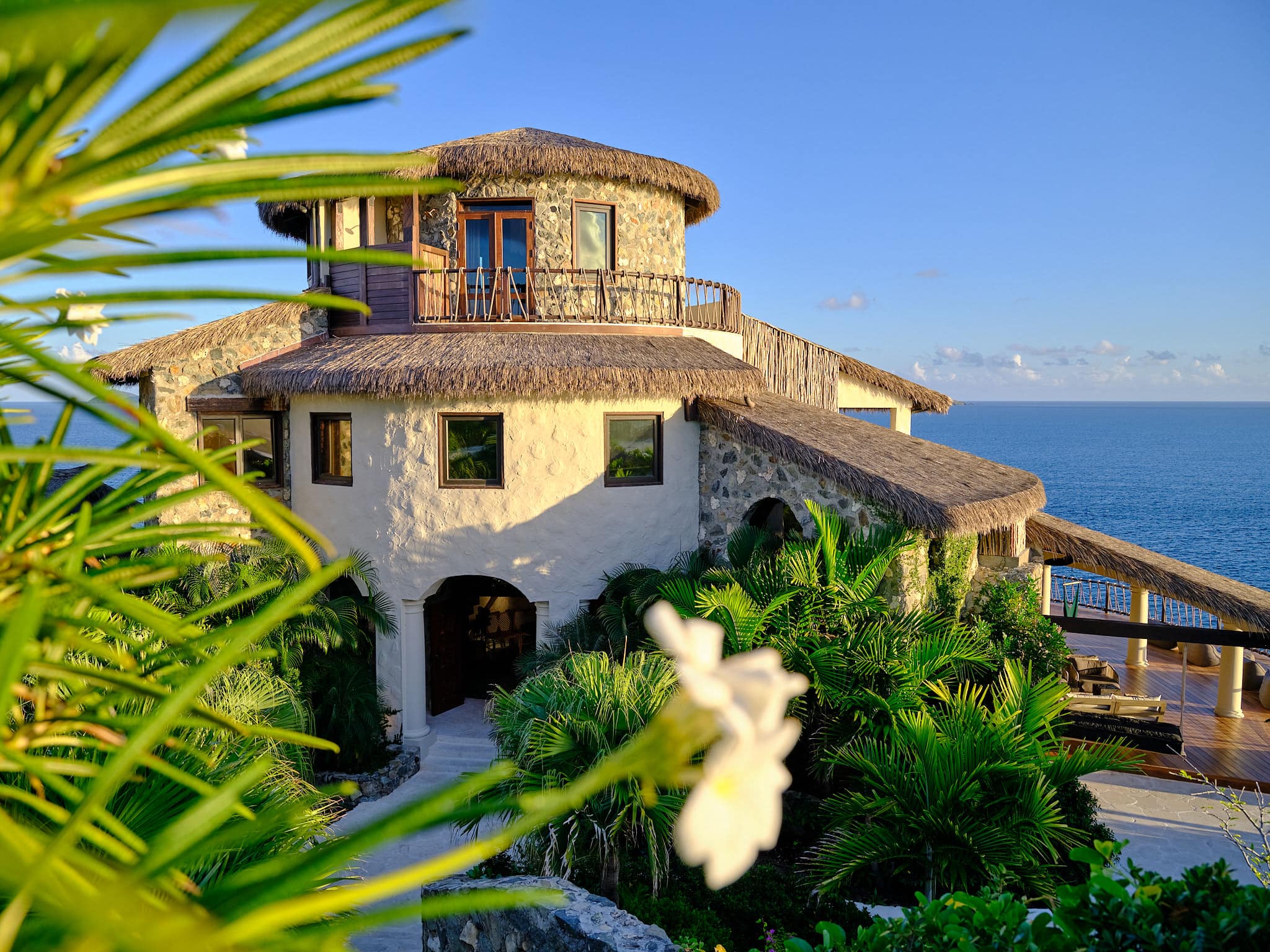
Unlike the lush, mountainous islands of the British Virgin Islands, Anegada is a flat island known for its stunning beaches and unique landscape. As one of the least developed islands in the BVI, Anegada offers a peaceful escape from the crowds found on other islands. Its crystal-clear waters are perfect for kite surfing, snorkeling, or simply relaxing on the beach.
Anegada’s low-key atmosphere makes it a popular destination for travelers who seek a quieter, less commercialized experience. The island also boasts one of the largest coral reefs in the Caribbean, making it an ideal spot for diving enthusiasts.
5. Dominica: The Nature Isle
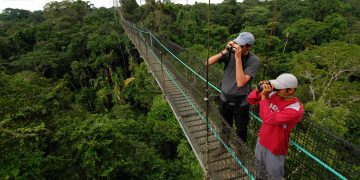
Dominica, often called “The Nature Isle,” is a small island in the Eastern Caribbean that remains largely off the beaten path. While other islands in the Caribbean have embraced mass tourism, Dominica has kept its focus on preserving its natural environment. With its rainforests, waterfalls, hot springs, and volcanic mountains, Dominica is a haven for eco-tourists and adventure seekers.
Though the island has seen growth in tourism in recent years, its emphasis on sustainable practices ensures that it doesn’t fall victim to overdevelopment. Dominica’s eco-tourism initiatives, including nature trails and certified eco-lodges, have allowed it to retain its natural allure while providing an authentic experience for visitors.
Challenges to Maintaining “Untouched” Status
While the Caribbean’s hidden islands are undeniably beautiful and alluring, maintaining their “untouched” status is a complex challenge. As the demand for unique, off-the-beaten-path destinations grows, so does the pressure on these fragile ecosystems and small communities.
Some of the primary challenges include:
- Climate Change: Rising sea levels, stronger hurricanes, and changes in marine ecosystems are affecting many islands. For example, coral reefs, which attract divers and snorkelers, are at risk from bleaching and storms. The impact of climate change threatens not just the environment but also the livelihoods of those who depend on tourism.
- Infrastructure Development: While some islands want to maintain their low-key charm, others may struggle with the need for better infrastructure, such as roads, healthcare, and clean water. Balancing tourism growth with the preservation of natural resources can be tricky, and rapid development may erode the very features that made the island attractive in the first place.
- Cultural Integrity: As tourism increases, so too does the risk of cultural commodification. In some instances, local customs and traditions are altered to cater to tourist expectations, leading to the loss of authenticity. This can result in a decline in the very thing that makes an island unique.
- Overtourism: The global rise of “Instagram tourism” means more people are searching for picturesque, untouched locales, often without fully understanding the environmental and social impacts of their visits. Overcrowding, litter, and the destruction of fragile habitats are real concerns for islands that were once hidden gems.
Sustainable Tourism: The Path Forward
The key to preserving these hidden Caribbean islands lies in sustainable tourism practices. Many of the islands mentioned in this article are already taking steps to balance tourism with environmental preservation and cultural authenticity.
- Eco-Tourism: Focus on activities that minimize environmental impact, such as hiking, bird watching, and kayaking. Encouraging responsible tourism, like “leave no trace” principles, helps ensure that these natural wonders remain unspoiled.
- Community-Based Tourism: Involving local communities in tourism management ensures that they benefit economically while also preserving their culture and heritage. By supporting small-scale, locally-owned businesses, tourists contribute directly to the well-being of the island’s inhabitants.
- Conservation Efforts: Protecting marine and terrestrial ecosystems through national parks, wildlife sanctuaries, and marine reserves helps safeguard the biodiversity that attracts visitors. Engaging in conservation efforts also mitigates the impact of tourism on delicate environments.
Conclusion
While the days of completely untouched islands in the Caribbean may be numbered, there are still hidden gems where the allure of nature, culture, and tranquility remains intact. The Caribbean offers countless opportunities for responsible, sustainable travel, and with the right care and attention, these islands can continue to offer an escape from mass tourism.
The future of these islands depends on how we choose to travel. By embracing eco-tourism, respecting local cultures, and supporting conservation efforts, we can help preserve these pristine locations for future generations of adventurers.