











Gear, Gadgets, and Their Battle with Time
In the world of modern technology and outdoor adventures, we rely on gear—everything from smartphones to camping equipment, from fitness trackers to survival tools. But the ultimate question we all face is this: Will your gear survive the ultimate test of time?
From reliability to durability, our gear is meant to withstand not just the daily grind but also the unforgiving conditions of nature, technology obsolescence, and our unpredictable lifestyles. In this article, we will explore how gear endures, what makes it stand the test of time, and how you can ensure that your investments in equipment and gadgets pay off long-term.
1. The Age of Disposable Gear
In today’s fast-paced world, there’s a general culture of “use and discard” that seems to rule our gear choices. While technology advances at breakneck speed, most gear is built to perform for a short time before being replaced. Gadgets like smartphones, laptops, and tablets fall into this category. The once-sturdy, timeless tools of the past—such as mechanical watches and manual tools—are being replaced by items that are often fragile and ephemeral.
So, what has happened? Why is it that we are quick to buy the latest model only to let the old one gather dust or worse—tossed aside in a landfill? The truth is, most modern consumer goods are designed with built-in obsolescence. Planned obsolescence is a manufacturing practice where products are designed to wear out or become outdated after a set period, thus driving continuous consumption. As a result, while these gadgets and tools may feel cutting-edge at first, their longevity is often sacrificed for newer versions or simply to make room for the next best thing.
But some gear bucks this trend. In a world of disposable technology, certain pieces of equipment have managed to endure.
2. The Hallmarks of Timeless Gear
What makes gear stand the test of time? Beyond the whims of fashion or technology, certain characteristics ensure longevity and durability. Let’s break these down:

Durability: Built to Last
The fundamental factor for any gear to survive the test of time is durability. Think about your favorite outdoor jacket, your go-to backpack, or your trusted tool. These items are designed with rugged materials that can withstand the elements. The higher the quality of the materials—whether it’s military-grade nylon, stainless steel, or carbon fiber—the longer it will last. Gear that is built to endure tough conditions will outlast trends.
Consider high-quality knives from companies like Benchmade or Spyderco. These brands use stainless steel blades with precision engineering, ensuring their knives can take a beating without losing their edge. Likewise, backpacks made from high-denier ripstop nylon resist tearing, while waterproof coatings keep moisture at bay. These little details are what make the difference between a “disposable” piece of gear and a classic one that will survive decades of use.
Functionality: More Than Just Looks
Gear isn’t just about how it looks—its functionality is what ultimately makes it useful over time. A stylish gadget with tons of features might be appealing in the short term, but if it doesn’t serve its intended purpose reliably, it will lose its value quickly.
Take the example of a well-made camping stove. It may not be the flashiest item in your outdoor kit, but its ability to boil water in harsh conditions, perform reliably, and be easy to maintain means it will last far longer than some high-tech alternatives.
This is where simplicity often triumphs. Classic designs, honed over years of use and feedback, are often the most reliable. Whether it’s the Swiss Army Knife, the Leatherman multitool, or the timeless Luminox watch—these items are as functional as they are enduring.
Innovation and Adaptability
While classic designs are key to longevity, the ability of gear to evolve with time is another crucial factor. Old tools that don’t adapt to new technologies, environmental needs, or new methodologies risk being left behind.
Take, for example, the evolution of the GPS device. Early models were bulky and inefficient, while modern-day devices integrate with smartphones, apps, and maps, ensuring a much more seamless experience for users. Though the concept of a GPS remains unchanged, the way it functions has improved significantly, extending its usefulness and relevance in the digital age.
Similarly, the growth of the outdoor gear market has led to the rise of multi-purpose gear. Multi-tools, such as the Gerber Center-Drive and the Leatherman Surge, combine the utility of dozens of tools into one compact design—offering both modern convenience and old-school durability.
Maintenance: The Secret to Longevity
Maintenance is often overlooked when considering the lifespan of gear. Regardless of how durable and well-made a product is, neglect can rapidly shorten its life. Whether it’s oiling the joints of a folding knife, conditioning the leather of your boots, or upgrading the firmware of your tech gear, proper care ensures your tools perform better for longer.
3. Outdoor Gear and Its Battle with Time
When you think about gear designed for the toughest environments—be it hiking, climbing, or camping—there’s a deep-rooted tradition of craftsmanship that still defines many high-end products.
The Outdoorsman’s Arsenal
From tents to sleeping bags, hiking boots to rain jackets, outdoor gear has to perform in harsh conditions. Some products are tested by adventure enthusiasts in extreme conditions, ensuring they can withstand the test of time, no matter what Mother Nature throws at them.
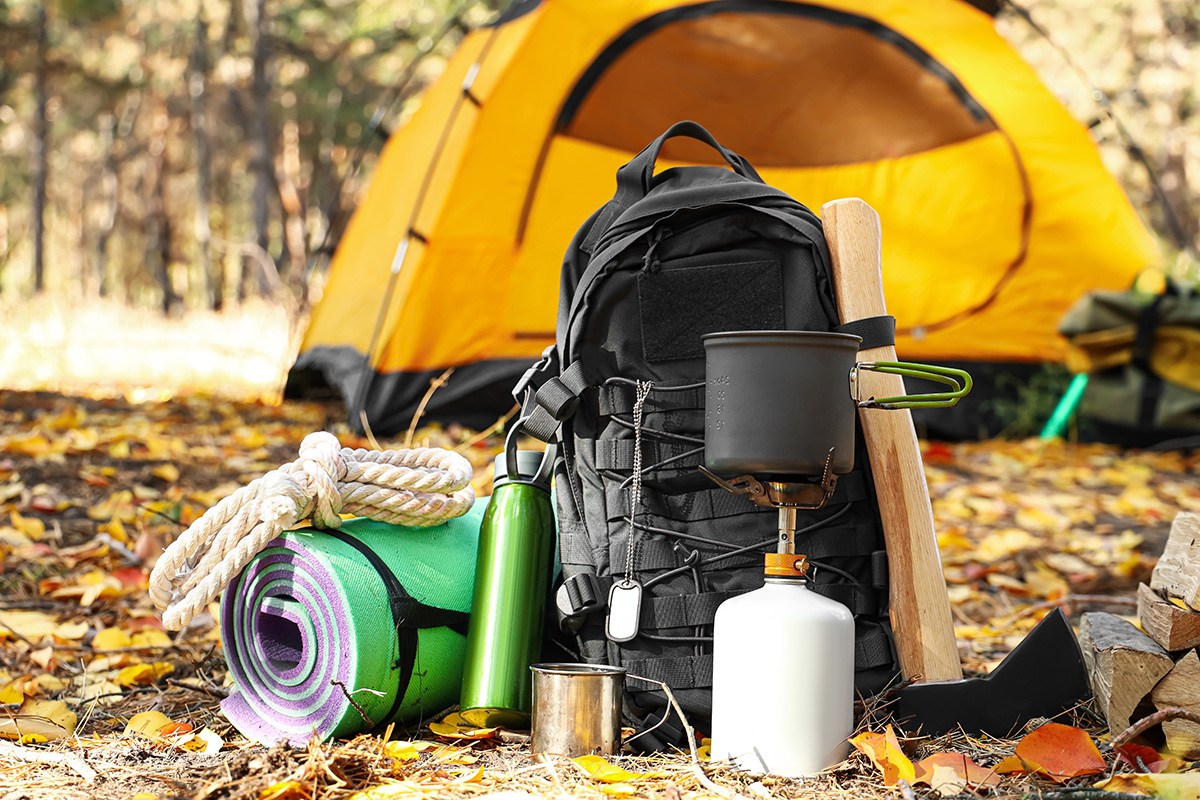
Brands like Patagonia, Arc’teryx, and The North Face have cultivated reputations for high-quality gear that’s made to last. But even within this elite market, there are those products that truly stand the test of time. The Therm-a-Rest sleeping pad, for example, may have undergone several iterations, but its original design and functionality have remained remarkably consistent. With a simple yet effective air mattress system, it has been a staple of backpackers for over 40 years.
Another example? The Vasque hiking boots, a brand famous for its ability to marry comfort and rugged durability. The boots are designed for serious outdoor enthusiasts, offering durability that can handle rocky terrain, creek crossings, and miles upon miles of trail. With proper care, these boots can last for a decade, or longer.
4. Tech Gear: A Different Breed
Unlike traditional outdoor equipment, tech gear is more often subject to the whims of technology—new features, faster processors, and constant upgrades. But, that doesn’t mean tech gear cannot last. The key is balance—finding a product that offers longevity in both software and hardware.
Longevity in Electronics
One of the most reliable tech devices over the years has been the Apple Watch. Although it receives software updates for many years, its hardware has been durable enough to withstand daily wear and tear. Similarly, high-end gadgets like the GoPro Hero series have been evolving in functionality, but the core ruggedness has remained constant, making them essential tools for adventure seekers and filmmakers alike.
Furthermore, tech gear like solar chargers and portable power banks have continued to evolve, often focusing on increased efficiency and durability. Devices like these can last for years—provided they’re properly cared for and maintained.
5. Is Your Gear Ready for the Ultimate Test?
So, how do you ensure your gear stands the test of time?
- Choose Quality over Quantity: Focus on fewer, higher-quality items that are more likely to serve you long-term.
- Maintain Regularly: Don’t wait until a problem arises. Regular maintenance ensures your gear will last longer.
- Invest in Versatility: Multi-functional tools and gear that can serve different purposes will stay relevant longer.
- Research Before You Buy: Know your gear’s longevity before purchasing. Does it have a history of lasting through rough conditions?
- Adapt to New Technologies: Don’t be afraid of innovation, but ensure your gear can adapt to new technological advancements while maintaining its original function.
6. Conclusion: The Ultimate Test
Whether it’s a hiking boot designed to endure rough terrain or a tech gadget that promises to revolutionize your life, the gear we rely on faces a constant battle with time. The key to surviving this battle is ensuring that your gear is designed with quality, functionality, and adaptability in mind.
In the end, time will always challenge our favorite pieces of gear, but with the right choices and care, your tools will continue to perform when you need them the most.