













Stories are the threads that weave the tapestry of human experience. Across centuries, civilizations, and cultures, certain tales endure, echoing through the ages while others fade into obscurity. From Homer’s Odyssey to contemporary cinematic masterpieces, the hallmark of timeless storytelling lies not merely in plot mechanics but in the subtle alchemy of universal resonance, emotional depth, and structural elegance. But what precisely makes a story truly timeless? This article dives deep into the anatomy of enduring narratives, exploring why some stories defy eras and trends while others vanish from collective memory.
The Universal Core: Themes That Transcend Time
At the heart of every timeless story is a universal theme. These are ideas so deeply ingrained in human consciousness that they resonate across borders and centuries: love, loss, ambition, courage, betrayal, hope, and the quest for identity. Consider Shakespeare’s Romeo and Juliet, a tale of love doomed by circumstance. Though penned over four centuries ago, its central themes—young love, familial conflict, and the impulsiveness of passion—remain strikingly relevant today.
Similarly, George Orwell’s 1984 endures because it speaks to perennial anxieties about power, surveillance, and freedom. Its dystopian vision may have been a product of post-war Europe, yet the philosophical and ethical dilemmas it explores resonate with every generation navigating the tension between authority and autonomy.
The key here is emotional universality. A story that taps into core human experiences—fear, joy, grief, longing—has the potential to remain relevant indefinitely. The more readers can see themselves reflected in the narrative, the more enduring it becomes.
Characters Who Live Beyond the Page
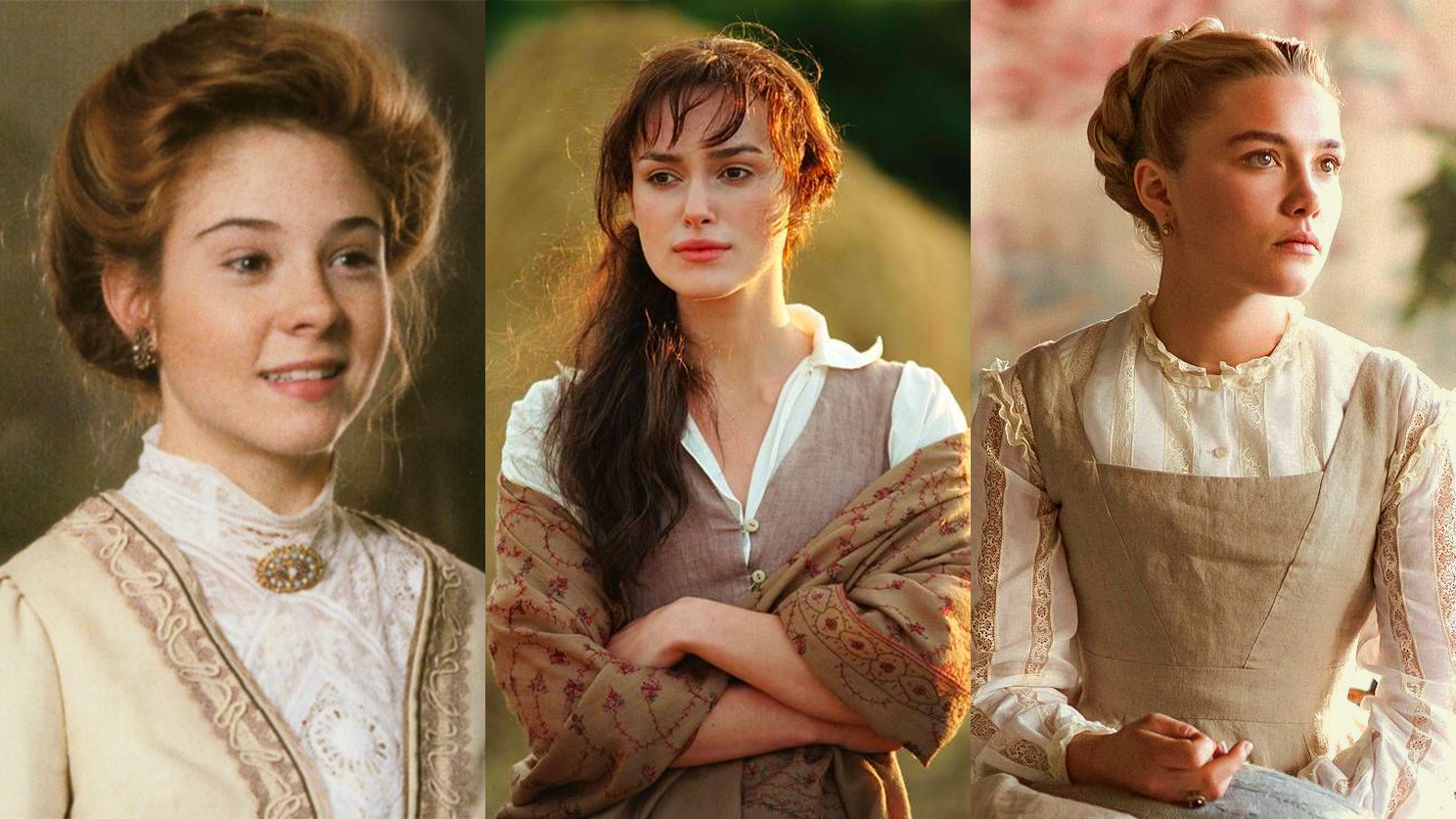
A story is only as alive as its characters. Timeless stories are populated with individuals who feel palpably real—characters whose flaws, desires, and triumphs echo our own. Think of Atticus Finch in To Kill a Mockingbird, whose unwavering moral compass continues to inspire readers decades after his creation. Or Elizabeth Bennet in Pride and Prejudice, whose wit, intelligence, and independence remain compelling long after the Regency era has passed.
The secret of unforgettable characters lies in their complexity and relatability. Flat, archetypal figures may serve a story, but they rarely linger in the mind. Timeless characters, by contrast, possess contradictions and growth arcs that mirror the human condition. Their decisions challenge us, frustrate us, and ultimately teach us something about ourselves.
Moreover, their universality often allows them to transcend the specifics of their setting. A samurai struggling with honor, a Victorian governess confronting societal norms, or a futuristic rebel battling tyranny—all can resonate because their core struggles are fundamentally human.
Narrative Structure: The Invisible Skeleton
A story may contain the most profound themes and the most vibrant characters, but without structural finesse, it risks collapse. Timeless narratives often follow patterns that, consciously or unconsciously, align with how humans process stories.
The Hero’s Journey, identified by Joseph Campbell, is one of the most enduring frameworks. From ancient myths to blockbuster films, it outlines a universal trajectory: departure, initiation, and return. Audiences are drawn to this rhythm because it mirrors personal growth and transformation.
However, timeless stories are not rigid. They often innovate within familiar structures, blending predictability with surprise. Shakespeare’s plays, for example, manipulate classical structures of tragedy and comedy in ways that delight audiences centuries later. Similarly, Gabriel García Márquez’s One Hundred Years of Solitude subverts linear chronology yet retains a cohesive narrative thread through its multigenerational saga.
Pacing and tension also matter. A story that drags or overwhelms can disengage readers, while a narrative that skillfully balances revelation and suspense keeps audiences hooked, allowing the thematic and emotional resonance to flourish.
The Power of Language and Style
While plot and character provide the scaffolding of a story, language is its lifeblood. The diction, rhythm, and tone of a narrative can elevate it from mere storytelling to art. Consider Hemingway’s terse, understated prose, which conveys profound emotion through simplicity, versus the rich, ornate imagery of Tolkien, which creates entire worlds that linger in readers’ imaginations.
Timeless writing often achieves a delicate balance: it is specific enough to be vivid, yet flexible enough to allow readers to project their own experiences onto it. Metaphor, symbolism, and subtle repetition enhance memorability, while dialogue and narrative voice deepen immersion.
Importantly, style should serve substance. A story’s language endures not merely because it is beautiful but because it amplifies the themes and emotions at the narrative core. Shakespeare’s eloquence persists because it crystallizes universal human dilemmas in language that is both musical and precise.
Cultural and Historical Resonance
Even stories that feel universal are shaped by the contexts in which they emerge. Timeless stories often capture the spirit of their era while simultaneously transcending it. Les Misérables is both a vivid portrayal of 19th-century France and a meditation on justice, redemption, and social inequality. Its historical specificity grounds it in reality, while its ethical questions speak to any society wrestling with inequality.
Similarly, stories like The Epic of Gilgamesh endure because they crystallize the anxieties, beliefs, and hopes of their culture in forms that are instantly recognizable across millennia. By reflecting the human condition within a particular social and historical frame, stories become not only entertainment but also mirrors of our collective psyche.
Emotional Resonance: The Invisible Magnet
A story’s longevity depends largely on its emotional resonance. While intellectual themes and structural brilliance are essential, readers remember what they feel. This is why some books, films, or plays achieve almost mythic status: they evoke a spectrum of emotions so compelling that the experience lingers long after the final page or scene.
Joy, sorrow, fear, hope, love, anger—timeless stories orchestrate these emotions with precision. The reader or viewer becomes an emotional participant, experiencing catharsis, empathy, and exhilaration. In essence, the emotional journey is what transforms a simple narrative into a shared human experience.
Moral Complexity and Ethical Questions
Stories that endure often challenge audiences to think critically about morality and human behavior. They resist offering simplistic solutions, instead presenting dilemmas that provoke reflection. Consider Dostoevsky’s Crime and Punishment, which explores guilt, justice, and redemption in ways that remain unsettling and enlightening centuries after its publication.
Timeless narratives invite readers to grapple with ethical ambiguity, confront their biases, and interrogate societal norms. In doing so, they remain relevant, as each generation revisits the text through the prism of contemporary values and struggles.
Imagination and World-Building
Another hallmark of timeless storytelling is the ability to transport audiences into fully realized worlds. Whether through the sprawling landscapes of The Lord of the Rings or the intricately crafted societies of Dune, stories that ignite the imagination endure because they offer spaces to dream, question, and explore.

World-building works best when it is anchored by internal consistency. Readers accept fantastical or futuristic elements as long as the world obeys its own rules. Timeless worlds are immersive not because they are infinitely detailed but because they are coherent, emotionally resonant, and conceptually rich.
Innovation Within Familiarity
Paradoxically, timeless stories often balance innovation with familiarity. They introduce fresh perspectives, plot twists, or stylistic approaches while tapping into archetypal patterns that audiences instinctively recognize. This tension between expectation and novelty creates the spark that makes stories memorable.
For instance, Harry Potter blends the classic hero’s journey with a magical school setting, producing something entirely new yet comfortably familiar. Similarly, Toni Morrison’s Beloved combines historical narrative with magical realism, challenging conventional storytelling while maintaining emotional clarity.
The Role of Adaptation and Reinterpretation
No story exists in isolation. Timeless tales are continually rediscovered, adapted, and reinterpreted. The Odyssey has inspired films, novels, and even video games; Romeo and Juliet has been retold countless times across cultures and mediums. Adaptation keeps a story alive, proving its relevance to new audiences while inviting reinterpretation and dialogue.
This adaptability is often a sign of conceptual depth. Stories that can thrive in multiple formats and cultural contexts demonstrate the universality of their themes and the robustness of their characters.
Enduring Lessons About Humanity
Ultimately, a story becomes timeless when it speaks to enduring truths about humanity. It captures not only what humans feel but why we feel it. Timeless narratives reveal patterns in our behavior, the consequences of our choices, and the beauty of our resilience.
These stories endure not because they are perfect or complete, but because they engage us in an ongoing conversation about life, meaning, and morality. They are touchstones for reflection, empathy, and imagination, bridging generations and cultures with insights that remain fresh and vital.
Conclusion: The Alchemy of Timelessness
So, what makes a story truly timeless? It is a complex alchemy of universal themes, compelling characters, masterful structure, evocative language, emotional resonance, ethical depth, imaginative world-building, and adaptability. Timeless stories engage the mind, touch the heart, and inspire the spirit, creating experiences that transcend the bounds of time, culture, and medium.
They are not merely stories—they are vessels of human experience, reflecting who we are, what we fear, what we hope for, and what we love. In reading them, watching them, or retelling them, we participate in a grand continuum, a dialogue across centuries that affirms the enduring power of narrative itself.
A story becomes timeless not because it avoids the fleeting trends of its age, but because it captures the eternal pulse of humanity.