













In a world dominated by real-life events, societal expectations, and the sheer complexity of human relationships, it’s intriguing to note that many people find themselves more emotionally invested in fictional characters than in the individuals who walk beside them in the real world. Whether it’s a hero from a blockbuster movie, an anti-hero from a novel, or an animated persona, these characters often seem to occupy a significant part of our emotional landscape.
The question arises: Why do we relate more to these fictional entities than to real, flesh-and-blood people? The answer lies in a fascinating combination of psychology, narrative structure, empathy, and emotional resonance. Let’s explore why fiction, with its carefully crafted worlds and characters, has a profound impact on our psyche.
The Power of Controlled Narratives
One of the most prominent reasons we connect deeply with fictional characters is the controlled nature of the narratives in which they exist. Fiction offers a world where every detail is intentional, every event leads somewhere, and every character is designed to evoke specific emotions in the audience. Unlike real life, where chaos, randomness, and unpredictability reign, fiction provides a structured environment in which we know, at least subconsciously, that everything that happens serves a purpose.
In real life, human relationships can often feel incomplete or unsatisfying because of the many layers of ambiguity. People don’t always say what they mean, and events can unfold in ways that leave us confused or hurt. Fiction, on the other hand, allows us to experience emotions and growth in a controlled, often more satisfying manner. Every narrative beat in a story is designed to guide us toward empathy with the characters, helping us understand their desires, struggles, and triumphs.
Example: The Hero’s Journey
The Hero’s Journey is one of the most enduring narrative structures in fiction. Whether in ancient myths or modern blockbusters like Star Wars, the structure of a protagonist’s rise from humble beginnings, to confrontation, and eventual transformation is not only thrilling to watch but emotionally relatable. We see our own struggles mirrored in the character’s arc, and as they overcome obstacles, we feel a sense of catharsis and accomplishment. Real life, with its ambiguous outcomes and endless variables, rarely provides such clarity.
Emotional Clarity and Depth
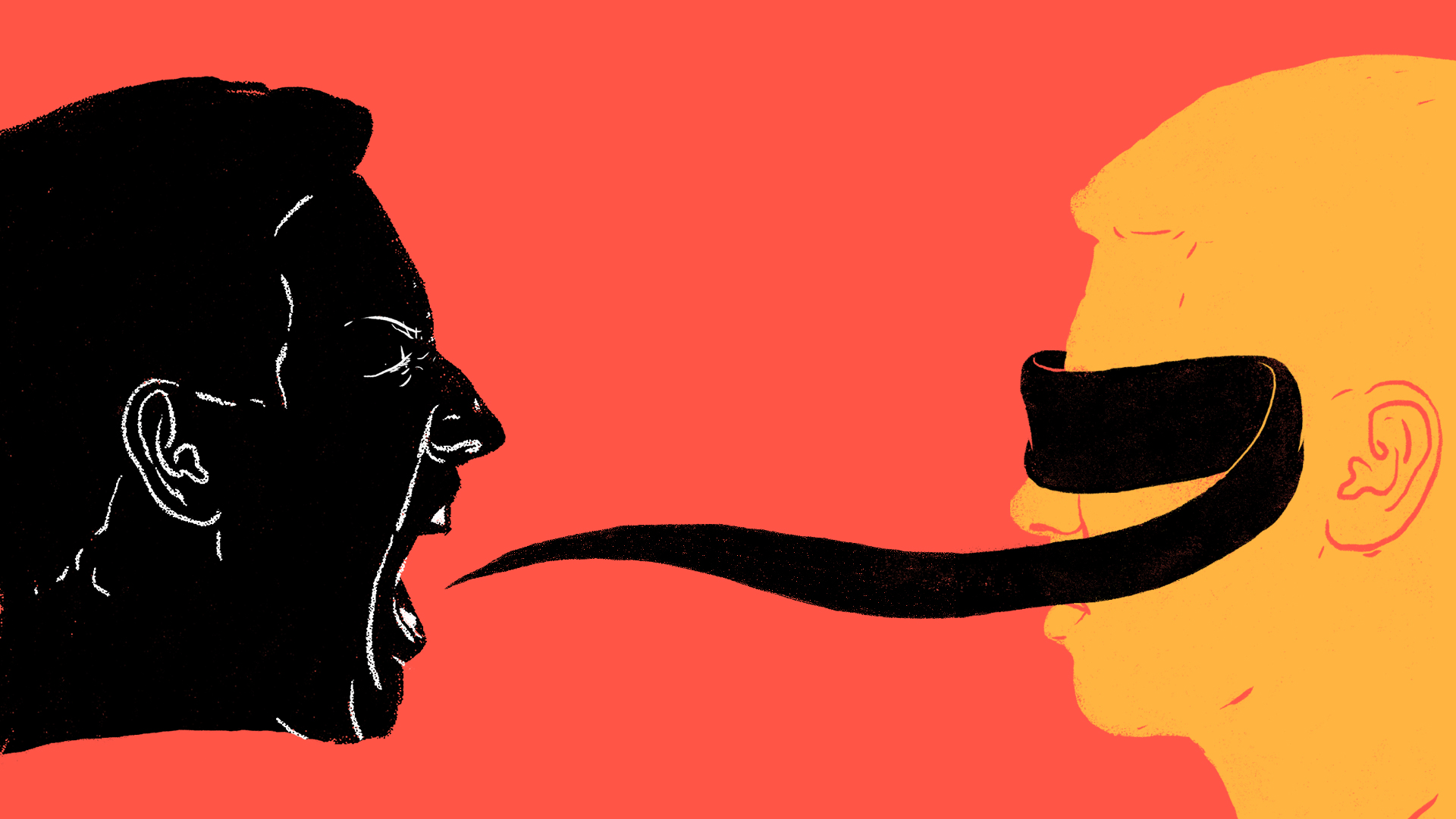
Fictional characters, especially those in well-crafted stories, undergo significant emotional development. These characters are often designed to be multi-dimensional, displaying both virtues and flaws that make them more relatable. In contrast to the complex and sometimes opaque nature of real-world relationships, fictional narratives provide emotional clarity that is easier for the audience to process.
When we watch a character grow, face conflict, or wrestle with their inner demons, it’s as if we are living through those experiences with them. This shared emotional journey allows us to engage more deeply than we might with real people who may not open up in the same way. In real-life relationships, emotional communication can be hindered by miscommunication, unspoken thoughts, or social norms. In fiction, the characters are often more straightforward in expressing their emotions and motivations, which helps us connect more intimately with them.
Example: The Complexity of Villains
Fictional villains often offer the most compelling emotional narratives. The best villains are not merely evil for the sake of it; they have complex motives, tragic backstories, and emotional depth. Characters like Darth Vader from Star Wars or The Joker from The Dark Knight are tragic figures whose flaws and inner conflicts make them incredibly relatable. Their stories make us confront uncomfortable truths about ourselves—our capacity for darkness, our moral dilemmas, or our own emotional struggles. The real world lacks this level of emotional focus, where people are often hard to read and harder to understand.
The Role of Idealization
Fiction allows for the idealization of characters, something that is often absent in the messy reality of human relationships. In fictional worlds, characters can embody virtues like bravery, loyalty, wisdom, or compassion in ways that seem rare in real life. We gravitate toward these idealized traits because they provide us with a model of who we could aspire to be.
Even flawed characters, while not necessarily perfect, often demonstrate a level of growth that gives us hope. This “idealization” also extends to how we view their relationships. In stories, relationships are often idealized and offer models for emotional connection, loyalty, and love. Unlike real-life relationships, which are sometimes fraught with conflict or disappointment, fictional relationships often represent an aspiration for connection that we yearn for.
Example: The Perfect Relationship
Think about Ross and Rachel from Friends, or Elizabeth Bennet and Mr. Darcy from Pride and Prejudice. These relationships, while filled with drama and conflict, offer a vision of what love and companionship can look like. We see the characters’ struggles, but we also see their growth and eventual happiness. In the real world, relationships are often more complicated and harder to idealize. Fiction gives us a space to imagine what love and connection could be like at their best.
Fiction as a Mirror of Our Own Lives
Fiction often serves as a mirror, reflecting back to us our own emotional experiences and struggles. We may not directly relate to a character’s specific circumstances, but the emotions they experience—grief, joy, love, betrayal—are universal. This is one reason why certain fictional characters become so beloved: they represent aspects of ourselves that we either aspire to embody or wish to understand better.
When we encounter a character undergoing struggles that mirror our own, it helps us process our own emotions and gain insight into our personal lives. This mirror effect allows us to empathize with a character’s journey in ways that are difficult with real people, whose experiences may differ vastly from our own, and whose emotional landscapes may be harder to navigate due to societal constraints.
Example: Harry Potter and the Relatable Hero
The Harry Potter series offers a great example of how fictional characters serve as mirrors of our lives. Harry is not a perfect character—he makes mistakes, experiences loneliness, and has to navigate complex relationships. For many readers, Harry’s struggles with friendship, identity, and belonging are deeply relatable. As he faces challenges, readers often feel that they, too, are growing and overcoming obstacles alongside him. This sense of shared experience builds an emotional connection that transcends the fictional world.
Fiction and the Exploration of Identity
Fiction provides an opportunity for us to explore different aspects of our identity in a safe and controlled environment. Through characters, we can experience lives that are vastly different from our own, allowing us to expand our understanding of the world and our place in it. These characters are not limited by the constraints of real life, which allows them to explore extreme versions of ideas, personalities, and struggles that we may never encounter directly.
Whether it’s a superhero grappling with the burden of responsibility or a character navigating a coming-of-age journey, fiction allows us to explore different identities, roles, and experiences. The characters in these stories act as avatars for our own psychological exploration. By stepping into their shoes, we get to understand ourselves better, from our deepest fears to our loftiest aspirations.
Example: The Superhero’s Burden
Superheroes like Spider-Man, Wonder Woman, or Black Panther are often portrayed as grappling with a dual identity: the regular person versus the hero. This internal conflict resonates with anyone who feels torn between different aspects of their own identity, whether that’s balancing career and family, personal desires and societal expectations, or idealism and pragmatism. These characters provide a blueprint for understanding the tensions within ourselves, allowing us to relate in ways that might be harder to do with real people.
The Cathartic Experience of Fiction
Another reason why we connect with fictional characters is that fiction provides a cathartic release for our emotions. In real life, we often find it difficult to express our true feelings—whether it’s sadness, anger, or even joy. Fictional stories, however, give us an outlet. The highs and lows of a character’s journey allow us to process emotions we might otherwise keep buried. When we see a character overcome a struggle, we feel a sense of release, as if we too have been liberated from our emotional burdens.
Example: Emotional Release in Cinema
The final scene in The Pursuit of Happyness is a perfect example of how fiction provides catharsis. As Chris Gardner (played by Will Smith) triumphs over adversity, the audience feels a deep emotional release—one that may have been triggered by personal struggles or the hope of overcoming life’s obstacles. This cathartic experience connects us to the character in a profound way.
Conclusion: Fictional Characters as Emotional Anchors
Ultimately, we relate more to fictional characters than to real people because fiction offers clarity, emotional depth, idealization, and the freedom to explore identities in a controlled environment. Fictional worlds provide us with the emotional closure and emotional resonance that real life sometimes lacks. Through well-crafted stories and characters, we are able to confront our own emotions, reflect on our lives, and even aspire to be better versions of ourselves.
In a world where real relationships can be fraught with complexity, fiction offers an oasis—a place where emotions are explored, growth is achieved, and idealized worlds offer hope and possibility.