

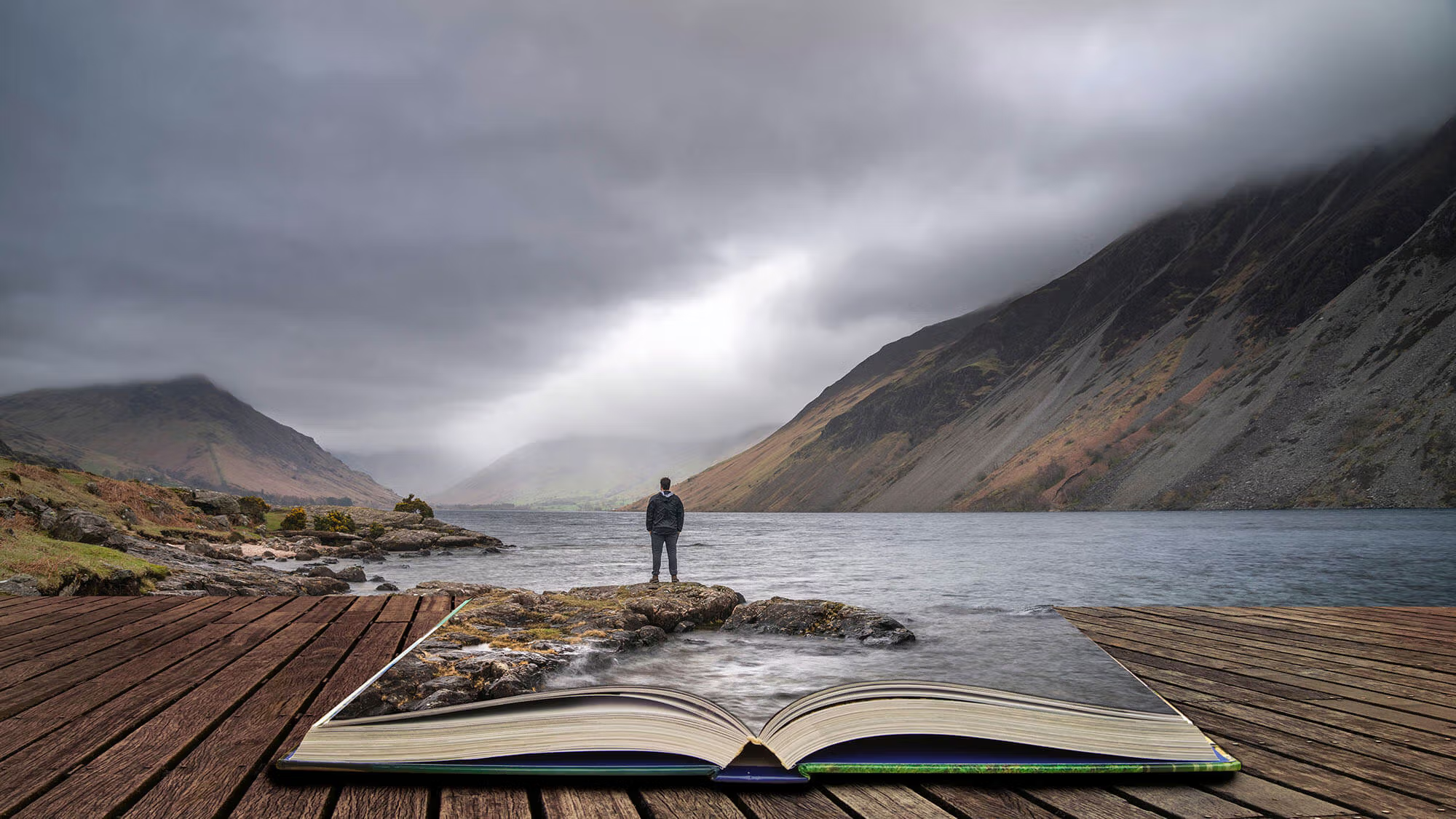










When it comes to outdoor recreation, few things rival the thrill of hiking along a rugged trail. Whether you’re ascending towering peaks or trekking through lush forests, trail conditions play a crucial role in your experience. These conditions are dynamic, shifting constantly as seasons change. From the blooming of wildflowers in spring to the freezing chills of winter, seasonal changes can dramatically affect the usability, safety, and enjoyment of a trail.
In this article, we will explore how different seasons impact trail conditions, what challenges they present, and how hikers can adjust their gear and plans accordingly. Additionally, we will discuss how to navigate seasonal changes and make the most of every hike, no matter the time of year.
Spring: A Season of Renewal and Challenges
As winter fades and spring emerges, trails come alive with vibrant colors and new life. Temperatures rise, snow begins to melt, and wildflowers start to bloom. However, the transition from winter to spring also brings its own set of challenges for hikers.
Muddy Trails and Unstable Terrain
Springtime can be notoriously muddy, especially in regions that experience heavy snowfall. As the snow melts, the ground may still be saturated, turning once-solid trails into quagmires. Hikers may find themselves slipping, bogging down in thick mud, or even encountering sections of trail that are impassable due to flooding or landslides.
To navigate muddy trails, hikers should wear waterproof boots with excellent traction. It’s also important to stay on designated paths to avoid damaging fragile ecosystems. If the trail is especially wet, hikers might consider delaying their trip until conditions improve, as some trails may be closed to prevent erosion.
Flowing Streams and River Crossings
The melting snow often results in swollen streams and rivers, which can pose a hazard for hikers. Water levels may be much higher than during the drier months, making stream crossings more dangerous. Hikers should always assess the strength of the current before attempting to cross, and consider using poles for balance.
Thriving Flora and Fauna
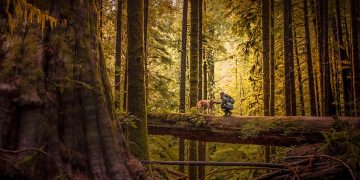
Spring is also a time of awakening for wildlife. While hiking, you might encounter animals such as bears emerging from hibernation, or young animals making their first forays into the wild. It’s essential to remain alert and respectful of wildlife during this season. Additionally, spring is prime time for ticks, so be sure to wear protective clothing and use insect repellent.

Summer: Peak Season with Heat and Crowds
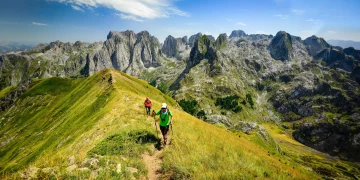
Summer is the most popular time for hiking, and for good reason. The weather is warm, the days are long, and the trails are typically dry. However, despite the ideal conditions for outdoor adventures, summer brings its own set of challenges.
Dry Trails and Dust
While the drier conditions make hiking easier, they can also present some challenges. On well-trafficked trails, the soil can become loose and dusty. Dry trails may expose more rock, creating uneven footing, and trails in arid areas can be prone to erosion. Dust can obscure visibility and irritate your lungs, so wearing a scarf or neck gaiter may help filter the air.
Intense Heat and Hydration
Hiking during summer can be grueling, especially in regions that experience intense heat. Dehydration is a major concern, particularly for longer hikes at high altitudes where the air is dry. Hikers must take precautions to stay hydrated by drinking plenty of water, carrying electrolyte tablets, and wearing hats to protect themselves from the sun.
Crowded Trails
As the temperature rises, more and more people flock to popular hiking destinations. Many national parks and high-traffic trails can become overcrowded during the summer months. For those who prefer solitude, it’s important to plan ahead. Opting for less-known trails or visiting during off-peak times, such as early mornings or weekdays, can provide a quieter hiking experience.
Increased Risk of Wildfires
In some regions, summer also brings the threat of wildfires. Hot, dry conditions combined with lightning strikes or human activity can quickly spark a fire. Before heading out, check fire warnings and trail closures. It’s essential to practice fire safety while hiking and to avoid starting any fires in the wilderness.
Fall: A Beautiful Yet Unpredictable Time
Fall is a transitional season that offers hikers a mix of the best of summer and early winter. The air cools, and the landscape explodes in shades of orange, yellow, and red. However, fall also brings unpredictability, especially as weather systems begin to shift.
Cooler Temperatures and Frost
As the weather cools, hikers may experience frosty mornings and evenings, especially at higher elevations. The change in temperature can lead to slick surfaces and icy conditions. Some trails, particularly those in the mountains, may become dangerous if frost or early snow makes the ground slippery.
For these conditions, hikers should wear layers, as temperatures can fluctuate throughout the day. Additionally, it’s crucial to pack gear for colder weather, including gloves, hats, and insulated layers.
Early Snowfall and Mixed Conditions
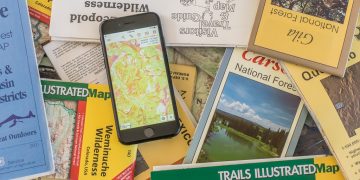
In many parts of the world, fall can bring early snowfall, particularly in higher altitudes. A trail that was passable in the morning could become treacherous by afternoon. Snow can obscure trail markers, making it harder to follow the path. Fall hikers need to be prepared for changing weather patterns and carry navigation tools like a map and compass.
Gorgeous Fall Foliage
One of the most rewarding aspects of hiking in fall is the stunning display of foliage. The vibrant colors of autumn leaves can transform an ordinary trail into a breathtaking experience. However, this seasonal beauty can also attract large crowds, so plan your visit wisely to avoid overcrowding.
Winter: A Time for Adventurers and Preparation
Winter is the most challenging season for hiking, requiring the most preparation, gear, and caution. Cold temperatures, snow, and ice create hazards that can quickly turn a simple hike into a dangerous endeavor. Despite these challenges, winter hiking can be an incredibly rewarding experience for those who are well-prepared.
Snow and Ice
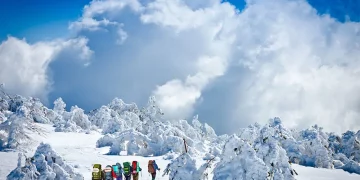
Many trails become impassable in winter due to deep snow, ice, and sub-zero temperatures. Even if the trail is still accessible, hikers may face slippery, treacherous conditions. Ice spikes, crampons, or microspikes are essential for maintaining traction on icy surfaces. Snowshoes or skis may be required for deeper snow.

Shorter Days and Limited Visibility
Winter days are shorter, meaning hikers must start early to ensure they finish their hike before dusk. Limited daylight hours can also make navigation difficult, especially if snow obscures trail markers. Carrying a headlamp or flashlight and extra batteries is a must for any winter hike.
Winter Wildlife and Hazards
Wildlife behavior changes during winter. Many animals enter hibernation, while others like deer and elk become more active in search of food. Some species, like moose, may be found on trails more often during the winter months. Hikers should be cautious and avoid getting too close to any wild animals. Additionally, winter storms and avalanches pose significant risks, especially in mountainous regions. Check avalanche reports before heading out, and avoid hiking in areas with high avalanche potential.
Extreme Temperatures and Exposure Risks
Extreme cold brings the risk of frostbite, hypothermia, and other cold-weather illnesses. Proper clothing is essential, including moisture-wicking base layers, insulated outer layers, and waterproof gear. Always carry extra gloves, socks, and other essentials in case of an emergency.
How to Prepare for Seasonal Trail Conditions
Adapting to the changing trail conditions throughout the year requires preparation and flexibility. Here are some general tips to help you hike safely in any season:
- Know Your Trail: Research your trail before heading out. Check trail reports, weather forecasts, and seasonal warnings. Websites like AllTrails and local hiking groups can provide up-to-date information on trail conditions.
- Wear the Right Gear: Each season demands different gear. For spring and fall, wear layers and waterproof boots. In summer, opt for lightweight, breathable clothing, and always bring plenty of water. Winter requires insulated gear, traction devices, and extra layers.
- Monitor Weather: Keep an eye on weather forecasts and be prepared for sudden changes. Mountain weather, in particular, can shift rapidly, so pack accordingly.
- Plan for Safety: Always let someone know your hiking plans, and consider carrying a GPS device or a satellite communicator for emergencies. In winter, it’s especially important to check trail conditions for avalanches or other hazards.
- Respect the Environment: Seasonal changes can make trails more vulnerable to damage, especially in spring and fall when the ground is soft. Stick to the trail to protect the environment and prevent erosion.
Conclusion
Seasonal changes bring both beauty and challenges to the trails. From the muddy paths of spring to the icy conditions of winter, each season offers a unique experience for hikers. By understanding the effects of these seasonal shifts and preparing accordingly, you can ensure that your hiking adventures remain safe, enjoyable, and memorable throughout the year.
Whether you’re a seasoned adventurer or a casual weekend hiker, embracing the beauty of the changing seasons can offer new perspectives on nature. So, grab your gear, check the forecast, and set out to explore the trails—no matter what season it may be.