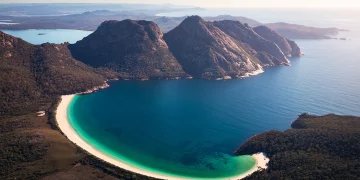











In recent years, a fresh trend has emerged in Australia that’s slowly but surely overtaking the classic tourist hotspots. Remote, untouched beaches that were once tucked away from the public eye are now becoming the new ‘it’ spots for adventurous travelers seeking a unique experience. These beaches offer a rare combination of isolation, natural beauty, and the freedom to escape the crowds. But what is it that makes these secluded shores so alluring?
A New Era of Travel
The last decade has seen a shift in the way people travel. With social media influencers leading the charge, there’s been a growing desire to experience destinations that are not only beautiful but also off the beaten track. Remote beaches in Australia, known for their pristine beauty, have become the perfect canvas for creating envy-inducing Instagram posts. These locations, with their crystal-clear waters, fine sands, and jaw-dropping landscapes, appeal to those looking for a more exclusive, personalized experience.
But it’s not just social media hype driving this trend. The global pandemic in 2020 marked a turning point for many travelers. With international travel restrictions in place, people began to rediscover their own countries. Australia, with its diverse coastlines, became an attractive destination for those looking to experience the great outdoors in a way that felt safe and intimate. The notion of isolated, tranquil beaches—away from the crowds—offered a kind of comfort and peace that many people were yearning for in the post-pandemic world.
Australia’s Remote Beach Treasures
Australia is home to some of the world’s most famous beaches: Bondi Beach in Sydney, the Gold Coast, and the Great Barrier Reef. However, beyond these well-known destinations lie hidden gems that offer a completely different experience. Think of beaches where you can walk for hours without encountering another soul, where the sand feels like powder beneath your feet, and the waters shimmer in hues that take your breath away.
Some notable examples include:
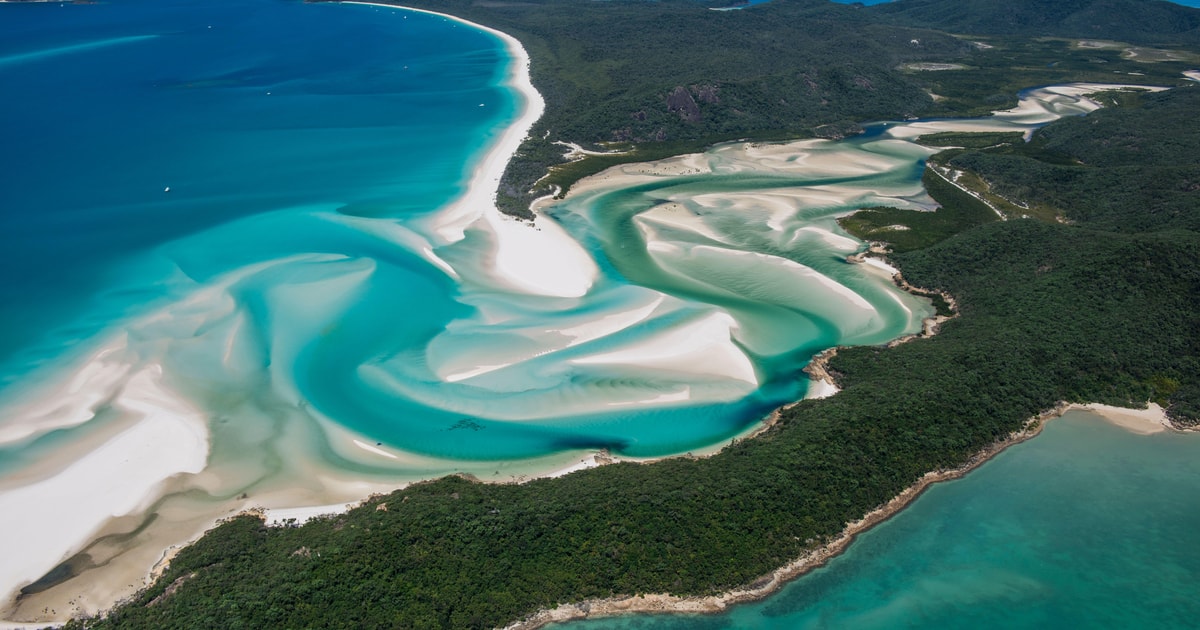
- Whitehaven Beach (Whitsunday Islands): Consistently ranked among the world’s most beautiful beaches, Whitehaven is a pristine stretch of white silica sand that is accessible only by boat or seaplane. Its isolation ensures a tranquil atmosphere, with visitors often limited to small groups at a time.
- The Bunker Bay (Margaret River): Located in Western Australia, this beach offers a secluded retreat with stunning coastal cliffs, clear waters, and diverse wildlife. Its calm, protected waters make it a safe place for swimming and kayaking.
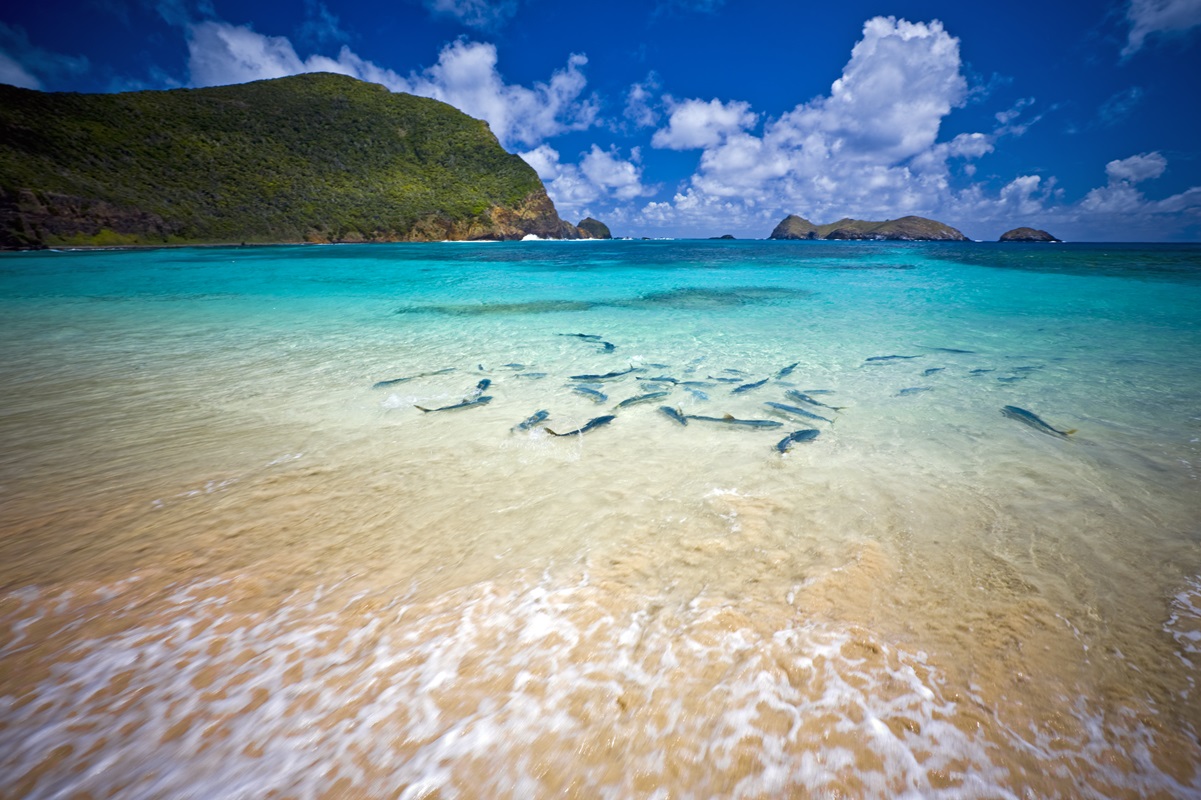
- Lord Howe Island: An UNESCO World Heritage-listed island, Lord Howe is home to some of Australia’s most remote beaches. The island has strict visitor limits, ensuring that it remains a peaceful haven with minimal human impact on its delicate ecosystem.
- Cape Le Grand National Park (Western Australia): Known for its rugged beauty and crystal-clear waters, this park is home to the famous Lucky Bay, where kangaroos can often be spotted lounging on the beach. The park’s seclusion makes it an ideal spot for camping and exploring the wilderness.
These beaches share one thing in common: they are not the easiest to reach. The very fact that they are isolated—often requiring a bit of a journey to get to—adds to their mystique and allure.
Why Is Everyone Flocking to These Remote Beaches?
Several factors contribute to the growing popularity of Australia’s remote beaches. It’s not just about escape, it’s about connection—both with nature and with oneself. Here are some key reasons driving this trend:
1. Desire for Solitude and Tranquility
In today’s hyper-connected world, people are constantly bombarded with notifications, emails, and the pressures of daily life. For many, the idea of escaping to a quiet, untouched beach is an attractive proposition. The isolation of these remote beaches provides an opportunity for solitude and reflection, something that’s increasingly rare in our fast-paced society.
Remote beaches also provide the perfect setting for mental well-being. Nature has been shown to have therapeutic effects on the human mind, reducing stress, anxiety, and depression. The peaceful, serene environment of a remote beach offers a reprieve from the chaos of urban life, making it an ideal destination for those seeking to disconnect and recharge.
2. Reconnection with Nature
For those who value sustainability and conservation, the appeal of remote beaches goes beyond their beauty. These beaches tend to be less developed and less commercialized, preserving their natural state. They are also often protected areas, meaning that tourism is carefully managed to prevent over-exploitation.
Visitors are attracted to the idea of being able to experience Australia’s natural beauty in its most unspoiled form. Whether it’s snorkeling in vibrant coral reefs, spotting wildlife in its natural habitat, or simply enjoying the rugged landscapes, remote beaches provide a unique opportunity to immerse oneself in the natural world.
3. Adventure and Exploration
Travelers are increasingly seeking out destinations that allow them to engage in adventure and exploration. Remote beaches often come with challenges, such as hiking to reach them or navigating through rough terrain. This adds an element of excitement to the journey and makes the experience all the more rewarding.
For example, many of Australia’s hidden beaches are located within national parks or nature reserves, which require visitors to hike, camp, or kayak to access them. This sense of adventure appeals to the modern traveler, who is looking for something beyond the traditional beach holiday.
4. Escape from Crowds
One of the most alluring aspects of remote beaches is their seclusion. In an age where mass tourism is becoming more commonplace, the chance to experience a beach without swarms of tourists is a major selling point. With many of Australia’s well-known beaches becoming overcrowded, travelers are now looking for alternatives where they can enjoy the sand and surf in peace.
The absence of large crowds allows visitors to enjoy a more intimate and personal connection with the environment. Whether it’s watching the sunset in solitude or enjoying a peaceful swim, the lack of crowds enhances the overall experience.
Eco-Tourism and Sustainable Travel
As the demand for remote beaches grows, so does the responsibility to protect these pristine environments. Sustainable travel is a growing trend, and remote beaches offer a model for how tourism can coexist with conservation efforts.
Australia has taken significant steps to protect its natural heritage, with many remote beaches being part of national parks or marine reserves. These protected areas help preserve the delicate ecosystems while still allowing for eco-conscious tourism. Visitors are encouraged to follow Leave No Trace principles, minimizing their impact on the environment.
For example, on Lord Howe Island, visitors are limited to 400 at any one time, ensuring that the island’s natural beauty remains intact. Similarly, Whitehaven Beach is carefully managed to prevent overcrowding, with limited access to certain parts of the beach to preserve its pristine condition.
Challenges and Considerations
While the allure of remote beaches is undeniable, there are challenges associated with visiting these destinations. Accessibility can be an issue, with many of these beaches requiring significant effort to reach. This may involve long drives, hikes, or boat trips, which can be physically demanding.
Additionally, some remote beaches lack amenities and infrastructure. Travelers should be prepared for more rugged conditions and limited services. This can be part of the charm for many, but it’s important to be prepared and self-sufficient when visiting these remote locations.
There’s also the question of preserving the very qualities that make these beaches so appealing. As more people seek out these isolated locations, there’s a risk of over-tourism, which could lead to environmental degradation. Sustainable practices and responsible tourism will be essential in ensuring that these remote beaches remain untouched for future generations.
Conclusion
Remote beaches in Australia are quickly becoming the new hotspots for travelers looking for something different. These isolated gems offer a combination of tranquility, natural beauty, and adventure that is hard to find in more crowded destinations. As travelers seek to disconnect from the hustle and bustle of everyday life, these beaches provide the perfect backdrop for introspection, relaxation, and exploration.
The increasing popularity of these remote beaches also highlights a broader trend in travel: the desire for authentic, sustainable experiences. As more people turn to eco-tourism and responsible travel, it’s likely that remote beaches will continue to grow in appeal. For now, they remain a haven for those in search of solitude, adventure, and a deeper connection to the natural world.