











When it comes to outdoor adventures, travel, or even just tackling everyday challenges in varying settings, the gear you choose can make or break your experience. Whether you’re heading into the snow-capped peaks of the Himalayas, navigating the sweltering deserts of the Sahara, or simply going on a weekend hike in your local woods, having the right gear tailored to the environment is paramount.
Optimizing your gear for different environments is more than just picking up equipment from a list. It involves understanding how your environment impacts your needs and adjusting accordingly, whether that means selecting lightweight, durable, or specialized tools to handle the rigors of the environment.
1. Understanding Environmental Factors
The first step in optimizing your gear for specific conditions is understanding the factors that will affect you in those environments. These can include:
- Temperature: Extreme heat or cold can quickly drain your energy, so gear must provide insulation in the cold or breathability in the heat.
- Humidity: Wet conditions require waterproof gear and ventilation to avoid excessive sweating.
- Terrain: Rocky or uneven terrain demands sturdy, supportive footwear, while soft sandy dunes might require light and flexible clothing.
- Altitude: High altitudes bring unique challenges, such as lower oxygen levels, which require gear that aids in temperature regulation and breathing.
2. Gear for Cold Environments
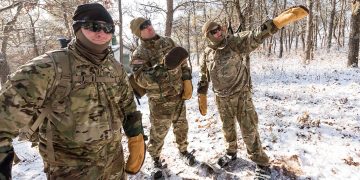
Whether you’re climbing in the Arctic or hiking through the Alps, cold environments demand gear designed to combat the elements. However, it’s not just about staying warm, but staying comfortable, which means balancing warmth with breathability.
Clothing
Layering is key. A typical cold-weather gear system involves three main layers:
- Base Layer: This is your first line of defense against the cold and moisture. Merino wool or synthetic fibers are ideal because they wick moisture away from the skin while providing warmth. Avoid cotton as it retains moisture and cools your body down when wet.
- Mid Layer: This layer insulates your body. Fleece, down, or synthetic jackets offer warmth without being bulky, but make sure they allow you to move freely.
- Outer Layer: This is your defense against wind, rain, or snow. A waterproof and windproof shell, such as Gore-Tex, is essential in blocking out the elements while still allowing sweat to escape.

Footwear
Cold conditions demand insulated boots, preferably with a waterproof lining and a good tread for grip on icy surfaces. Make sure the boots have enough room for thick socks and are designed for the environment you’re in (e.g., snow boots, mountaineering boots, or winter hiking shoes).
Accessories
Hats, gloves, and scarves are indispensable in the cold. Wool or synthetic materials for gloves and hats are preferable over cotton, and layering your gloves can provide flexibility if you need more dexterity.
Additional Gear
- Ice Axe and Crampons: These are essential for traversing icy surfaces, giving you traction and stability on frozen ground.
- Thermal Blankets: Lightweight and space-efficient, these can save your life in an emergency, providing warmth and insulation in harsh conditions.
- Portable Heater or Hand Warmers: Small, disposable heat sources can be a game-changer, keeping you warm when you stop for rest.
3. Gear for Hot Environments
Surviving in high-temperature environments requires a completely different approach. Whether you’re trekking in a desert or experiencing a heatwave, your focus should be on hydration, sun protection, and minimizing heat stress.
Clothing
Breathability is the top priority. Look for clothes made from light, moisture-wicking fabrics such as cotton blends or technical synthetics that help you stay cool and dry. Loose-fitting clothes allow air to circulate, preventing overheating. UV-blocking materials can also protect your skin from the harsh sun.
Hats with wide brims or headbands are crucial to protect your head and face from the sun, and sunglasses with UV protection can prevent eye damage.
Footwear
The key in hot environments is comfort and breathability. Lightweight, breathable boots or shoes, paired with moisture-wicking socks, will help you manage sweat. In extremely hot conditions, sandals or open-toe shoes may be preferable, though this depends on terrain.
Hydration System
Dehydration is one of the biggest risks in hot environments. Carry a hydration pack or water bottles that allow easy access to fluids. Systems with built-in hydration tubes, such as Camelbaks, can help ensure you drink water regularly without having to stop to grab a bottle.
Additional Gear
- Sunscreen: A broad-spectrum sunscreen with SPF 30 or higher is a must for preventing sunburn.
- Cooling Towels: These towels are soaked in water and designed to stay cool for hours, offering a quick and effective way to lower your body temperature.
- Portable Shade: A lightweight portable umbrella or sunshade can provide quick respite from the sun during breaks.
4. Gear for Wet Environments
In wet environments, whether it’s rainy weather in a temperate forest or a torrential downpour in the tropics, keeping dry and warm becomes your primary concern. Wet conditions present unique challenges because they can lead to hypothermia if your body temperature drops too low or cause chafing and blisters if you’re too wet for too long.
Clothing
Waterproof gear is essential, but it should also be breathable. Look for jackets, pants, and gaiters made of materials like Gore-Tex or similar waterproof-breathable fabrics. These materials allow sweat to escape while preventing rain or puddles from soaking you.
Additionally, a rain poncho or waterproof pack covers will keep your gear dry. Choose quick-drying fabrics for your base layers, and avoid cotton, as it will hold moisture and cool you down.
Footwear
Waterproof boots or shoes are crucial for traversing wet terrain. Gore-Tex or rubber boots can keep your feet dry, but make sure they are breathable to avoid moisture buildup inside the boots. High-quality, waterproof socks also help prevent blisters and discomfort.
Additional Gear
- Waterproof Backpack: A waterproof bag or dry bags inside your main pack will keep your gear safe from water damage.
- Waterproof Gloves: Keep your hands dry and nimble with waterproof, breathable gloves that let you grip gear without losing dexterity.
- Water Filtration System: If you’re heading into an area where you might need to source water from natural bodies like streams or rivers, a portable water filter will be vital.
5. Gear for High-Altitude Environments
In high-altitude environments like mountain peaks or plateaus, the weather can be extreme, with rapidly changing conditions. The lower levels of oxygen and increased risk of altitude sickness demand specific gear and preparation.
Clothing
In addition to the typical layering system, your clothing should be designed to protect you against both wind and UV radiation. High-altitude areas typically have stronger sunlight, so ensuring your gear includes UV-resistant fabrics and a good pair of sunglasses with UV protection is crucial.
- Sun Protection: A wide-brimmed hat, glacier glasses, and sunscreen with high SPF will protect your skin and eyes from the intense sun.
- Breathable Fabrics: High-altitude clothing needs to balance warmth and breathability. A good jacket with proper insulation (down or synthetic) should be paired with light layers for flexibility.
Footwear
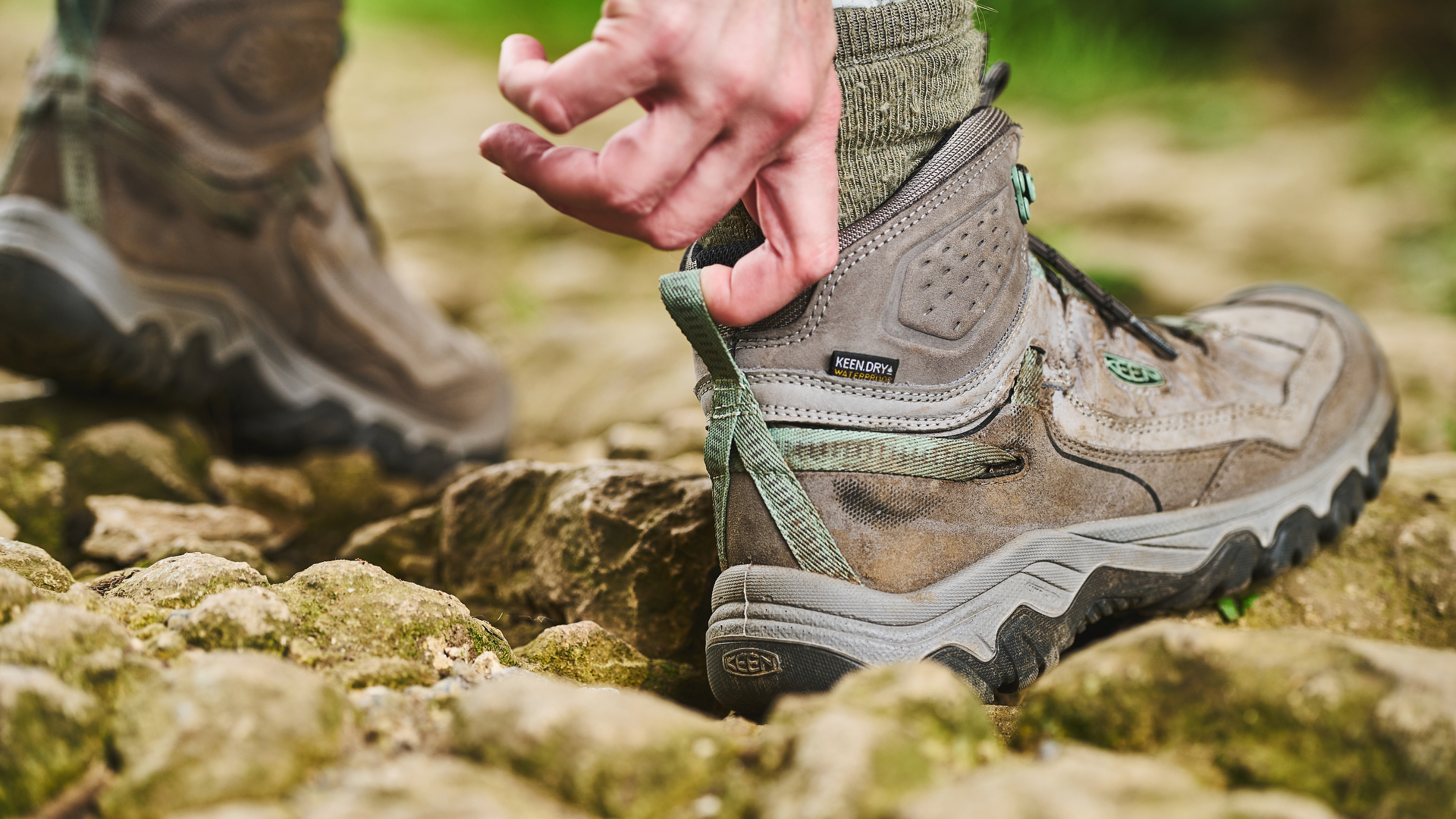
At high altitudes, you’ll encounter rugged and uneven terrain. Boots designed for trekking at altitude should have ankle support, a solid grip, and insulation to handle extreme temperatures.
Additional Gear
- Oxygen Mask or Bottle: At extremely high altitudes, supplemental oxygen can be necessary to avoid altitude sickness and help with breathing.
- Altimeter Watch or GPS: An altimeter will help you monitor your elevation, and a GPS can provide precise location information in case of an emergency.
6. Gear for Urban and Travel Environments
While most of the advice in this article focuses on wilderness and outdoor gear, it’s also worth considering how to optimize your gear for urban and travel environments. Whether you’re navigating a crowded city, embarking on a business trip, or backpacking across countries, gear optimization is still essential.
Clothing
Urban environments require adaptability, so choose clothing that can serve multiple purposes. Think lightweight jackets, scarves, and versatile footwear that can handle both walking and more formal situations.
Travel Bags
Your bag is your lifeline. Choose a durable, lightweight backpack or travel bag with plenty of compartments to keep your gear organized and accessible. For long trips, a rolling suitcase with reinforced wheels can be a game-changer.
Accessories
- Power Bank: In today’s world, staying connected is essential. Carrying a portable power bank can ensure your devices stay charged throughout the day.
- Noise-Canceling Headphones: Whether you’re navigating busy streets or dealing with a noisy hotel room, noise-canceling headphones can help you stay focused.
7. Conclusion
Optimizing your gear for different environments is all about understanding the unique challenges that each environment presents and adjusting your equipment accordingly. From cold mountain peaks to the scorching desert sun, having the right tools can make all the difference in ensuring comfort, safety, and success.
By carefully choosing the right clothing, footwear, and additional gear for each environment, you’re setting yourself up for the best possible experience. Whether you’re facing extreme temperatures, humidity, altitude, or terrain, gear optimization is key to enjoying your journey and overcoming challenges. So next time you venture out, make sure your gear is as prepared as you are.