












The world of outdoor sports has seen a remarkable transformation in recent decades, with innovations in technology and equipment playing a pivotal role in making these activities not only more accessible but also far safer. Whether you are scaling a mountain, cycling through rugged terrain, or skiing down snowy slopes, the right gear can make all the difference. As the demand for adventure sports continues to rise, so too does the need for equipment that ensures safety without compromising performance.
In this article, we will explore how technological advancements in outdoor gear have significantly enhanced safety for athletes of all levels. From helmets designed with cutting-edge materials to wearable tech that monitors your health in real-time, gear innovation has revolutionized the way we engage with outdoor sports.
1. Helmets: The Evolution of Head Protection
Helmets are perhaps the most iconic piece of safety gear for outdoor sports. In the past, helmets were primarily designed to prevent skull fractures in the event of a crash. However, the rapid advancement of materials science has led to helmets that not only protect against direct impact but also reduce rotational forces that can cause brain injuries.
- MIPS Technology: One of the key innovations in modern helmet design is the introduction of MIPS (Multi-directional Impact Protection System) technology. This system consists of a low-friction layer inside the helmet that allows the helmet to rotate slightly upon impact, thus reducing rotational forces that can lead to concussions and other brain injuries.
- Advanced Materials: Traditional helmets were made from foam, which served to absorb the shock from impacts. Today, manufacturers use high-tech materials such as carbon fiber and Kevlar, which offer superior strength while maintaining a lightweight design. This combination of materials provides both enhanced protection and comfort, making helmets less bulky and more stylish without compromising their primary function.
Helmet design has also become more athlete-centric, with customizable padding and adjustable fit systems that ensure a snug and secure fit for every head shape. This personalization not only improves comfort but also enhances the helmet’s protective capabilities.

2. Smart Wearables: Monitoring Your Body in Real-Time
In addition to helmets, wearable technology has become a game-changer in outdoor sports safety. Smart wearables, including watches, sensors, and chest straps, provide real-time monitoring of an athlete’s vital signs, location, and performance. These devices are especially crucial for activities like hiking, skiing, and mountain biking, where environmental factors and physical exertion can lead to unforeseen risks.
- Heart Rate Monitoring: Advanced smartwatches and fitness trackers now feature built-in heart rate monitors that can alert athletes to unusual changes in their cardiovascular system, such as rapid heartbeats, irregular rhythms, or dangerous drops in heart rate. This feature is particularly useful in high-intensity sports where sudden changes in physical condition can occur without warning.
- Location Tracking & GPS: GPS-enabled devices, often integrated into smartwatches or other wearables, are helping athletes stay safe in remote areas. In case of an emergency, the GPS tracking feature can send distress signals to emergency responders, making rescue operations more efficient. Some devices also allow athletes to track their route, ensuring they don’t get lost while navigating unfamiliar terrains.
- Impact Sensors: For high-risk sports like skiing and mountain biking, wearables with built-in impact sensors can detect sudden falls or crashes. These devices automatically send alerts to emergency contacts or a central monitoring system, providing a crucial layer of safety, especially when athletes are far from help.
3. Avalanche Gear: Saving Lives in the Backcountry
For winter sports enthusiasts, one of the most significant threats is avalanches. In recent years, a variety of new technologies have been developed to improve safety in avalanche-prone areas. The combination of wearable devices and advanced avalanche rescue equipment has drastically increased the chances of survival during an avalanche.
- Avalanche Beacons: Modern avalanche beacons are more reliable than ever, using both digital and analog signals to help locate buried individuals. These devices now feature multiple frequency channels and improved search algorithms, which make them faster and more accurate in rescue situations. Some beacons are even equipped with sensors that automatically activate when an avalanche is detected, providing immediate feedback to rescuers.
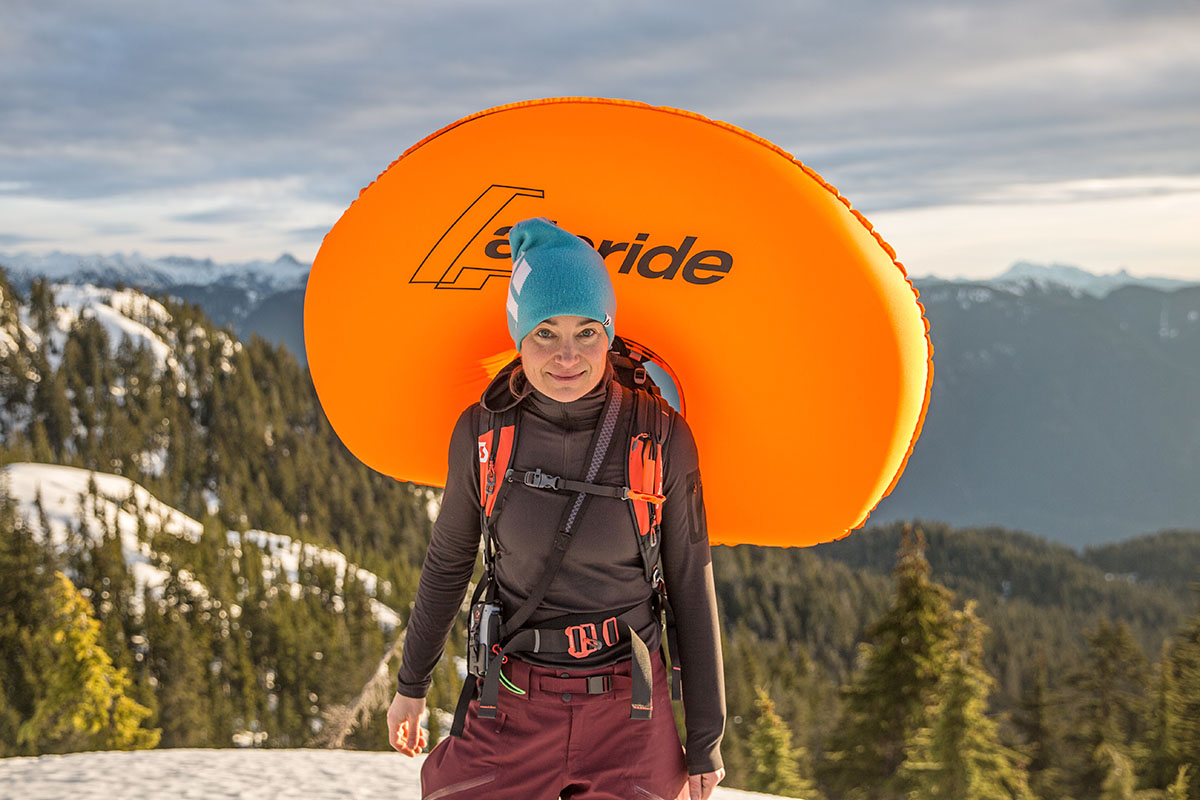
- Airbag Backpacks: Avalanche airbags have become increasingly popular among skiers and snowboarders venturing into backcountry areas. These backpacks contain inflatable airbags that deploy when the user is caught in an avalanche, keeping the wearer near the surface of the snow. This system significantly increases the chances of surviving an avalanche by reducing the likelihood of being buried.
- Avalanche Probes and Shovels: Advanced avalanche probes and shovels are designed for faster, more efficient search-and-rescue operations. Probes now feature improved materials, such as lightweight aluminum and carbon fiber, which make them easier to carry without sacrificing strength. In addition, shovels now come with specialized, ergonomic handles and reinforced blades that can cut through tough snow layers quickly.
4. Clothing and Footwear: Comfort Meets Protection
While protective gear like helmets and avalanche equipment is essential, your clothing and footwear also play a critical role in safety. New materials and design innovations in apparel are not just about keeping you comfortable in extreme conditions; they also contribute to your overall protection.
- Breathable Fabrics: Whether you’re hiking, skiing, or cycling, staying dry is essential for avoiding hypothermia and other cold-related illnesses. The use of high-performance, breathable fabrics like Gore-Tex, Polartec, and Merino wool has revolutionized outdoor clothing. These materials wick away moisture from the skin while still allowing sweat to evaporate, ensuring that you stay dry and warm.
- Layering Systems: Modern outdoor clothing is designed around the layering principle. This system allows athletes to adjust their clothing to match the changing conditions during their activity. Base layers made from synthetic or merino wool trap heat close to the body, while insulating layers keep warmth in, and outer shells protect against wind and water.
- Smart Footwear: Outdoor footwear has also seen dramatic improvements. Modern hiking boots and climbing shoes use advanced materials like Vibram soles and EVA midsoles to provide better grip, cushioning, and durability. Additionally, some hiking boots come equipped with temperature-sensitive soles that adapt to changing terrain, providing better traction on wet, snowy, or icy surfaces. There are also boots now designed with integrated ankle protection systems, preventing sprains and twisting injuries, which are common in rugged terrains.
5. Bikes and Boards: A New Era of Safety for Cyclists and Snowboarders
Cycling and snowboarding are two popular outdoor sports where gear innovation has had a direct impact on safety. Whether it’s mountain biking down challenging trails or carving up powder on a snowboard, new equipment designs and safety features are enhancing protection.
- Mountain Biking Suspension Systems: Mountain biking has evolved in terms of both performance and safety. Modern suspension systems, such as those featuring air forks and rear shocks, help absorb impacts and smooth out rough trails, reducing the risk of injury. These systems provide better control during descents, improving rider stability.
- Snowboarding Bindings with Shock Absorption: Snowboarding gear has also benefited from new innovations, particularly in binding design. Modern bindings incorporate shock-absorbing materials that reduce strain on the joints during landings or when navigating rough terrains. Additionally, newer bindings are designed to release during extreme force situations, preventing knee and ankle injuries caused by twisting forces.
6. Drones and AI: Next-Generation Search and Rescue
The use of drones and artificial intelligence (AI) in search-and-rescue missions is a rapidly growing field, and its potential to enhance safety in outdoor sports cannot be overstated. Drones equipped with thermal imaging and AI-powered analytics can quickly assess disaster areas, helping to locate missing persons or identify dangerous situations before they escalate.
- Thermal Imaging Drones: Drones with thermal sensors can identify heat signatures, making them invaluable during search-and-rescue operations in vast and remote outdoor areas. In case of an accident or if someone goes missing, drones can rapidly scan the area and pinpoint the location of individuals, even in low visibility conditions.
- AI for Risk Assessment: Artificial intelligence is also being used to assess the risk of outdoor activities in real-time. For example, AI algorithms can predict avalanche likelihood based on weather patterns, snow conditions, and other variables, helping athletes make informed decisions about when and where to venture out.
Conclusion: The Future of Outdoor Sports Safety
Innovations in outdoor sports gear are not just making sports safer—they’re also transforming the experience of adventure itself. With smarter, lighter, and more effective gear, athletes can push the limits of performance while mitigating risks. From helmets that protect against brain injuries to wearable tech that tracks your health, the future of outdoor sports safety looks promising.
As technology continues to evolve, we can expect even more groundbreaking advancements, whether it’s new materials, smarter wearables, or AI-driven safety systems. The key to the future lies in the balance between performance and protection. The more seamlessly these innovations can integrate into the athlete’s experience, the more likely they are to become an essential part of every adventurer’s kit.