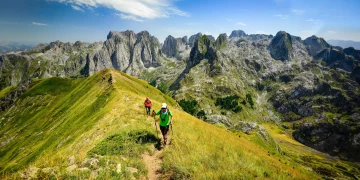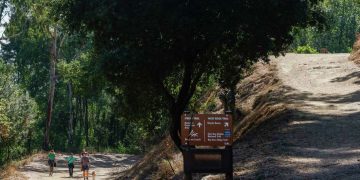













Trails are not just pathways through nature; they represent a unique convergence of the environment, community, economy, and culture. When well-preserved, these trails bring significant benefits to local communities, fostering a connection to nature, boosting local economies, improving public health, and promoting social well-being. This article explores how well-maintained trails contribute to the prosperity and vitality of communities.
1. Economic Benefits: A Vital Boost to Local Economies
One of the most direct and noticeable impacts of well-preserved trails is their contribution to local economies. Whether it’s through tourism, local business support, or job creation, trails offer a consistent economic boost.
1.1 Attracting Tourists and Outdoor Enthusiasts
Trails, especially those set in breathtaking landscapes, are often sought after by tourists and outdoor enthusiasts. Visitors traveling from out of town or even from abroad are drawn to hiking, biking, and walking trails. These visitors bring money into the local economy through spending on food, accommodations, equipment rentals, and other services.
Research has shown that outdoor tourism, including hiking and biking, generates billions of dollars annually in the United States alone. Communities with access to famous or scenic trails experience a rise in visitor numbers, often resulting in a demand for more local services like cafes, hotels, and guided tours. These businesses thrive thanks to the consistent influx of tourists, creating jobs and stimulating local growth.
1.2 Supporting Local Businesses
Beyond tourism, well-maintained trails offer a steady stream of visitors to local businesses. Cafes, restaurants, sporting goods stores, and even art galleries can benefit from the increased foot traffic. For instance, trail users may stop for a quick bite to eat after their hike, rent bikes or camping gear, or explore local markets and shops. This, in turn, helps diversify and strengthen the local economy.
1.3 Job Creation and Infrastructure Development
Trails need maintenance and development, which requires a variety of skilled workers. Local contractors, landscapers, and environmental engineers are hired for tasks like trail construction, erosion control, and creating signage. In some cases, trail-related work may also result in the creation of jobs in tourism management, park services, and environmental education. Thus, communities with strong trail networks benefit from long-term employment opportunities.
2. Public Health and Well-being: A Path to Better Health

Trails are an accessible, natural remedy to many modern health challenges. In a world where sedentary lifestyles are increasingly common, trails provide an opportunity for individuals to engage in physical activity, which is crucial for mental and physical well-being.
2.1 Promoting Physical Fitness
Studies have repeatedly shown that outdoor activities such as hiking, cycling, and walking can significantly improve cardiovascular health, reduce obesity rates, and promote overall fitness. For residents of local communities, trails offer a low-cost, easily accessible way to stay active. In fact, regular use of local trails for exercise can lead to a noticeable reduction in public healthcare costs due to fewer incidents of chronic diseases like diabetes and heart disease.
2.2 Mental Health Benefits
In addition to physical fitness, trails provide crucial mental health benefits. Nature, particularly in well-preserved environments, has been shown to reduce stress, anxiety, and depression. Walking or hiking through green spaces can create a sense of calm and help to restore mental clarity. Trails encourage people to disconnect from the stresses of daily life, which is particularly important in an era of digital overload.
Moreover, the act of walking or biking in natural spaces improves mood, increases self-esteem, and promotes social interaction. The psychological benefits of trails are particularly important in urban areas where access to nature is limited.
2.3 Social Connections and Community Engagement
Trails encourage people to gather and interact, whether it’s meeting neighbors for a walk or participating in community fitness events. Regular trail use can help foster a sense of community, as local residents share a common space and activity. This can lead to stronger bonds and a more interconnected society.
Additionally, trails are often the setting for local events, such as charity runs, group hikes, or biking races. These events not only encourage physical activity but also raise awareness about community issues, while helping to build a sense of pride and purpose within the local area.
3. Environmental and Conservation Benefits: A Sustainable Approach to Nature
Well-maintained trails are not just a benefit to humans—they also play a vital role in preserving local ecosystems. Trails help protect sensitive environments, minimize human impact, and educate the public about the importance of conservation.
3.1 Preservation of Natural Landscapes
Trails act as controlled pathways that guide people through natural areas, thereby minimizing the environmental damage caused by off-trail hiking or activities. When maintained properly, trails ensure that nature is not trampled by excessive foot traffic or disturbed by unsustainable human practices. This controlled access to natural areas helps preserve the flora and fauna of local ecosystems for future generations.
3.2 Education on Environmental Stewardship
In many communities, trails serve as an educational tool for promoting environmental awareness and sustainability. Informational signs, interpretive programs, and guided tours educate trail users about the history, ecology, and biodiversity of the area. Visitors and residents alike gain a greater understanding of the importance of protecting the environment. By increasing public awareness of local wildlife and ecosystems, well-preserved trails foster a culture of environmental stewardship within the community.

3.3 Enhancing Biodiversity and Habitat Protection
Trails also help safeguard wildlife habitats. By providing access to otherwise remote areas, they allow researchers and environmentalists to monitor wildlife populations and the health of ecosystems. The presence of trails can facilitate conservation efforts and provide better protection for threatened or endangered species.
In some cases, the careful design and placement of trails can even contribute to habitat restoration, as they limit access to areas that might otherwise be damaged by human activity. This allows plant and animal species to thrive without the constant pressure of human interference.
4. Cultural and Recreational Benefits: Connecting Communities to Their Heritage
Trails can also serve as bridges between the past and the present, offering cultural and recreational experiences that enhance local identity and pride.
4.1 Celebrating Local History and Heritage
In many communities, trails are designed with a cultural or historical theme, helping people explore the area’s heritage. For example, walking trails might pass through historical landmarks or areas of cultural significance. These trails may tell the story of a region’s indigenous people, early settlers, or important events that shaped the community.
By engaging with these stories, residents and visitors alike develop a deeper understanding of local history. In some cases, trails might even connect local museums, heritage sites, or historical homes, offering educational opportunities and fostering pride in local traditions.
4.2 Recreational Opportunities for All Ages
Trails provide a wide range of recreational activities that cater to various interests. Hiking, biking, horseback riding, and even cross-country skiing or snowshoeing can be enjoyed depending on the season and location. Trails accommodate people of all ages, from children exploring nature for the first time to seniors taking leisurely walks. This accessibility makes trails a valuable resource for community recreation, offering something for everyone.
Moreover, trails often serve as a gathering point for families, fitness enthusiasts, and community groups. People of different generations can share time together outdoors, enhancing family bonds and creating a sense of unity.
4.3 Fostering a Sense of Place and Belonging
Finally, trails contribute to creating a sense of place and belonging. A well-preserved trail can become a symbol of local pride, as it connects the community to nature and its history. Whether it’s a scenic river trail, a forest pathway, or an urban greenway, these trails help people feel rooted in their environment. The act of spending time on these trails fosters a deep emotional connection to the land, which strengthens community identity and fosters a collective responsibility for the preservation of local resources.
5. Conclusion: Trails as a Cornerstone of Community Health and Prosperity
The benefits of well-preserved trails are multifaceted and go beyond simply providing an area for outdoor activities. They support the local economy, contribute to public health, protect the environment, and preserve cultural heritage. Most importantly, trails serve as a means to bring people together—whether it’s for recreation, learning, or community-building.
As communities recognize the value of well-preserved trails, they will continue to invest in the infrastructure, conservation, and accessibility needed to ensure that future generations can enjoy their benefits. The positive effects of trails ripple outward, touching every aspect of community life, and in doing so, helping to create stronger, healthier, and more sustainable places to live.