


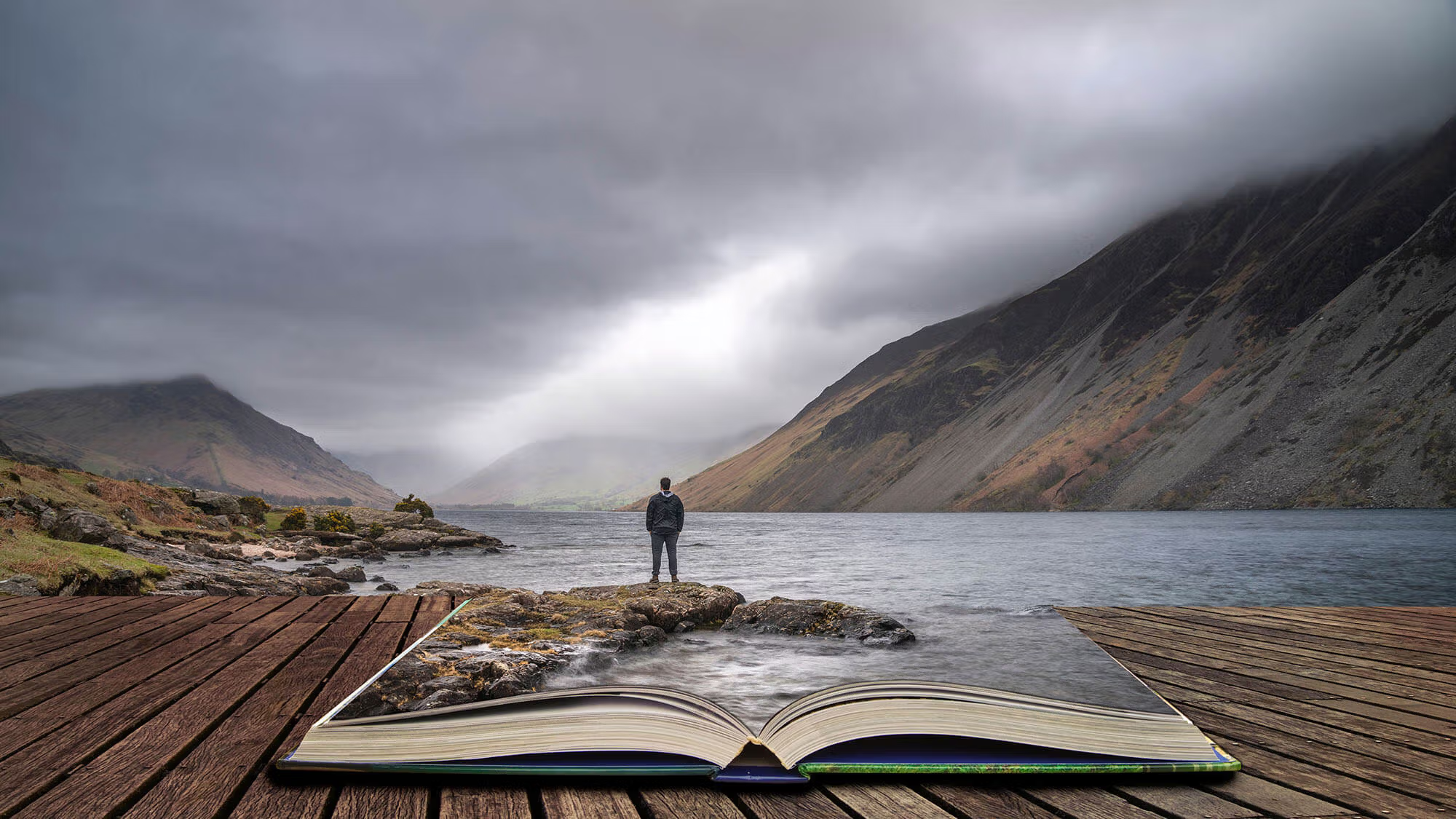










Introduction: Conquer the Unconquerable
Every adventurer, explorer, and off-road enthusiast dreams of pushing their gear to the limits—venturing into untamed landscapes, braving uncharted territories, and conquering the toughest terrains the world has to offer. Whether you’re trekking through dense rainforests, traversing rocky mountain ranges, or navigating the harsh desert, the strength and reliability of your gear are your lifeline.
But can your gear truly handle the toughest terrain? The answer isn’t just about raw durability; it’s about versatility, adaptability, and precision. From hiking boots to tents, backpacks to survival kits, each piece of equipment plays a crucial role in ensuring your success. In this article, we’ll dive into the key factors that define what makes gear truly capable of handling extreme environments, discuss the essential gear for different terrains, and explore how innovations in technology have transformed outdoor adventure gear.
1. The Evolution of Adventure Gear: From Traditional to Tech-Enhanced
The Early Days: Simple Yet Effective
Before technology took center stage, adventurers relied on the basics: sturdy boots, basic clothing, and maps. These humble tools were designed to handle the unpredictable nature of nature. While simple, these tools served their purpose well, especially when combined with experience and survival skills. However, the limits of this basic gear were quickly realized when explorers began pushing further into more hostile terrains.
The Advent of Modern Technology: Gear Gets Smarter
The modern adventurer now has a whole range of specialized gear at their disposal. GPS devices, weather-resistant fabrics, thermoregulated clothing, and multi-functional gadgets have revolutionized the way we approach outdoor exploration. Advancements in materials science, like lightweight titanium, carbon fiber, and ultra-durable polymers, have made it possible for gear to be both light and incredibly strong.
Wearable Tech: The Future is Now
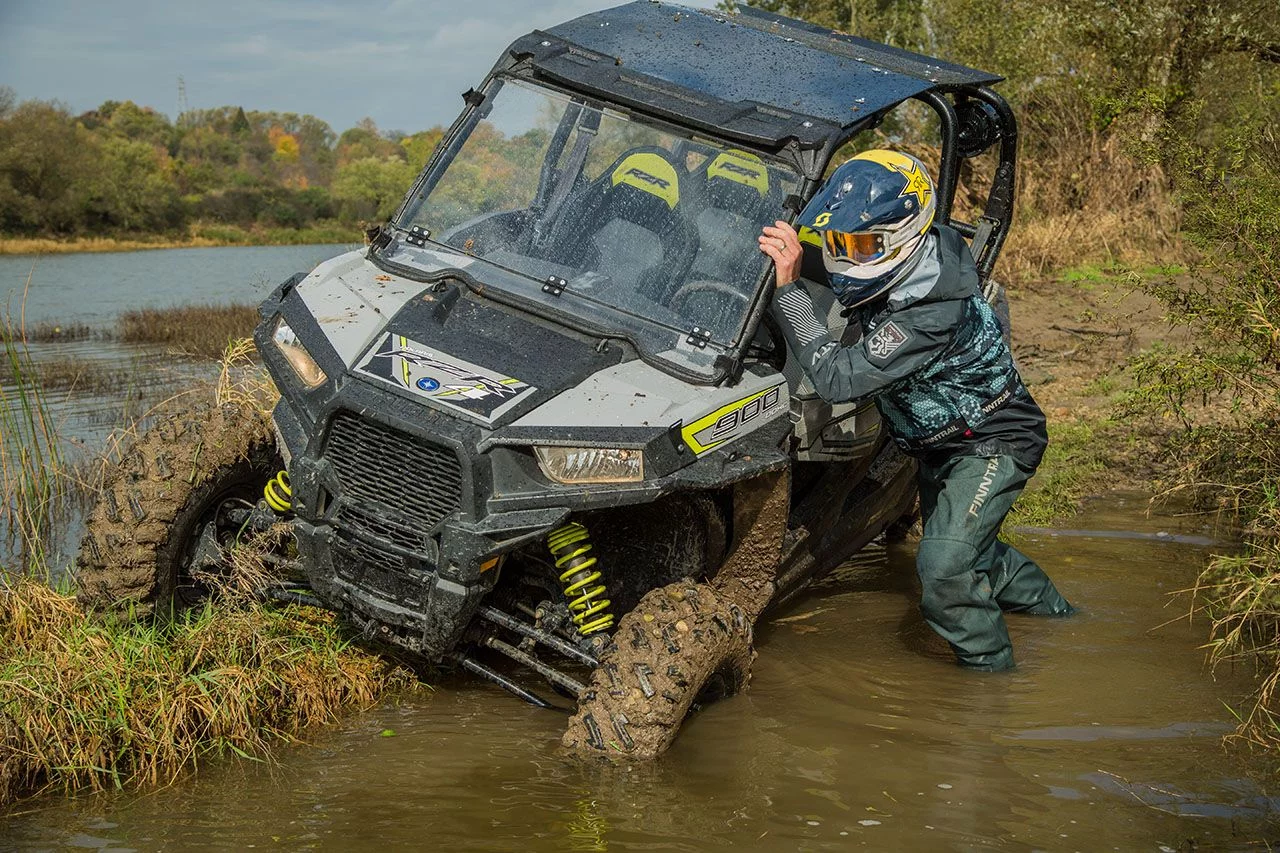
In today’s world, wearable tech is changing the game. Smartwatches with altimeters, heart rate monitors, and even built-in navigation systems are helping adventurers stay on track. Even more advanced are smart fabrics and adaptive wearables that respond to environmental conditions, such as temperature fluctuations, by adjusting insulation levels.
2. Key Factors in Selecting Gear for the Toughest Terrain
When considering gear for extreme conditions, it’s important to focus on several core factors. Here’s what makes gear truly ready for the toughest challenges:
Durability: Built to Last
Gear for tough terrains must be durable. Whether it’s boots that won’t wear out on jagged rocks, or tents that won’t collapse in the face of brutal winds, durability is paramount. High-quality materials like Gore-Tex for waterproofing, Dyneema for ultralight strength, and carbon fiber for both weight reduction and structural integrity ensure that your gear stands the test of time.
Weather Resistance: Adapt to the Elements
One of the toughest challenges in the wilderness is the unpredictable weather. Your gear needs to withstand extreme cold, torrential rain, or the blistering heat of the desert. From waterproof jackets and breathable tents to insulating layers that lock in body heat, the ability to adapt to changing weather conditions can be the difference between success and failure.
Comfort: The Long Haul
Long journeys on rough terrain can be grueling, so comfort is crucial. Well-designed backpacks with ergonomic straps and load distribution systems, moisture-wicking and breathable clothing, and cushioned footwear that prevents blisters all contribute to ensuring that comfort doesn’t become an afterthought when venturing into harsh environments.
Portability: Carrying It All
It’s not just about the bulk; it’s about how easily your gear can be transported. Lightweight and compact designs are essential, but they must not compromise on quality or functionality. Portable cooking systems, ultralight tents, and collapsible water bottles make all the difference when you’re navigating rough terrain on foot.
3. Essential Gear for Different Terrains
Mountainous Terrain: High Altitudes, Harsh Conditions
Mountains pose a unique challenge. The combination of steep inclines, rock scrambles, and unpredictable weather conditions requires specialized gear. A few essentials include:
- Technical Hiking Boots: Footwear with sturdy soles for traction and ankle support. Waterproof, breathable boots are necessary for crossing snow, ice, or streams.
- Climbing Gear: Harnesses, ropes, carabiners, and crampons for scaling peaks or crossing glaciers.
- Layered Clothing: The layering system is critical in mountain conditions. A moisture-wicking base layer, an insulating mid-layer, and a weather-resistant outer shell will help regulate body temperature.
- Backpack: A multi-day backpack with hydration systems and enough capacity to carry technical climbing gear and extra supplies.
Desert Terrain: Extreme Heat and Limited Resources
In the desert, it’s not just about surviving, but about thriving in extreme heat and arid conditions. Essential gear includes:
- Sun Protection: A wide-brimmed hat, UV-protective clothing, and high-SPF sunscreen are essential to fend off the relentless sun.
- Hydration System: Dehydration is a real risk, so a reliable water-carrying system, like a hydration pack, is a must-have.
- Lightweight Shelter: A lightweight, breathable tent with UV protection will shield you from the sun while providing respite during the hottest parts of the day.
- Footwear: Breathable yet durable boots that can handle hot sand and rocky ground are crucial for avoiding blisters.
Rainforests: Humidity, Mud, and Dense Flora
Tropical rainforests are a unique challenge, with high humidity, slippery trails, and an abundance of obstacles. The key gear for this environment includes:
- Waterproof Gear: A waterproof jacket and pants are essential for keeping dry during torrential downpours. Rubberized boots with excellent tread help in navigating muddy trails.
- Insect Protection: In dense forests, the insect population is high, so insect repellent, netting, and long-sleeved clothing are necessary.
- Lightweight Pack: A small, waterproof pack that allows for easy movement while carrying essentials like water, food, and a compact shelter.
Arctic or Polar Regions: Extreme Cold and Isolation
Venturing into freezing cold environments requires specialized gear that can withstand sub-zero temperatures for extended periods. The essentials include:
- Insulated Clothing: Multiple layers of insulation (such as down jackets, fleece layers, and thermal socks) are essential to prevent hypothermia.
- Cold-Weather Boots: Insulated boots with waterproof membranes and a thick sole for walking on ice are non-negotiable.
- Shelter and Sleeping Bags: Four-season tents and sleeping bags rated for extremely low temperatures are vital for survival in these regions.
- Survival Kits: Always carry a survival kit with fire-starting materials, a multi-tool, and extra rations, as the risk of becoming stranded is high.
4. Innovations in Gear Technology
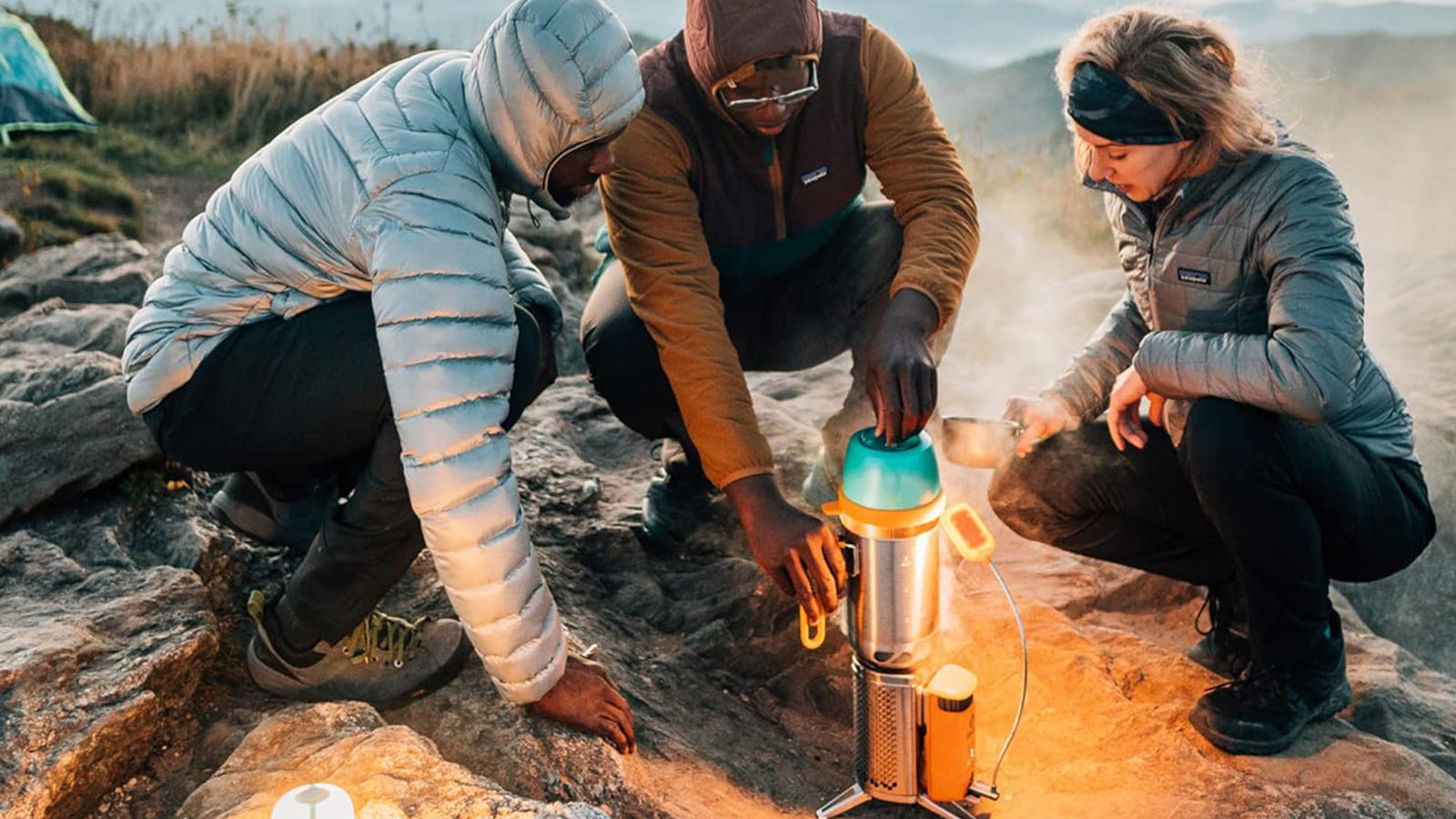
High-Tech Fabrics: From Super-Strength to Super-Comfort
Recent innovations in materials have made adventure gear lighter, more durable, and more functional. Fabrics like Dyneema, a super-strong material used in backpacks and tents, allow for incredible durability without adding weight. Additionally, Gore-Tex and eVent waterproof fabrics are more breathable than ever, offering protection from water while allowing sweat to escape, keeping adventurers comfortable.
Solar-Powered Gear: Harnessing the Sun’s Energy
In remote locations, access to electricity is limited. But with the rise of solar-powered gadgets, adventurers can now charge devices, power lights, and even run water purifiers directly from the sun’s energy. Solar panels and solar chargers are becoming a standard part of gear kits.
Lightweight and Compact Gear
As materials have become stronger, gear has also become lighter and more compact. Tents that fit into the palm of your hand, cooking stoves that weigh less than a paperback book, and folding water bottles make it possible to carry everything you need for a multi-day journey without weighing yourself down.
5. Maintenance and Care: Keeping Your Gear in Peak Condition
Gear is an investment, and like any valuable tool, it needs regular maintenance. Proper care extends the life of your equipment and ensures its performance when you need it most. Here are some tips for gear maintenance:
- Cleaning and Drying: Regularly clean your gear to prevent the build-up of dirt, mold, or mildew. Dry everything thoroughly before storing it to avoid rust and rot.
- Repairing Minor Damage: Small tears or rips in tents or backpacks can often be repaired using specialized patches. Keeping a repair kit handy is always a good idea.
- Lubrication: Metal parts like zippers, carabiners, and stove mechanisms benefit from occasional lubrication to prevent corrosion and ensure smooth operation.
6. Conclusion: Gear Up for Your Next Adventure
The right gear can make or break your outdoor adventure. When it comes to tackling tough terrain, your gear needs to be reliable, durable, and adaptable. Whether you’re hiking in the mountains, crossing deserts, or exploring dense rainforests, understanding the unique challenges each environment presents—and choosing the gear that best suits those challenges—will set you up for success.
From durable boots to innovative tech, modern adventure gear is designed to help you tackle even the toughest terrain with confidence. So, next time you head into the wild, make sure your gear is ready for anything the wilderness throws your way. Because when you’re prepared, no terrain is too tough to conquer.