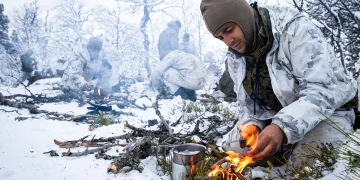













As winter tightens its grip and the temperatures plunge, many of us begin to feel the sting of the cold, whether we’re gearing up for a mountain expedition, a long winter hike, or just trying to make it through the next snowstorm. But when the temperature dips far below freezing, the difference between just surviving and thriving lies in the gear you choose. From thermal clothing to boots and even tools for emergencies, the right gear is critical in extreme conditions.
But what makes gear “extreme-cold ready”? Let’s break it down into essentials: clothing, footwear, gear, and preparedness.
1. Understanding the Extreme Cold
Before we dive into the specific gear, it’s important to define what we mean by “extreme cold.” While there’s no universally accepted temperature threshold, most experts agree that anything below 20°F (-6°C) qualifies as extreme cold. At these temperatures, exposed skin can begin to freeze in less than 30 minutes, and the risk of hypothermia increases. But it’s not just the cold that poses a danger—it’s the wind chill, the moisture in the air, and the physical strain of moving in such conditions.
2. Layering Up: The Key to Thermal Clothing
When dealing with the cold, one of the most important principles is layering. You don’t just need warmth; you need breathability, flexibility, and moisture control. Proper layering ensures that your body stays warm without overheating or sweating, which can lead to chilling.
- Base Layer: This layer wicks away moisture and keeps your skin dry. Look for merino wool or synthetic fabrics, which are excellent at moisture management and provide insulation without adding bulk.
- Insulating Layer: This is where you trap heat. Down is a popular choice because of its lightweight nature and high warmth-to-weight ratio. However, synthetic insulation (like PrimaLoft) also works well in extreme cold because it retains warmth even when wet.
- Outer Layer (Shell): The outer layer shields you from the wind, snow, and rain. A high-quality waterproof or water-resistant shell will prevent snow or rain from soaking into your layers. Look for materials like Gore-Tex for breathability and waterproofing combined.
3. The Importance of Footwear in Extreme Cold
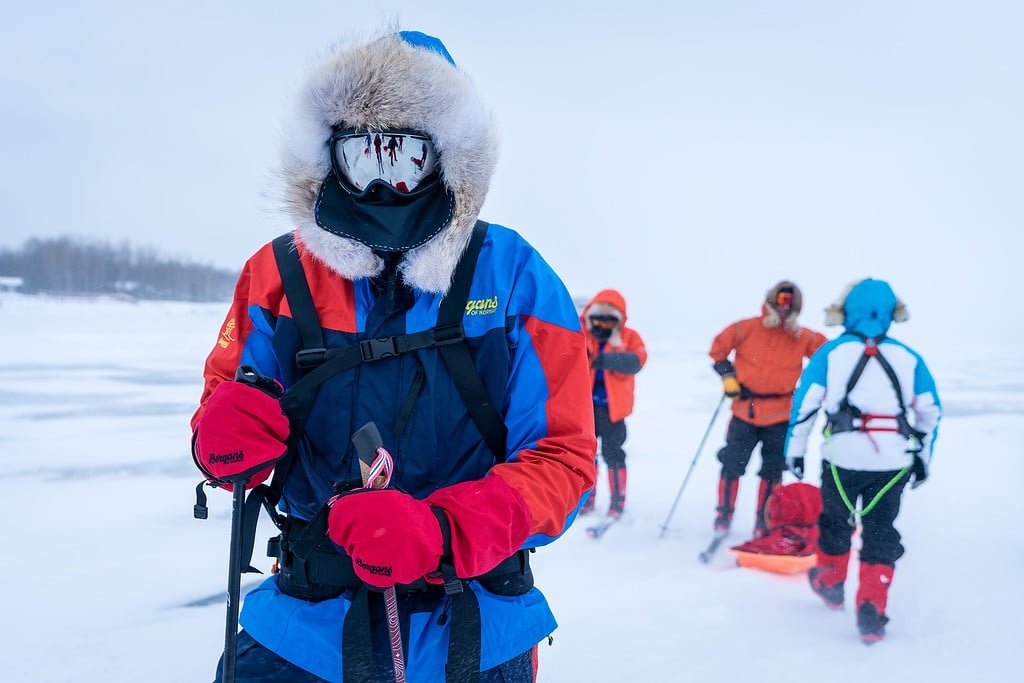
Your feet are some of the first parts of your body to feel the cold, especially if they’re wet. Cold feet are not just uncomfortable—they can be dangerous, leading to frostbite or blisters. To ensure your feet stay warm and dry, consider these key points:
- Insulated Boots: When choosing boots, go for those specifically rated for extreme cold. Look for boots with a temperature rating that reflects the conditions you’ll face. For instance, boots rated for -40°F (-40°C) or colder are ideal for extreme environments.
- Waterproofing: Wet feet are a surefire way to increase the risk of frostbite. Waterproof membranes, like Gore-Tex, keep moisture out but allow your feet to breathe.
- Thick, Moisture-Wicking Socks: Wool socks are often the best choice for extreme cold because they retain warmth even when damp. Avoid cotton socks—they hold moisture and can lead to cold feet.
- Gaiters: These are an often-overlooked piece of gear, but they can be vital for keeping snow and moisture out of your boots, especially if you’re trekking through deep snow.
4. The Role of Gloves and Hand Protection
When your fingers are cold, everything becomes more difficult. Your hands are vulnerable to frostbite in extreme conditions, and if you can’t feel your fingers, handling tools, opening food, or even fastening zippers becomes a challenge.
- Layered Gloves: Similar to your clothing, layering your gloves can provide warmth without sacrificing dexterity. Start with a moisture-wicking liner glove, followed by an insulating mid-layer glove (such as fleece), and finish with a waterproof, windproof outer glove.
- Heated Gloves: For some extreme cold scenarios, heated gloves are a game-changer. These can be powered by rechargeable batteries, providing consistent warmth.
- Hand Warmers: Disposable or rechargeable hand warmers are a small addition that can make a big difference. Tuck them inside your gloves for extra warmth during long waits or low-activity periods.
5. Headgear: Protecting Your Extremities
Your head and neck are major heat loss areas, so it’s essential to protect them from the cold. A significant portion of your body heat escapes through your head, so don’t skimp on headgear.
- Hats and Balaclavas: Wool or fleece hats are ideal for warmth, but for extreme cold, a balaclava or face mask provides full coverage, protecting your face from windburn and frostbite. Look for options that can be pulled over the face and nose.
- Neck Gaiters: These are essential in windy, snowy conditions. A good neck gaiter will protect your neck and face while allowing for airflow.
- Ear Protection: In cold winds, your ears are prone to frostbite, so ear muffs or earmuffs that fit under your helmet or hood can be a lifesaver.
6. High-Tech Gear: Go Beyond Basics
Technology has transformed outdoor gear, and in extreme cold, it’s worth investing in specialized gear that goes the extra mile. Some high-tech innovations can make a dramatic difference in your comfort and safety.

- Heated Jackets and Vests: These garments come with built-in heating elements powered by rechargeable batteries. They’re perfect for those who need to stay active in cold conditions or are working outdoors for extended periods.
- Battery-Powered Foot Warmers: Foot warmers can be slipped into your boots and powered by small batteries, providing consistent warmth during long days in the snow.
- Cold-Weather Sleeping Bags: Standard sleeping bags often aren’t sufficient for extreme cold. Specialized cold-weather bags are rated to protect you in temperatures as low as -40°F (-40°C). They’re typically more insulated, often featuring down and synthetic fills combined.
- Portable Power: In frigid temperatures, batteries can drain quickly. Carrying a portable power bank or solar-powered charger can ensure that your devices stay operational for emergencies, navigation, and communication.
7. Emergency Gear: Prepare for the Unexpected
No matter how well-prepared you are, things can go wrong in extreme conditions. It’s essential to have emergency gear on hand in case you get lost or stranded. Here are some items to always include in your extreme-cold pack:
- Emergency Shelter: A bivvy sack, emergency space blanket, or lightweight tent can protect you from the cold if you need to hunker down.
- Survival Kit: Your kit should include things like a fire starter (matches, lighters, or a ferro rod), a whistle, a multi-tool, and some form of emergency food (high-calorie bars or freeze-dried meals).
- First Aid Kit: In extreme conditions, small injuries can turn serious quickly. A comprehensive first aid kit should include bandages, antiseptics, pain relief, and other critical supplies for frostbite treatment.
- Navigation Tools: A GPS device or compass is crucial for ensuring you don’t lose your way, especially if a storm blows in.
8. Mental Preparation: A Key to Survival
While gear is critical, mental preparedness is equally important when braving extreme cold. The ability to stay calm, make smart decisions, and stay focused can make the difference between a close call and a serious emergency. When you’re out in the cold, always be prepared to turn back if conditions worsen, and don’t push yourself beyond your limits.
9. Final Thoughts: Gear Up and Stay Safe
When facing extreme cold, every piece of gear matters. From the clothing on your back to the boots on your feet, and the tools you carry, all elements must work in harmony to protect you and keep you functioning in harsh environments. The right gear, combined with knowledge of how to use it and a strong mindset, can help you conquer extreme winter conditions.