












Japan, with its rich history, stunning landscapes, and profound cultural heritage, has long been a favorite destination for travelers seeking both serenity and excitement. Among its myriad regions, Kyoto has traditionally been considered the cultural heart of the nation. Its timeless temples, ancient shrines, classical gardens, and preserved geisha districts make it an irreplaceable part of Japan’s allure. However, there is a growing sentiment among some travelers and locals that the Japanese countryside — with its tranquil rural villages, lush rice fields, mist-covered mountains, and hidden hot springs — is actually more magical than Kyoto. But why?
To understand why some prefer the countryside over Kyoto, we need to dive deep into the unique experiences each of these two places offers, and why rural Japan is gaining a reputation for being a more enchanting destination.
The Allure of Kyoto: A Snapshot of Japan’s Past
Kyoto, once the imperial capital of Japan for over a thousand years, is renowned for its cultural significance. The city is dotted with UNESCO World Heritage sites, including the iconic Kinkaku-ji (Golden Pavilion), the serene Ryoan-ji, and the sprawling Fushimi Inari Shrine, with its endless paths of vermilion torii gates. Kyoto is a city steeped in history and tradition, making it an important center of arts, religion, and philosophy.
Kyoto’s beauty is undeniable. Its temples and gardens are meticulously designed, embodying the principles of Zen Buddhism, wabi-sabi (the art of imperfection), and Shintoism. Visitors flock to the Arashiyama Bamboo Grove for photos, stroll through the Gion district hoping to spot a Geisha, and admire the cherry blossoms in spring and the vibrant autumn leaves in fall.
But amid this charm lies a certain tension — the city has become increasingly commercialized, especially in tourist-heavy areas. The crowds can be overwhelming, and the authenticity of the experience is sometimes lost in the process. Kyoto, while undoubtedly beautiful and culturally significant, can feel a bit “too perfect” at times. It’s a place where beauty is almost curated and carefully packaged for tourists.
The Rural Escape: Finding Magic Beyond the Crowds
In stark contrast, Japan’s countryside offers a quiet, untouched beauty that many believe to be more magical than the well-trodden streets of Kyoto. The rural areas of Japan, whether nestled in the foothills of the Japanese Alps or scattered throughout the remote corners of Honshu and Hokkaido, offer something that Kyoto simply cannot — a sense of peace, intimacy, and a deep connection to the land.
1. A Natural Landscape Steeped in Serenity
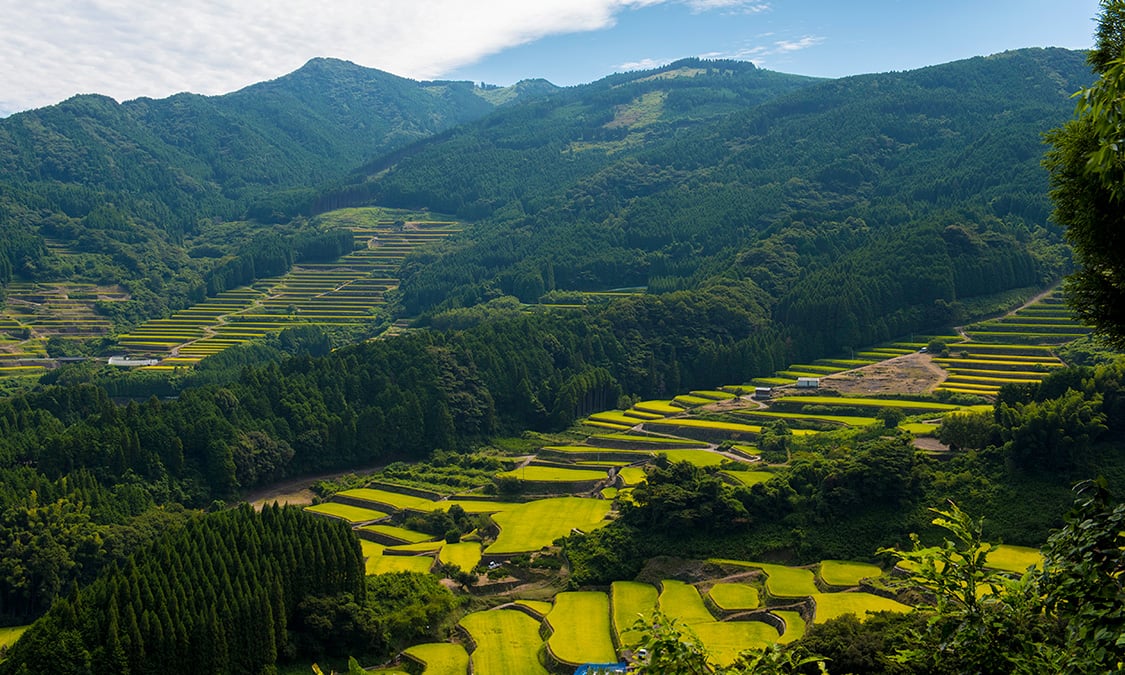
The landscapes of rural Japan are as varied as they are stunning. From the gentle slopes of rolling hills to the jagged peaks of mountains, the countryside provides an ever-changing canvas of natural beauty. Unlike Kyoto’s more manicured gardens, the natural beauty of the countryside feels wild and untamed, offering a sense of authenticity and purity that’s hard to replicate.
Whether it’s the rice paddies that stretch endlessly across the plains, the pristine lakes tucked away in mountain valleys, or the thick forests where one can lose themselves in the shadows of towering trees, rural Japan exudes a magic that feels organic and real. This landscape has been home to traditional agricultural practices for centuries, and the harmony between nature and human habitation is evident in the way villages are integrated into the environment.
2. A Window into Rural Traditions
In rural Japan, the pace of life is slower, more deliberate, and deeply connected to the cycles of nature. Villages often maintain traditional methods of farming, handcrafts, and festivals that have been passed down for generations. Unlike the bustling streets of Kyoto, where modernity often clashes with tradition, the countryside offers a chance to see history in action.
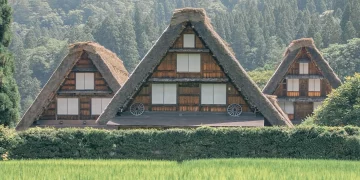
For example, in areas like Shirakawa-go, a UNESCO World Heritage site, the distinctive gassho-zukuri farmhouses, with their steep thatched roofs, stand as monuments to the ingenuity of the rural people who built them to withstand the harsh winter snows. Villages like this offer visitors a chance to experience the old ways of life — from participating in rice planting festivals to exploring local markets filled with handmade goods and seasonal produce.
3. The Enchantment of Rural Villages
Unlike Kyoto, where the focus is often on grand historical landmarks and temples, rural villages provide a more intimate experience. In these areas, it’s not uncommon to walk into a small family-run shop and chat with the owner, who may invite you to try some homemade pickles or freshly harvested vegetables. The sense of hospitality in the countryside is warm and genuine — a stark contrast to the sometimes commercialized atmosphere of the city.
Moreover, rural Japan offers opportunities for cultural immersion that are simply not possible in Kyoto. Visitors can stay in traditional ryokan inns in remote villages, where they can experience the warmth of a tatami room, the simplicity of Japanese cuisine, and the calming effects of a hot spring bath under the stars. These experiences are designed not for tourists, but for locals — making them feel more authentic and special.
4. The Spiritual Connection with Nature
One of the most compelling reasons that rural Japan feels so magical is the deeply spiritual connection that many locals have with the land. Shintoism, the indigenous religion of Japan, emphasizes the belief that nature is sacred and that spirits (kami) inhabit everything from trees and rivers to mountains and rocks. This belief is reflected in the rural areas, where nature is not just a backdrop to life, but an integral part of daily existence.
Many rural shrines are tucked away in forests or on mountaintops, and visiting these shrines offers a profound sense of solitude and connection with nature. The journey to these shrines is often as meaningful as the destination itself — a peaceful hike through the woods, accompanied by the sounds of birds chirping and the rustling of leaves in the wind.

5. The Appeal of Silence and Solitude
Perhaps one of the most magical elements of the Japanese countryside is the silence. Away from the noise and hustle of the cities, the countryside offers a rare kind of solitude that is hard to find in the modern world. It’s not just a physical silence; it’s a mental and emotional quietude that allows travelers to reflect, rejuvenate, and disconnect from the pressures of daily life.
This silence can be profoundly transformative. For those seeking peace, whether for personal reflection, meditation, or simply to escape the frenetic pace of modern life, the countryside offers an unmatched experience of tranquility. The absence of loud crowds, traffic, and advertisements creates an atmosphere of purity — a natural antidote to the overstimulation that often comes with tourist hotspots like Kyoto.
A Personal Journey: Finding Magic in the Countryside
The magic of the Japanese countryside is subjective, of course, and each traveler’s experience is unique. For some, Kyoto’s grandeur and historical significance are irreplaceable. But for others, the understated beauty and serene landscapes of rural Japan offer something even more profound. It’s the magic of quiet moments spent with nature, the thrill of discovering forgotten villages, and the joy of connecting with a slower, simpler way of life.
There’s something timeless about the rural areas of Japan that makes them feel like a step back into a forgotten past, where the wisdom of nature and the simplicity of life still reign supreme. For those who seek beauty without the crowds, history without the commercialization, and peace without the distractions, rural Japan offers an experience that is nothing short of magical.
Conclusion: A Tale of Two Japans
Kyoto will always hold a special place in the hearts of those who admire its historical grandeur and cultural richness. But for those seeking a deeper, more personal connection to Japan — one that is rooted in nature, tradition, and simplicity — the countryside is a place that can offer an experience that’s even more magical. Its untouched landscapes, timeless traditions, and profound sense of peace provide a kind of magic that Kyoto, with its carefully curated beauty, can’t quite match.
So, while Kyoto remains an essential part of any journey to Japan, it’s worth considering the quieter, lesser-known corners of the country — where the real enchantment lies hidden, waiting to be discovered.