












Antarctica, the coldest, driest, and most remote continent on Earth, has long been a place that fascinates adventurers and explorers. Often referred to as the “final frontier” for extreme travelers, it offers a unique mix of challenges and rewards that few other destinations can match. Unlike the rugged mountains of the Himalayas or the vast deserts of the Sahara, Antarctica’s isolation and harsh environment make it a distinct test of endurance, skill, and resilience.
In this article, we will explore why Antarctica has become the ultimate destination for those seeking the ultimate travel challenge. From its extreme conditions to its surreal beauty, we’ll delve into the factors that make this icy continent an irresistible attraction for the world’s most daring travelers. So, is Antarctica truly the final frontier? Let’s explore.
1. The Allure of the Unknown
Since the earliest expeditions, Antarctica has captivated the human imagination. The idea of venturing into a place that is as much a blank canvas as it is a terrifying wasteland resonates with many extreme travelers. Unlike other continents, Antarctica remains one of the last truly unexplored regions of the world. Only about 1% of the land is covered by human infrastructure, and most of its terrain is inaccessible to ordinary travelers.
The continent is also devoid of permanent residents—aside from scientists at research stations. Its geographical location at the bottom of the world, combined with its unforgiving weather, creates an aura of mystery. The very fact that it is so difficult to reach adds to its mystique. Antarctica is the ultimate playground for those who want to test their physical limits while experiencing one of the last truly wild frontiers.
2. Extreme Weather Conditions
Antarctica’s weather is perhaps its most defining characteristic. It is the coldest place on Earth, with temperatures that can drop below -100°F (-73°C) during the winter months. The wind is brutal, and blizzards can strike without warning. The long polar nights make navigation difficult, and during summer, the sun doesn’t set for months, creating a disorienting sense of time.

For extreme travelers, these conditions present a challenge unlike any other. You’re not just battling the elements—you’re battling your body’s limits. In these freezing temperatures, frostbite and hypothermia are constant threats. The remote location means that rescue is often impossible, and the slightest mistake could be fatal. Surviving in such an environment requires expert planning, the best equipment, and an unwavering will to survive.
However, for those who do brave these conditions, the rewards are extraordinary. The surreal beauty of the ice-covered landscapes, the towering glaciers, and the pristine, untouched wilderness is unlike anything else on Earth. For many, the challenge is as much about the journey as it is about the destination.
3. The Challenge of Physical Endurance
Antarctica pushes extreme travelers to their physical limits in ways few other places can. Whether it’s a trek across the vast, empty expanses of the Antarctic Plateau or a daring ski expedition to the South Pole, the physical demands of exploring this frozen land are unparalleled.
Travelers in Antarctica often engage in activities such as skiing, ice climbing, and polar expeditions, all of which require rigorous physical preparation. For instance, the 1,000-mile journey to the South Pole involves not only battling the cold but also dragging heavy sledges, navigating treacherous terrain, and enduring physical exhaustion.
One of the most challenging aspects of Antarctic expeditions is the sheer isolation. The lack of contact with the outside world—combined with the physical toll—can break even the most experienced adventurers. The mental endurance required is just as demanding as the physical strain. There are no comfort breaks, no easy days, and no guarantees.
4. The Technological and Environmental Challenges
Surviving in Antarctica requires the latest technology and equipment. From advanced clothing designed to keep explorers warm and dry, to satellite communication devices for emergency contact, the technology used in Antarctic expeditions is both highly specialized and expensive. Without the right gear, a journey to Antarctica could end in disaster.
One of the most significant technological advancements in recent years has been the development of lightweight, durable tents that can withstand hurricane-force winds. Other essential tools include GPS devices for navigation, and sophisticated weather prediction tools to anticipate the sudden changes in the weather that can make travel life-threatening.
But it’s not just the technology that poses a challenge. The environmental conditions themselves are incredibly demanding. The continent’s extreme cold makes it difficult to keep engines running, and snow can easily block access routes, making travel slow and perilous. In addition, the lack of natural resources on the continent means that supplies need to be carefully managed. It is not uncommon for expeditions to run into logistical issues that threaten to derail their progress.
5. Wildlife and Ecosystem
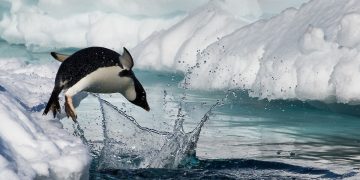
Despite its harsh environment, Antarctica is home to a surprising variety of wildlife. Penguins, seals, and whales are the most famous residents, and many travelers are drawn to the continent specifically to witness these animals in their natural habitat. The experience of seeing a massive colony of emperor penguins or a group of humpback whales breaching the icy waters is something few will forget.
However, the wildlife of Antarctica also plays a role in its allure for extreme travelers. For example, many expeditions involve a combination of hiking, skiing, and wildlife observation. Travelers often take part in scientific research activities, helping monitor animal populations and environmental changes. The interaction with nature in such a remote, pristine location is part of the appeal for many who seek to engage with the environment in its most untouched form.

6. Climate Change and Ethical Considerations
Antarctica’s vulnerability to climate change has brought the continent into global focus. The melting of ice sheets and the rise in sea levels are of great concern to scientists. As such, the impact of human activities, including tourism and scientific research, is closely monitored. While extreme travelers seek to push boundaries, there is a growing awareness of the need to protect this fragile ecosystem.
Ethical concerns surrounding tourism and exploration are an important consideration. The Antarctic Treaty System, which governs international activities on the continent, sets strict guidelines on preserving the environment and ensuring that human activity does not harm the ecosystem. These include restrictions on how many people can land at a time, requirements for environmental cleanup, and strict guidelines on wildlife protection.
For extreme travelers, the responsibility is clear: pushing boundaries doesn’t mean disregarding the environment. Many who visit Antarctica are motivated by a desire to preserve its pristine condition, understanding that their experiences are fleeting, and the ecosystem is more fragile than it appears.
7. The Future of Extreme Travel in Antarctica
As technology advances and more people gain access to Antarctica, the future of extreme travel in this region seems both promising and uncertain. While the allure of Antarctica remains undiminished, there is a growing need for sustainable tourism practices. Will Antarctica remain a remote, untouched frontier for explorers, or will it become more accessible to a wider audience?
One thing is clear: the extreme travelers of today and tomorrow will continue to push the boundaries of what’s possible in this remote land. The challenge, both physical and mental, will always attract those who seek the ultimate adventure. But as more people flock to Antarctica, the delicate balance between exploration and preservation will need to be carefully maintained.
Conclusion: The Final Frontier
Antarctica represents the ultimate challenge for extreme travelers. Its harsh climate, rugged terrain, and isolation offer an unparalleled opportunity for adventure. However, this frontier is not without its difficulties. Travelers must contend with not just physical endurance, but also the technological and environmental challenges that make exploration of this icy continent a dangerous and difficult pursuit.
For those who are willing to face these challenges, the rewards are unmatched. Antarctica remains one of the most mysterious and awe-inspiring places on Earth—a true test of the human spirit. Whether it’s the isolation, the beauty, or the wildlife, Antarctica’s allure as the final frontier for extreme travelers is undeniable.
As more adventurers seek to conquer this remote and frozen land, they must remember that exploration comes with responsibility. The preservation of Antarctica’s fragile environment is as much a part of the adventure as any personal triumph over the elements. In the end, the true spirit of adventure is not just about pushing the limits of what’s possible, but also about ensuring that the land we conquer remains as pristine and untouched as possible for generations to come.