












In recent years, there has been a noticeable shift in the way people choose their vacation destinations. While bustling cities and high-end resorts once dominated travel itineraries, a growing number of travelers are seeking something different: remote villages. These lesser-known gems, tucked away in the countryside, mountains, or along serene coastlines, are becoming the go-to spots for those looking to escape the frenetic pace of urban life. But what is driving this trend? Why are more and more people opting for the tranquility of rural villages instead of the hustle and bustle of major metropolitan areas? In this article, we will explore the reasons behind this shift and the appeal of remote villages as a travel destination.
The Allure of Peace and Quiet
One of the most compelling reasons why people are flocking to remote villages is the sense of peace and quiet they offer. Major cities, no matter how glamorous or exciting, are often characterized by their noise, crowds, and constant activity. The roar of traffic, the hum of neon lights, and the ever-present buzz of digital devices can feel overwhelming, especially for those seeking a break from their daily grind. Remote villages, by contrast, offer an environment where the only sounds are the chirping of birds, the rustling of leaves, and the gentle flow of nearby streams.
For many, the appeal of a quiet getaway lies in the ability to disconnect from the chaotic energy of urban life. Rural villages provide an escape from the digital noise and allow individuals to recharge, enjoy nature, and reflect in peace. This is a retreat from not just physical noise but mental clutter, which is becoming increasingly valuable in today’s fast-paced world.
Authentic Cultural Experiences
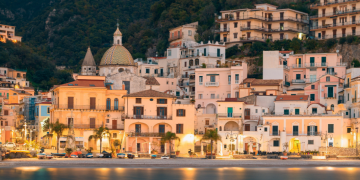
Unlike the globalized nature of cities, where everything from architecture to cuisine is often standardized, remote villages offer a window into authentic local cultures. Whether it’s a small fishing village in the Mediterranean, a mountain hamlet in the Swiss Alps, or a remote town in Southeast Asia, these villages are often steeped in centuries-old traditions and practices. Visitors can experience cultural elements that are not only unique to the region but also still actively preserved and practiced by the locals.

From handcrafts to regional cuisines, remote villages provide an opportunity to engage with local heritage in a more personal and genuine way. Many travelers are looking for experiences that go beyond the superficial, and the authenticity of village life offers a more intimate connection to the places they visit. Whether it’s learning how to cook a traditional dish, participating in a local festival, or simply spending time with residents who have lived in the area for generations, remote villages offer a deeper, more meaningful travel experience.
Connection to Nature
The rise of eco-tourism and the increasing desire for sustainable travel are also contributing factors in the popularity of remote villages. These locations are often in areas of outstanding natural beauty—untouched landscapes that offer a chance to connect with the earth in a way that is impossible in a busy city. Whether it’s hiking in the mountains, swimming in crystal-clear lakes, or simply enjoying a sunrise from a remote cottage, the close proximity to nature is a major draw.
Many travelers are increasingly aware of the environmental impact of their vacations, and remote villages provide a more sustainable alternative to the carbon-heavy tourism industry centered around cities and resorts. These rural areas often boast eco-friendly accommodations, local farming, and efforts to preserve their natural environments. By choosing to visit these areas, travelers can enjoy the benefits of tourism while minimizing their environmental footprint.
A Slower, More Fulfilling Pace of Life
Another appeal of remote villages is the slower pace of life. Cities, with their endless to-do lists, meetings, and social obligations, can often leave travelers feeling stressed and drained. In contrast, life in a remote village tends to move at a more leisurely and relaxed pace. This slower rhythm allows people to truly unwind, enjoy their surroundings, and reconnect with themselves.
Many visitors find that this shift in tempo enables them to experience life in a more fulfilling way. The pressure to keep up with a fast-paced urban lifestyle is replaced by an emphasis on simple pleasures—whether that’s enjoying a homemade meal, taking long walks through the countryside, or spending time with loved ones. This slower pace allows for more meaningful moments, offering a sense of tranquility and mindfulness that can be hard to find in a bustling city.
Digital Detox and Escape from the Constant Connection
The rise of remote work and the 24/7 connectivity that comes with it has led many individuals to seek an escape from their constant digital connections. Cities, with their ubiquity of Wi-Fi and cellular signals, can feel like an extension of the office. In contrast, remote villages, often located in areas with limited or no mobile service, provide an opportunity for a true “digital detox.”
For some travelers, this disconnect is precisely what they are seeking. The freedom from emails, social media, and the constant ping of notifications allows them to be present in the moment and truly focus on the experience at hand. In a world where constant connectivity has become the norm, the chance to unplug and recharge is a luxury that many people are willing to pay for.
Affordable and Less Crowded
It is no secret that major cities—especially popular tourist destinations—can be prohibitively expensive. High hotel rates, expensive dining options, and pricey tourist activities can make a trip to a city feel like a financial strain. In contrast, remote villages often offer more affordable accommodations, local food at reasonable prices, and a less crowded atmosphere.
Traveling to less popular destinations also means fewer tourists, which not only enhances the authenticity of the experience but also makes for a more relaxed visit. Visitors to remote villages often find that they can enjoy popular activities—such as hiking, sightseeing, or simply relaxing on a beach—without having to deal with large crowds. This sense of exclusivity, combined with the affordability of rural areas, makes them an attractive alternative to city breaks.
Opportunities for Adventure and Exploration
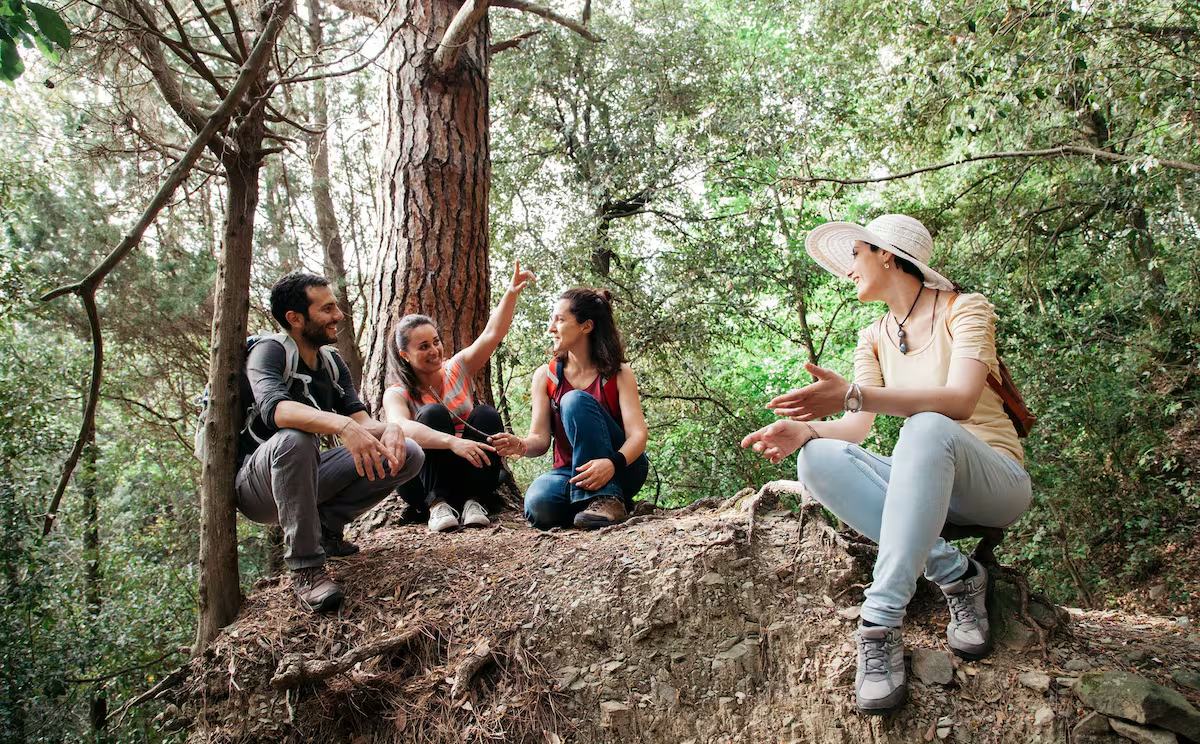
While cities are often associated with sightseeing and cultural experiences, remote villages offer opportunities for a different type of adventure—one that is more immersive and connected to the environment. Hiking through untouched forests, exploring hidden caves, or kayaking along remote coastlines are just a few of the activities that rural destinations can offer. For the adventurous traveler, remote villages provide a chance to experience nature and outdoor activities in their purest form.

Many remote villages are located in regions with rich ecosystems, allowing travelers to explore unique landscapes and wildlife that are often absent in cities. Whether it’s birdwatching in remote wetlands or skiing in mountain villages, these locations provide a perfect base for those looking for an active, nature-based adventure. Additionally, because these locations are less developed, they offer a sense of exploration and discovery that is hard to come by in more tourist-heavy areas.
The Appeal of Authentic Hospitality
In major cities, hospitality can sometimes feel impersonal or transactional. High-end hotels and resorts may offer luxury, but they often lack the warmth and personal touch of a small village guesthouse. In contrast, remote villages often boast small, family-run accommodations, where the hosts go out of their way to ensure a welcoming and personal experience. Guests are more likely to interact with the owners or local staff, who are eager to share their knowledge of the area and make visitors feel like part of the community.
This authentic hospitality creates a sense of belonging and connection that is often missing in larger, more commercialized destinations. The personal touch of village-based accommodations can make visitors feel more at home and provide a more intimate and fulfilling travel experience.
A Rise in Remote Working
The COVID-19 pandemic and the subsequent rise of remote work have made it easier for people to work from virtually anywhere. As remote work becomes more common, the idea of “working from anywhere” has gained popularity. Many people are now choosing to take extended trips to remote villages, where they can enjoy the beauty and tranquility of rural life while continuing to work remotely.
This flexibility has allowed people to travel to destinations that were once considered impractical for work, including remote villages. The ability to spend a few weeks or even months in a quiet, beautiful setting while still maintaining a work schedule is an enticing option for many professionals. In fact, some villages have even started to cater specifically to digital nomads, offering high-speed internet and comfortable workspaces for those looking to combine work and travel.
Conclusion
The growing trend of choosing remote villages over major cities for getaways reflects a deeper shift in the way people value travel experiences. While cities remain hubs of culture, commerce, and excitement, the appeal of remote villages lies in their authenticity, tranquility, and connection to nature. These destinations offer travelers the chance to escape the stresses of modern life, reconnect with themselves, and experience local cultures in a more genuine and personal way. As people continue to seek meaningful travel experiences, it seems likely that the allure of remote villages will only continue to grow.