












When it comes to sports, performance is often dictated by a combination of skill, dedication, and, yes—gear. While athletes spend countless hours refining their techniques, many overlook the importance of selecting the right equipment. Whether you’re a casual runner, a weekend warrior, or a competitive athlete, choosing the correct gear isn’t just about comfort—it’s a matter of performance, safety, and longevity.
The Science Behind Sport-Specific Gear
Each sport has unique requirements, and the gear designed for that activity is tailored to meet specific needs. The role of sport-specific equipment is simple: it supports optimal performance and minimizes the risk of injury. Imagine running a marathon in basketball shoes. It’s doable, sure, but you wouldn’t be getting the kind of support or comfort that running shoes provide. The right gear ensures that athletes can perform at their peak while staying safe and comfortable.
To get the most out of your sport, it’s important to match your gear with the physical demands of the activity. Gear is not just a luxury; it is a critical element in how well you perform.
Footwear: The Foundation of Performance
Running Shoes
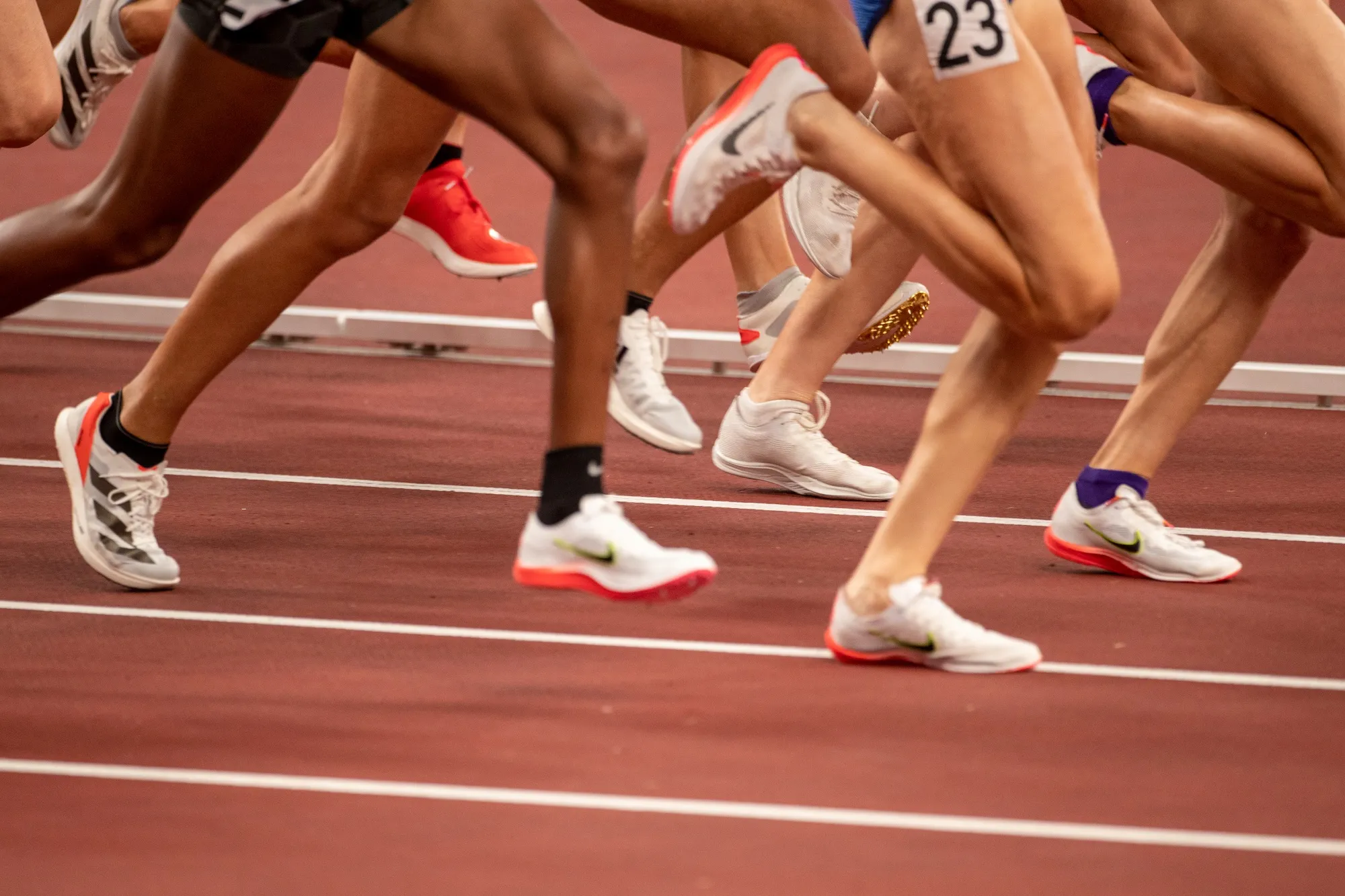
Running shoes are one of the most important pieces of equipment for runners, and their significance goes beyond just comfort. They’re designed to accommodate various types of running, from short sprints to long-distance marathons. Shoes vary by cushioning, arch support, and the type of terrain they’re designed for. If you have flat feet, a stability shoe will offer support to prevent your feet from rolling inward. If you’re a minimalist runner, you might opt for shoes that allow more natural movement, such as barefoot shoes.
Football Cleats
Football cleats are engineered to give athletes traction on grass or turf fields. The unique stud design of cleats ensures better grip and helps prevent injury during sudden directional changes. Without cleats, players are more likely to slip, especially in high-impact sports like football, where quick, sharp movements are common.
Basketball Shoes
Basketball shoes have a high ankle design to protect players from sprains during the constant jumping and pivoting that the sport demands. These shoes often feature additional cushioning and support for lateral movement. Whether you’re playing for fun or competing at a high level, basketball shoes can be the difference between a successful game and an injured ankle.
Protective Gear: Safety First
Helmets (Cycling, Football, Hockey)
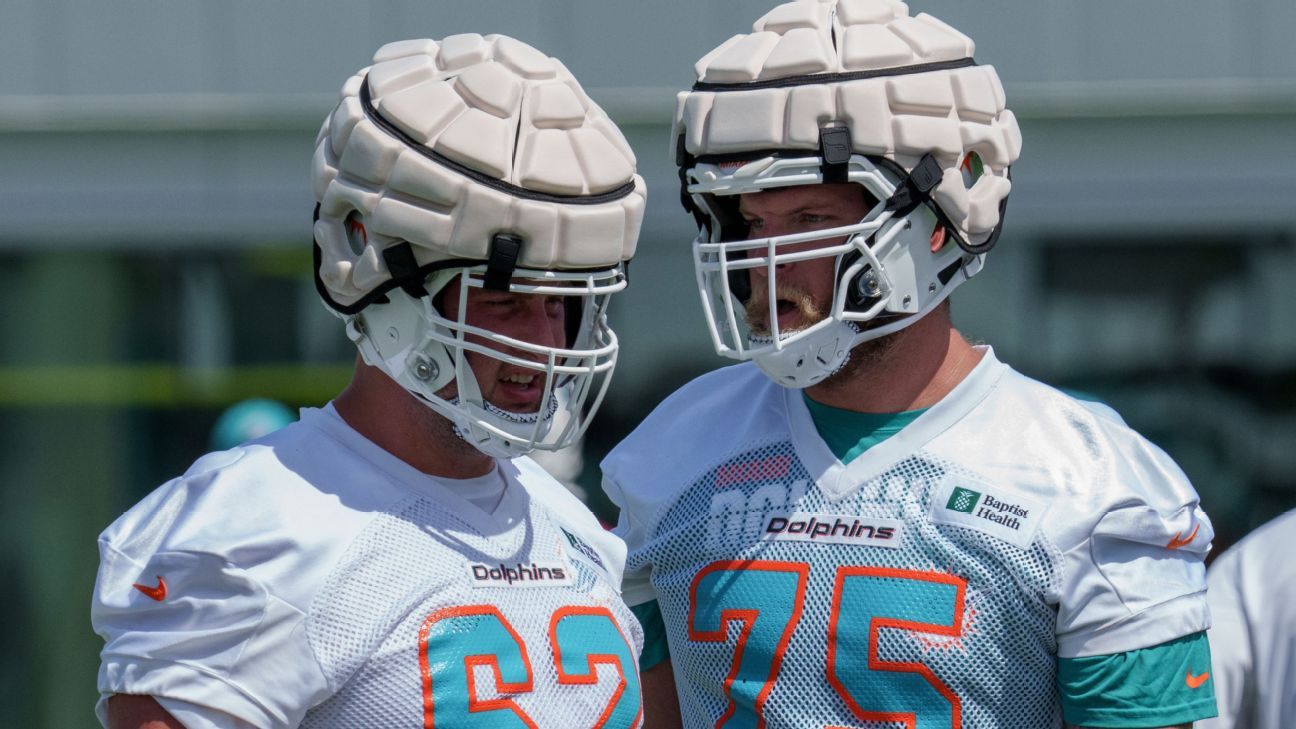
Protecting the head is one of the most important aspects of sports safety, and helmets are a must in high-impact sports like cycling, football, and hockey. A helmet’s primary function is to absorb the shock of impact and prevent serious head injuries. While no helmet can prevent every injury, a properly fitting helmet significantly reduces the risk of concussion or worse.
For athletes, it’s not just about wearing a helmet—it’s about wearing the right one. The proper fit is essential to ensure that the helmet stays in place during sudden impacts. And helmets should be replaced every few years, as their materials degrade over time.
Knee Pads and Elbow Guards (Skating, Roller Derby)
Whether you’re into skateboarding, roller derby, or skiing, knee pads and elbow guards are essential pieces of protective gear. They act as a shield during falls and scrapes, absorbing the force and minimizing the risk of serious joint injuries. When choosing knee and elbow protection, make sure they’re designed to fit snugly, as ill-fitting pads can impede your movement and reduce their effectiveness.
Mouthguards (Boxing, Martial Arts, Hockey)
In sports like boxing, martial arts, and hockey, where physical contact is frequent, mouthguards are essential for protecting your teeth, gums, and jaw. They absorb impact and protect against fractures, dislocations, and cuts to the mouth and face. Custom-fitted mouthguards provide the best protection, as they mold specifically to the contours of your teeth, offering a higher level of comfort and protection than stock varieties.
Apparel: Comfort Meets Performance
Compression Gear
Compression gear is becoming increasingly popular in many sports due to its performance-enhancing properties. Compression shorts, sleeves, and socks are designed to apply gentle pressure to the muscles, which can help improve blood circulation, reduce muscle fatigue, and speed up recovery. Many athletes wear compression gear during training or competition for added support.
Moisture-Wicking Fabrics
In any sport, staying dry and comfortable is essential. Sweat can cause discomfort and irritate the skin, so moisture-wicking fabrics—used in everything from running shirts to soccer jerseys—help keep athletes dry by pulling moisture away from the skin. Fabrics like polyester and nylon are popular choices for this purpose, as they are lightweight, breathable, and quick-drying.
Weather-Resistant Clothing
For outdoor sports, gear designed to protect you from the elements is crucial. Windbreakers, waterproof jackets, and thermal layers can make the difference between a comfortable workout and an unpleasant one. Whether you’re hiking in the rain or skiing in sub-zero temperatures, the right outerwear can protect you from the elements while maintaining freedom of movement.
Sport-Specific Equipment
Tennis Rackets
For tennis players, the racket is the most important piece of equipment, and its design influences power, control, and comfort. Factors like racket weight, head size, grip size, and string tension all contribute to how a racket performs. A heavier racket provides more control, while a lighter racket offers better maneuverability and speed. The key to finding the right tennis racket is to match it with your playing style and skill level.
Golf Clubs
Just as tennis players must choose the right racket, golfers need to pick the right clubs for their swing style and preferences. Golf clubs come in various shapes, lengths, and materials, and choosing the right combination can vastly improve your performance on the course. Drivers, irons, wedges, and putters each serve specific functions. For instance, drivers are built for distance, while putters focus on accuracy.
Ski Equipment
Skiing is a sport where having the right gear is not just important—it’s necessary for safety. Ski boots should fit snugly to ensure proper control over your movements on the slopes. The skis themselves should match the skier’s experience level, with beginners opting for shorter, more forgiving skis and experienced skiers choosing longer skis for speed and control. Ski poles, goggles, and appropriate outerwear all play a role in enhancing performance and ensuring safety.
Technology: The Future of Gear
Smart Wearables
Technology is playing an increasingly important role in sports equipment. Wearable devices, such as fitness trackers and smartwatches, provide athletes with valuable insights into their performance. Heart rate monitors, for example, help runners or cyclists stay within their optimal training zones, while GPS trackers offer real-time data on speed, distance, and route. In sports like tennis, there are even smart rackets that track the speed and spin of the ball, offering players real-time feedback on their performance.
Performance Sensors
In elite sports, even the smallest advantage matters. Performance sensors are used to analyze every aspect of an athlete’s technique. Whether it’s a bat with embedded sensors to measure swing speed or shoes that track running form, these devices offer instant feedback, helping athletes adjust their technique for peak performance.
Why the Right Gear Matters: Enhancing Performance and Preventing Injury
Using the right gear isn’t just a matter of comfort; it’s about maximizing performance and minimizing injury. The physical demands of each sport are unique, and gear designed specifically for those activities ensures that athletes can perform at their best.
For example, in contact sports like football and rugby, protective gear like shoulder pads and helmets are necessary to prevent serious injuries, while in sports like cycling, the right helmet, clothing, and shoes are critical for comfort and safety.
Injuries, whether small or severe, can hinder an athlete’s progress and lead to long-term issues. Wearing the appropriate gear reduces the likelihood of injuries by providing necessary support, protection, and comfort. Choosing the right equipment based on your sport and individual needs ensures you’ll stay safer and perform better.
Final Thoughts: Investing in Your Gear
Investing in the right gear can make a world of difference in your performance, safety, and overall enjoyment of your sport. While it may be tempting to purchase the cheapest or most stylish gear, it’s important to prioritize function over form.
When selecting gear, make sure to consider the following:
- Your specific needs: Are you a beginner or an advanced athlete? Do you need extra support or padding?
- Fit and comfort: Ill-fitting gear can hinder your performance and increase the risk of injury.
- Quality and durability: Choose gear that is designed to last, even if it costs a little more.
Ultimately, the right gear helps you perform at your best while keeping you safe. So, before you lace up your shoes or grab your racket, take a moment to assess whether you’re using the gear that will set you up for success.