








Transylvania, a region in the heart of Romania, is often synonymous with the legendary vampire Count Dracula. Thanks to Bram Stoker’s famous novel, this dark and mysterious place has captivated the imaginations of millions. However, there is far more to Transylvania than just its connection to folklore. With its rich history, picturesque landscapes, medieval castles, and vibrant culture, Transylvania offers a variety of experiences that appeal to travelers seeking beauty, adventure, and authentic encounters with the past.
In this article, we will explore what makes Transylvania an intriguing destination beyond the Dracula legend. From its medieval cities and historical landmarks to the natural wonders and unique traditions that thrive in this corner of Europe, Transylvania is a place where history, nature, and culture intertwine in fascinating ways.
1. Rich Medieval Heritage
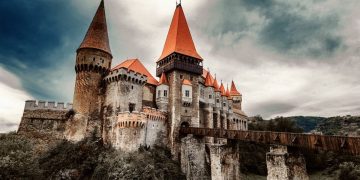
Transylvania is often called a “land of castles” – and it’s no wonder. The region boasts a stunning collection of medieval fortresses, citadels, and castles that bear witness to its complex and tumultuous past. Many of these sites are wonderfully preserved, offering a glimpse into the region’s history of warfare, governance, and cultural exchange.
Brasov: A Step Back in Time
The city of Brasov, often considered the gateway to Transylvania, is a prime example of the region’s medieval charm. The city’s Old Town is a maze of cobblestone streets, historic buildings, and fascinating landmarks. The Black Church, a Gothic masterpiece dating back to the 14th century, stands proudly in the center, its dark, imposing facade offering a striking contrast against the vibrant square that surrounds it.
Brasov’s Council Square is lined with colorful merchant houses and outdoor cafes, providing a perfect spot to soak up the local atmosphere. The city’s location, nestled between the Carpathian Mountains, adds to its appeal as a destination rich in history and natural beauty.
Sighisoara: Birthplace of Vlad the Impaler
Transylvania’s medieval charm can be experienced in Sighisoara, one of the best-preserved fortified towns in Europe. Sighisoara is famous for being the birthplace of Vlad the Impaler, the real-life inspiration behind the character of Count Dracula. While the town’s connection to Dracula is often a focus, the UNESCO-listed historic center is a treasure trove of medieval architecture, with narrow alleys, colorful buildings, and ancient defensive walls.
The Sighisoara Citadel, perched on a hilltop, offers sweeping views of the town below. Visitors can explore its cobblestone streets, visit the Clock Tower Museum, and ascend the Church on the Hill for a panoramic view of the surrounding landscape.
2. A Land of Myth, Legend, and Folklore
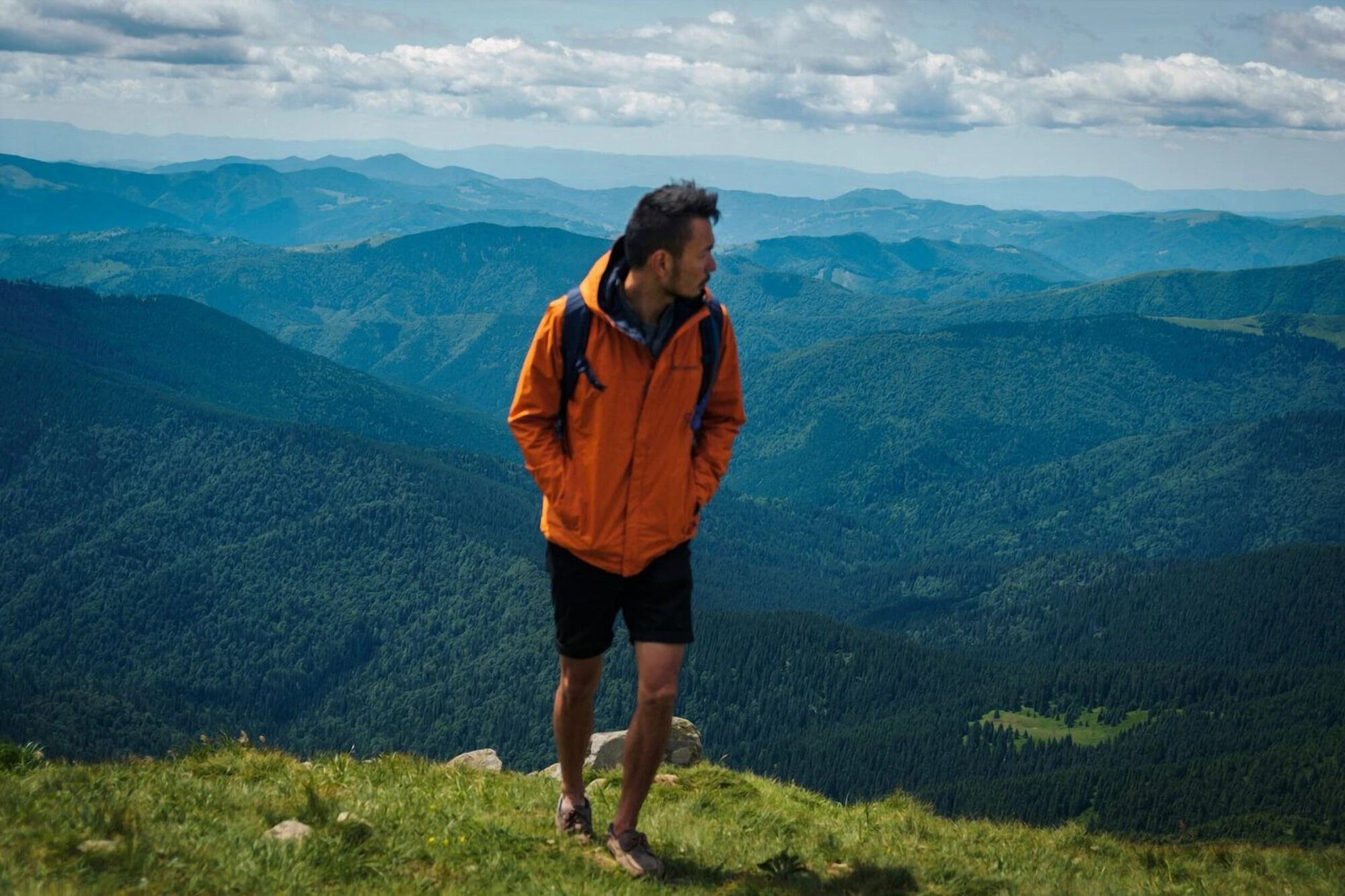
While the Dracula legend may be the most famous, Transylvania is steeped in a rich tapestry of myths and folklore that have been passed down through generations. The Carpathian Mountains, with their mist-covered peaks and remote valleys, provide the perfect backdrop for tales of magical creatures, haunted forests, and ancient rituals.
The Legend of the Strigoi
Beyond Dracula, Transylvania is home to the legend of the Strigoi, shape-shifting creatures that are believed to rise from their graves to haunt the living. In Romanian folklore, the Strigoi are similar to vampires but also possess other supernatural abilities. Some believe they can control the weather or bring misfortune to families. The belief in the Strigoi is still prevalent in rural Transylvania, where locals perform rituals to ward off these malevolent spirits.
The Dacian Connection
Transylvania is also deeply connected to the ancient Dacians, the people who inhabited the region before the Roman conquest in 106 AD. The Dacian fortresses in the Orăștie Mountains are a UNESCO World Heritage site and are considered one of the most important archaeological sites in Romania. The Dacians were known for their advanced culture, and their fortresses, built on mountain tops, were strategically designed to defend against invaders.
Visitors to the Dacian fortresses can hike through dramatic landscapes and explore the ruins of these ancient structures. The site offers a fascinating glimpse into the pre-Roman history of Transylvania.
3. Breathtaking Natural Beauty
Transylvania is not just a place for history buffs; it’s also a paradise for nature lovers. Surrounded by the Carpathian Mountains, the region is home to pristine forests, cascading waterfalls, and crystal-clear lakes. Whether you enjoy hiking, wildlife watching, or simply soaking in the serene landscapes, Transylvania’s natural beauty is hard to beat.
The Carpathian Mountains
The Carpathians are the backbone of Transylvania, offering a stunning backdrop to the region. With jagged peaks, deep valleys, and expansive forests, these mountains are a haven for outdoor enthusiasts. Hiking trails abound, ranging from gentle strolls to more challenging climbs for the adventurous traveler. The mountains are also home to some of Europe’s most elusive wildlife, including brown bears, wolves, and lynxes.
The Piatra Craiului National Park
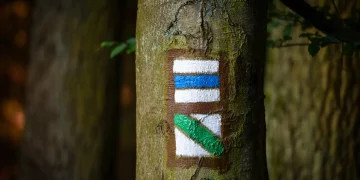
One of the most iconic areas of natural beauty in Transylvania is Piatra Craiului National Park. Known for its dramatic limestone cliffs, the park offers spectacular views and a variety of outdoor activities. The park is a popular destination for hiking, mountaineering, and birdwatching. The trails are well-marked, and the diverse flora and fauna make it a paradise for nature lovers.
The Transfagarasan Highway
For those who love a good scenic drive, the Transfagarasan Highway is a must-see. Often referred to as one of the most beautiful roads in the world, this serpentine route winds through the Fagaras Mountains, offering breathtaking views at every turn. The road reaches altitudes of over 2,000 meters, passing glacial lakes, waterfalls, and lush forests.
4. Vibrant Culture and Traditions
Transylvania’s culture is a unique blend of Romanian, Hungarian, Saxon, and other ethnic influences, resulting in a rich and diverse cultural landscape. The region is famous for its folk traditions, art, and cuisine, which reflect its long history of multicultural interaction.
Folk Music and Dance
Music plays a central role in Transylvanian culture, with a rich tradition of folk music that has been passed down for centuries. In rural areas, traditional instruments like the violin, accordion, and cimbalom are still played at weddings, festivals, and celebrations. Local dances, such as the hora and sârba, are lively and colorful, often performed in large groups during festivals and community gatherings.
Traditional Cuisine
Transylvanian cuisine is hearty and flavorful, with influences from Hungary, Austria, and the Balkans. The region is known for its rich stews, sausages, and hearty soups. One of the most famous dishes is sarmale, cabbage rolls stuffed with minced meat and rice, often served with sour cream and polenta. For those with a sweet tooth, papanasi—a type of fried doughnut filled with cheese and topped with sour cream and jam—is a must-try dessert.
Transylvanian Villages
The rural villages of Transylvania offer a glimpse into traditional life. With their timber houses, thatched roofs, and simple yet beautiful churches, these villages are like stepping back in time. Many villages still celebrate ancient festivals, such as the winter holiday tradition of colindatul (caroling), where groups of children visit homes to sing traditional songs and receive treats.

5. Off-the-Beaten-Path Adventures
While Transylvania’s major cities and landmarks are well-known, there are plenty of hidden gems for those willing to explore off the beaten path. From remote villages to secluded monasteries, Transylvania is full of surprises waiting to be discovered.
The Merry Cemetery of Sapanta
Located in the northern part of Transylvania, the Merry Cemetery of Sapanta is one of the most unique and colorful places in the world. Known for its brightly painted wooden crosses that depict scenes from the lives of the deceased, the cemetery is a celebration of life rather than death. Each cross is inscribed with a poem or story about the person buried there, making it a fascinating place to visit for those interested in local customs and art.
The Mud Volcanoes of Buzău
In the southeastern part of Transylvania, you’ll find the Mud Volcanoes of Buzău, a surreal landscape where bubbling mud and gas escape from the earth, creating small craters. The area is a geological wonder and provides a striking contrast to the lush forests and mountains that dominate the region.
6. A Safe and Affordable Destination
One of the more practical reasons why Transylvania is an excellent travel destination is its affordability. Compared to other European regions, Romania offers excellent value for money, with reasonably priced accommodation, food, and transportation. Whether you’re staying in a luxurious hotel or a cozy guesthouse, you’ll find that your travel budget stretches further in Transylvania.
The region is also safe for tourists, with low crime rates and a welcoming atmosphere. The locals are known for their hospitality, and many people speak English, especially in tourist areas.
Conclusion: Transylvania Beyond Dracula
Transylvania is far more than just the setting for Dracula’s tale. From its rich medieval heritage and breathtaking natural landscapes to its vibrant culture and diverse folklore, there is something for everyone in this fascinating region. Whether you’re exploring ancient castles, hiking through the Carpathian Mountains, or immersing yourself in local traditions, Transylvania promises an unforgettable experience that goes far beyond the legend of Dracula.
For those seeking a travel destination that combines history, culture, and nature in a uniquely captivating way, Transylvania stands as one of Europe’s most fascinating and underrated gems.