












In a world where equipment and tools are constantly tested to their limits, the term “indestructible” has become more than just a marketing gimmick. Whether it’s a hiking boot that survives miles of rugged terrain, a phone case that withstands a three-story drop, or a military-grade watch that resists extreme conditions, the concept of indestructibility is intriguing. But what does it really mean for a piece of gear to be indestructible, and what factors determine whether an object can truly endure the harshest environments?
In this article, we’ll dive into the characteristics that define truly indestructible gear, from the materials used in its construction to the design philosophy that allows it to withstand extreme wear and tear. Along the way, we’ll explore the engineering, science, and testing that push gear to its limits—and beyond. So, let’s break it down and figure out what really makes gear indestructible.
1. The Role of Materials: The Backbone of Durability
The most obvious factor in determining the strength and longevity of a piece of gear is the materials used in its construction. While there’s no one-size-fits-all formula for indestructibility, the right materials can significantly enhance the ability of an object to endure heavy use, harsh conditions, and even extreme abuse.
1.1 Titanium: The Space-Age Metal
Titanium is often hailed as one of the strongest materials used in gear construction. Known for its high strength-to-weight ratio, titanium is both lightweight and incredibly durable, making it an excellent choice for high-performance equipment like watches, camping tools, and tactical knives. It’s also highly resistant to corrosion, which is why it’s often used in aerospace and military applications.
One of the key properties that make titanium desirable is its ability to resist fatigue. When subjected to repeated stress, it maintains its strength far longer than many other metals, which is crucial for gear that undergoes heavy wear and tear.
1.2 Carbon Fiber: Unbeatable Strength and Flexibility
Carbon fiber is another material that has made a huge impact on the world of indestructible gear. Known for its strength, rigidity, and light weight, carbon fiber is used in a variety of applications, from race cars to high-end luggage. For gear, carbon fiber offers an unmatched combination of strength and flexibility. It can absorb shock without cracking or breaking, and it has a much higher tensile strength than steel, making it ideal for objects that need to endure impact.
However, carbon fiber is not without its limitations. While it can withstand significant stress, it can also be brittle under certain conditions. This is why it’s often used in conjunction with other materials to enhance its durability.
1.3 Ceramics: Hard as a Rock, Literally
Ceramic materials have long been known for their hardness and wear resistance, making them a go-to choice for everything from cutting tools to watches. Ceramic is incredibly hard, so it resists scratching and wear better than many metals. In watches, for instance, ceramic bezels are popular because they maintain their polish and luster even after years of use.
However, ceramics are typically brittle. While they can resist surface damage, they may fracture under impact. This is why ceramic is often used in specific areas of gear where high-impact resistance is less of a concern.
1.4 High-Performance Polymers: The Unsung Heroes
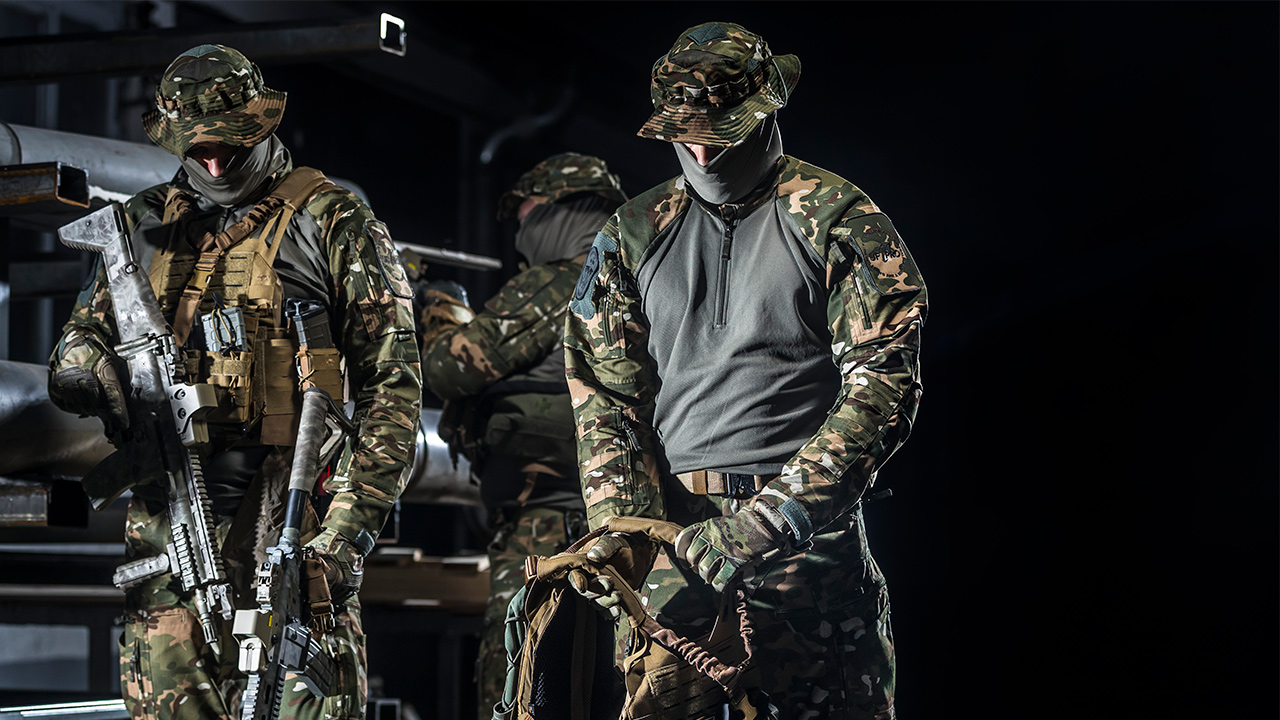
Polymers, like Kevlar, are often considered a staple in indestructible gear, especially when it comes to tactical clothing, body armor, and other protective equipment. Kevlar, for instance, is renowned for its strength and its ability to resist penetration from sharp objects. It’s five times stronger than steel on an equal weight basis, making it incredibly effective in situations where puncture resistance is a priority.
In addition to its strength, Kevlar and other high-performance polymers are also highly flexible, making them suitable for use in gear that requires both protection and mobility. For example, tactical gloves made from Kevlar offer cut resistance while still allowing the user to maintain dexterity.
2. Engineering and Design: The Blueprint for Toughness
While materials are undoubtedly important, the way a piece of gear is designed also plays a crucial role in its indestructibility. A well-designed piece of equipment can be engineered to endure impacts, stress, and harsh environments. Here are some of the engineering and design principles that contribute to the creation of indestructible gear.
2.1 Reinforced Structure: Strength in Every Layer
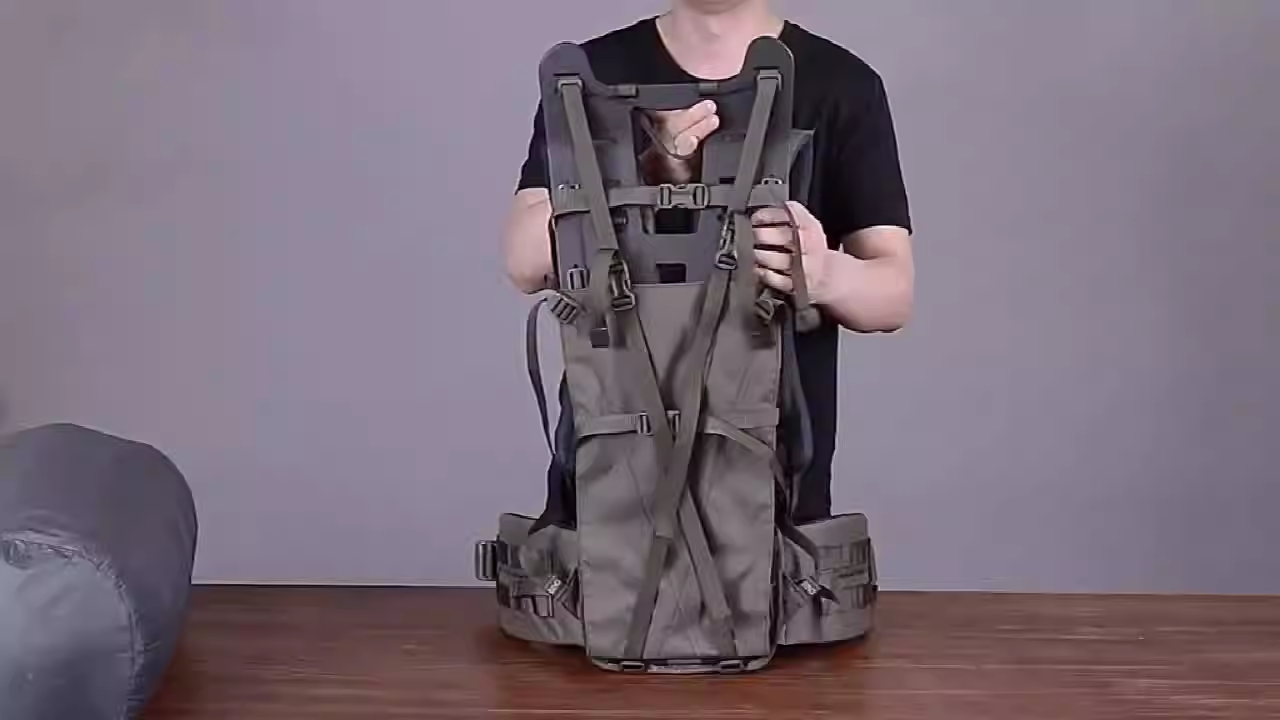
One of the core design strategies used in indestructible gear is reinforcement. Reinforcing key stress points—such as joints, hinges, or fasteners—ensures that the gear can handle pressure without breaking. This is particularly important for tools and devices that are subject to constant use, like backpacks, knives, and multi-tools.
For example, reinforced stitching in a backpack or durable rivets in a pair of work boots can prevent weak points from developing over time. When gear is built with multiple layers of protection or integrated reinforcements, it’s far less likely to fail under strain.
2.2 Shock Absorption: Protection Against Impact
Another key aspect of designing indestructible gear is shock absorption. Gear that’s meant to withstand drops, falls, and bumps needs to have some form of impact protection. This can be achieved through various means, such as rubberized edges, foam cushioning, or impact-resistant exteriors. For example, smartphones and laptops often feature shockproof cases or bumpers to prevent damage from accidental drops.
Shock absorption is also critical for items like helmets and body armor, where the goal is to disperse the force of an impact over a larger surface area, minimizing the risk of injury or damage.
2.3 Modular Design: Adaptability and Resilience
In some cases, gear is designed to be modular, allowing users to replace or repair parts without discarding the entire item. This not only extends the lifespan of the gear but also ensures that it can be adapted to different needs over time. For instance, many tactical backpacks feature removable straps or compartments, allowing users to customize their gear depending on the mission.
The modular approach also applies to tools like knives and flashlights, where replaceable parts ensure that the tool remains functional even after heavy use.
3. Testing: Pushing Gear to Its Limits
To ensure that a piece of gear lives up to its “indestructible” status, rigorous testing is essential. Testing doesn’t just involve putting gear through its paces in controlled environments; it means subjecting it to real-world conditions that are extreme, unpredictable, and unforgiving.
3.1 The Drop Test: Let Gravity Do Its Work
One of the most basic, yet most revealing, tests for indestructible gear is the drop test. This involves dropping the gear from a certain height onto a hard surface, simulating the effects of accidental drops during use. The test can be repeated at increasing heights to determine the maximum durability of a product.
For phones and other portable devices, drop tests are often part of the certification process. A phone case might pass a 10-foot drop test, but a truly indestructible case would survive a 20-foot drop or more.
3.2 The Torture Test: Beyond Normal Use

The torture test takes things to the next level. This test subjects gear to a variety of extreme conditions, such as extreme temperatures, saltwater exposure, mud, and heavy impact. For example, a hiking boot might be submerged in water for hours to test its waterproofing, while a tactical flashlight could be submerged in mud and then turned on to check its functionality.
Torture tests are designed to simulate real-world scenarios where gear faces abuse beyond everyday wear and tear.
3.3 The Endurance Test: Long-Term Reliability
While dropping, pounding, and submerging gear is important for assessing its immediate durability, the endurance test is about long-term reliability. This type of test is often done over months or years to see how a product holds up under continuous, repetitive use. Gear that performs well in endurance tests is likely to have the kind of “indestructibility” that doesn’t just come from withstanding one-off incidents, but from being able to endure daily, prolonged stress.
4. Real-World Applications of Indestructible Gear
When it comes to practical use, indestructible gear finds its place in a variety of industries and activities. Let’s take a look at some of the real-world applications where durable, high-performance gear is essential.
4.1 Military and Tactical Operations
Military-grade gear is built to endure some of the harshest environments imaginable. Combat situations, extreme weather, and unpredictable terrains require equipment that can hold up under pressure. From bulletproof vests to military-grade watches, the gear used by soldiers is designed to be as indestructible as possible.
4.2 Extreme Sports
Athletes who engage in extreme sports such as rock climbing, base jumping, or off-roading demand gear that can withstand the most challenging conditions. High-performance helmets, climbing ropes, protective suits, and rugged footwear are all built to endure everything from impacts to abrasions to extreme weather.
4.3 Outdoor Adventures
Whether it’s hiking, kayaking, or camping, outdoor enthusiasts rely on gear that can endure the elements. Indestructible backpacks, tents, and knives are essential for survival in the wilderness. They need to be lightweight yet strong enough to withstand the demands of rugged environments.
5. Conclusion: The Quest for the Indestructible Gear
So, what makes a piece of gear truly indestructible? It’s the combination of superior materials, smart design, and rigorous testing that allows an object to stand the test of time—and the elements. While no piece of gear is invincible, the pursuit of indestructibility pushes manufacturers to continually innovate, improve, and create products that are more durable than ever before.
In a world where the unexpected can happen at any moment, having gear that’s built to survive extreme conditions is more than just a convenience; it’s a necessity. And with advances in materials science and engineering, it’s clear that indestructible gear will only get tougher, more reliable, and more essential in our daily lives.