

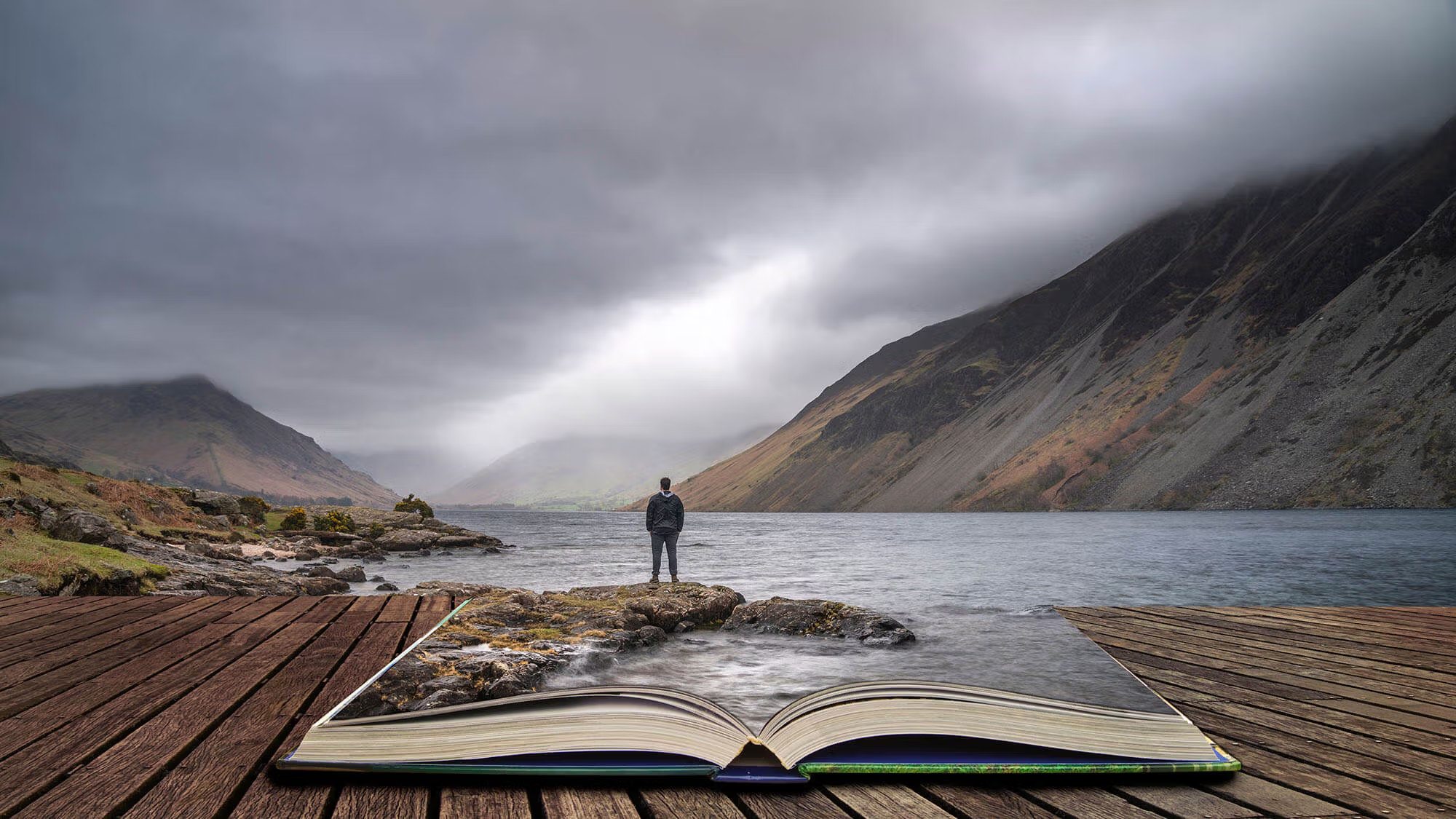










The world of design is in the midst of a transformative evolution. Artificial intelligence (AI) is no longer a distant, speculative technology—it’s already changing industries, and its potential to reshape creative fields, especially design, is being closely watched. From logo creation to website layout, AI tools are being increasingly utilized for tasks once considered uniquely human.
But this begs the question: can AI truly replace human creativity in design? Or is it just a tool that augments human talent, amplifying our potential without fully taking over? This article dives deep into this question, exploring the role of AI in design and its implications for the future of creativity.
The Rise of AI in Design
AI’s emergence in design is not an isolated event. It’s part of a larger technological shift where artificial intelligence is becoming an integral part of industries ranging from healthcare to finance, education to entertainment. In design, AI has made its way into every aspect of the creative process, from ideation to final execution.
AI-driven design tools, such as Adobe Sensei, Canva’s design assistant, and various logo generators, are now commonly used by designers. These tools can automate repetitive tasks, suggest color palettes, recommend layouts, and even help with typography—tasks that once required significant amounts of human input.
AI can also work with generative design algorithms. These algorithms analyze vast amounts of data to create novel and complex design solutions that might be difficult for a human to envision. For instance, generative design in architecture uses AI to optimize building structures, taking into account factors like light exposure, structural integrity, and energy efficiency. In fashion, AI can predict trends by analyzing consumer behavior and market dynamics.
A New Era of Tools for Designers
Far from replacing human designers, AI tools have opened new doors. AI has made design more accessible to non-designers, democratizing creativity. Individuals with little to no formal design training can now use intuitive tools to create visually compelling work, while professional designers have more time to focus on higher-level creative tasks rather than repetitive, time-consuming activities.
For example, AI design assistants, such as the ones integrated into platforms like Wix, WordPress, and Squarespace, help users create website layouts in minutes. These AI tools take the user’s preferences—such as color scheme, content style, and industry type—and generate a customized layout in seconds. What once took days or weeks of work can now be achieved in a matter of minutes.
Furthermore, AI can help speed up decision-making, especially in the iterative phases of design. Tools like Adobe Photoshop and Illustrator now feature AI-powered content-aware fill, object recognition, and auto-masking, allowing designers to focus on the creative vision rather than manual tasks.
Can AI Be Creative?
To determine if AI can replace human creativity in design, we must first understand what creativity is and how it manifests in the design process. Creativity involves the ability to think outside the box, combine disparate ideas, and generate new, innovative solutions. It is often driven by emotions, personal experience, cultural context, and individual perspective.
AI, by contrast, relies on algorithms and patterns derived from vast datasets. It doesn’t “think” in the human sense but processes and generates outputs based on input data. So, while AI can mimic creative tasks, the question remains: Can it truly be creative in the same way a human is?
Let’s explore this from a few different angles:
1. Pattern Recognition and Innovation
AI’s strength lies in its ability to recognize patterns at a scale and speed that far exceeds human capabilities. This allows it to generate designs based on pre-existing patterns—whether those are visual patterns in art or structural patterns in architecture.
However, AI doesn’t create from scratch. It generates ideas based on existing data, meaning its creativity is derivative rather than original. For example, an AI might generate a logo design based on thousands of logos it has already analyzed. While the result may be aesthetically pleasing, it’s built upon patterns already established by human designers.
In contrast, human creativity often involves breaking free from established patterns. Think of Picasso’s cubism or Steve Jobs’ vision for the iPhone—both were revolutionary because they challenged the status quo. Can AI replicate this kind of disruptive creativity? Probably not—at least not yet.
2. Emotional and Contextual Understanding
Human creativity is deeply tied to emotions, culture, and context. Designers bring their unique perspectives to their work, informed by their life experiences, tastes, and even their moods. This emotional resonance is often what makes a design stand out.
AI, by comparison, lacks true emotional understanding. While AI can generate a design that might look aesthetically pleasing or technically sound, it doesn’t have the depth of emotional insight that a human designer can bring to the table. A human can design with empathy, considering the audience’s feelings and needs, whereas AI designs based purely on logic and data.
For instance, a logo designed by a human may convey a sense of warmth, innovation, or nostalgia depending on the designer’s intention and the company’s brand values. An AI tool, however, is more likely to generate a design that is efficient or trendy, but it may miss out on the emotional connection that human designers can foster.
3. Imagination vs. Calculation
Creativity often involves a leap of imagination, where the designer envisions something that hasn’t yet existed. This requires not only skill and knowledge but also the courage to experiment, fail, and adapt.
AI, however, works on the principle of calculation. It optimizes design solutions based on input data, evaluating different permutations to find the most efficient one. While this can lead to some fascinating results, it’s not the same as human imagination, which is free to explore the unknown and take risks without the constraints of data.
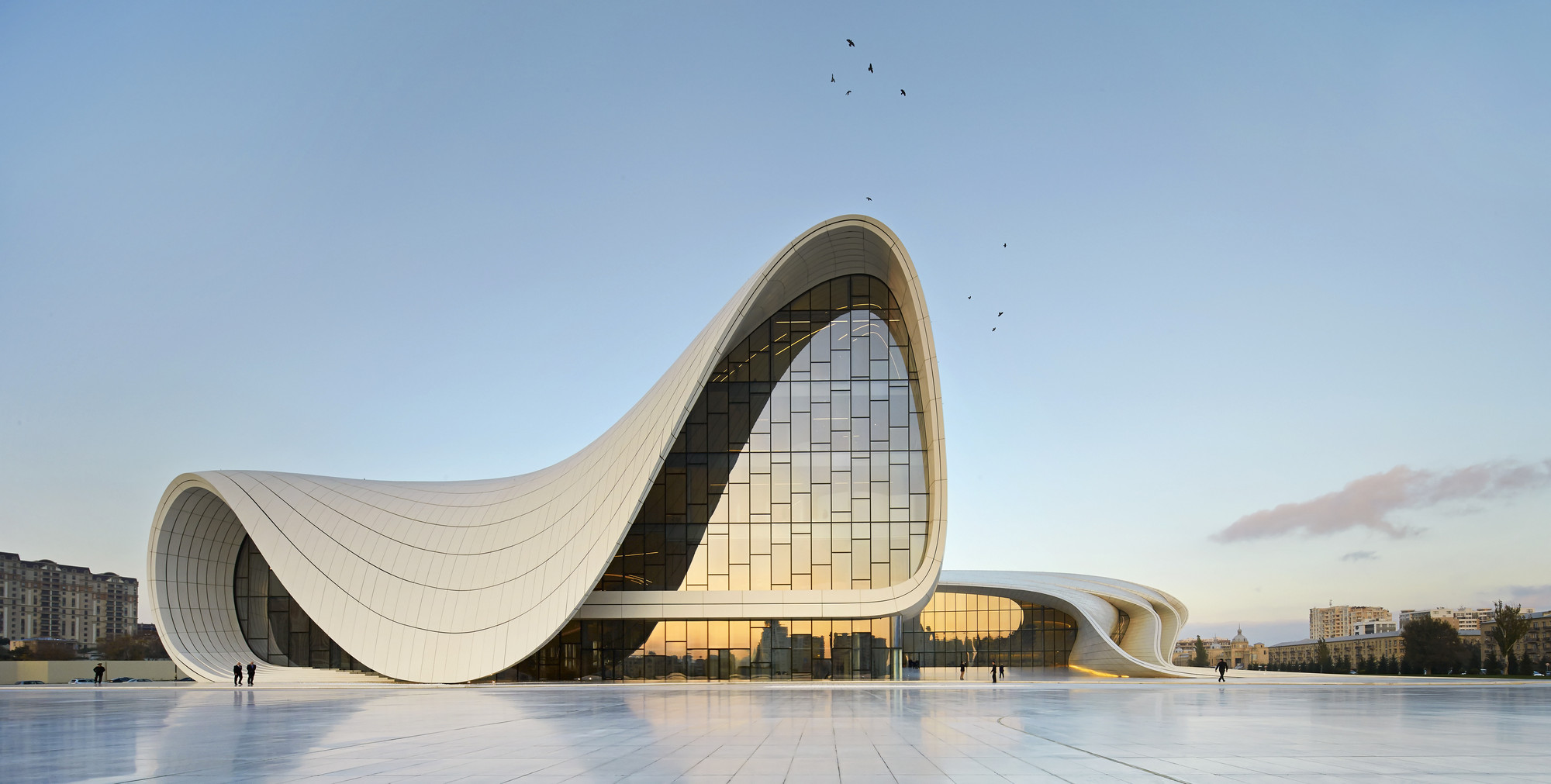
Consider the work of visionary designers like Frank Gehry, whose organic and fluid architectural structures challenge traditional forms. These kinds of designs arise from a process that involves intuition, experimentation, and a willingness to break conventions—elements that AI struggles to replicate.
4. The Role of Collaboration
Rather than replacing human creativity, AI seems to function best when it collaborates with humans. AI can handle tasks that are mundane or time-consuming, allowing designers to focus on what they do best: ideating, conceptualizing, and creating.
In this sense, AI serves as a tool—an extension of the designer’s abilities rather than a replacement. For example, AI might assist in brainstorming by generating multiple iterations of a design, but it’s still up to the designer to decide which iteration best suits their vision. In this way, AI can expand the boundaries of what designers are capable of creating.
The key here is human judgment. A designer might use AI to quickly generate hundreds of potential design options, but it’s their artistic sensibility, cultural knowledge, and emotional insight that ultimately determine which options align with the desired outcome.
The Future of AI and Design
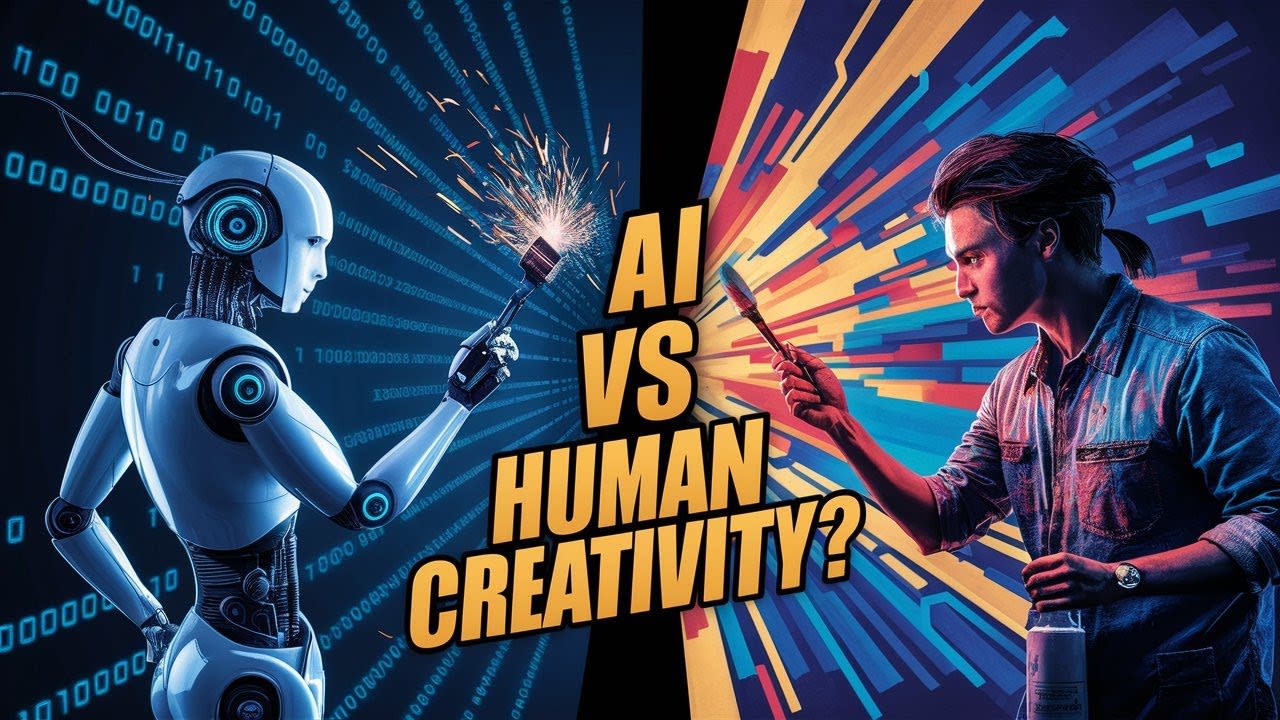
Rather than replacing human creativity, AI is shaping the future of design in profound ways. As the technology continues to evolve, it will likely play an even more prominent role in the creative process, but it will still be a tool—an aid, not a replacement.
Designers will continue to be essential in the creative process, as they bring something AI cannot: human intuition, emotion, and imagination. However, AI’s ability to analyze vast datasets and generate complex designs at scale means it will become an indispensable part of the designer’s toolkit.
In fact, the future of design may see a more integrated relationship between humans and AI. AI will likely help designers work faster, more efficiently, and with greater precision, but it will be the designer’s vision, emotional intelligence, and creativity that truly drives the work.
The Rise of AI-Powered Personalization
One exciting area in the intersection of AI and design is personalization. AI has the ability to analyze user data and create personalized designs for individuals. This is already being seen in web design, where AI can tailor layouts based on user behavior, preferences, and even geographical location. This level of customization, which was once labor-intensive, is now within reach of every designer thanks to AI.
Ethical and Legal Considerations
As AI continues to develop, the design industry will also have to grapple with important ethical and legal issues. Who owns a design generated by AI? Should designers credit AI as a co-creator? These are questions that will need to be addressed as AI becomes a more integral part of the creative process.
Human Creativity in the Age of AI
At the end of the day, AI is not the enemy of human creativity. In fact, it could be the perfect collaborator. It has the potential to help designers explore new possibilities, break free from limitations, and push the boundaries of what’s possible. But it’s not going to replace the human elements that make design truly innovative: vision, emotion, and imagination.